
Top Additives Tips for Global Buyers in 2026

Time:2026-08-09 Author:Sophia
0%

In 2026, the global market for additives is projected to evolve significantly. Additives serve as crucial components in many industries, affecting product quality and performance. Buyers today face a diverse range of choices, from enhancing food products to improving industrial processes. Understanding these options is vital for making informed decisions.

As competition intensifies, it's essential for global buyers to stay updated. The right additives can lead to innovative solutions and improved efficiency. However, not all additives are created equal. Many may promise benefits, yet fall short. It's imperative to assess the credibility of suppliers and their products.

Research into additives should be thorough. Engaging with experts and industry reports can provide valuable insights. Buyers must also reflect on their own needs and challenges. Uncovering the best additives requires a balance of experience and ongoing education. By doing so, global buyers can navigate this complex landscape successfully.
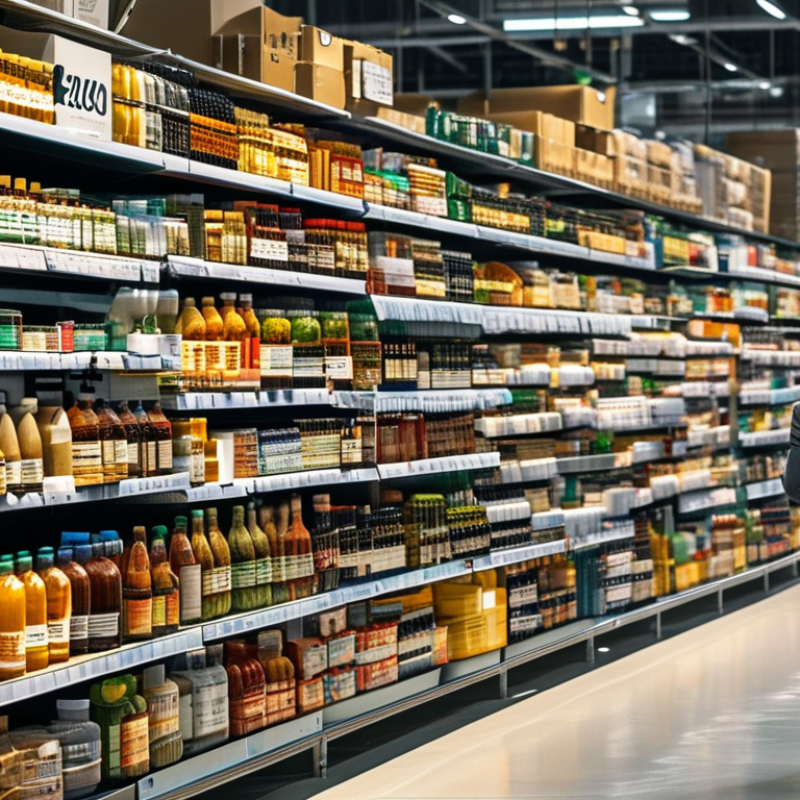
Top Additives Tips for Global Buyers in 2026

Key Trends in Additives Market for Global Buyers in 2026

As we approach 2026, the additives market is evolving with notable trends. Buyers must keep an eye on the growing demand for bio-based additives. These materials are sourced from renewable resources and offer a lower environmental impact. The shift towards eco-friendly solutions is reshaping industry standards. Buyers may find increased transparency in sourcing practices as suppliers adapt to this trend.

The rise of smart additives is another key development. These materials can enhance functionality in various applications. For instance, smart coatings respond to environmental changes, offering improved durability and performance. However, integrating such technologies can be challenging. Many buyers may need to invest in specialized training or new equipment to leverage these innovations effectively.

Additionally, customization is becoming vital. Buyers increasingly seek specific formulations tailored to their needs. This push for tailored additives requires suppliers to be agile and innovative. Yet, some companies might struggle to meet these demands. They may face production limitations or increased costs. This dynamic landscape presents opportunities and challenges for global buyers navigating the additives market in 2026.

Essential Additive Types and Their Applications for Current Buyers

The world of additives is rapidly evolving. Understanding essential additive types is crucial for buyers in 2026. One key category is additives for food preservation. These compounds extend shelf life and enhance safety. For example, antioxidants prevent oxidation, keeping food fresher longer.

Another important category is functional additives in materials. These include plasticizers, which improve flexibility in products. Alternatively, flame retardants enhance safety by reducing flammability in various applications. Buyers need to assess their specific requirements carefully. Relying solely on general information may lead to suboptimal choices.

Emerging trends are reshaping the market. Biodegradable additives are gaining attention as sustainability becomes vital. However, finding reliable suppliers who offer these products can be challenging. It's essential to remain vigilant and informed. In this context, developing strong relationships with experts in the field is invaluable.

Top Additives Types and Their Applications for Global Buyers in 2026

Regulatory Considerations for Additives in International Trade

Navigating regulatory considerations is vital for international trade in additives. Different regions impose unique rules that govern the use and trade of these materials. Buyers must pay close attention to local regulations to avoid costly penalties. Regulations can vary significantly, often resulting in confusion.

Some additives may be permitted in one country but banned elsewhere. For instance, certain colorants are widely accepted in Europe but could face strict scrutiny in Asia. Buyers should stay informed about these disparities. Engaging with local experts can provide insights into these complex regulations.

Adapting to ever-changing rules requires diligence. It’s important to conduct thorough research before finalizing any contracts. Regulatory bodies frequently update their guidelines, making it essential to monitor these changes closely. Communicating with partners about compliance can prevent missteps that may lead to product recalls or reputational harm. These challenges emphasize the need for a proactive approach to regulatory awareness in the additives market.

Sourcing Strategies for Cost-Effective Additives in 2026

In 2026, sourcing cost-effective additives requires a deep understanding of market trends. Buyers should focus on local suppliers to reduce shipping costs. Regional sourcing also promotes sustainability, which is increasingly valued by consumers.

Networking within the industry can open doors to new suppliers. Attending trade shows and webinars may unveil hidden gems in the additive market. However, relying solely on relationships can lead to missed opportunities. Investigating multiple suppliers is crucial for competitive pricing.

Online platforms are valuable for researching different types of additives. User reviews often provide insights into product efficacy and reliability. Yet, not all reviews are trustworthy. Buyers need to verify the credibility of these platforms, ensuring informed decisions. Embracing a cautious approach can help mitigate risks while enhancing sourcing strategies.

Top Additives Tips for Global Buyers in 2026 - Sourcing Strategies for Cost-Effective Additives in 2026

Additive Type Application Area Cost Efficiency (%) Sourcing Region Sustainability Rating
Antioxidants Plastics 15% Asia A
Colorants Coatings 10% Europe B
Fillers Construction 20% North America B+
Stabilizers Plastics 18% Asia A-
Surfactants Cosmetics 12% Europe B+

Sustainability Trends in Additives: What Buyers Need to Know

Sustainability in the additives market is gaining momentum. According to a recent report by the Global Additives Association, 70% of buyers consider sustainability when purchasing additives. This trend reflects a broader commitment to eco-friendly solutions across industries. Buyers should also recognize the long-term benefits of investing in sustainable additives. They not only reduce environmental impact but can also enhance product performance.

The latest data highlights a significant rise in bio-based additives, projected to reach a market value of $12 billion by 2026. However, the industry still faces challenges. Many manufacturers struggle to source sustainable materials, leading to inconsistencies in supply chains. This inconsistency can affect the quality of end products. Buyers need to communicate their sustainability goals clearly to suppliers. Collaboration is essential to create a reliable, sustainable supply chain.

The trend towards circular economy practices is also noteworthy. An increasing number of companies are exploring recycling options for additives, but implementation lags behind ambition. Research shows that only 40% of companies currently have recycling programs in place. Addressing these gaps will be crucial for buyers aiming to meet consumer demand for responsible practices in the coming years.

FAQS

: What are food preservation additives?

: They extend shelf life and improve safety. Antioxidants prevent oxidation, keeping food fresh longer.

How can functional additives improve product safety?

Flame retardants reduce flammability. This makes materials safer in various applications.

Why is understanding regulatory considerations important?

Different regions have unique rules. Ignoring these can lead to costly penalties and compliance issues.

What challenges come with sourcing biodegradable additives?

Finding reliable suppliers can be difficult. Vigilance and informed decisions are essential for success.

How should buyers approach sourcing in 2026?

Focus on local suppliers to lower shipping costs. This also supports sustainability goals.

How can industry networking benefit buyers?

It opens doors to new suppliers. Attending trade shows can reveal hidden market opportunities.

Why is researching reviews important when sourcing additives?

User reviews can provide insights, but not all are trustworthy. Verify credibility for informed choices.

How often do regulatory guidelines change?

They frequently update, requiring diligence. Stay informed to avoid product recalls and reputational harm.

What might happen if a buyer relies only on relationships?

They could miss competitive pricing. Investigating multiple suppliers is crucial for better deals.

Conclusion

The article "Top Additives Tips for Global Buyers in 2026" explores crucial trends and considerations for those sourcing additives in the approaching year. It outlines the key trends shaping the additives market, focusing on essential types of additives and their varied applications. Global buyers are urged to be aware of regulatory considerations that impact international trade, ensuring compliance in their sourcing efforts.

Furthermore, the article emphasizes effective sourcing strategies to secure cost-effective additives, highlighting the importance of sustainability trends that are becoming increasingly vital in purchasing decisions. By understanding these elements, buyers can navigate the additives landscape more efficiently, making informed choices that align with both their business goals and environmental considerations.

Sophia

Sophia

Sophia is a dedicated marketing professional with an exceptional depth of knowledge about her company's products and services. With a keen understanding of market trends and customer needs, she crafts insightful blog posts that not only inform but also engage readers, enriching the company’s online......