Discover high-purity cationic polymers, thickeners, and biocides formulated for professional personal care, home care, and industrial processing.
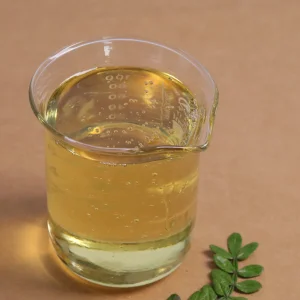
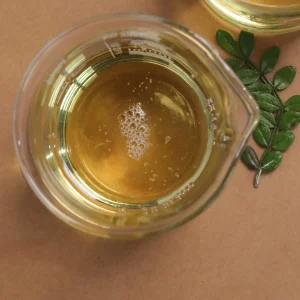
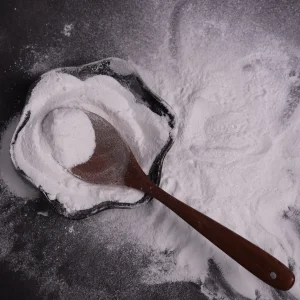
Cationic surfactants represent a sophisticated branch of surface-active agents characterized by a positively charged hydrophilic head group. Unlike their anionic or non-ionic counterparts, the positive charge of cationic surfactants gives them unique physical chemistry, most notably an affinity to bind tightly to negatively charged solid substrates, such as keratinized tissues (hair and skin), synthetic and natural textiles, silicate minerals, and microbial cell membranes.
In the global industrial arena, the commercial demand for cationic surfactants continues to expand rapidly. Valued for their dual functionalities as outstanding conditioning agents and highly effective antimicrobials (biocides), these compounds are critical structural components in cosmetics, textile auxiliaries, industrial disinfectants, agricultural adjuvants, and road asphalt emulsification processes.
The adsorption behavior of cationic surfactants is highly dependent on pH and the overall ionic strength of the aqueous phase. For instance, quaternary ammonium compounds (QACs) like DDBAC/BKC (Benzalkonium Chloride) maintain a constant positive charge across the entire pH range, making them highly reliable biocides in acidic, neutral, and alkaline settings.

We assure you that our surfactant products originate from well-managed, sustainable resources, verified by strict quality inspection standards.

We provide a highly diversified and rich portfolio of chemical intermediates, thickeners, and active agents, minimizing purchasing friction for buyers worldwide.

Our state-of-the-art laboratories offer specialized ODM and OEM development services, custom-tuning physical traits like viscosity, foam density, and active content.

We control material supply streams to ensure our chemical formulations remain superior in quality while remaining highly competitive in pricing.

Materials and critical ingredients are delivered precisely when needed, keeping your automated production processes running smoothly and saving warehouse costs.
Understanding the molecular architecture and chemical synthesis pathways of modern cationic surfactant manufacturing.
The bedrock of the cationic surfactant category. QACs (such as DDBAC/BKC) are synthesized through the nucleophilic substitution reaction of tertiary alkyl amines with alkyl halides or benzyl chloride. The permanent positive charge on the nitrogen atom renders these molecules highly stable, providing broad-spectrum bactericidal, fungicidal, and algicidal properties.
To resolve historical environmental accumulation issues connected to classical QACs, ester-linked quaternary ammonium compounds (Esterquats) are now widely synthesized by reacting alkanolamines with fatty acids, followed by quaternization. The presence of the ester bonds allows for rapid biological degradation in wastewater treatment systems, aligning with modern green chemistry mandates.
Polymers such as Polyquaternium-7 and Polyquaternium-10 are modified cellulose or synthetic copolymers carrying multiple cationic charges along their polymeric backbone. These configurations allow them to form thin, cohesive films over hair cuticles and keratinous skin structures, neutralizing negative static charges and dramatically enhancing tactile wet/dry combing performance.
How global manufacturers leverage our raw materials for optimized home care, industrial cleaning, and cosmetics formulation.
Utilizes SLES and AOS as primary active cleaning agents, coupled with Cocamide MEA (CMEA) or CMMEA to stabilize viscosity and build rich, thick foam profiles. This combination creates highly stable formulations that rinse cleanly and protect machine surfaces.
Formulated with Sodium Cocoyl Glutamate and Sodium Lauroyl Sarcosinate, these formulations yield luxurious, micro-fine foams that cleanse skin without stripping natural lipid barriers. Highly compatible with sensitive and dry skin products.
Based on cationic surfactants such as Cetrimonium Chloride (1631) or Esterquats. The cationic head groups bind to the negatively charged cotton, wool, and synthetic fibers, aligning the hydrophobic fatty tails outward to produce softness and anti-static effects.
By balancing amphoteric CAB-35 (Cocamidopropyl Betaine) with alkyl glycosides (APG), we generate mild body washes and baby shampoos that produce dense foam structures without relying on harsher sulfate chemistry.
For industrial equipment maintenance, machine shops, and food processing plants. We combine linear alkylbenzene sulfonate (LAS) for heavy grease cutting and BKC (1227) for sanitization of food contact surfaces. These formulations strip oil layers and destroy microbial biofilms in a single step.
Answers to key engineering and chemical formulation questions regarding cationic surfactants.
Anionic and cationic surfactants carry opposite electrical charges. When combined in an aqueous solution, they form an insoluble electrostatically neutral complex (coacervate). This complex precipitates out of solution, leading to a loss of surfactant performance, separation of the emulsion, and turbidity. However, formulators can bypass this by using amphoteric surfactants (like CAB-35) as coupling agents or using specialized polymers to stabilize the system.
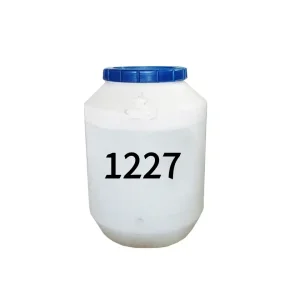
Dodecyl Dimethyl Benzyl Ammonium Chloride (BKC 1227) is a quaternary ammonium compound. The positively charged nitrogen atom has a powerful affinity for the negatively charged cell walls of bacteria, algae, and fungi. Once attached, the hydrophobic alkyl chain penetrates the cell membrane, disrupting transport functions and leading to cell lysis. This mechanism is purely physical-chemical, preventing microbes from easily developing resistance.
Global markets, particularly in Europe (REACH) and North America (EPA), are increasingly restricting surfactants with low biodegradation rates or high aquatic toxicity. This has driven the industry toward bio-based cationic alternatives, such as esterquats and amino-acid derived cationics. These modern chemicals maintain high performance in hair conditioning and fabric softening but rapidly break down into harmless organic compounds in sewage treatment plants.
Examine our broader range of raw materials including amino acid surfactants, food-grade preservatives, and specialized thickeners.