In recent years, zwitterionic surfactants have gained momentum in various industries. Dr. Emily Wright, a leading expert in surfactant chemistry, states, "Zwitterionic surfactants offer unique properties that can enhance performance across multiple applications." Their dual-charge structure provides remarkable stability in different environments, making them attractive in formulations.
These surfactants excel in biosafety, often reducing irritation compared to traditional options. Their versatility allows them to be used in personal care products, detergents, and biomedical applications, underscoring their broad appeal. However, while the benefits are significant, it is essential to address challenges in sourcing and synthesis. The market is still developing standards for quality and consistency.
To unlock their full potential, industries must invest in research and development. Understanding the specific needs of each application can help tailor formulations. The journey to maximizing the advantages of zwitterionic surfactants is ongoing. It is vital for companies to collaborate to establish reliable methods and best practices.
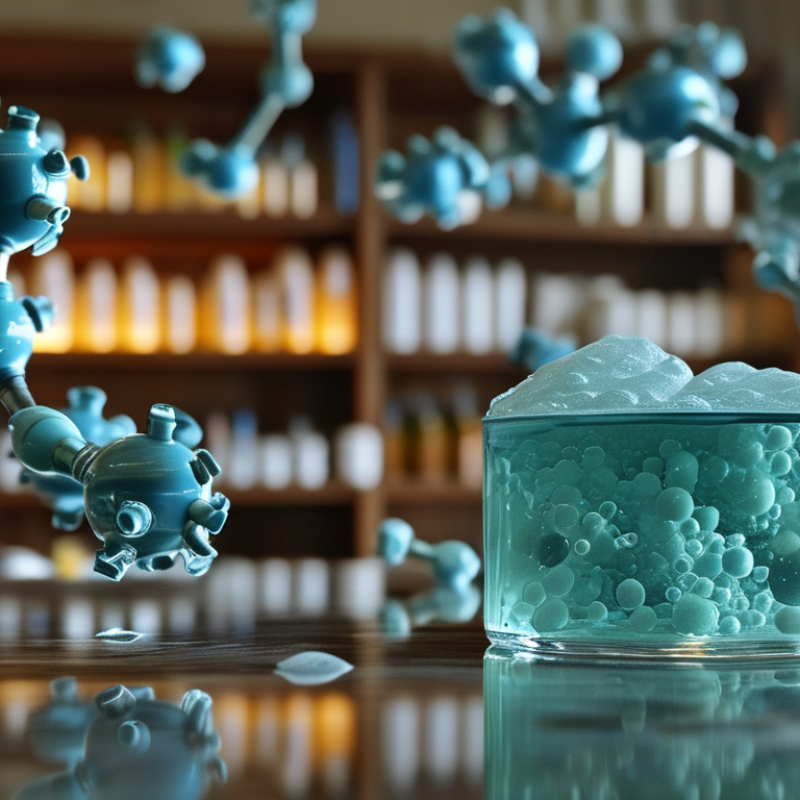
Understanding Zwitterionic Surfactants: Definition and Properties
Zwitterionic surfactants are unique compounds. They feature both positive and negative charges within the same molecule. This dual character allows them to be effective in various applications, including personal care and industrial cleaning.
One key property of zwitterionic surfactants is their excellent solubility in water. They perform well under diverse pH conditions. Their ability to form stable micelles makes them highly effective at reducing surface tension. This means they can easily lift and remove dirt and grime. They are gentle on the skin, which is crucial for cosmetic applications. However, achieving the right formulation can be challenging. It requires expertise to balance their properties for maximum effectiveness.
Another notable aspect is their low toxicity. Zwitterionic surfactants are generally safe for the environment. They degrade naturally and do not accumulate in aquatic systems. Despite these advantages, users must ensure proper handling and formulation. Inconsistent quality in raw materials can lead to unexpected results. It's crucial to source zwitterionic surfactants from reliable suppliers. This ensures the desired performance and safety in the final product.
Key Applications of Zwitterionic Surfactants in Various Industries
Zwitterionic surfactants are gaining attention across various industries for their unique properties. These surfactants contain both positive and negative charges, which enhances their solubility and stability. This duality makes them suitable for diverse applications, from personal care products to industrial cleaning agents.
In the cosmetic industry, zwitterionic surfactants are prized for their gentle nature. They provide effective cleansing without excessive irritation. This quality appeals to consumers looking for mild formulations. Their ability to interact with both oily and watery substances supports a wide range of formulations, ensuring better texture and performance.
In industrial applications, these surfactants improve processes like oil recovery and wastewater treatment. They effectively reduce surface tension, enhancing the efficiency of these processes. However, their use is not without challenges. The formulation stability can vary, requiring careful consideration during product development. Addressing these imperfections is essential for maximizing their potential across different sectors.
Discover the Benefits of Zwitterionic Surfactants for Your Needs
Advantages of Using Zwitterionic Surfactants Over Traditional Surfactants
Zwitterionic surfactants offer distinct advantages compared to traditional surfactants. Their unique structure allows for a balanced electrical charge at different pH levels, making them versatile in various applications. This property leads to improved compatibility with different substrates, which is essential in cleaning and formulation processes. They can effectively reduce surface tension and enhance solubility, providing better performance in both personal care and industrial settings.
When considering zwitterionic surfactants, note the environmental benefits. These surfactants are often biodegradable, posing less risk to aquatic life. Their gentle nature makes them suitable for sensitive skin formulations, reducing irritation and providing a safer alternative for personal care products. Utilizing zwitterionic surfactants can mean fewer adverse effects on human health and the environment.
Tips: Ensure you test compatibility when switching to zwitterionic surfactants. Conduct stability tests to confirm performance in your formulations. Always consider the specific application needs and adjust concentrations accordingly for optimal results.
Environmental Impact and Safety Considerations of Zwitterionic Surfactants
Zwitterionic surfactants have gained attention for their unique properties. They carry both positive and negative charges, making them versatile in various applications. However, it’s crucial to consider their environmental impact and safety.
When discussing environmental safety, zwitterionic surfactants are often seen as favorable. They tend to have lower toxicity compared to traditional surfactants. Studies indicate that they break down more easily in natural environments. Yet, understanding their full ecological impact requires further research. Impurities or by-products from production could still pose risks.
Safety is another significant factor. While zwitterionic surfactants can be gentler on the skin, individual reactions vary. Some people may experience irritation. This raises questions about their long-term use in consumer products. Ensuring thorough testing before market introduction is essential. Consumers deserve to know the ingredients in their products and their potential effects. The balance between innovation and safety remains a complex challenge.
Discover the Benefits of Zwitterionic Surfactants for Your Needs? - Environmental Impact and Safety Considerations of Zwitterionic Surfactants
| Property |
Description |
Environmental Impact |
Safety Considerations |
| Biodegradability |
Readily biodegradable in aquatic environments. |
Low environmental persistence; minimal impact on aquatic life. |
Generally recognized as safe; non-toxic to humans. |
| Surface Activity |
Effective at reducing surface tension and stabilizing bubbles. |
Facilitates the use of less surfactant, reducing chemical load. |
Low irritation potential; suitable for sensitive applications. |
| Compatibility |
Compatible with anionic, cationic, and nonionic surfactants. |
Enhanced formulation flexibility, reducing overall environmental footprint. |
Minimal adverse reactions with other substances; safe for mixed formulations. |
| Foam Properties |
Produces stable foam, ideal for various cleaning and personal care products. |
Reduces need for harsh foaming agents, thus less environmental impact. |
Non-irritating foam; safe for skin applications. |
Future Trends and Innovations in Zwitterionic Surfactant Technology
Zwitterionic surfactants are gaining attention in various industries. They offer unique properties, such as high tolerance to extreme pH levels and low irritation profiles. These advantages make them ideal for personal care products, agricultural applications, and even drug delivery systems. The flexibility in their formulation leads to innovative solutions that other surfactants cannot provide.
Future trends indicate a shift towards more sustainable practices. Manufacturers are focusing on bio-based zwitterionic surfactants derived from renewable resources. This change aims to reduce environmental impact while maintaining performance. Expect to see advancements in their synthesis, making them more cost-effective and accessible.
Tip: When selecting zwitterionic surfactants, consider their compatibility with other ingredients. A good match enhances product performance.
Another area of innovation is the development of zwitterionic surfactants with enhanced functionality. These next-generation surfactants can offer emulsifying and stabilizing abilities beyond traditional uses. This versatility inspires new product formulations that solve complex challenges in formulations.
Tip: Keep an eye on new research. Understanding emerging technologies can help you leverage zwitterionic surfactants effectively.
Nonetheless, as the industry evolves, challenges remain. Developing scalable processes for production can hinder consistent quality. Balancing performance with sustainability requires careful scrutiny and adaptation.
Conclusion
Zwitterionic surfactants are unique surface-active agents characterized by their dual charge, possessing both positive and negative charges within the same molecule. This duality grants them exceptional properties, such as high tolerance to various pH levels and ionic strengths, making them versatile in several applications across industries such as pharmaceuticals, cosmetics, and detergents. Their ability to enhance solubility and stability positions them as valuable alternatives to traditional surfactants.
The advantages of zwitterionic surfactants are evident in their superior performance, lower toxicity, and enhanced biodegradability, addressing the growing environmental concerns associated with conventional surfactants. As industries increasingly prioritize sustainable practices, the future for zwitterionic surfactants appears promising, with ongoing innovations aimed at improving their efficiency and expanding their applications. Through these advancements, zwitterionic surfactants are set to play a crucial role in shaping environmentally friendly solutions across various sectors.