In the evolving world of cleaning agents, choosing the right Non-Ionic Surfactant is crucial for success. Renowned industry expert, Dr. Emily Hartman, emphasizes, "The right surfactant can transform cleaning performance." Her insights stress the importance of selecting quality ingredients for optimal results.
Non-Ionic Surfactants are known for their versatility and effectiveness in various applications. They work well in both acidic and alkaline environments, making them suitable across multiple industries. However, not all surfactants are created equal. Businesses must evaluate their options carefully, considering factors such as environmental impact and efficiency.
As you explore the best Non-Ionic Surfactants for your business, reflect on your specific needs. The right choice can enhance product performance but may come with challenges. An informed decision, based on reliable data and expert opinions, can lead to increased customer satisfaction and loyalty.
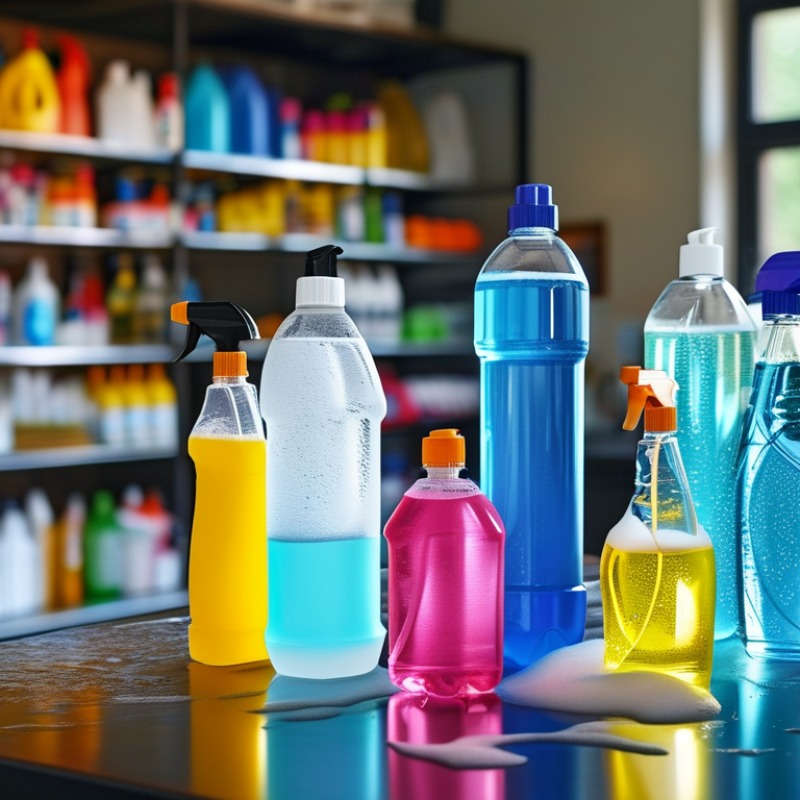
Understanding Non-Ionic Surfactants and Their Applications in Business
Non-ionic surfactants play a crucial role in various industries. Their unique properties allow them to work effectively in diverse applications, from cleaning products to personal care items. They are particularly beneficial for businesses focused on sustainability. Non-ionic surfactants are less irritating and can be less toxic than their anionic or cationic counterparts. This quality makes them ideal for formulations that prioritize user safety.
In cleaning applications, non-ionic surfactants help to break down oils and greases. They can operate efficiently in both acidic and alkaline conditions, providing versatility for formulators. However, not all non-ionic surfactants are created equal. Some may not perform well under certain conditions. It’s crucial to conduct thorough testing to find the right balance. This is an area where businesses often encounter challenges, leading to potential product failures.
In personal care, non-ionic surfactants are popular in emulsions and creams. They help improve texture and stability. Yet, formulating effective products requires a deep understanding of how these surfactants interact with other ingredients. Over time, as formulations evolve, businesses must remain attentive to these dynamics. Additional considerations, such as environmental impact and consumer preferences, also add layers of complexity. Finding the optimal non-ionic surfactant may require experimentation and adjustment.
Key Factors in Choosing the Best Non-Ionic Surfactant for Your Needs
Choosing the right non-ionic surfactant can significantly impact your business. Many factors play a vital role in this decision. It’s essential to understand the application you need the surfactant for. Different applications require different properties in surfactants, such as solubility, stability, and compatibility.
Consider the formulation process as well. Some non-ionic surfactants perform better with specific active ingredients. You'll need to evaluate how these surfactants interact with other components in your products. Performance testing might help in this phase. It could reveal unexpected compatibility issues or stability concerns.
Pricing is another important factor. It often determines your final product's affordability. However, a cheaper option may not always deliver the desired results. Finding balance is crucial. Reliability in supply is also worth considering. If your supplier has inconsistent delivery times, it could affect your production schedule. Strive to partner with suppliers who have solid reputations in the industry.
Top 2026 Non-Ionic Surfactant Brands and Their Unique Features
When selecting non-ionic surfactants, various brands stand out with unique features. These surfactants excel in diverse applications, including cleaning and emulsification. Several brands prioritize eco-friendly formulations, appealing to businesses focused on sustainability. Their lower toxicity profiles make them safer options for both users and the environment.
Some brands highlight their excellent wetting properties, enhancing the effectiveness of cleaning solutions. Others emphasize compatibility with different formulations, which is crucial for manufacturers needing versatility. It’s important to note, however, that not all non-ionic surfactants yield the same performance. Businesses should consider conducting pilot tests to determine the right fit for their specific needs.
Additionally, the choice of a non-ionic surfactant should consider factors such as solubility and foaming ability. Some formulations may not perform well in hard water, which can impact overall efficacy. Reflecting on these aspects helps create a more informed purchasing decision. It’s not just about picking a product; it’s about finding the best alignment with operational goals.
2026 Best Non-Ionic Surfactant Comparison
This chart displays a comparison of various non-ionic surfactants based on their performance index, indicating their effectiveness for different business needs in 2026.
Comparative Analysis of Non-Ionic Surfactants for Different Industries
In various industries, the selection of non-ionic surfactants is critical. These surfactants are known for their stability and adaptability across different formulations. Their effectiveness hinges on their molecular structure, which can affect their performance in diverse applications like cleaning products and pharmaceuticals. A recent industry report highlights that non-ionic surfactants comprise over 30% of the global surfactant market. This reflects their significance in formulations requiring gentleness and effectiveness.
In the agricultural sector, non-ionic surfactants enhance pesticide efficiency by improving adhesion to plant surfaces. Studies indicate that formulations containing these surfactants can increase pesticide effectiveness by up to 20%. However, not all non-ionic surfactants are created equal. Their performance can vary based on the crop type and environmental conditions.
Here are some tips when choosing non-ionic surfactants. Always consider the compatibility with your main ingredients. Testing in small batches can help identify the most effective mixture. Additionally, evaluating the environmental impact of your chosen surfactants is essential. Not all non-ionic options are eco-friendly, and consumer demand for sustainable products continues to grow. Balancing performance with sustainability is crucial for the future of formulations.
Future Trends in Non-Ionic Surfactant Development and Usage
The non-ionic surfactant market is evolving rapidly. Industry reports anticipate a compound annual growth rate (CAGR) of 4% from 2023 to 2028. The emerging trends indicate a shift towards bio-based surfactants. Environmental concerns drive this shift. Companies are seeking sustainable options to meet consumer demand.
Recent surveys show that 70% of businesses prioritize eco-friendly products. Non-ionic surfactants are particularly favored for their MILDNESS. Their low toxicity makes them suitable for sensitive applications. However, challenges remain. The production processes for bio-based surfactants are still costly. Companies often face difficulties in scaling these bioprocesses effectively.
Innovation is crucial for industry growth. Researchers are focusing on improving the efficiency of non-ionic surfactants. Enhanced formulations could lower costs while maintaining performance. Many regions enforce stricter regulations. Staying ahead in compliance can be daunting for manufacturers. Adapting to these changes requires a balance between cost and sustainability. The path to successful non-ionic surfactant development is complex. Companies must remain agile and invest wisely in research and development.
Conclusion
In the quest to identify the best Non-Ionic Surfactant for business applications in 2026, understanding the fundamental properties of these surfactants is crucial. Non-Ionic Surfactants are valued for their versatility, making them suitable for various industries, from personal care to industrial cleaning. When choosing the ideal product, businesses should consider factors such as efficacy, compatibility with other ingredients, and environmental impact.
The article delves into the top Non-Ionic Surfactant brands of 2026, highlighting their unique features and applications. A comparative analysis across different industries reveals how these surfactants can cater to specific needs and challenges. Additionally, it discusses future trends in the development and use of Non-Ionic Surfactants, emphasizing the importance of innovation in sustainability and performance enhancement to meet evolving market demands.