Cationic surfactants have become essential in various industries due to their unique properties and effectiveness. According to a market research report by Grand View Research, the cationic surfactant market is expected to reach over USD 4 billion by 2024, indicating strong growth potential. These compounds are critical in personal care, household products, and industrial applications, providing superior antimicrobial properties and enhanced performance in formulations.
The versatility of cationic surfactants lies in their ability to interact positively with negatively charged surfaces. This results in improved conditioning, emulsification, and antimicrobial efficacy. A study published in the Journal of Surfactants and Detergents highlighted that cationic surfactants are favored for their ability to enhance stability in products, making them a preferred choice in many formulations. However, businesses must consider potential environmental impacts and regulatory challenges associated with these substances.
Many companies may overlook the importance of testing and optimizing their formulations with cationic surfactants. Each application has unique needs that require careful analysis and adjustment. Moreover, stakeholders should remain informed about evolving regulations regarding surfactants. It is essential to strike a balance between performance and compliance in order to harness the full potential of cationic surfactants in their products.
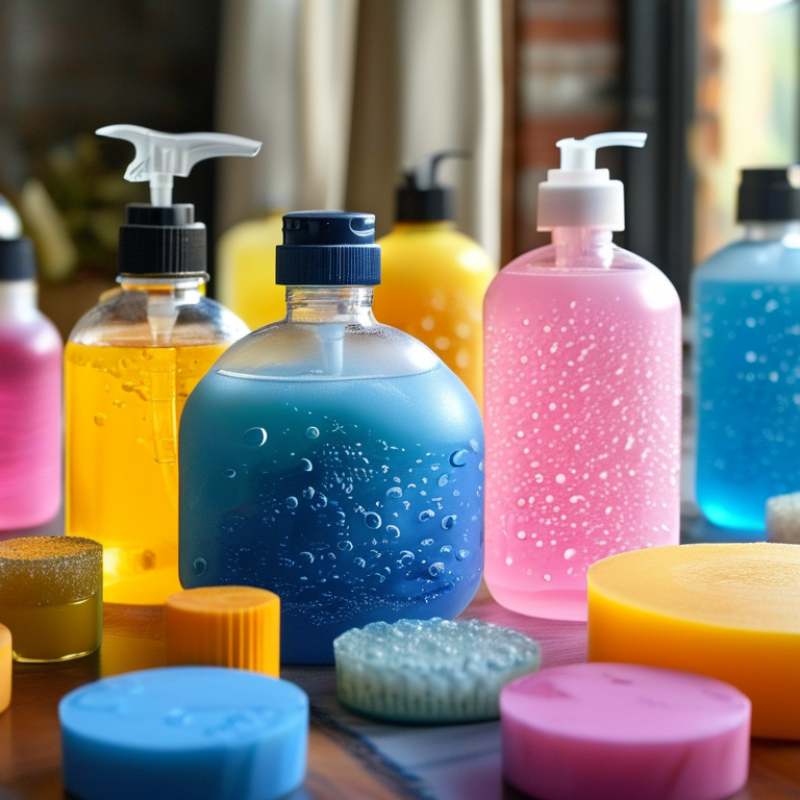
Benefits of Cationic Surfactants in Industrial Applications
Cationic surfactants are increasingly popular in various industrial applications. Their unique properties make them valuable in many sectors. For example, they have strong antibacterial and antifungal properties. This quality is crucial in industries like textiles and personal care, where hygiene is a priority.
These surfactants also exhibit excellent conditioning capabilities. They improve the texture and feel of products. In hair care, cationic surfactants help to detangle and soften hair. Their effectiveness often poses challenges in formulation. Achieving the right balance can be tricky.
Nonetheless, the results are often worth the effort.
Moreover, cationic surfactants can play a vital role in reducing environmental impact. They can replace harsher chemicals. As industries strive for sustainability, these surfactants offer a safer alternative. However, businesses must conduct thorough research. Understanding the potential limitations and benefits is crucial for successful application. The journey toward optimizing their use can be complex, but the insights gained are invaluable.
Understanding the Chemical Properties of Cationic Surfactants
Cationic surfactants are vital in various industries due to their unique chemical properties. They possess a positive charge, making them effective at attracting negatively charged particles and surfaces. This quality enhances their ability to serve as emulsifiers, antistatic agents, and conditioning agents. According to a recent market analysis, the cationic surfactant market is projected to grow at a CAGR of 4.5% from 2021 to 2026, evidencing their significance in both cleaning and personal care products.
The solubility of cationic surfactants varies based on their structure. Longer alkyl chains generally increase hydrophobicity, making them effective in water-based formulations. They often demonstrate superior compatibility with other components, offering formulators versatility. However, it is crucial to consider their biodegradability. Some cationic surfactants can be persistent in the environment, raising sustainability concerns. Additionally, the pH of formulations can impact the performance of these surfactants, urging businesses to test extensively for optimal results.
Understanding these intricacies can guide businesses in making informed choices. Some might overlook compatibility testing with other ingredients, leading to formulation failures. Balancing performance with environmental impact requires careful consideration. As industries continue evolving, the responsible use of cationic surfactants will be pivotal in addressing both customer needs and sustainability goals.
Comparative Analysis: Cationic Surfactants vs. Anionic Surfactants
When comparing cationic surfactants to anionic surfactants, the differences become evident in functionality and application. Cationic surfactants carry a positive charge, making them effective in bonding with negatively charged surfaces, like hair and skin. This property allows them to excel in conditioning agents, often used in shampoos and fabric softeners. Their affinity for surfaces results in reduced static electricity and enhanced softness.
In contrast, anionic surfactants are negatively charged. They are powerful cleansers, often found in household detergents and soaps. While they excel in dirt removal, their interaction with harder surfaces might not offer the same conditioning benefits. Cationic surfactants, despite their effectiveness, can be more costly to produce. They may also require careful formulation to avoid issues, such as incompatibility with other active ingredients.
It’s crucial to assess your specific business needs when choosing between these surfactants. Effective formulation should match the desired outcome, whether it’s superior cleansing or enhanced conditioning. Balancing cost with performance is not always straightforward, which can lead to reflections on product formulation strategies.
Key Industries Utilizing Cationic Surfactants Effectively
Cationic surfactants play a crucial role across several key industries.
In the textile sector, these surfactants enhance fabric care, improving softness
and reducing static cling. Reports indicate that cationic surfactants can increase the durability of textile treatments by up to 30%.
This data emphasizes the importance of choosing the right surfactants to boost product
performance and customer satisfaction.
In the personal care industry, cationic surfactants are valued for their conditioning properties.
These compounds help to reduce hair damage and improve manageability. According to market research, the demand for cationic surfactants
in personal care is expected to grow by 5% annually through 2025. This growth underscores the
effectiveness of these ingredients in formulation.
Tips: When selecting cationic surfactants,
consider their compatibility with other ingredients. Testing formulations can help identify the best combinations.
Regularly review scientific studies to stay updated about advancements in surfactant technology.
Constant learning is essential to refine your product formulations. Balancing cost and performance
is vital, ensuring your choices meet consumer expectations while maintaining profit margins.
Selecting the Right Cationic Surfactant for Your Business Operations
Selecting the right cationic surfactant for your business operations can significantly impact product performance. These compounds are known for their ability to effectively reduce surface tension. When selecting a surfactant, consider specific properties such as solubility, charge density, and compatibility with other ingredients. Different applications may demand unique requirements, and overlooking these can lead to suboptimal results.
For instance, in personal care products, the right cationic surfactant can enhance conditioning and moisturizing effects. In industrial applications, they can improve emulsification and foaming properties. However, be wary of potential issues, such as stability and sensory properties. Testing in real-world scenarios is crucial. A cationic surfactant might work well in theory but fail to meet expectations in practice.
Understanding the balance between efficacy and environmental impact is essential. Certain surfactants could pose challenges to biodegradability. Always strive for a solution that aligns with sustainability goals. The search for the right cationic surfactant involves trial and error. Constant evaluation and adjustment lead to improved formulations and satisfied customers.
Why Choose Cationic Surfactant for Your Business Needs?
| Cationic Surfactant Type |
Common Applications |
Benefits |
Typical Concentration (%) |
Environmental Impact |
| Benzalkonium Chloride |
Disinfectants, Hair Conditioners |
Antimicrobial, Conditioning |
5-25% |
Low toxicity; Biodegradable |
| Cetrimonium Chloride |
Hair Care Products |
Anti-static, Softening |
1-10% |
Low impact, Mild |
| Cocamidopropyl Betaine |
Personal Care, Household Cleaners |
Mildness, Foam booster |
3-30% |
Bio-based, Environmentally friendly |
| Polyquaternium |
Hair Treatments, Fabric Softeners |
Film-forming, Conditioning |
0.5-10% |
Typically low toxicity |
| Decyl Glucoside |
Shampoos, Body Washes |
Gentle on skin, Derived from plants |
5-15% |
Biodegradable, Low irritation |
FAQS
: Cationic surfactants are compounds with a positive charge, useful in various industrial applications.
They have strong antibacterial and antifungal properties, crucial for hygiene-focused industries.
They help detangle and soften hair, enhancing texture and feel significantly.
Yes, achieving the right balance in formulations can be tricky and requires careful consideration.
They can replace harsher chemicals, making them a safer alternative in sustainable practices.
Cationic surfactants bond with negatively charged surfaces; anionic surfactants excel in cleaning.
Yes, they can be costlier than anionic surfactants, impacting formulation choices.
Businesses must assess specific needs, balancing cost with desired product performance.
Yes, careful formulation is needed to avoid interactions with other active ingredients.
Finding the right balance between product effectiveness and cost often requires deep evaluation.
Conclusion
Cationic surfactants play a crucial role in various industrial applications due to their unique chemical properties and benefits. These surfactants are characterized by their positively charged molecules, which enable effective bonding with negatively charged surfaces, making them ideal for use in products like fabric softeners, hair conditioners, and disinfectants. A comparative analysis between cationic and anionic surfactants highlights the advantages of cationic surfactants, such as enhanced antibacterial properties and better performance in hard water conditions.
Key industries that leverage cationic surfactants include textiles, cosmetics, and pharmaceuticals, where their efficacy can lead to improved product quality and performance. When selecting the right cationic surfactant for specific business operations, factors such as application requirements and compatibility should be considered. Overall, cationic surfactants offer significant potential for businesses aiming to enhance their product offerings and meet market demands.