
Choosing Natural Preservatives For Food requires more than selecting a familiar ingredient. A clean label may look attractive, but preservation depends on acidity, moisture, packaging, processing, and storage temperature. A solution that works in fruit jam may fail in a chilled sauce. That difference matters.
This guide presents ten practical tips for making a safer, more informed choice. It considers organic acids, plant extracts, cultured ingredients, antioxidants, and protective packaging. Each option should be assessed through supplier specifications, allergen information, dosage guidance, and stability data. Small pilot batches can reveal changes in flavor, color, texture, and shelf life before commercial production. A pH meter, temperature log, and clear batch records also support reliable decisions.
Real experience often exposes details that laboratory expectations miss. A rosemary extract may protect oil quality but create an unwanted herbal note. Vinegar can control certain microbes, yet its sharp flavor may limit use. Some “natural” ingredients are not automatically suitable for every product or consumer. Certification and regulatory requirements also vary by market, so qualified food professionals should review the final formulation. There is no universal preservative. That is the difficult part.
These tips encourage careful testing rather than quick assumptions. They also recognize an uncomfortable truth: natural preservation can involve compromises. Better flavor may mean shorter shelf life. Stronger protection may affect label appeal. By comparing evidence, sensory results, and manufacturing conditions, producers can make choices that are practical, transparent, and easier to defend. Even a good formula deserves another question. Will it remain dependable after production scales?
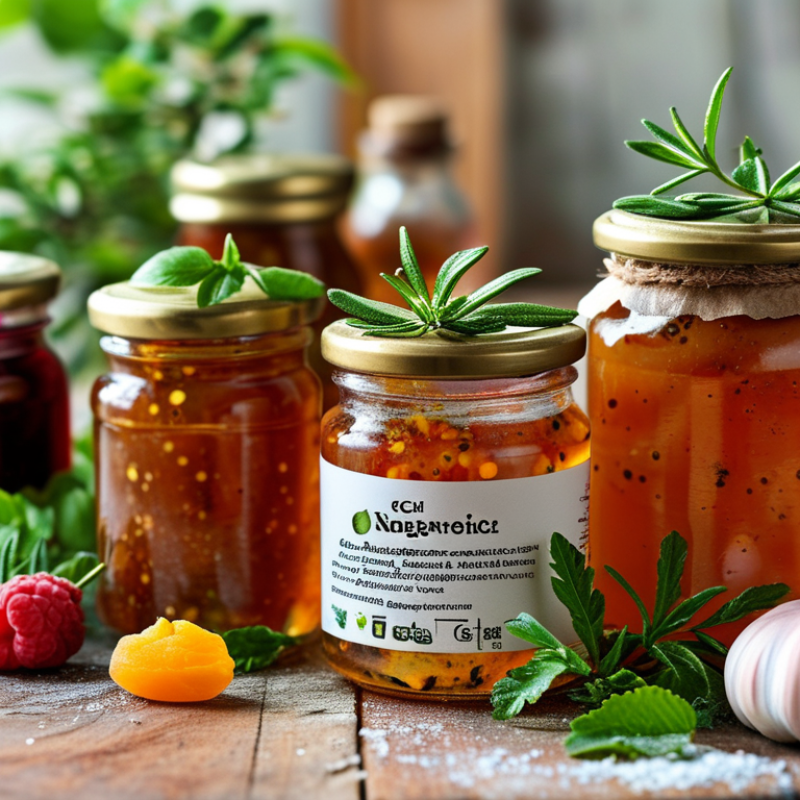
Natural preservatives are substances from plants, animals, minerals, or fermentation. They slow microbial growth, oxidation, or texture loss. Salt, organic acids, plant extracts, and tocopherols can serve different functions. “Natural” describes origin, not automatic safety. Safety comes first. The World Health Organization estimates that contaminated food causes 600 million illnesses and 420,000 deaths yearly (WHO, 2022).
Choosing one requires practical checks. Confirm its identity, source, purity, and intended function. Measure the product’s pH and water activity before testing. Match the preservative to likely organisms, including yeasts, molds, and pathogens. Review dosage limits and local food regulations. Check sensory effects, such as bitterness, color changes, or a sharp aftertaste. Test compatibility with packaging and processing temperatures. Request a certificate of analysis from the supplier. Use challenge testing and real-time shelf-life studies. Document every result.
Preservation also reduces avoidable waste. FAO reported that 13.2% of food is lost globally before retail in its 2023 report. However, extending shelf life without controlling pathogens can create false confidence. A clean-looking sauce may still be unsafe. My own first assumption would be simple: a plant extract should be gentler. That assumption needs evidence. Validate performance in the finished food, not only in a laboratory sample. Recheck results after opening, refrigeration, and repeated handling.
Before choosing a natural preservative, define what the food must withstand. A chilled soup faces different risks than a dry granola bar. Measure pH, water activity, moisture, salt, sugar, and oxygen exposure. These details reveal whether bacteria, yeast, mold, or oxidation is the main concern. A creamy dressing may look stable, yet repeated opening can introduce microbes from spoons and air. That risk is easy to underestimate.
Review the full process, not just the recipe. Record heating temperatures, cooling speed, filling conditions, package type, and storage time. Natural preservatives may support safety, but they rarely repair poor sanitation or weak packaging. Small changes matter. A lower pH can improve control, while excess acidity may damage flavor and texture. Test the food in its final container under realistic conditions, including temperature changes during delivery.
Microbiological testing and shelf-life studies provide stronger evidence than appearance alone. I once assumed a dry product was low-risk, but moisture collected near the seal and mold appeared there first. That mistake reinforced a practical lesson: inspect the vulnerable points, not only the center of the product.
Check local food regulations and permitted-use levels before formulation. A qualified food scientist or laboratory can help interpret results, especially when several risks overlap.
Choosing a natural preservative requires more than reading “clean label” claims. Compare performance under real processing conditions. Measure microbial control, not just laboratory promises. Check whether it works at your product’s pH, water activity, salt level, and storage temperature. Test the finished recipe.
Use challenge testing with qualified food microbiologists. Examine yeast, mold, and relevant bacteria separately. Watch for flavor changes, cloudiness, sediment, or color fading. A preservative that protects safety but ruins taste may fail commercially. Small pilot batches reveal problems early.
Review safety data for the proposed use level. Consider allergies, dietary restrictions, sensitive consumers, and possible interactions with packaging. Natural does not automatically mean risk-free. This point is easy to overlook. Request specifications, purity information, contaminant limits, and lot records from suppliers. Independent verification is better than relying on a sales sheet.
Regulatory status needs equal attention. Confirm the ingredient’s permitted function, maximum level, labeling requirements, and food categories in every target market. Rules differ by country and can change. Check current government databases or consult a qualified regulatory specialist. Do not assume approval for one product allows another. Keep written evidence for each decision.
Compare efficacy, safety, cost, sensory impact, and regulatory complexity together. A cheaper option may require stricter refrigeration or shorter shelf life. A stronger option may need warning labels or reformulation. Recheck results after distribution simulations. Real transport can be warmer and rougher than planned. Document failures too; they often improve the next formulation.
Comparison of preservative efficacy, safety, and regulatory status
How to read this chart: The scores are evidence-based screening ratings from 1 to 5, intended for early formulation comparisons rather than as a substitute for product-specific validation. Efficacy reflects antimicrobial breadth and performance reported for common food applications. Safety reflects the availability of established toxicological evaluations, including JECFA acceptable daily intake information. Regulatory readiness reflects the extent of established use under international food-additive frameworks; requirements vary by country, food category, concentration, and labeling rules.
Practical guidance: Sorbates and benzoates are generally most effective in acidic foods. Organic acids such as acetic acid and lactic acid also contribute to pH control. Nisin is mainly useful against susceptible Gram-positive bacteria, while natamycin is primarily used for surface control of molds and yeasts. Rosemary extract can provide antioxidant protection, but its antimicrobial performance is more formulation-dependent.
Reference framework: Codex General Standard for Food Additives (GSFA), FAO/WHO Joint FAO/WHO Expert Committee on Food Additives (JECFA) evaluations, and applicable national food-additive regulations.
When choosing a natural preservative, start with the food’s sensory identity. A delicate oat drink may not tolerate a strong herbal note. A savory sauce might welcome it. Taste the preservative in the finished recipe, not in water alone. That small test can reveal bitterness, heat, or an unexpected aftertaste.
Texture needs equal attention. Some acidic ingredients thin dairy-style emulsions, while mineral salts may increase firmness or create sediment. Watch the product after one day, one week, and its intended shelf life. Check viscosity, color, separation, and mouthfeel at serving temperature. I once treated a stable-looking sample as finished; it later developed a grainy texture. That mistake was useful, but avoidable.
Processing conditions can change performance. Heat, oxygen, moisture, pH, and packaging all influence preservation. Add heat-sensitive ingredients after cooling when the process allows it. Measure pH with a calibrated meter, and record every batch change. Challenge testing and laboratory verification provide stronger evidence than a promising kitchen trial. Regulations and permitted-use levels also vary by region. A clean label is not enough. The preservative should protect safety without masking the food’s character.
Choosing a natural preservative begins with a realistic testing plan, not a fashionable ingredient list. Measure pH, water activity, microbial counts, colour, aroma, and texture. Test the finished recipe, packaging, and expected storage conditions together. A preservative that works in a laboratory broth may fail in a sauce containing fat, salt, or plant proteins. The FDA Food Code 2022 identifies 5°C (41°F) as the maximum cold-holding temperature for many time-temperature-controlled foods. Build challenge tests around that limit and include abuse conditions, such as brief exposure to 10°C.
Dosage requires evidence. Run a concentration range, such as three carefully selected levels, then compare microbial performance with sensory acceptance. Stay within the applicable limits in the Codex General Standard for Food Additives and national regulations; “natural” does not mean unlimited or automatically safe. JECFA evaluations also show that safety depends on exposure, purity, and the specific substance. Our first test plan may look precise but still miss yeast growth after opening. That weakness deserves another study.
Labeling should use the legally accepted ingredient name and declare allergens separately where required. Keep batch records linking dosage, supplier specifications, test results, and expiry decisions. Storage instructions must match the evidence: “refrigerate after opening” is meaningful only when validated. Record refrigerator temperatures, seal integrity, and opening dates. A 2023 International Food Information Council survey found that 60% of consumers consider freshness important when choosing food, yet freshness claims can mislead without measurable controls. Do not promise extended freshness when the package was tested only under ideal conditions.
| Tip | Decision Area | Practical Recommendation | Indicative Starting Data | Testing Plan | Labeling Consideration | Storage Control |
|---|---|---|---|---|---|---|
| 1 | Define the target hazard | Identify whether the main risk is yeast, mold, bacteria, oxidation, or a combination. Select a preservative that addresses the actual failure mode rather than relying on the word “natural.” | Organic acids are generally more useful against yeasts and molds in acidic foods; nisin is primarily used against selected Gram-positive bacteria; rosemary extract and tocopherols mainly slow oxidation. | Use product-specific challenge testing with the relevant spoilage organisms and pathogens identified by the hazard analysis. | Use the legally recognized ingredient name required in the target market. “Natural” claims may have separate regulatory requirements. | Control sanitation, seal integrity, oxygen exposure, and temperature in addition to the preservative. |
| 2 | Check food pH first | Measure finished-product pH, not only the formulation target. Many preservatives work better when a larger proportion is in the undissociated form. | Foods with a pH of 4.6 or below are generally considered acid foods for U.S. safety rules, but the applicable process and regulation depend on the product and jurisdiction. | Measure pH from multiple production lots using a calibrated meter at a defined temperature. | Declare acidulants and preservatives according to local rules; ingredient order may be affected by the amount used. | Monitor pH during shelf life because fermentation, ingredient variation, or package interaction can change acidity. |
| 3 | Match the preservative to the matrix | Consider water activity, fat content, protein, salt, starch, emulsions, and processing conditions before selecting a system. | Potassium sorbate is commonly used in acidic foods for yeast and mold control; vinegar or lactic acid can support acidification; rosemary extract is more relevant to lipid oxidation than microbial growth. | Test the preservative in the complete recipe, including packaging and expected process variation. | Check whether the ingredient is declared as a preservative, antioxidant, acid, or another functional category in the destination market. | Control water activity where possible through drying, soluble solids, salt, or humectants, while verifying the finished product. |
| 4 | Set a dosage range, not a single guess | Start with a scientifically justified low, middle, and high level, then select the lowest effective concentration that meets safety, quality, and legal requirements. | Indicative screening ranges may include 0.05–0.20% potassium sorbate, 0.05–0.20% sodium benzoate, or 0.10–0.50% vinegar-derived acetic acid system, but permitted limits vary by food category and country. | Compare at least three concentrations against an untreated control and a qualified benchmark process. | Confirm maximum permitted use levels, purity specifications, and category-specific rules before commercialization. | Use calibrated weighing equipment and verify preservative concentration during production checks. |
| 5 | Use hurdle technology | Combine moderate hurdles such as pH, water activity, heat treatment, refrigeration, protective atmosphere, and hygienic filling instead of depending on one ingredient. | A multi-hurdle system can reduce the required preservative level, but every hurdle must be validated for the specific product. | Run factorial or sequential trials to identify interactions between pH, water activity, process lethality, and preservative dosage. | Declare each functional ingredient and avoid implying that a preservative alone guarantees safety. | Define critical limits for temperature, time, oxygen, package seal, and refrigeration throughout distribution. |
| 6 | Plan microbial challenge testing | Test realistic spoilage organisms and relevant pathogens using a qualified laboratory and a documented protocol. | Include yeast and mold for acidic or bakery products; include relevant bacterial targets for ready-to-eat foods based on the hazard analysis. | Use multiple lots, appropriate inoculum levels, defined sampling intervals, and acceptance criteria linked to shelf-life claims. | Keep test records supporting the product specification, process controls, and any “no artificial preservatives” or similar claim. | Test under normal, accelerated where justified, and reasonably foreseeable abuse conditions. |
| 7 | Check sensory and nutritional impact | Evaluate flavor, aroma, color, texture, aftertaste, and nutrient stability at the proposed dosage. | Acetic acid can add a vinegar note; citric acid increases acidity; rosemary extracts may contribute herbal notes; ascorbic acid can affect oxidation behavior and flavor balance. | Use trained or consumer sensory panels with coded samples and compare treated products with a control. | Ensure the ingredient declaration and product description accurately reflect the formulation and do not create misleading expectations. | Protect light-sensitive or oxygen-sensitive ingredients with suitable packaging and storage conditions. |
| 8 | Verify label and regulatory status | Confirm that the selected substance is permitted for the specific food category, use level, and market. | “Natural” has no single worldwide legal definition. A substance may be naturally derived yet still require a specific additive name or functional-class declaration. | Conduct a regulatory review before pilot production and repeat it when the recipe, supplier specification, or destination market changes. | Review ingredient name, functional class, allergen status, processing-aid status, carry-over rules, and claim wording. | Maintain supplier certificates, specifications, lot traceability, and certificates of analysis where required. |
| 9 | Validate packaging compatibility | Check whether the preservative can migrate, adsorb to packaging, react with oxygen, or accelerate package discoloration or corrosion. | Low-pH foods and organic acids may require careful evaluation of closures, liners, coatings, and metal contact surfaces. | Perform package-compatibility, seal-integrity, migration, and headspace-oxygen checks under intended storage conditions. | Make sure the declared net contents, storage statement, date marking, and handling instructions remain accurate for the final package. | Use oxygen barriers, light protection, refrigeration, or modified atmosphere when supported by validation data. |
| 10 | Set shelf-life and storage controls | Establish shelf life from real-time evidence supported by appropriate accelerated studies, not from preservative dosage alone. | Define measurable limits for microbial counts, pH, water activity, oxidation markers, sensory quality, and package performance. | Sample at release and throughout shelf life across multiple lots, including the end-of-life acceptance point. | State storage conditions clearly, such as “keep refrigerated,” and include use-after-opening guidance when applicable. | Monitor temperature, humidity, light exposure, stock rotation, transport duration, and cold-chain deviations. |
Measure pH, water activity, moisture, salt, sugar, and oxygen exposure. A chilled soup needs different protection than a dry granola bar. Inspect seals too.
Record heating, cooling speed, filling conditions, packaging, and storage time. Weak sanitation can defeat a useful preservative. Small process changes matter.
Test bacteria, yeast, and mold separately. Include organisms that fit the food’s acidity and moisture. Do not trust appearance alone.
Test the finished recipe inside its final package. Include temperature changes during delivery and brief warm exposure. A laboratory broth may behave differently from a thick sauce.
Compare several carefully selected levels. Measure microbial control, flavor, aroma, color, and texture. More is not automatically better.
Request purity details, contaminant limits, specifications, and lot records. Review allergy concerns and dietary restrictions. Natural does not mean risk-free.
Confirm permitted uses, maximum levels, food categories, and labeling rules. Requirements differ across markets and may change. Keep written evidence for every decision.
Match storage instructions with validated test results. Record refrigerator temperatures, opening dates, and seal condition. “Refrigerate after opening” needs evidence.
A product may seem dry, while moisture gathers near the seal. Mold can begin there first. Our initial plan may miss yeast after opening. That deserves another study.
Choosing Natural Preservatives For Food requires more than selecting an ingredient labeled “natural.” These substances help slow microbial growth, oxidation, and spoilage, supporting food safety and extending shelf life when used correctly. Start by identifying the product’s main risks, including moisture level, acidity, oxygen exposure, processing conditions, and expected storage time. This assessment helps determine which preservation approach is suitable for the food and its distribution environment.
A practical selection should balance preservation effectiveness, safety, permitted use, and regulatory requirements in the intended market. The preservative must also suit the food’s flavor, aroma, color, texture, and processing method without creating unwanted changes. Before commercial use, conduct controlled testing to establish the appropriate dosage, verify stability throughout storage, and confirm that packaging and temperature controls provide additional protection. Clear labeling and accurate handling instructions are also essential for transparency, quality management, and consistent results.
