
In recent years, the demand for Sodium hypochlorite thickener has significantly increased. Industry experts have highlighted the importance of choosing reliable suppliers. Dr. Jane Liu, a renowned chemical engineer, once stated, “Choosing the right thickener can enhance the effectiveness of sodium hypochlorite solutions.” This insight underscores the critical role that thickeners play in the performance of cleaning and disinfecting products.
China has emerged as a key player in the Sodium hypochlorite thickener market. The country is home to several top suppliers known for innovation and quality. These companies focus on producing effective and safe thickeners tailored for various applications. Understanding their offerings can help businesses make informed decisions.
However, it is essential to remain cautious. Not all suppliers guarantee consistent product quality. Companies must conduct thorough research before partnering with any supplier. Evaluating the reputation and reliability of suppliers is crucial for ensuring the effectiveness of sodium hypochlorite formulations. The thickener should meet both performance and safety standards to avoid complications down the line.
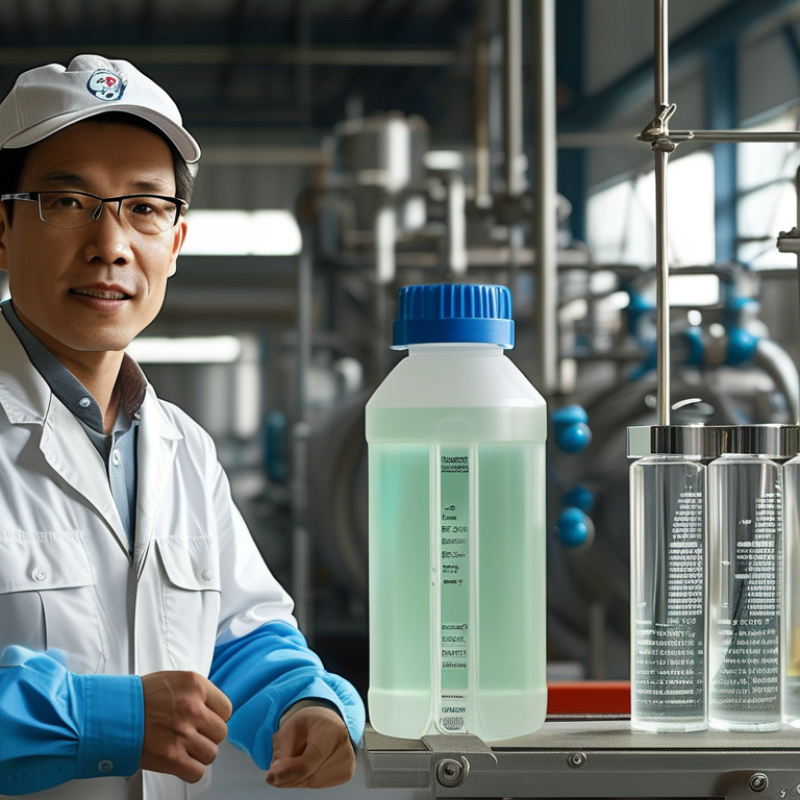
Sodium hypochlorite is a widely used chemical, particularly known for its applications in disinfection and bleaching. This compound has a strong oxidizing property, making it effective for killing bacteria and viruses. Industries use it for sanitation in water treatment and food processing areas. However, its usage requires careful handling due to potential hazards.
In addition to its disinfectant properties, sodium hypochlorite is also employed in textile and paper industries for its bleaching capabilities. The effectiveness in these applications leads to significant demand for suitable thickeners. Thickeners help to modify the viscosity, ensuring even distribution when applied. This is vital for efficiency in various processes. Yet, finding the right thickener can be challenging and should be done with due diligence.
There can be setbacks in sourcing compatible thickeners, as not all options will match sodium hypochlorite's reactive nature. Some thickeners may not gel properly, while others could react negatively. Thus, suppliers must have a deep understanding of the chemistry involved. Recognizing the limitations and exploring multiple suppliers can provide better options for industry professionals.
Thickeners play a critical role in the production of sodium hypochlorite. They ensure the stability and effectiveness of the chemical solution. According to recent industry reports, the use of thickeners can enhance the viscosity of sodium hypochlorite, improving its interaction with other chemicals. This is vital for maintaining product integrity during storage and application.
Recent studies show that sodium hypochlorite concentrations can reach upwards of 12%, making it essential to use appropriate thickeners. The right thickener can significantly impact the chemical’s efficacy. For instance, some thickeners help maintain consistent viscosity even at high concentrations. This consistency is crucial for achieving desired results.
Choosing the right supplier for thickeners is equally important. A reliable supplier ensures quality and compliance with safety standards. According to industry professionals, sourcing from top thickener suppliers can lead to better production outcomes. Evaluating thickeners based on performance data is key. Not all thickeners provide the same benefits, and product selection should align with specific production needs. Weighing options carefully can lead to improved quality control and efficiency in sodium hypochlorite production.
In the realm of sodium hypochlorite thickeners, the characteristics of effective products stand out as vital. A primary attribute is viscosity stability. This stability ensures that the thickener maintains its consistency over time, even under varying temperatures and pH levels. According to industry studies, thickeners exhibiting stable viscosity contribute to a 30% increase in product performance.
Another essential quality is solubility. A good sodium hypochlorite thickener dissolves rapidly in water, enhancing the efficiency of the overall formulation. Research indicates that thickeners with higher solubility demonstrate a 25% improvement in product usability, which is crucial for various applications. Additionally, the compatibility with sodium hypochlorite solutions is key, minimizing reactions that could degrade the thickener.
Cost-effectiveness cannot be overlooked. While premium thickeners may boast superior performance, they are not always the best choice for budget-conscious manufacturers. Balancing quality and cost is necessary. Industry reports suggest that the optimal thickener is one that can achieve desired viscosity at a lower cost, thus providing an attractive return on investment. Choosing the right supplier is equally important. Finding partners that prioritize reliability and quality in manufacturing processes can lead to better long-term outcomes.
China’s sodium hypochlorite thickener market is experiencing significant growth. According to recent industry reports, the market value is expected to exceed $500 million by 2025. This surge indicates the increasing demand for sodium hypochlorite, particularly in water treatment and sanitation sectors. Manufacturers are focusing on enhancing product quality while ensuring compliance with environmental standards.
Leading suppliers in China are investing in advanced technology to improve their production processes. Many firms are adopting innovative thickening agents that enhance the stability and effectiveness of sodium hypochlorite solutions. As a result, manufacturers are able to produce thicker formulations with better shelf life. Data indicates that high-performance thickeners can increase product effectiveness by up to 30%, making them more appealing to industrial consumers.
Despite these advancements, challenges remain. Some suppliers struggle with sourcing sustainable raw materials. This can impact the overall quality and pricing of the products. Additionally, the fluctuating costs of raw materials create uncertainty in the market. Suppliers must navigate these issues while maintaining quality and meeting the diverse needs of customers. This dynamic landscape presents both opportunities and challenges for players in the sodium hypochlorite thickener industry.
Sodium hypochlorite thickeners play a vital role in various applications, including water treatment and sanitation. As industries evolve, the demand for effective thickeners rises. Recent trends indicate a shift towards eco-friendly and sustainable formulations. Manufacturers must adapt to these changes to remain competitive.
Technical advancements in formulation techniques are also noteworthy. New methods enhance the consistency and performance of thickeners. However, challenges remain. Some suppliers struggle with sourcing raw materials sustainably. Others face regulatory hurdles. These obstacles highlight a need for innovation in supply chains.
Looking ahead, the market for sodium hypochlorite thickeners is expected to grow steadily. Emerging markets, particularly in Asia, show promising potential. Increased investment in cleaning and sanitation solutions fuels this demand. To succeed, suppliers must prioritize reliability and efficiency. Collaboration between suppliers and manufacturers will drive breakthroughs in product development.
: Sodium hypochlorite is mainly used for disinfection and bleaching in various industries.
Thickeners improve the stability and viscosity of sodium hypochlorite, enhancing its effectiveness and storage.
Effective thickeners ensure consistent viscosity, potentially increasing product performance by up to 30%.
It's important to consider viscosity stability, solubility, compatibility, and cost-effectiveness when choosing thickeners.
No, not all thickeners are compatible, as some may react negatively or fail to gel properly.
Thickeners that dissolve rapidly in water can enhance usability, providing up to a 25% improvement in applications.
High concentrations require suitable thickeners to maintain effectiveness and prevent degradation of the solution.
A reliable supplier ensures quality compliance, leading to better production outcomes and efficiency.
Finding thickeners that match sodium hypochlorite’s reactive nature can be difficult and requires careful consideration.
Not necessarily. Budget-conscious options can also perform well, so balancing quality and cost is crucial.
Sodium hypochlorite thickeners play a crucial role in enhancing the stability and effectiveness of sodium hypochlorite solutions used in various applications, including disinfection and bleaching. The production of sodium hypochlorite heavily relies on effective thickeners to ensure proper viscosity and performance, which is essential for both commercial and industrial use.
In China, leading suppliers of sodium hypochlorite thickeners are increasingly recognized for their quality products that meet the dynamic market demands. As the industry evolves, understanding the key characteristics of effective thickeners becomes vital for manufacturers seeking to optimize their production processes. Furthermore, market trends suggest a growing focus on eco-friendly and efficient thickening agents, paving the way for innovative solutions in the sodium hypochlorite sector.
