In the food industry, the choice of thickener is crucial. Thickeners play an integral role in achieving the desired texture and consistency of many products. They are used in sauces, soups, and desserts, enhancing both visual appeal and mouthfeel. However, selecting the right thickener can be challenging due to the many available options.
Several factors affect the decision-making process. These include the thickener's source, functionality, and compatibility with other ingredients. Some thickeners perform exceptionally well in specific applications yet may not be suitable for others. For instance, while cornstarch is widely used, it may not always provide the right consistency in gluten-free products. Evaluating options critically can help identify the most suitable thickening agent.
As consumers become more health-conscious, the demand for natural thickeners is on the rise. This shift pushes food manufacturers to reconsider their ingredient choices. Some may find their traditional options do not meet modern dietary preferences. Thus, understanding the properties and applications of each thickener is essential for success in today's competitive market.
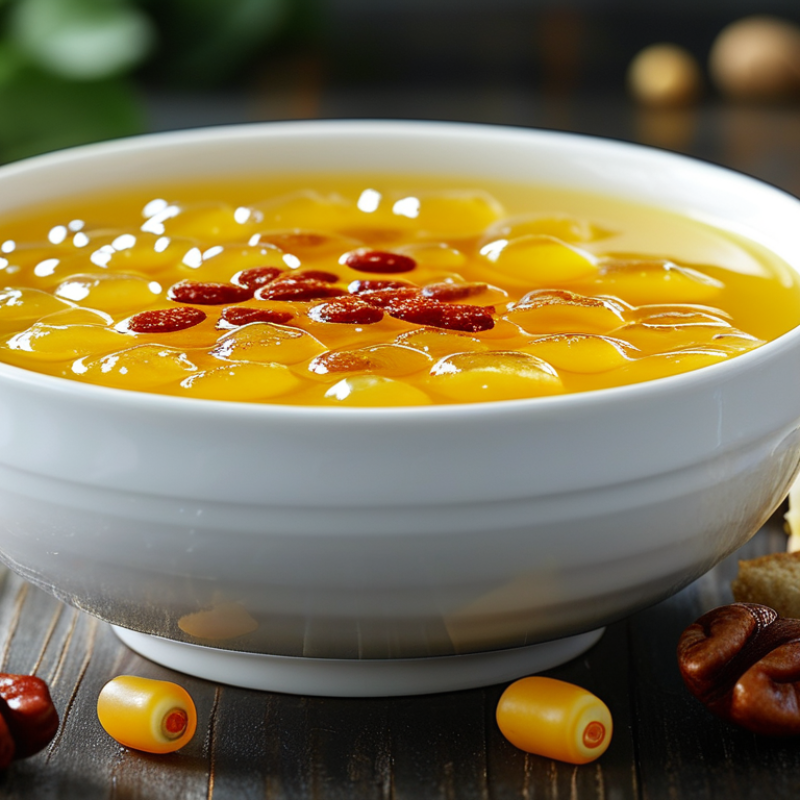
Top 10 Thickeners: An Overview of Their Functionality in the Food Industry
Thickeners play a critical role in the food industry. They enhance texture, stability, and mouthfeel in various products. According to a 2021 industry report, the market for food thickeners is expected to reach $6 billion by 2025. This growth highlights their importance in food formulation.
Different thickeners serve various functions. For example, starches are widely used for their cost-effectiveness and versatility. Gums, like guar and xanthan, offer unique properties that can improve product consistency. However, not all thickeners behave the same. Some can create off-flavors, or not perform as expected under different temperatures.
A report by the Food Ingredients Association noted that 70% of food developers seek thickeners that provide clean-label solutions. More consumers demand transparency in their food. This trend pushes companies to rethink their thickening agents. Balancing functionality with consumer expectations is a challenge. The right choice can significantly impact the final product's acceptance.
Understanding Viscosity: How Thickeners Affect Food Texture and Stability
In the food industry, viscosity plays a crucial role in determining texture. Thickeners influence the mouthfeel, stability, and overall enjoyment of food products. Understanding how thickening agents affect viscosity can lead to better product formulations and consumer satisfaction. For instance, according to a 2021 market analysis, the global demand for food thickeners is projected to grow at a CAGR of 4.5% from 2022 to 2028. This reflects an increasing recognition of the importance of texture in food products.
Thickeners like guar gum and xanthan gum create a creamy texture that consumers often seek. These agents not only enhance flavor but also prolong shelf life by maintaining product stability. Interestingly, while many food manufacturers focus on flavor, a 2020 report by the Food Texture Society indicated that approximately 70% of consumers prioritize texture over taste. This shift in consumer preference highlights the need for careful selection of thickening agents.
Tip: Experiment with different thickeners at small scales before full product launch. Each thickener has unique properties that can alter the final product’s viscosity. Reflect on how different textures impact consumer perception. Keep track of which combinations yield the best results, as this could be a differentiating factor in a competitive market.
Comparative Analysis: Natural vs. Synthetic Thickeners in Food Production
In the food industry, thickeners play a crucial role in product texture and stability. A comparative analysis between natural and synthetic thickeners reveals key insights. Natural thickeners like xanthan gum and guar gum are derived from plants and microorganisms. They often provide a cleaner label for products, appealing to health-conscious consumers. However, their effectiveness can vary based on environmental conditions, and they may require more precise dosing.
On the other hand, synthetic thickeners such as xanthan gum derivatives offer consistency and reliability. Reports indicate that synthetic options are often more potent, requiring less quantity to achieve similar viscosity levels. Yet, consumer preferences are shifting toward natural ingredients. This creates a challenge for manufacturers balancing cost and consumer expectation.
Tips: When selecting thickeners, consider your target market's preferences. Natural thickeners might suit clean-label products, while synthetic thickeners could be more practical for high-volume production. Always evaluate the end product's texture and shelf stability. A well-rounded approach can enhance both quality and market appeal, despite the imperfections you might encounter in sourcing and formulation.
Application Guide: Choosing the Right Thickener for Various Food Products
When selecting a thickener for food products, consider several factors. Different food types require different textural qualities. For sauces, a smooth thickener like modified starch works well. It provides a silky texture, enhancing the overall mouthfeel. On the other hand, for soups, a natural thickener like guar gum can provide a more rustic, hearty consistency.
Dairy products often benefit from stabilizers. They ensure a consistent texture and prevent separation. Pudding may require a starch-based thickener to achieve the right creaminess. For gluten-free baking, options like xanthan gum can help replicate the elasticity of gluten in bread. It's essential to understand how each thickener interacts with ingredients to ensure the desired outcome.
However, there can be challenges. Over-thickening can lead to undesirable textures. It’s vital to experiment with small batches first. Keeping in mind the viscosity, flavor, and appearance is crucial. Each thickener has a unique function. Make sure to test and adapt based on your recipes. Learning through experience is a valuable part of the process.
Top 10 Thickeners for Food Industry
Regulatory Standards: Safety and Compliance for Food Thickeners in the Market
When selecting food thickeners, understanding regulatory standards is crucial. Compliance ensures that ingredients are safe for consumption. In many countries, food thickeners must meet standards set by food safety agencies. According to a recent industry report, the global food thickener market is expected to grow significantly, with increased demand for safe and compliant products.
Thickeners like xanthan gum and guar gum are widely used. They undergo rigorous testing to meet safety regulations. The safety assessment involves checking for allergens and toxicity. Consumers increasingly seek information on the origins and safety of these additives. This shift pushes manufacturers to focus on transparency in their ingredient sourcing.
Tip: Always check for certifications that confirm compliance with local and international safety standards.
The challenge remains in balancing functionality and safety. Some natural thickeners may perform poorly compared to synthetic ones. This has led to debates about their efficacy and safety. While natural options may seem preferable, they might not always meet the desired viscosity.
Tip: Consider the specific application when choosing a thickener. Not all thickeners perform equally in different food products.
FAQS
: Thickeners enhance texture, stability, and mouthfeel in various food products.
The market for food thickeners is projected to reach $6 billion by 2025 due to growing food formulation needs.
Starches, gums like guar and xanthan are popular for their cost-effectiveness and unique properties.
Thickeners influence viscosity, enhancing mouthfeel and prolonging product shelf life.
Some thickeners can create off-flavors or vary in performance under different environmental conditions.
Many consumers prioritize texture over taste, so consider how thickening agents impact perception.
Experiment with different thickeners at small scales; track combinations that yield the best results.
Natural thickeners are plant-derived and promote a clean label, while synthetic thickeners offer consistency.
A shift toward natural ingredients pressures manufacturers to balance costs and consumer expectations.
Consider your target market's preferences and the impact on texture and stability.
Conclusion
The article "Top 10 Thickeners for Food Industry: What to Choose?" provides a comprehensive overview of the various thickening agents used in food production, highlighting their functionality and the crucial role they play in enhancing food texture and stability. It delves into the science of viscosity, explaining how different thickeners interact with food products to achieve desired consistency.
Furthermore, the article conducts a comparative analysis of natural versus synthetic thickeners, guiding readers on selecting the most suitable thickener based on the specific requirements of various food items. It also addresses the importance of regulatory standards, ensuring that food thickeners comply with safety regulations, which is essential for consumer protection and industry reliability. This informative guide serves as a valuable resource for anyone in the food industry looking to understand and choose the right thickening agents for their products.