
Top Thickening Powder for Liquids Suppliers Worldwide

Time:2026-10-29 Author:Oliver
0%

Thickening Powder For Liquids serves a practical purpose: it helps manufacturers and care providers prepare drinks with more consistent textures. Yet consistency is not guaranteed by the powder alone. Mixing method, temperature, standing time, and the liquid itself can all change the result. A cup tested at the production line may behave differently after transport or preparation.

The World Health Organization’s Ageing and Health fact sheet projects that one in six people worldwide will be aged 60 or older by 2030. This demographic shift adds relevance to products used in dysphagia care, though it does not by itself predict demand for any supplier. For practical guidance, buyers can consult the International Dysphagia Diet Standardisation Initiative (IDDSI) Framework, which sets shared descriptions and testing methods for drink thickness. Dysphagia researcher Dr. Julie Cichero has contributed to this work. Its central lesson is worth keeping close: test the prepared drink, not just the ingredient specification.

Supplier comparisons should therefore examine more than price per kilogram. Ask for batch consistency data, clear preparation instructions, shelf-life evidence, and support for testing finished drinks. Food-thickener market reports can help map the wider category, but their estimates may combine products with very different uses. That matters. A supplier’s brochure can look precise while leaving real-world mixing questions unanswered. Look closely, and verify claims with samples.
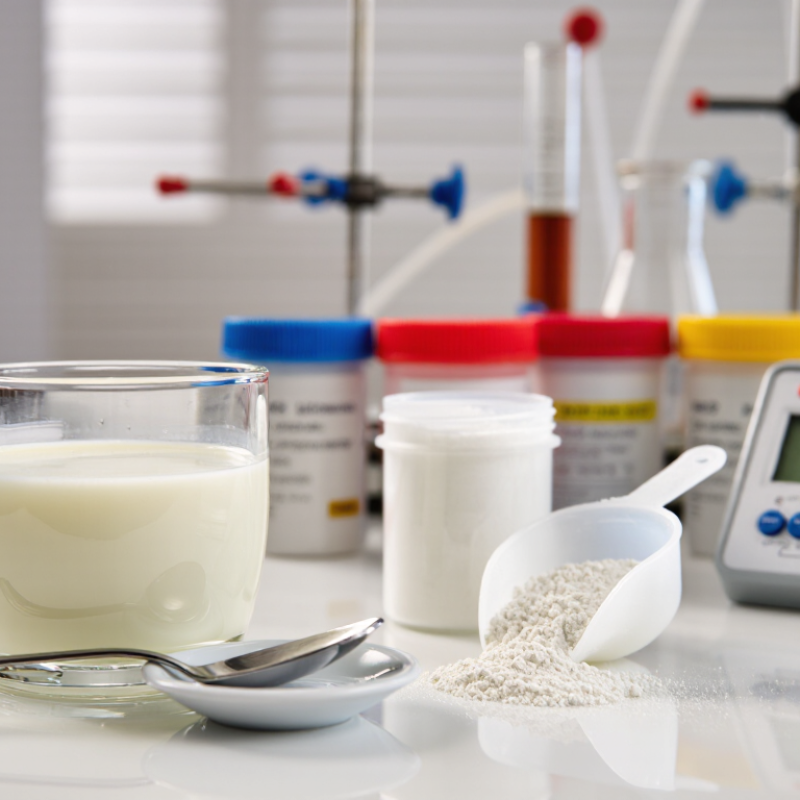
Top Thickening Powder for Liquids Suppliers Worldwide

What Thickening Powders for Liquids Are and How They Work

Thickening powders are dry ingredients that increase a liquid’s resistance to flowing. They may contain starches, plant-derived gums, or other food-grade polymers. When dispersed in water or another suitable liquid, these materials absorb moisture, swell, or form networks that slow movement. The result can range from a lightly coated drink to a spoonable mixture. Small changes matter.

The thickening process depends on the powder and the liquid. Some ingredients hydrate quickly in cool water; others need heat or careful mixing. A spoonful added too fast can form dry-centered lumps, while gradual sprinkling and steady stirring often help. Acidity, salt, temperature, and mixing time can also affect the final texture. A useful test is to let a small sample stand, then check whether it pours evenly.

The explanation sounds tidy, but real liquids are less cooperative. A powder that works in a thin juice may behave differently in a protein-rich or acidic base. Suppliers should provide clear specifications, including recommended use levels, hydration conditions, and storage guidance. Buyers can compare samples under their actual processing conditions rather than relying on appearance alone. Even then, texture preferences vary, and a slightly uneven result may reveal that the formula needs adjustment.

Common Ingredients and Product Types

Thickening powders for liquids usually rely on starches, gums, or a blend of both. Modified food starch is widely used because it can build body quickly and work in hot preparations. Some starches turn cloudy or feel pasty, though. That difference is easy to miss in a dry sample.

Xanthan gum and guar gum are common options for cold drinks and sauces. They can create a smooth, stable texture at low use levels, but poor mixing may leave small lumps. Cellulose-based ingredients can add body with less change to flavor. Gelatin is used in some applications, but it behaves differently as temperatures change. The best ingredient depends on the liquid, serving temperature, and desired thickness.

Suppliers commonly offer instant-mix powders, heat-activated starch blends, and gum-based formulations. Some are designed for beverages; others suit soups, gravies, or dairy-style products. Check the technical sheet for recommended dosage, mixing order, and viscosity testing conditions. A powder that thickens well in a beaker may behave differently in a large batch. Small details matter. Particle size, moisture protection, and clear allergen information can affect handling and consistency. It is worth testing the product with the actual liquid, not just water. That extra check is sometimes overlooked.

Global Supplier Landscape and Production Regions

Thickening powder suppliers are spread across regions with different strengths. East and South Asia host substantial ingredient processing and blending capacity, supported by established food and industrial supply chains. India also has suppliers near agricultural raw materials, though capabilities vary between facilities. Europe and North America include producers focused on precise particle sizing, documented quality systems, and application testing. The map is uneven. Regional presence alone does not prove dependable supply.

Production may involve milling, drying, blending, and screening powders to control texture and flow. For liquid applications, suppliers often assess dispersion, viscosity development, and stability under specified conditions. Buyers can ask for technical data, batch records, and samples tested in their own liquid base. A powder that disperses in water may behave differently in a sauce or beverage. Small details matter. Moisture exposure during storage can affect handling, while long shipping routes may add lead time and cost. Regional descriptions can also be vague; a supplier’s sales office may not be near its production site. That distinction deserves a closer look.

Top Thickening Powder for Liquids Suppliers Worldwide - Global Supplier Landscape and Production Regions
Thickener Typical Powder Type Key Production Regions Supplier Landscape Common Uses in Liquids Sourcing Considerations
Xanthan gum Fermentation-derived hydrocolloid powder China is a major production center; manufacturing also occurs in North America and Europe. Specialist fermentation producers and ingredient distributors supplying food, personal-care, and industrial grades. Sauces, dressings, beverages, and other liquids requiring suspension or viscosity control. Check grade, viscosity specification, hydration behavior, and applicable food or technical standards.
Guar gum Seed-derived galactomannan powder India is the leading cultivation and processing center; Pakistan is also an important source. Crop processors and milling operations supply food, feed, and industrial grades. Dairy products, sauces, soups, and other applications needing water binding or thickening. Crop availability, particle size, purity, and batch consistency can affect supply and performance.
Modified starch Modified maize, tapioca, potato, or wheat starch Produced in major crop-processing regions, including North America, Europe, China, Thailand, India, and Brazil. Large agricultural ingredient processors and regional starch converters offer a wide range of functional grades. Soups, gravies, fillings, beverages, and ready-to-eat liquid foods. Select for the required heat, acid, shear, and freeze-thaw stability; verify the starch source and labeling rules.
Cellulose gum (CMC) Water-soluble cellulose derivative powder Manufacturing is established in China, Europe, and North America. Cellulose-derivative manufacturers and specialty ingredient distributors serve food and non-food markets. Beverages, sauces, dairy products, and liquid formulations needing viscosity or suspension support. Confirm viscosity grade, substitution characteristics, purity, and compliance with the intended application.
HPMC and methylcellulose Cellulose ether powders with application-specific grades Production is concentrated in China, Europe, and North America. Cellulose ether producers supply food, pharmaceutical, construction, and personal-care markets. Used where thickening, stabilization, or controlled gel formation is required. These are distinct grades and uses; verify the grade is approved and suitable for the target liquid and market.
Alginate Brown-seaweed-derived alginate powder Seaweed processing and alginate production are found in East Asia and parts of Europe, including coastal regions with established seaweed industries. Seaweed extractors and hydrocolloid processors supply different viscosity and functionality grades. Beverage stabilization, food textures, and applications where calcium-triggered gel formation is useful. Assess viscosity, solubility, calcium sensitivity, and the origin and consistency of seaweed raw materials.
Pectin Citrus-peel or apple-pomace-derived powder Processing occurs in Europe, China, and citrus-producing regions of Latin America. Fruit-processing and hydrocolloid specialists supply grades with different setting and thickening properties. Fruit preparations, acidic beverages, sauces, and other food liquids. Match the pectin type to pH, soluble-solids level, calcium content, and desired texture.
Locust bean gum Carob-seed endosperm gum powder The Mediterranean basin, including Spain, Italy, and Morocco, is an important carob-growing and processing region. Carob processors and hydrocolloid suppliers provide food-grade and industrial materials. Dairy products, sauces, and stabilizer blends; often used with other gums. Crop season and seed quality can influence availability; check hydration requirements and blend performance.
Konjac glucomannan Konjac-tuber-derived glucomannan powder China is a major cultivation and processing region; production and use also occur in Japan and other parts of East Asia. Agricultural processors and hydrocolloid suppliers offer differing purification and viscosity grades. Specialty foods, thickened beverages, and formulations requiring strong water binding. Check purity, hydration method, viscosity, and any market-specific limits for the intended use.

Regional descriptions are qualitative and indicate established production or processing areas, not supplier rankings or market-share estimates. Actual availability depends on grade, origin, regulatory requirements, and current supply conditions.

How to Compare and Select a Supplier

Choosing a thickening powder supplier starts with the liquid you need to produce. A beverage, sauce, and nutritional formula may require different flow and texture. Share your target viscosity, mixing equipment, processing temperature, and serving conditions with each supplier. Ask for technical data showing how the powder performs at your intended concentration. Small differences matter.

Compare more than the quoted price. Review product specifications, batch testing, shelf-life information, and documentation for food safety and traceability. Request a sample and test it using your own water quality, mixing speed, and holding time. Look for clumps, settling, or changes after refrigeration. A smooth result in a supplier’s laboratory may not behave the same way on your production line. That gap deserves attention.

Supply reliability matters across borders. Confirm minimum order quantities, typical lead times, packaging options, and how the supplier manages delayed shipments. Ask whether technical staff can help troubleshoot hydration or texture problems. Clear answers are useful. Vague promises are not. One practical check is to compare several production batches, rather than judging a supplier from one sample. I would also record what did not work; those notes can prevent a confident but costly choice later.

Quality, Safety, and Regulatory Standards

A reliable thickening powder supplier should provide clear specifications for each product and batch. Check the stated viscosity range, moisture level, particle size, and performance across relevant temperatures. These details help buyers assess whether a powder will disperse evenly in their liquid process. Small differences matter.

Ask for a current certificate of analysis, safety data sheet, allergen information where relevant, and traceability records. For food or other regulated applications, confirm that the material is permitted for the intended use in the destination market. Requirements differ by product and region, so broad claims of “global compliance” deserve careful review. Keep dust exposure and safe handling in view; staff should have practical instructions and suitable protective equipment.

Documents are only part of the assessment. Run a controlled trial using the actual liquid, mixing equipment, and storage conditions. Record hydration time, clumping, texture, and viscosity after standing. A sample may behave well in a beaker but poorly in a production tank. That gap is worth acknowledging. Suppliers should explain how they investigate out-of-specification batches and communicate changes to composition or manufacturing. Audits and test results can add confidence, though no single document guarantees consistent performance.

Top Thickening Powder for Liquids Suppliers Worldwide: Quality, Safety & Regulatory Standards

IDDSI Flow Test: liquid remaining in a 10 mL syringe after 10 seconds

The chart summarizes IDDSI flow-test classification thresholds, a practical reference for checking the consistency of thickened drinks. These are framework thresholds, not product performance claims or supplier ratings. Follow the current IDDSI testing instructions and applicable local requirements when evaluating products.

FAQS

What are thickening powders for liquids?

They are dry ingredients that slow liquid flow. Starches and gums are common examples. Small changes matter.

How do these powders thicken a drink or sauce?

They absorb moisture, swell, or form networks. This creates anything from a lightly coated drink to a spoonable mixture.

How can I reduce lumps when mixing?

Sprinkle the powder gradually while stirring steadily. Some ingredients need heat or extra hydration time. A few lumps may still appear.

Why can the same powder behave differently in different liquids?

Acidity, salt, protein, and temperature can change its performance. A powder that works in juice may act differently in a sauce.

Which ingredients are commonly used?

Modified starch can build body quickly, especially in hot preparations. Xanthan and guar gums suit some cold liquids. Cellulose-based ingredients may add body with little flavor change.

What should I check before choosing a powder?

Review the technical sheet for dosage, mixing order, hydration conditions, and testing methods. Also check storage guidance and allergen information.

How can I test whether a powder suits my recipe?

Test a small sample in the actual liquid, not only in water. Let it stand, then check whether it pours evenly. This step is easy to overlook.

Does a supplier’s region guarantee reliable supply?

No. Regional presence alone does not prove dependable production or delivery. Ask about the production site, batch records, samples, and shipping lead times. The map can be misleading.

Conclusion

Thickening Powder For Liquids is designed to increase a liquid’s viscosity, helping create a smoother, more stable texture for food, beverages, and other suitable applications. Products may use ingredients such as starches, gums, or other food-grade thickening agents, each offering different performance in hot or cold liquids, clarity, flavor, and ease of mixing. Understanding these differences helps buyers choose a powder that fits the intended use and desired consistency.

Suppliers serve markets worldwide, with production and distribution shaped by regional ingredient availability and manufacturing capacity. When comparing options, consider product specifications, consistency between batches, technical support, supply reliability, packaging, and total cost. Quality and safety also matter: review relevant documentation, ingredient information, testing practices, and applicable regulatory requirements for the destination market. A careful evaluation of product performance and supplier standards can help businesses select a dependable solution for their needs.

Oliver

Oliver

Oliver is a seasoned marketing professional with a wealth of expertise in driving brand awareness and engagement. With a deep understanding of our company's product offerings, he consistently delivers high-quality content that enriches our professional blog. His insights not only shed light on......