The global market for Xanthan Gum Bulk is experiencing significant growth. According to a recent market analysis report by Grand View Research, the xanthan gum market is projected to reach USD 2.52 billion by 2025. This growth is driven by increasing demand in various industries, including food, pharmaceuticals, and cosmetics.
Xanthan Gum Bulk provides thickening and stabilizing properties, making it a crucial ingredient across many applications. The food sector, which accounts for over 40% of the total demand, uses it to enhance texture and consistency. Despite these benefits, buyers should consider sourcing strategies and quality assurance. Not all suppliers provide the same level of quality or certification.
Moreover, the versatility of xanthan gum is impressive. It works well in gluten-free formulations, which the market is increasingly demanding. However, potential buyers must also reflect on the environmental impact of sourcing and production. Balancing cost with sustainability remains a challenge. Understanding these dynamics will help global buyers make informed decisions regarding Xanthan Gum Bulk.
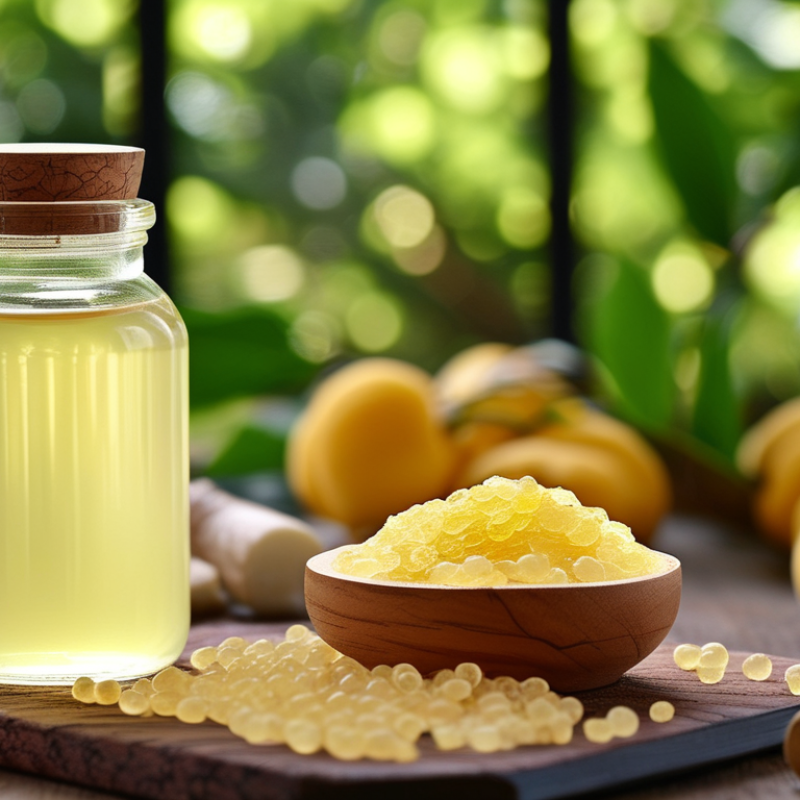
Overview of Xanthan Gum and Its Properties
Xanthan gum is a remarkable polysaccharide produced by the fermentation of sugar by Xanthomonas campestris bacteria. Its unique properties make it a valuable ingredient in various industries. Xanthan gum functions primarily as a thickening and stabilizing agent. It can increase the viscosity of liquids even in low concentrations. This ability is crucial in food products, cosmetics, and pharmaceuticals.
In food applications, xanthan gum enhances texture and mouthfeel. It helps maintain product consistency, preventing separation in salad dressings and sauces. Moreover, it is gluten-free, making it an excellent option for gluten-free baking. In personal care items, it provides smoothness and stability to creams and gels. However, the sourcing and production processes can sometimes lead to quality variations, which need careful scrutiny by buyers.
The potential of xanthan gum also lies in its sustainability. As a biopolymer, it is biodegradable, reducing environmental impact compared to synthetic alternatives. Yet, buyers must be mindful of sourcing practices to ensure ethical production. Understanding these properties and implications is essential for global buyers looking to harness the benefits of xanthan gum in their products.
Xanthan Gum Bulk Benefits for Global Buyers
Key Benefits of Xanthan Gum for Global Buyers
Xanthan gum is a powerful ingredient in many industries. Its unique properties make it a valuable asset for global buyers. One key benefit is its thickening ability. This natural gum can enhance viscosity, which is crucial in food production. Dishes can achieve a pleasing texture, contributing to overall quality.
Another advantage is its stability under diverse conditions. Xanthan gum performs well in varying temperatures and pH levels. This makes it suitable for a wide range of products. It can be used in sauces, dressings, and baked goods without losing effectiveness. The versatility offers manufacturers great flexibility in product development.
Moreover, xanthan gum is gluten-free. This characteristic appeals to a growing market of health-conscious consumers. It helps create gluten-free alternatives that satisfy a broader audience. However, its sourcing and production can present challenges. Buyers must ensure reliable suppliers who adhere to food safety standards. Understanding these dynamics is essential for maximizing the benefits of xanthan gum.
Applications of Xanthan Gum in Various Industries
Xanthan gum is a versatile ingredient widely used across various industries. This polysaccharide offers thickening and stabilizing properties that enhance product consistency. In the food industry, it's a popular additive for salad dressings, sauces, and gluten-free baked goods. It helps maintain texture and extends shelf life, appealing to both consumers and manufacturers. Its ability to maintain viscosity at different temperatures makes it invaluable.
In personal care, xanthan gum serves as a thickening agent in lotions and creams. It improves product application and stability. However, achieving the right texture can be challenging. Some formulators may find it difficult to balance the formula, leading to inconsistencies. Challenges arise in food and cosmetics alike.
The pharmaceutical sector also employs xanthan gum. It acts as a binder in tablets and a stabilizer in suspensions. Its performance is well-documented, but the sourcing and quality vary. Buyers need to ensure they are getting reliable products. Despite its advantages, continuous assessment of quality is essential for effective application in these industries.
Market Trends and Demand for Xanthan Gum Worldwide
Xanthan gum has become a crucial ingredient in various global markets. Its demand is rising in food, cosmetics, and pharmaceutical industries. These sectors appreciate xanthan gum for its thickening and stabilizing properties. As consumers seek natural and gluten-free products, the need for xanthan gum continues to grow.
Currently, market trends show an increasing shift towards plant-based and organic ingredients. This shift impacts xanthan gum's usage significantly. Manufacturers explore ways to diversify applications. There is an emphasis on sustainability, as companies aim for eco-friendly sourcing. However, the balance between quality and cost remains a challenge. Some producers struggle to maintain standards while keeping prices competitive.
Moreover, regional differences affect market dynamics. In North America, food applications lead the demand. In Europe, the focus is on cosmetics and personal care. Understanding these variations is vital for suppliers. Continuous analysis of consumer preferences can guide effective strategies. This adaptability is essential for long-term success in the xanthan gum market.
Sourcing and Quality Considerations for Xanthan Gum Usage
When sourcing xanthan gum, quality should be a top priority. Buyers need to understand the production process. Xanthan gum is produced through fermentation using the Xanthomonas campestris bacterium. The final product can vary based on cultivation conditions and processing. It is crucial to verify the sourcing protocols of suppliers. Transparency can assure buyers of the product’s quality.
Testing for purity is essential. Reliable suppliers will provide certificates of analysis. These documents confirm the absence of contaminants and ensure the gum's intended use is safe. Insisting on third-party testing can further bolster confidence. When it comes to application, buyers should match xanthan gum's characteristics to their specific needs.
Different grades of xanthan gum exist, tailored for food, pharmaceuticals, and industrial use. However, not every grade is suitable for all applications. Misunderstanding this may result in waste or inefficiency. It’s vital to maintain a list of intended uses. Regular communication with suppliers can help navigate these complexities. Through careful sourcing and quality assessment, buyers can maximize the benefits of xanthan gum in their products.
What is Xanthan Gum Bulk Benefits for Global Buyers? - Sourcing and Quality Considerations for Xanthan Gum Usage
| Benefit |
Description |
Sourcing Considerations |
Quality Indicators |
| Thickening Agent |
Xanthan gum provides viscosity to food products, improving texture. |
Supplier reliability, production methods, and raw material sourcing. |
Purity levels, consistency in viscosity, and absence of contaminants. |
| Stabilizer |
Helps maintain uniformity in formulations, preventing separation. |
Evaluate supply chain for quality control and traceability. |
Testing for microbial counts and compliance with food safety standards. |
| Emulsifier |
Aids in blending water and oil, improving product quality. |
Understand the methods used for production and certification requirements. |
Consistency of texture in emulsified products and shelf life testing. |
| Gluten-Free Alternative |
Used in gluten-free baking to mimic the properties of gluten. |
Assess sources for cross-contamination with gluten products. |
Testing for allergen presence and labeling accuracy. |
| Cost-Effective |
Reduces overall formulation costs and improves product efficiency. |
Market price analysis and bulk purchasing options. |
Consistency of sourced product over time and financial stability of the supplier. |
Conclusion
Xanthan Gum Bulk is a versatile thickening agent widely used across various industries, including food, pharmaceuticals, and cosmetics. This polysaccharide, produced through the fermentation of sugars, offers remarkable properties such as high viscosity, stability, and the ability to form gels, making it an essential ingredient for texture and consistency in products.
Global buyers benefit significantly from Xanthan Gum Bulk due to its numerous applications and increasing demand in the market. As industries continue to seek natural and safe additives, the market trends indicate a growing preference for Xanthan Gum, driven by its functionality and health benefits. When sourcing Xanthan Gum, quality considerations are paramount to ensure optimal performance in end products, making it crucial for buyers to choose reliable suppliers to meet their formulation needs.