
Explore our top-tier eco-friendly surfactants, active thickeners, and functional additives manufactured to exceed international green standards.
Evaluating regulatory paradigms, ecological shifts, and the industrial transition to zero-carbon formulations.
The global daily chemical industry is undergoing a structural transition driven by stringent environmental mandates like the European Union's REACH regulations, US EPA's Safer Choice criteria, and China's "Dual Carbon" goals. Legacy surfactants derived from petroleum sources, such as linear alkylbenzene sulfonate (LAS), are being systematically phased out due to their prolonged environmental half-lives and potential aquatic toxicity.
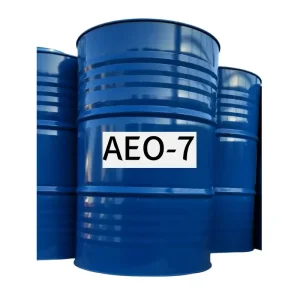
In contrast, biodegradable non-ionic surfactants—including Alkyl Polyglucosides (APGs), fatty alcohol polyoxyethylene ethers (like AEO-7), and bio-based ester derivatives—have emerged as the new baseline for industrial cleaners, institutional hygiene products, and consumer personal care. These molecules degrade rapidly via natural microbial pathways, yielding harmless metabolic products (carbon dioxide and water) without generating toxic metabolites like nonylphenols.
From a chemical engineering standpoint, non-ionic surfactants display unique advantages over their ionic counterparts. Possessing no electrical charge on their hydrophilic polar heads, they exhibit remarkable resistance to hard water, compatibility with high electrolyte systems, and outstanding cold-water solubility. This property profile is highly prized in modern, energy-efficient cold-water laundry detergent formulations.
Furthermore, when combined with anionic surfactants (such as Sodium Lauroyl Sarcosinate or Sodium Myristoyl Sarcosinate), biodegradable non-ionic surfactants lower the critical micelle concentration (CMC) of the overall system. This synergistic effect drastically improves degreasing efficiency, reduces total surfactant dosage requirements, and mitigates skin irritation, allowing brands to claim "dermatologically tested" status.
Multinational FMCG brands face volatile raw material costs linked to crude oil price swings. Bio-based non-ionic surfactants sourced from renewable agricultural feedstocks (coconut oil, palm kernel oil, corn starch) offer a more predictable pricing index. Crucially, as carbon tariffs (such as CBAM) are implemented globally, adopting verified low-carbon bio-surfactants prevents significant import duties at international borders.
Yuantairun Chemical addresses these supply chain complexities by maintaining upstream agricultural partnerships, securing a steady flow of raw feedstocks, and utilizing high-efficiency catalytic ethoxylation reactors. This structural integration ensures our global clients maintain margin stability even during macro-economic transitions.
Your Strategic Supply Chain Partner in Bio-Based Chemical Manufacturing
As a leading supplier in the daily chemical raw materials industry, Suzhou Yuantairun Chemical Co., Ltd. is dedicated to delivering high-quality products and comprehensive one-stop services to support our customers in R&D, production, and supply chain optimization. Our mission is to drive innovation and efficiency in the global daily chemical industry by providing cutting-edge solutions tailored to our clients' needs.
Operating out of Suzhou, China’s industrial and technological hub, our manufacturing facilities utilize advanced automated reactor systems that maximize yield and limit waste. By integrating sustainable sourcing directly into our raw material stream, we ensure that our products originate from well-managed, eco-friendly resources.

 Certified Lab Facilities
China's daily chemical cluster offers unparalleled structural advantages. At Suzhou Yuantairun, we leverage localized sourcing of critical intermediates like fatty alcohols and ethylene oxide, eliminating long-distance overland logistics costs. Our plants operate with highly optimized thermal recovery systems, reducing the overall carbon footprint of our ethoxylation processes.
Furthermore, our proximity to major shipping ports (such as Shanghai and Ningbo) allows us to execute Just-in-Time deliveries globally. We handle export documentation, customs clearance, and compliance verification in-house, significantly reducing lead times for our European, American, and Asia-Pacific clients.
Ensuring high-performance raw materials sourced from sustainable, transparent, and certified supply networks.

We supply a comprehensive catalog of anionic, non-ionic, amphoteric, and cationic surfactants, minimizing your need for multiple suppliers.

We provide custom tailoring (OEM/ODM) to match specific viscosity, active matter, and foaming requirements in your target market.

By optimizing chemical processes and scale-production, we offer pricing that matches or outperforms traditional formulations.

Materials and products are delivered exactly when needed in the production process, minimizing warehousing costs.
Translating advanced molecular architecture into high-performing commercial formulations.

Utilizes Sodium Laureth Sulfate (SLES) and Sodium Alpha-Olefin Sulfonate (AOS) as core anionic agents for intensive soil dispersion and dense foam stability. Incorporates CMEA (Cocamide MEA) to optimize viscosity profiles, ensuring stable performance in variable temperatures. This eco-friendly, low-irritant base preserves fabric integrity while achieving excellent soil release.

Formulated with ultra-pure Sodium Cocoyl Glutamate and Sodium Lauroyl Sarcosinate (LS-100N) to deliver high-performance cleansing without disrupting the skin's lipid barrier. This formulation yields a creamy, micro-foaming lather that rinses cleanly, making it perfect for sensitive and acne-prone skin. Verified by ECOCERT to support clean label beauty brands.

Leverages high-purity cationic quaternary ammonium salts (such as Cetrimonium Chloride) to coat fibers uniformly, reducing static cling and improving softness. The concentrated formula is optimized to reduce shipping volume, carbon emissions, and packaging waste, while remaining stable in cold-water rinses.

Features a synergistic combination of Cocamidopropyl Betaine (CAB-35) and non-ionic Lauryl Glucoside (APG1214) to generate a rich, dense lather. Completely sulfate-free and formulated with natural thickeners to eliminate skin dryness. Ideal for baby wash, clinical body cleansers, and premium retail products.

Engineered with Linear Alkylbenzene Sulfonate (LAS) and Ethylene Glycol Distearate (EGDS) to penetrate, emulsify, and disperse heavy hydrocarbon oils and greases. Reinforced with biodegradable non-ionic alcohol ethoxylates to ensure rapid soil separation and wastewater compliance under local EPA limits. Highly dilutable and cost-effective.
Adapting chemical performance to meet target market positioning, retail trends, and manufacturing constraints.
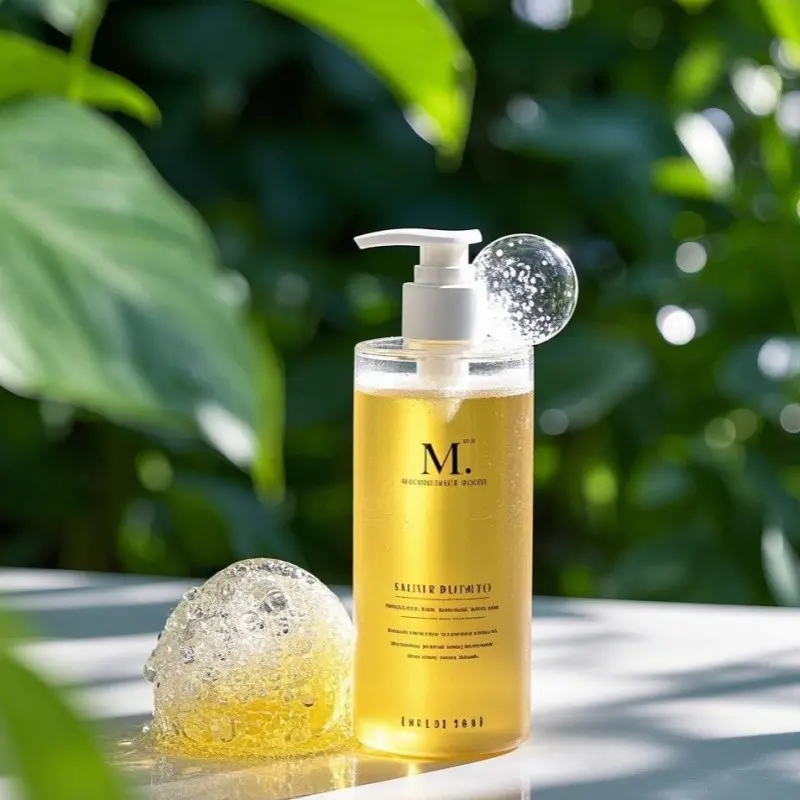
We customize formulations for diverse market channels, including professional hair salons, hotel amenities, and mainstream retail brands. Adjustments include customized active concentrations, rheology controls, and localized fragrance profiles.
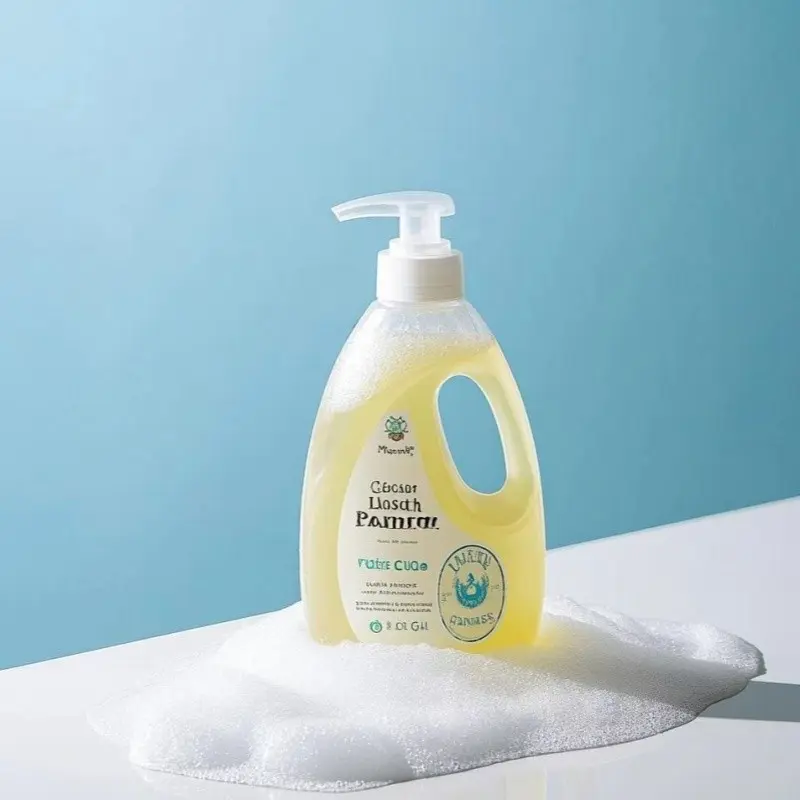
We develop customized fabric care solutions covering fragrance release profiles, color preservation technologies, and hyper-concentrated dosing configurations (such as liquid detergent pods) designed to meet specific consumer preferences.
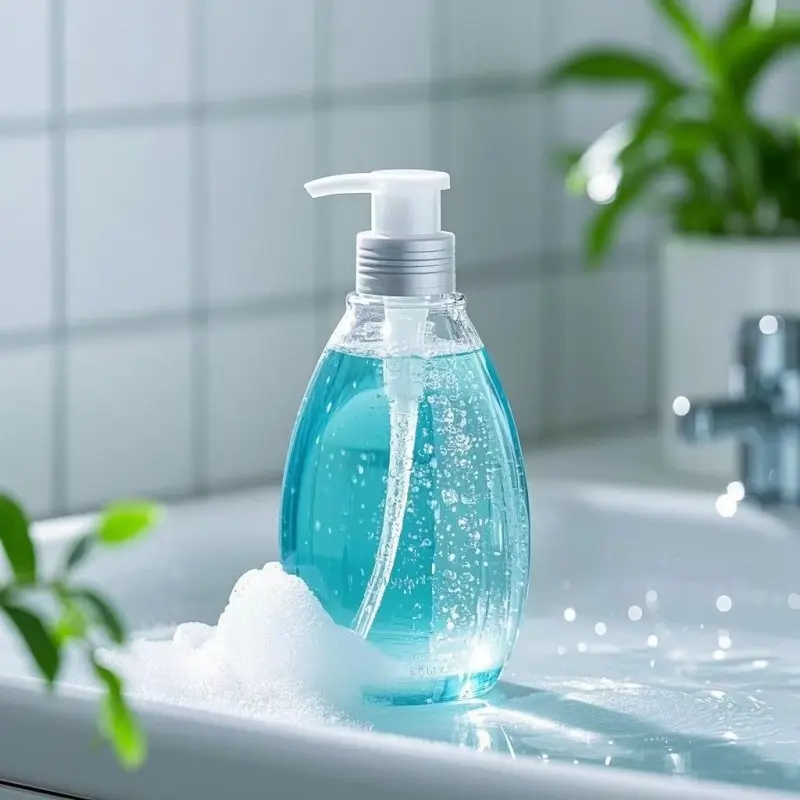
We design mild sanitizing and regular foaming hand washes optimized for high-traffic institutions, commercial shopping complexes, dining establishments, and consumer markets, keeping costs highly competitive.
An expert analysis of regulatory trends, technological updates, and the transition to circular chemistries.
Standard fatty alcohol ethoxylates historically faced scrutiny over residual trace 1,4-dioxane impurities, a byproduct of traditional ethoxylation. In response, modern production facilities utilize pressurized narrow-range ethoxylation (NRE) catalysts. This process modification restricts the molecular weight distribution of the polyethylene glycol ether chains, minimizing 1,4-dioxane levels below detectable limits to meet EU cosmetics regulations.
The next generation of biodegradable non-ionic surfactants will use agricultural waste as feedstocks. Rather than relying on food-source sugars or refined palm oils, developers are using wheat straw, sugarcane bagasse, and forest residues. These cellulosic raw materials undergo enzymatic hydrolysis to yield glucose and pentose intermediates, which are subsequently etherified to produce high-performance industrial Alkyl Polyglucosides.
Product transparency is moving from a marketing preference to a regulatory standard. Major commercial buyers now require Product Carbon Footprints (PCFs) calculated in accordance with ISO 14067. Our R&D center provides cradle-to-gate lifecycle assessment (LCA) documentation, enabling clients to quantify the environmental benefits of replacing synthetic chemical surfactants with our bio-based alternatives.
Stay updated on our chemical breakthroughs, formulation innovations, and factory developments.
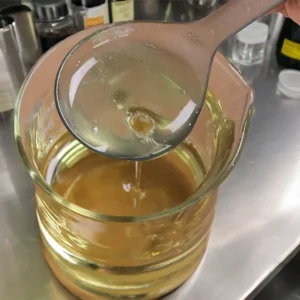
Runtec®SCI85: A mild anionic surfactant with high active ingredient content, excellent compatibility, designed to enhance formulas with a gentle, refreshing wash feeling.
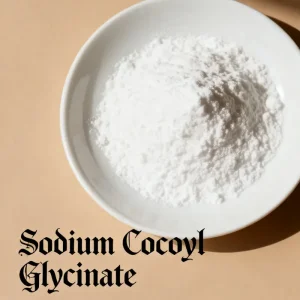
An oil-resistant amino acid surfactant with excellent foaming properties, specifically designed for use in clean-label shampoos and clarifying cleansers.
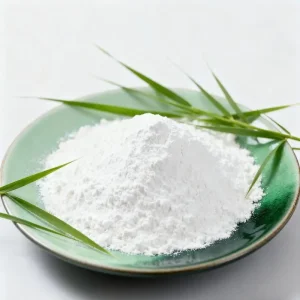
This high-purity skin moisturizer is compatible with various cosmetic oils, offering strong dispersing power and a non-greasy skin feel.
A framework for sourcing and verifying sustainable, high-purity surfactants.
Enterprise buyers must require third-party verification of biodegradability claims. Standard non-ionic surfactants should achieve >60% biodegradation within 28 days under OECD 301B testing (carbon dioxide evolution method) or OECD 301D (closed bottle test). Insist on receiving full gas chromatography-mass spectrometry (GC-MS) verification of raw materials to confirm they are free from nonylphenol ethoxylate (NPE) contamination.
A surfactant's efficiency is determined by its CMC. Surfactants with lower CMC values require less product to achieve identical surface tension reduction, improving cost-efficiency. Our technical support team assists buyers in matching APGs and fatty alcohol ethoxylates (AEO-7) to optimize surface tension performance under variable water hardness conditions.
For applications in skin care, cosmetics, and premium personal care, check that batch certifications confirm heavy metal concentrations (arsenic, lead, mercury) are below 10 ppm. Ethylene oxide (EO) limits must be kept below 1 ppm, and free amine residues in alkanolamides like Cocamide DEA must be tightly controlled to prevent nitrosamine formation in final formulations.
Answers to key technical, quality control, and logistics questions from professional chemical buyers.
Our extended catalog of functional raw materials, customized preservatives, and chemical intermediates.
Connect with our engineering and technical support teams to request product samples, custom formulations, or commercial volume quotes.
Contact Us Now