Explore our top-tier cosmetic, household, and industrial grade bio-based surfactants engineered for peak surface activity and strict eco-compliance.
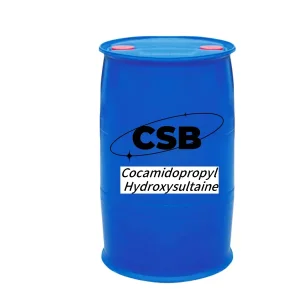
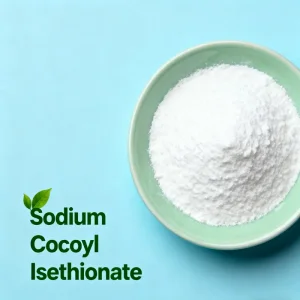
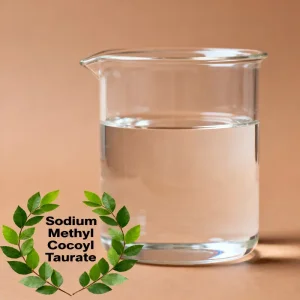
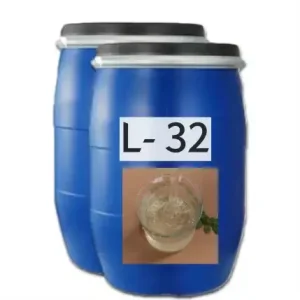
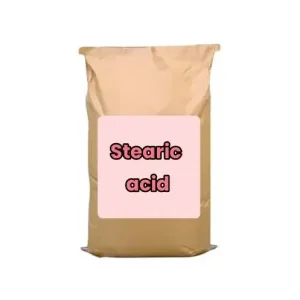
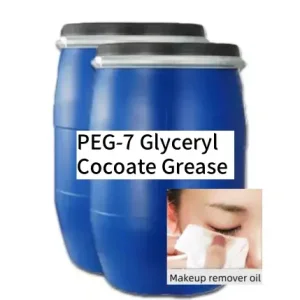
Traditional nonionic surfactants frequently depended on alkylphenol ethoxylates (APEOs), which generate persistent environmental endocrine disruptors during biological degradation. In contrast, modern biodegradable nonionic surfactants, such as alkyl polyglucosides (APGs) and alcohol ethoxylates derived from natural fatty alcohols, undergo swift mineralization via natural enzymatic processes. By utilizing renewable feedstocks like coconut oil, palm kernel oil, and corn starch, these molecules exhibit high biodegradability under both aerobic and anaerobic conditions (complying with OECD 301 guidelines).
From a formulation standpoint, nonionic surfactants exhibit an uncharged hydrophilic head group, typically consisting of polyoxyethylene chains or sugar moieties (glucosides). This configuration makes them structurally robust against hard water ions (calcium and magnesium) and broadens their compatibility with anionic, cationic, and amphoteric systems. They lower surface tension efficiently at low Critical Micelle Concentrations (CMC) and display excellent wetting, emulsifying, and dispersing kinetics essential for industrial cleaners and mild cosmetics.
A surfactant’s environmental footprint is determined by its degradation kinetics and the toxicity of its intermediate metabolites. Eco-friendly nonionic surfactants break down without forming stable intermediates, protecting aquatic life from bioaccumulation. As a leading manufacturer, Suzhou Yuantairun Chemical ensures that our nonionic surfactants meet the stringent green chemistry standards set by EU REACH and US EPA Safer Choice, providing raw materials that combine functional performance with ecological safety.
Our surfactant systems are engineered to address the specific performance, regulatory, and sustainability needs of modern manufacturing sectors.
Application: Home Care (Laundry Detergents, Concentrated Cleaners)
Synergy & Performance: Formulated using SLES (Sodium Laureth Sulfate) and AOS (Sodium Alpha-Olefin Sulfonate) as core surfactants to deliver strong soil removal and rich foam stability. Incorporating nonionic co-surfactants improves wetting and oily soil removal. Enhanced with the amide thickener CMEA (Cocamide MEA) to optimize viscosity, ensuring excellent physical stability across varying temperatures while maintaining mild, low-irritation performance.
Application: Personal Care (Facial Cleansers, Clean Beauty Formulations)
Synergy & Performance: Combines Sodium Cocoyl Glutamate (YG02-95) and Sodium Lauroyl Sarcosinate (LS-100N) to create a gentle, skin-compatible cleansing system. Integrating bio-based nonionic alkyl glycosides (APG) yields a creamy, easily rinsable lather that cleanses without stripping natural lipids. These ingredients comply with ECOCERT and COSMOS guidelines, aligning with the clean beauty standards of global premium brands.
Application: Textile Care (Fabric Conditioners, Anti-static Sprays)
Synergy & Performance: Utilizes the cationic surfactant 1631 70 (Cetrimonium Chloride) to provide fiber softening and anti-static benefits. Combining cationic emulsifiers with nonionic fatty alcohol ethoxylates ensures structural stability in concentrated products, lowering packaging volume and shipping emissions. The formulation is optimized for cold-water cycles, helping to reduce energy use during washing.
Application: Personal Care (Body Washes, Shampoos)
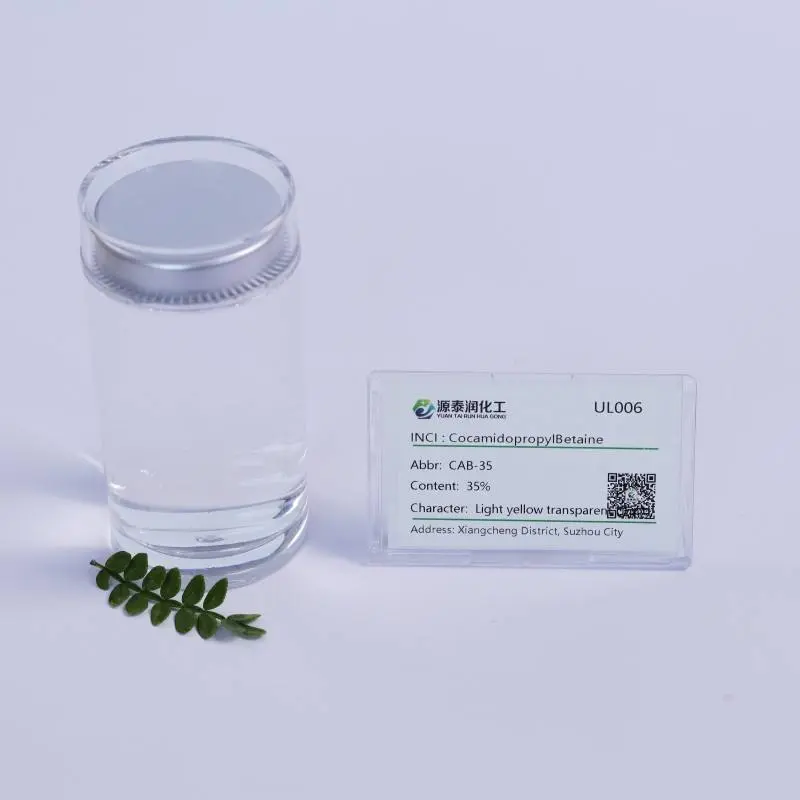
Synergy & Performance: Integrates amphoteric CAB-35 (Cocamidopropyl Betaine) and non-ionic APG1214 (Lauryl Glucoside) to generate a stable, rich foam with low skin residues. This sulfate-free configuration minimizes skin dryness, making it suitable for sensitive and baby skin care. The addition of natural gums or clean polymeric thickeners stabilizes the formula and provides a smooth, premium feel.
Application: Industrial & Institutional Cleaning (Machinery, Vehicle Degreasing)
Synergy & Performance: Employs a robust blend of LAS (Linear Alkylbenzene Sulfonate), high-HLB nonionic ethoxylates, and solvent-assisting structures like EGDS (Glycol Distearate) to break down heavy greases and industrial soils. Alkaline-tolerant nonionic components maintain cleaning performance in high-pH environments. The formulation is designed for rapid environmental breakdown, assisting industrial facilities in meeting wastewater standards.
Application: Hospitality, Professional Salons, and Retail Markets
Synergy & Performance: We customize formulations to match specific user settings—whether for hotel amenities, professional salon applications, or retail brands. We support multiple functional claims, diverse packaging designs, and varied cost targets, delivering private-label options built on a foundation of eco-friendly, biodegradable surfactants.
Explore our top-selling surfactant solutions, selected by global formulators for their performance, purity, and formulation compatibility.
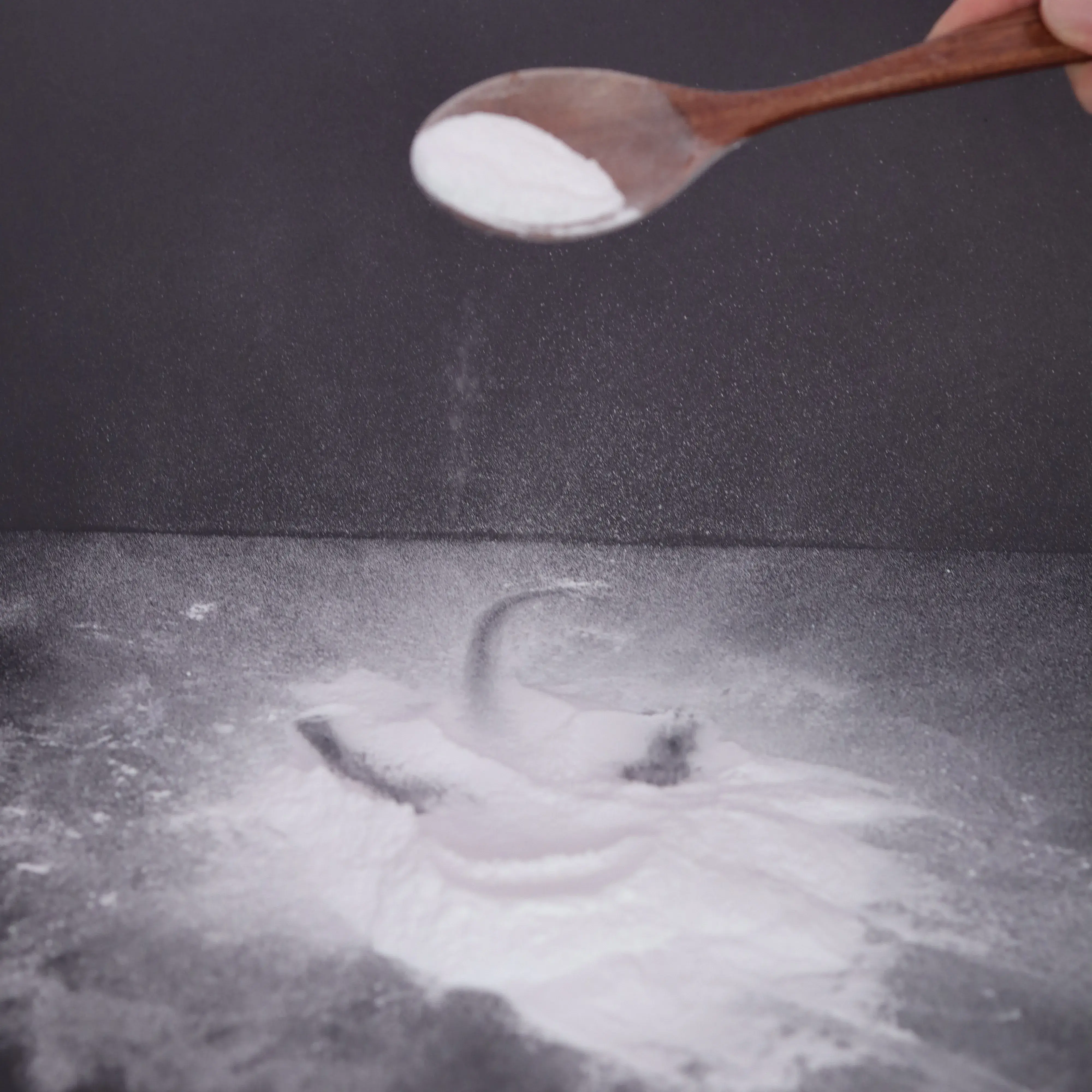
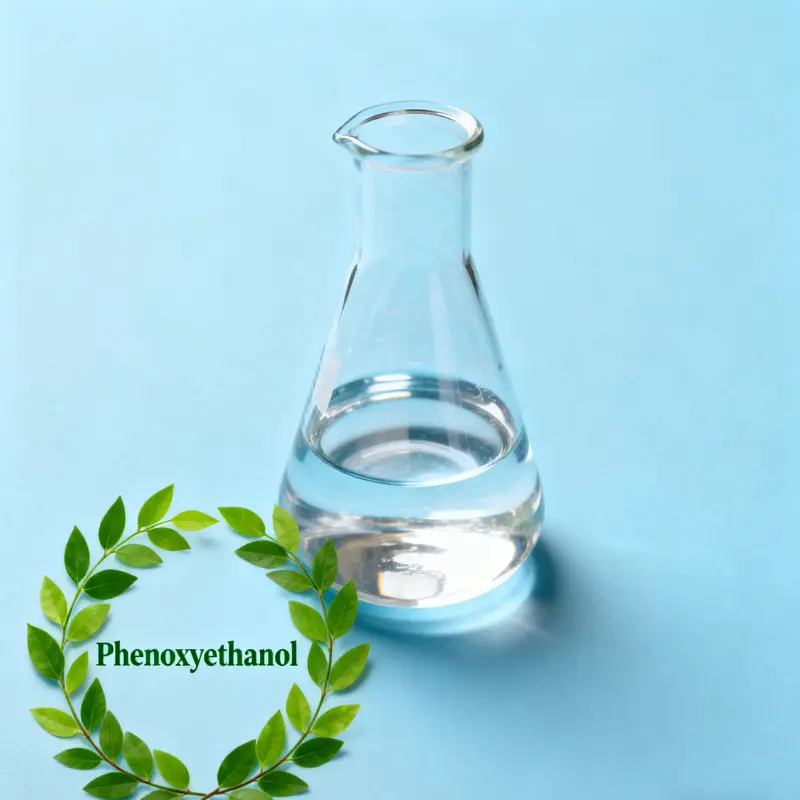
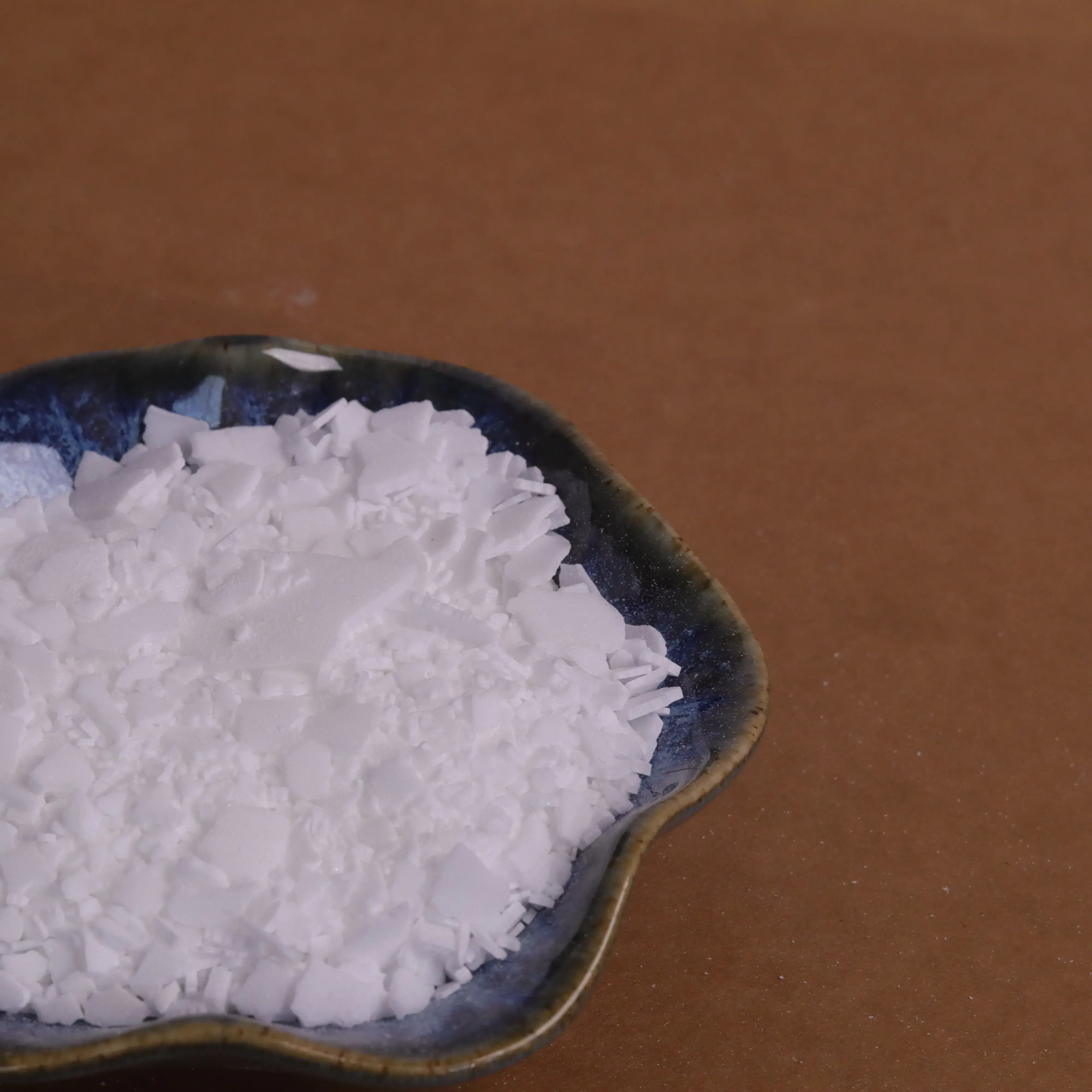
Driving Innovation and Efficiency in Daily Chemical Raw Materials
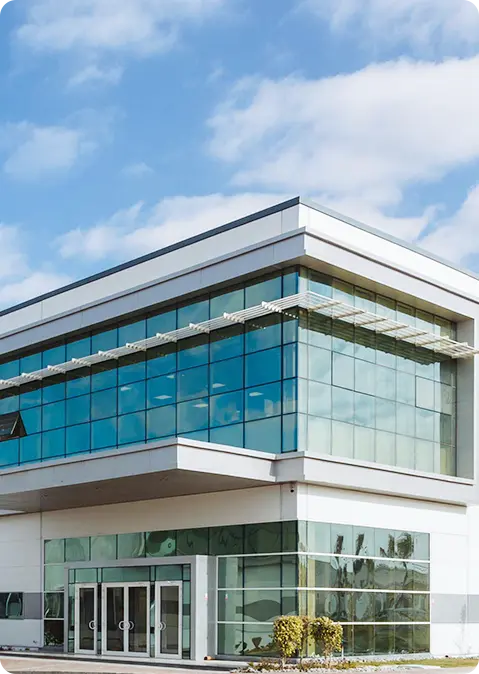
Suzhou Yuantairun Chemical Co., Ltd. is a dedicated supplier in the daily chemical raw materials sector. We support our customers through reliable product quality and comprehensive services that assist with formulation R&D, trial production, and supply chain optimization. Our goal is to foster sustainable growth in the consumer chemical industry by providing functional, eco-compliant surfactant solutions tailored to client needs.
We source our raw materials from responsibly managed, sustainable feedstocks. By emphasizing natural alcohols, plant-derived glucosides, and pure amino acids, we help customers formulate products that meet global ecological standards without sacrificing cleaning efficiency or structural stability.


Our integration of R&D expertise, modern production, and customer support makes us a reliable partner for global surfactant sourcing.

Access a broad portfolio of anionic, nonionic, amphoteric, and amino acid-based surfactants from a single source.

Leverage our testing laboratories and technical team to support custom formulations, ODM, and OEM needs.

Benefit from raw material synthesis and scale efficiency to maintain competitive, stable pricing.

Optimize your inventory cycles with our managed logistics networks and reliable manufacturing schedules.
How Suzhou Yuantairun utilizes modern automation and process control to maintain quality and supply stability in a changing global market.
Our manufacturing facility utilizes Distributed Control Systems (DCS) to monitor critical synthesis parameters, including reaction temperature, ethylene oxide addition rates, catalyst concentration, and pH adjustments. This continuous process control reduces batch-to-batch variation, ensuring that properties like viscosity, color, and free-alkali levels remain within narrow tolerance limits. Automated processing also minimizes manual intervention, reducing impurity risk and ensuring product safety.
The pricing and availability of biodegradable nonionic surfactants are closely linked to natural fatty alcohol feedstocks (such as C8-C10, C12-C14 cuts derived from coconut and palm kernel oil). To manage commodity market volatility, Suzhou Yuantairun maintains strategic supply agreements with key global oil refineries. Our storage infrastructure holds substantial raw material reserves, allowing us to absorb short-term market fluctuations and maintain reliable delivery timelines for long-term contract partners.
Our Factory 4.0 layout includes energy recovery loops and closed-circuit wastewater treatment systems. In the synthesis of alkoxylated surfactants, byproduct monitoring (such as 1,4-dioxane and residual ethylene oxide) is conducted using gas chromatography (GC-FID). Our vacuum stripping technology ensures these trace byproducts are minimized to safe levels, enabling our cosmetic-grade materials to meet international clean-label requirements.
Pioneering next-generation surfactants through bio-catalysis, circular raw materials, and carbon footprint tracking.
We are developing enzymatically synthesized nonionic surfactants that run at lower reaction temperatures than traditional high-heat processes. By using specific lipases as catalysts, we can produce glycolipids and sugar esters with highly consistent molecular structures. This approach reduces overall energy use and avoids the formation of unwanted side reactions.
To further lower product carbon footprints, our R&D team is testing agricultural waste biomass (such as bagasse and wheat straw) as alternative sources for glucoside polar heads. By utilizing upcycled carbon, we aim to offer surfactants that support circular economy principles and help customer brands reduce their Scope 3 greenhouse gas emissions.
We are implementing cradle-to-gate Life Cycle Assessments (LCA) for our key surfactant lines. This tracking system measures energy consumption, raw material transport emissions, and processing inputs, providing customers with verified carbon intensity data to support their sustainability reporting.
Sourcing chemical raw materials internationally requires strict adherence to regional chemical inventories and safety standards. Suzhou Yuantairun provides complete technical documentation to streamline regulatory clearance:
To reduce international shipping complexity, we offer logistics support tailored to bulk chemical transport:
Technical guidance on formulation compatibility, biodegradability testing, storage conditions, and purchasing logistics.
We test our products using the OECD 301 series guidelines (such as OECD 301B for carbon dioxide evolution and OECD 301D for dissolved oxygen consumption). To be classified as "readily biodegradable," a surfactant must achieve at least 60% biodegradation within a 28-day test window. Our bio-based alcohol ethoxylates and alkyl polyglucosides consistently exceed this threshold, breaking down into carbon dioxide, water, and biomass without leaving persistent intermediates.
Nonionic surfactants lack charge on their hydrophilic head groups, which prevents them from interacting with calcium and magnesium ions in hard water. Anionic surfactants, such as soap or linear alkylbenzene sulfonates, can react with these ions to form insoluble precipitates (scum), reducing cleaning efficiency. Using nonionic surfactants helps maintain emulsification, wetting, and detergency in hard water conditions without requiring high levels of chelating agents.
The cloud point is the temperature at which a nonionic surfactant solution becomes turbid and phase-separates, caused by the dehydration of the polyoxyethylene chains at elevated temperatures. Cleaners display optimal degreasing and defoaming performance when formulated near or slightly above the surfactant’s cloud point. We assist customers in adjusting the cloud point of their formulations by selecting appropriate ethylene oxide (EO) chain lengths or blending nonionic and anionic systems.
Trace 1,4-dioxane is a byproduct that can form during the ethoxylation process of raw materials like SLES or PEG derivatives. We utilize vacuum stripping during the final stages of synthesis to remove volatile trace impurities. Our quality control laboratory uses headspace gas chromatography (GC-MS) to monitor levels, ensuring compliance with strict limits (such as those under California Proposition 65 and European Union cosmetics regulations).
While fatty alcohol ethoxylates or alkyl glucosides can replace APEOs, they are not always a direct one-to-one substitution due to differences in HLB values, foaming characteristics, and viscosity profiles. Our technical team works with customers to adjust formulation properties like emulsification strength, foam height, and rheology, ensuring equivalent performance when switching to eco-friendly alternatives.
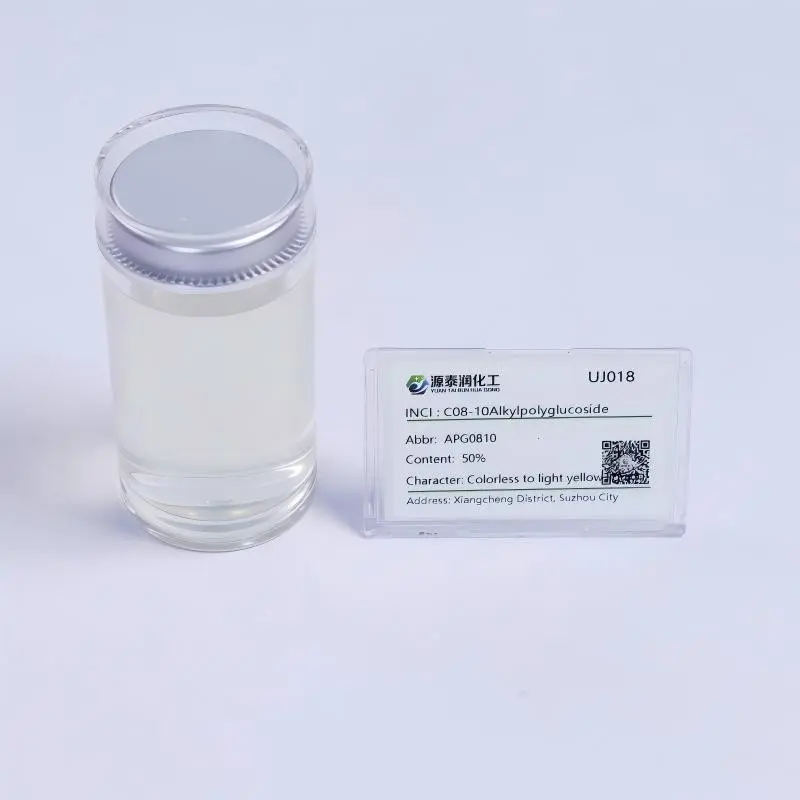
We recommend storing APGs at temperatures between 15°C and 35°C in sealed containers. Due to their high pH and natural sugar backbone, exposure to low temperatures can cause crystallization or increased viscosity. If crystallization occurs, the product can be gently heated and mixed to restore its liquid state. Maintaining closed packaging also prevents atmospheric moisture absorption and microbial contamination.
Our typical lead time for standard catalog surfactant products is 10 to 15 days from order confirmation to port delivery. For custom surfactant modifications (such as specific ethoxylation levels or specialized packaging configurations like IBC totes and ISO tanks), lead times range from 20 to 30 days. This timeline accommodates synthesis testing, quality assurance checks, and regulatory documentation prep.
Amino acid surfactants (like Sodium Cocoyl Glycinate or Sodium Lauroyl Sarcosinate) are milder than traditional ether sulfates (like SLES). They have a lower denaturation effect on skin proteins, making them ideal for sensitive skin and baby care products. While they are typically more expensive, blending them with nonionic alkyl glucosides can yield mild formulations with good foam volume at an optimized cost.
Technical updates and industry insights from our formulation team.
An in-depth look at our mild anionic surfactant, SCI85, detailing its high active ingredient content and formulation compatibility for skin and hair care products.
Evaluating the foaming properties and oil resistance of Sodium Cocoyl Alaninate, with formulation examples designed for sebum control shampoos.
Technical paper discussing the spreading dynamics and emollient properties of Cetyl Ethylhexanoate, with a focus on its compatibility with synthetic and natural oils.
Our extended range of functional raw materials, active ingredients, and specialty intermediates for diverse formulation needs.