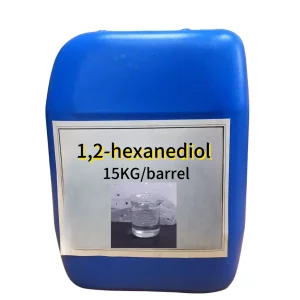
Engineered to deliver optimal foaming, emulsification, rheology modification, and safety indices.
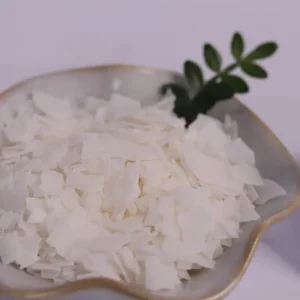
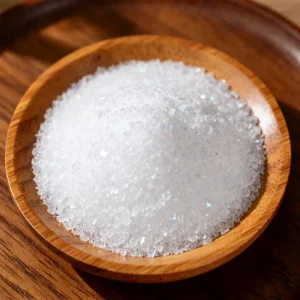
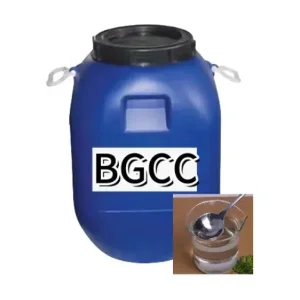
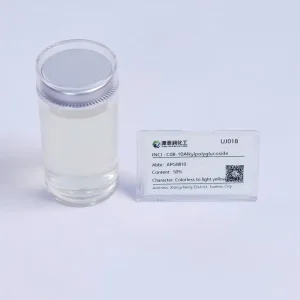
Surface-active agents (surfactants) form the physical-chemical foundation of the modern consumer goods and industrial chemical sectors. Valued at over USD 42 billion globally, the surfactant market is transitioning away from commodity petrochemical-based surfactants to high-performance, eco-friendly, and mild chemical systems. Companies operating across Europe, North America, and Asia-Pacific are increasingly standardizing on a combination of Cationic, Anionic, and Nonionic Surfactants to optimize formulations for skin compatibility, environmental degradation, and foaming efficiency.
Procuring raw ingredients with precise chemical controls, low free amine index, and consistent active matter concentration is a critical priority for commercial chemical purchasers. The three primary surfactant categories solve distinct formulation challenges:
Formulators optimize product sensory profiles, foaming properties, and emulsifying capacities by adjusting the balance between different surfactant types. The table below represents a scientific benchmark comparing the functional parameters of Cationic, Anionic, and Nonionic surfactants based on their Critical Micelle Concentration (CMC) behavior, skin irritation indices (Zein scores), and primary applications.
| Surfactant Class | Key Chemical Structure Examples | Primary Function | Skin Irritation Index | Synergy Strategy |
|---|---|---|---|---|
| Anionic | Sodium Lauroyl Glycinate, Sodium Methyl Cocoyl Taurate, Disodium Cocoyl Glutamate | High-foaming detersive agent, oil emulsification, primary cleansing | Extremely low (for Amino Acid based) to High (for sulfates) | Formulated with amphoteric betaines to reduce overall skin irritation indices. |
| Cationic | Merquat 3940, Cetrimonium Chloride (1631), Polyquaternium-39 | Conditioning, electrostatic neutralization, softness, preservation | Moderate to High (requires careful dosage regulation) | Combined with nonionic surfactants to avoid complex precipitation in rinse-off systems. |
| Nonionic | APG0810 (Caprylyl/Capryl Glucoside), Cocamide MIPA, PEG-7 Glyceryl Cocoate | Viscosity building, foam stabilization, solubilization, emulsification | Extremely Low | Used as co-surfactants to mitigate the skin-stripping action of strong anionics. |
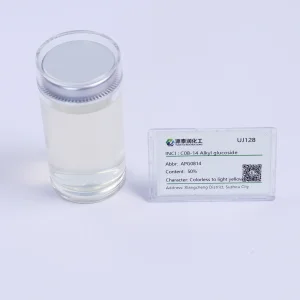
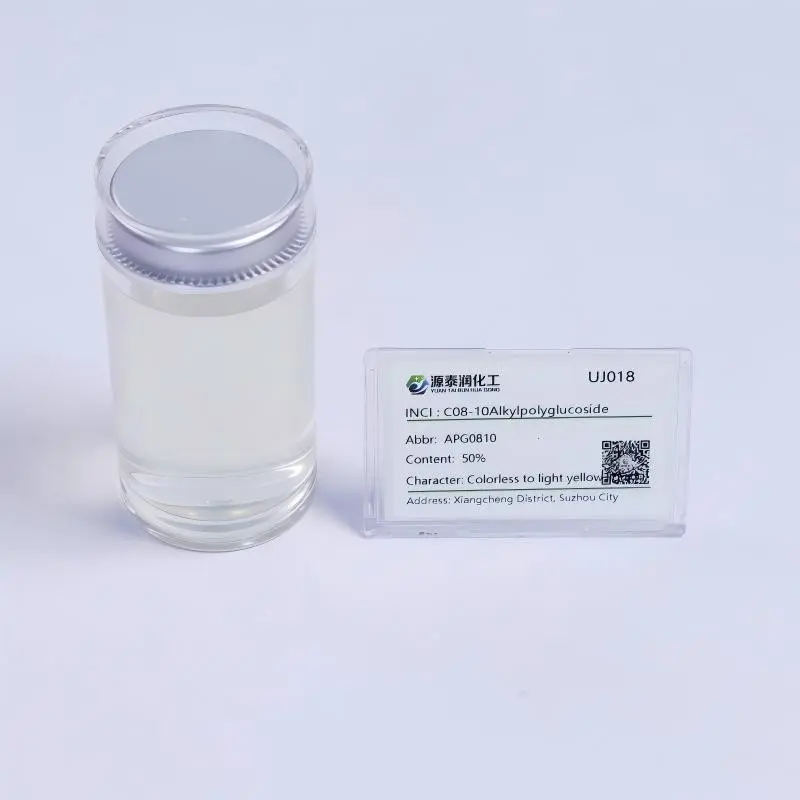
Within the nonionic spectrum, Alkyl Polyglucosides (APGs), such as APG0810 (Caprylyl/Capryl Glucoside) and Cocoyl Glucoside, are leading the industry transition to natural ingredients. Produced via the condensation of fatty alcohols with glucose polymers, these bio-based alternatives offer high alkaline stability and compatibility with concentrated electrolyte systems. Their biodegradability makes them ideal for both sustainable personal care ranges and heavy-duty industrial degreasers.
Aligning surfactant chemistry with specific formulation goals for consumer and industrial products.
Formulation Core: Uses anionic surfactants (such as SLES and AOS) for primary detergency and stain removal. Combining these with nonionic thickeners (CMEA or Cocamide MIPA) stabilizes viscosity across temperature ranges, producing a high-efficiency detergent compatible with cold-water washing.
Formulation Core: Avoids harsh sulfate systems by utilizing Sodium Cocoyl Glutamate and Sodium Lauroyl Sarcosinate. These plant-derived amino acid surfactants preserve the skin's barrier, generating a luxurious, creamy lather that rinses clean without residue.
Formulation Core: Incorporates cationic quaternary surfactants like Cetrimonium Chloride (1631 70) to neutralize negative static charges on fabrics. This improves softness, reduces fabric wrinkling, and shortens drying cycles in home and industrial laundries.
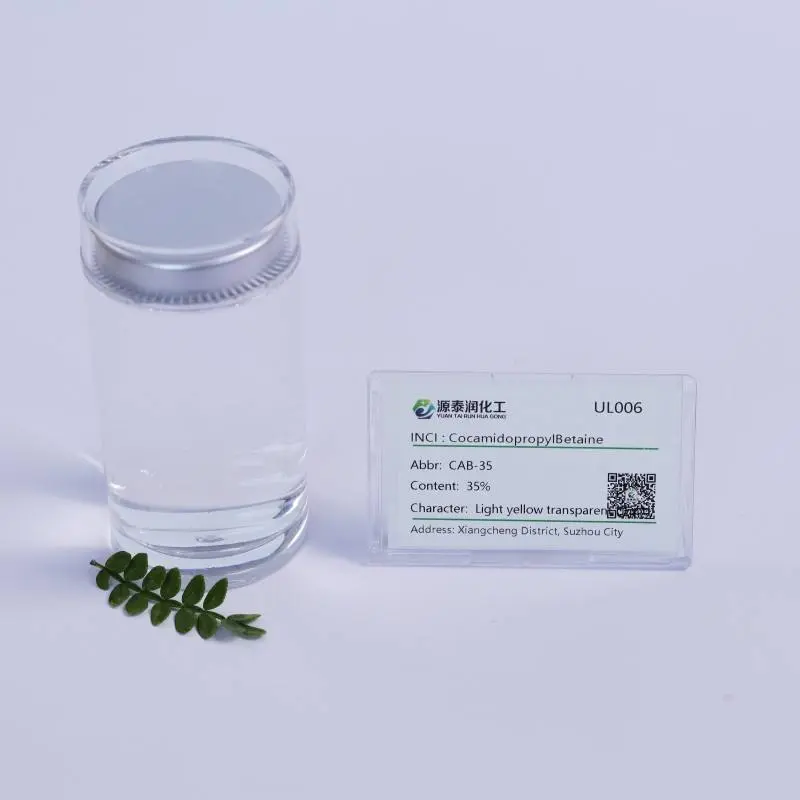
Formulation Core: Merges amphoteric Cocamidopropyl Betaine (CAB-35) with nonionic APG1214 (Lauryl Glucoside). This synergetic combination boosts foam volumes and density while lowering the overall critical micelle concentration, making the final formula exceptionally mild.
Formulation Core: Employs high-strength Linear Alkylbenzene Sulfonate (LAS) combined with nonionic emulsifiers and specialty solvents (like EGDS). This breaks down heavy mineral grease and soot, ensuring clean metal surfaces in automotive and industrial environments.
Formulation Core: Provides customized bases for shampoos, body washes, and liquid soaps. Tailored to specific market positions (hotel amenities, salon brands, retail lines) with custom fragrance loading and viscosity adjustments.
As regulatory frameworks globally phase out microplastics and ethylene oxide-derived chemicals, Suzhou Yuantairun Chemical's R&D efforts focus on next-generation surface-active chemistries. The development map includes the following pillars:
Need custom concentrations, packaging, or direct factory delivery? Contact our technical sales team for an immediate response.
Inquire NowHigh-purity ingredients optimized for viscosity control, foaming, and skin mildness.
As a leading supplier in the daily chemical raw materials industry, Suzhou Yuantairun Chemical Co., Ltd. is dedicated to delivering high-quality products and comprehensive one-stop services to support our customers in R&D, production, and supply chain optimization. Our mission is to drive innovation and efficiency in the global daily chemical industry by providing cutting-edge solutions tailored to our clients' needs.
Our core corporate values focus on quality, cost-efficiency, and supply chain reliability. Formulators and procurement directors choose Suzhou Yuantairun for several reasons:
Detailed chemical, formulation, and regulatory guidance from our laboratory team.
High-quality raw materials with trace contaminant controls and consistent manufacturing standards.