Engineered high-purity chemical components designed for global cosmetics, personal care, and industrial processing.
Cationic surfactants are characterized by a positively charged hydrophilic head group, typically built around a quaternary nitrogen atom. This unique molecular architecture enables them to adsorb onto negatively charged substrates such as hair, synthetic fibers, cell membranes, and metal surfaces. In cosmetic science, this property is described as "substantivity," which prevents static charge buildup, flattens hair cuticles, and provides premium lubrication.
Beyond cosmetics, quaternary ammonium compounds (QACs) act as cell membrane disruptors, making them essential biocides in sanitization applications. They compromise the integrity of bacterial phospholipid bilayers, leading to cytoplasm leakage. As a result, surfactants like Cetrimonium Chloride, Behentrimonium Chloride, and Benzalkonium Chloride serve dual roles: stabilizing formulas and acting as active disinfectants.
From a physical-chemical perspective, optimizing the Critical Micelle Concentration (CMC) of cationic surfactants is key. By adjusting alkyl chain distributions (C12 to C22), formulators can fine-tune viscosity building, phase transitions, and temperature stability. At Suzhou Yuantairun Chemical Co., Ltd., we customize these variables to ensure performance in both home care and industrial systems.

Analysis of the transitioning regulatory landscapes, green chemistry mandates, and logistics optimization.
Leveraging Suzhou’s chemical manufacturing clusters, continuous-flow synthesis, and quality control systems.
We provide a comprehensive range of cationic, anionic, non-ionic, and amphoteric surfactants, simplifying procurement for daily chemical and industrial manufacturers.
Our laboratory features HPLC, gas chromatography, and colorimetry capabilities to support customized formulations (ODM/OEM) and provide technical documentation.
Located in Suzhou's industrial corridor, we coordinate with major shipping ports to ensure raw materials reach your production lines on schedule.
Targeted surfactant engineering for high-performance and specialty formulations.

In shampoos and conditioners, cationic agents neutralize negative charges left by anionic cleansers. By depositing thin films on hair shafts, they reduce combing forces, minimize frizz, and improve feel.
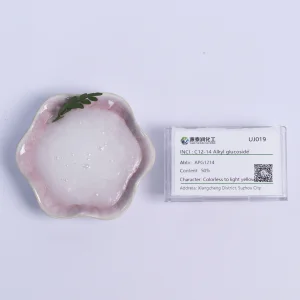
Formulators pair cationic surfactants with non-ionic options like Alkyl Polyglycosides (APG1214) or mild amphoterics like Cocamidopropyl Betaine (CAB-35) to balance cleansing and conditioning without causing product buildup.
For fabric softeners, cationic molecules align with tail groups facing outward, creating a lubricated layer that softens fibers. This lubrication reduces friction during wear, helping fabrics last longer.
In industrial settings, they function as corrosion inhibitors and asphalt emulsifiers. Their binding ability forms a barrier on metal and aggregate surfaces, protecting them from moisture-driven degradation.

Technical breakdowns of customized chemical solutions.
Uses SLES and AOS as core surfactants for cleaning performance and foam stability, combined with CMEA for viscosity control and skin compatibility.
Features Sodium Cocoyl Glutamate and Sodium Lauroyl Sarcosinate for low-irritation cleansing, ideal for sensitive skin and clean beauty lines.
Utilizes cationic Cetrimonium Chloride (1631) for antistatic properties and fabric softness in concentrated, low-dosage formulations.
Combines amphoteric CAB-35 and non-ionic APG1214 to build rich, easily rinsed lather suitable for baby care and sensitive skin.
Powered by LAS and EGDS for rapid breakdown of grease, maintaining stability in highly alkaline industrial cleaning formulations.
Tailored formulations for professional salon lines, hotel amenities, and retail brands with customized viscosity and fragrance profiles.
Answers to common compounding and formulation questions for cationic systems.
High-active compounds and additives designed for advanced cosmetic and cleaning applications.
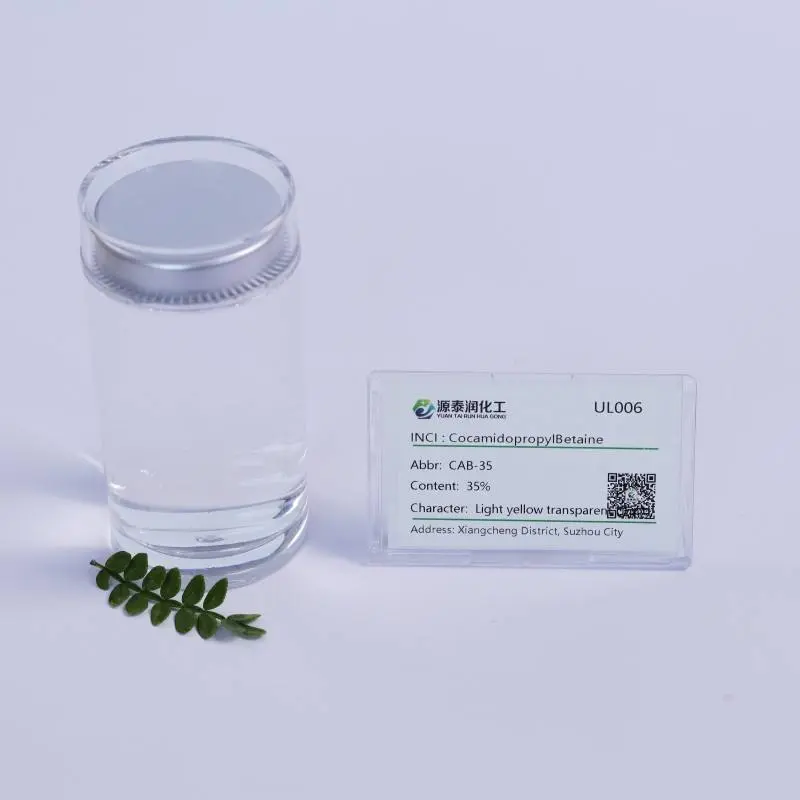
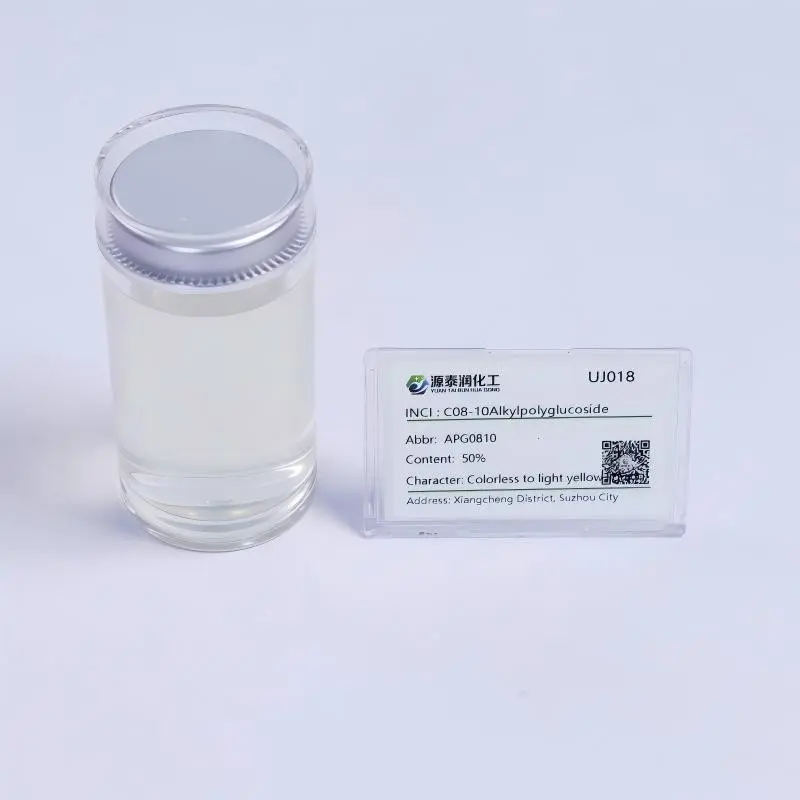
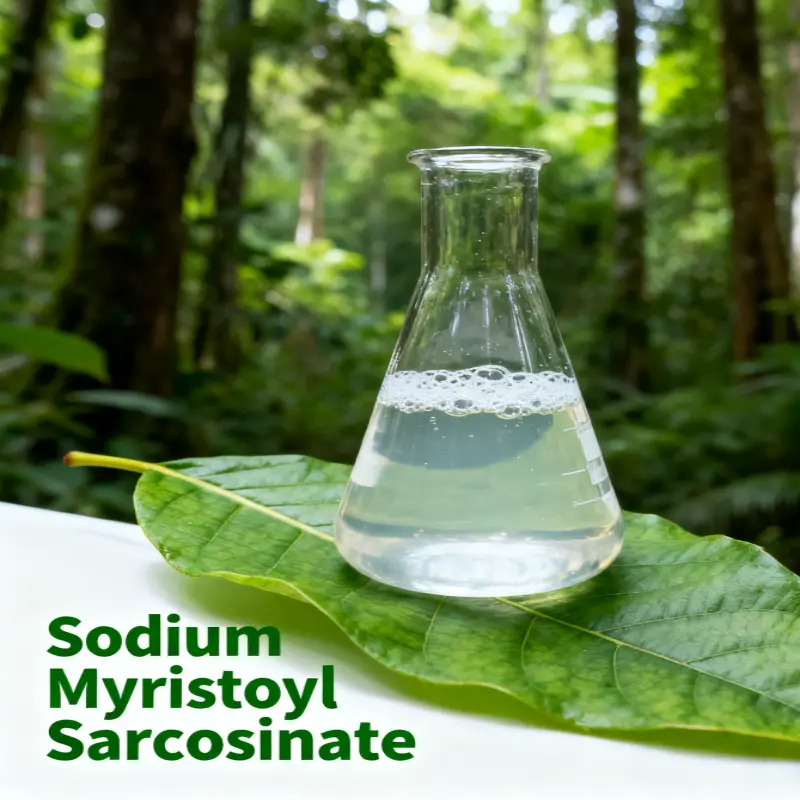
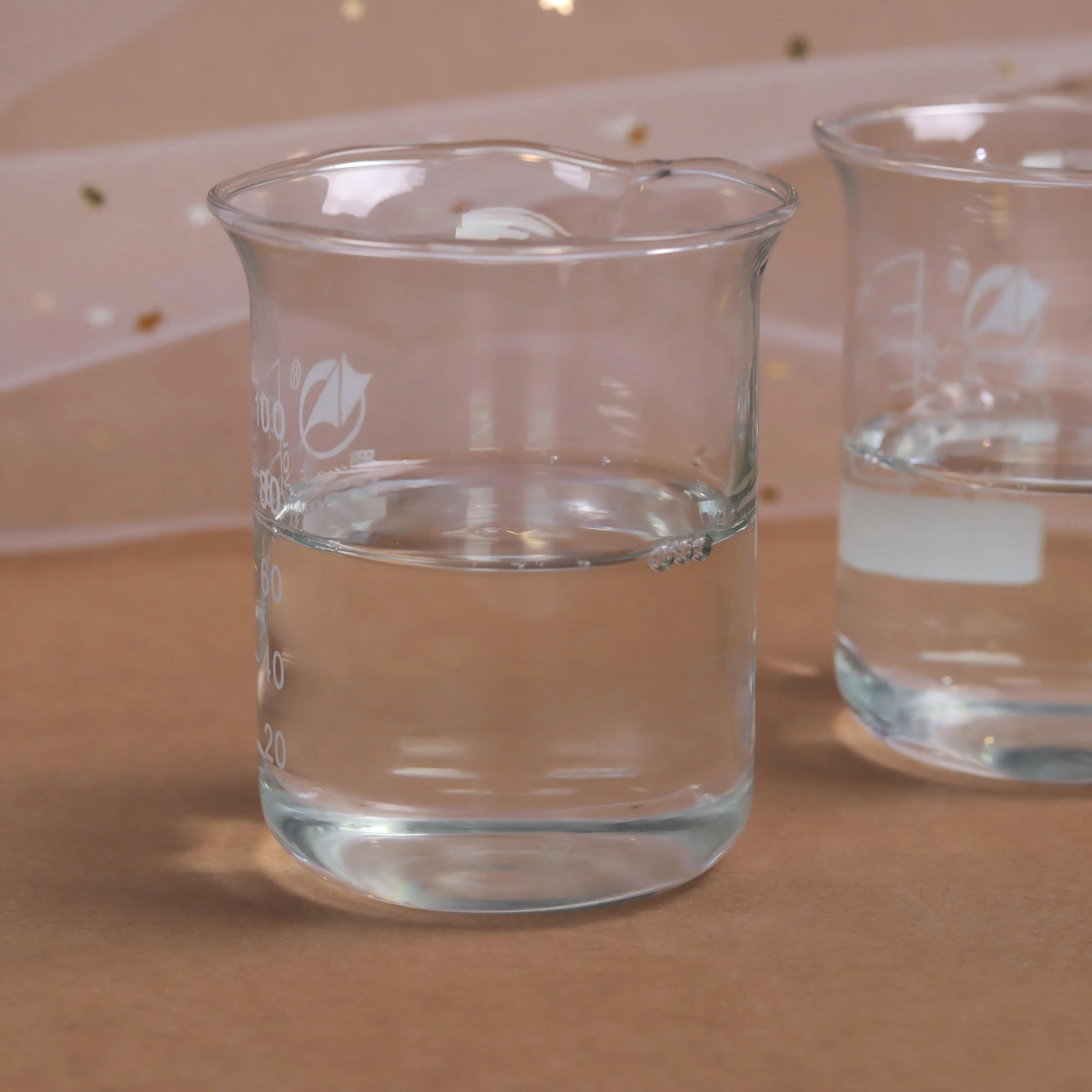
Extended inventory of primary foaming agents, polymeric emulsifiers, and structural thickeners.
Get in touch to request technical specifications, MSDS sheets, or custom packaging options for your production lines.
Request Commercial Quote