Explore our foundational range of amino acid surfactants, functional conditioning agents, and preservatives sourced from our global manufacturing network.
The industrial preservation sector is undergoing a massive transformation driven by stringent regulatory frameworks, consumer pushback against controversial materials, and the rapid expansion of clean beauty. Historically dominated by formaldehydes and parabens, the contemporary market leans heavily on advanced, mild, and synergistic preservation technologies. Standard antimicrobial agents such as Phenoxyethanol, Chloroxylenol (PCMX), and booster co-solvents like Caprylic/Capric Triglyceride have shifted to the forefront of global daily chemical formulation strategies.
From an exporter perspective, managing quality assurance and international compliance (REACH, FDA, ECHA, and COSMOS) is paramount. Chemical factories are now expected to supply documentation showing not only high assay purity but also low trace impurity profiles (such as free ethylene oxide and dioxane levels in ethoxylated raw materials). B2B sourcing agents rely on Suzhou Yuantairun Chemical Co., Ltd. to secure chemical supply chains that comply with these evolving compliance parameters.

Suzhou Yuantairun Chemical Co., Ltd. is dedicated to delivering high-quality products and comprehensive one-stop services to support our customers in R&D, production, and supply chain optimization.


A selection of cosmetic-grade surfactants, conditioning polymers, and high-purity active ingredients preferred by top international brands.
An expert-level evaluation of preservative systems and the structural role of mild surfactants in lowering critical micelle concentrations.
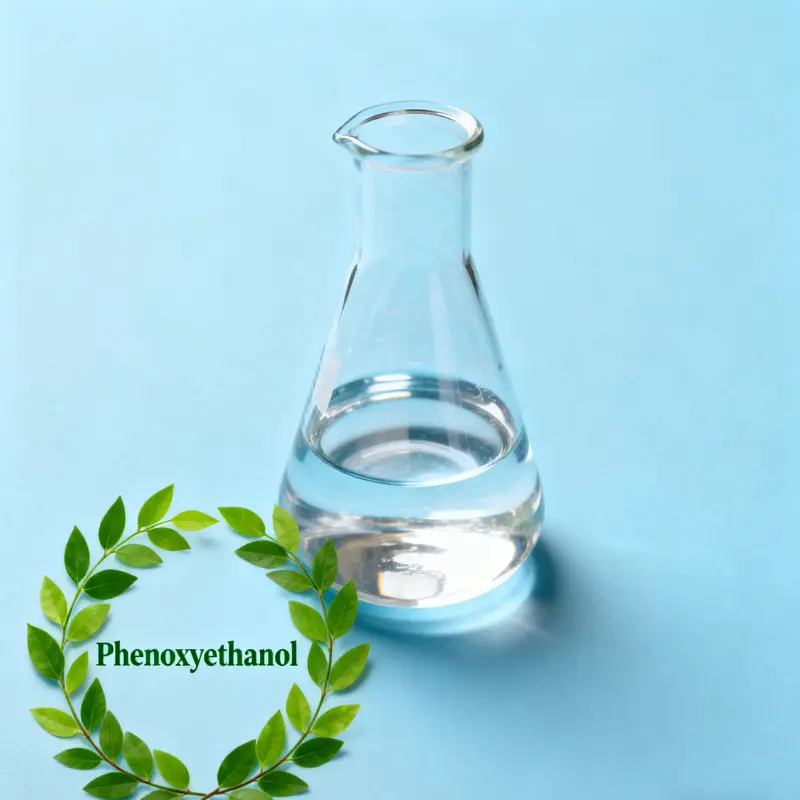
In aqueous cosmetic and daily chemical formulations, microbial vulnerability is determined by water activity (aw), pH, and organic nutrients. Chemical preservation functions by disrupting microbial cell membranes, denaturing proteins, or blocking crucial enzymatic pathways. Phenoxyethanol (CAS 122-99-6) is highly effective against Gram-negative bacteria by disrupting cellular membrane integrity, but requires structural reinforcement against yeasts and molds. This is where modern "hurdle technology" becomes crucial.
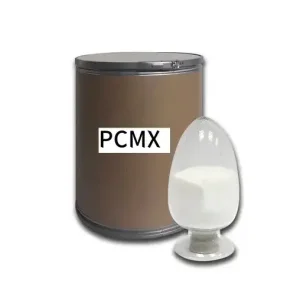
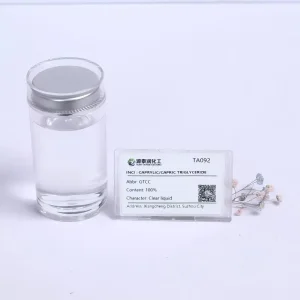
To reduce active biocide levels while maintaining complete microbiological safety, modern cosmetic formulators employ multifunctional compounds. Chelators like EDTA Disodium Dihydrate (CAS 6381-92-6) bind divalent metallic ions, weakening Gram-negative bacterial outer walls and rendering them highly susceptible to preservatives like PCMX (Chloroxylenol, CAS 88-04-0). Furthermore, glycols and medium-chain esters like Caprylic/Capric Triglyceride (CAS 65381-09-1) disrupt lipid membranes, enhancing the biocidal speed of the core preservative phase.
| Chemical Name / CAS | Preservation Category | Target Microorganisms | Synergistic Partner |
|---|---|---|---|
| Phenoxyethanol / 122-99-6 | Aromatic Ether / Alcohol | Gram-negative bacteria (Pseudomonas aeruginosa) | Ethylhexylglycerin, EDTA-2Na |
| Chloroxylenol (PCMX) / 88-04-0 | Chlorinated Phenolic Compound | Broad-spectrum bacteria, fungi, algae | Anionic Surfactants (SLES, LAS) |
| Caprylic/Capric Triglyceride / 65381-09-1 | Medium Chain Fatty Acid Ester | Membrane destabilization helper | Phenoxyethanol, IPBC |
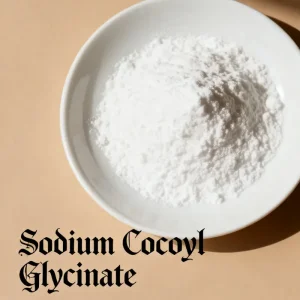
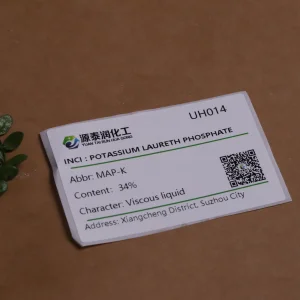
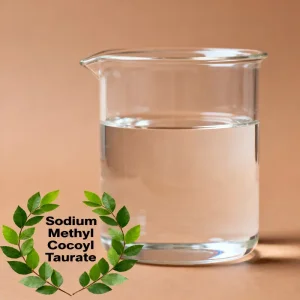
Surfactant selection directly influences preservative efficacy. Highly anionic systems like Potassium Laureth Phosphate (MAP-K 34%) or Sodium Lauroyl Sarcosinate 30% interact with the charge dynamics of microbial membranes, altering how preservatives interact. Conversely, mild amino-acid-based surfactants such as Sodium Cocoyl Glycinate 95% Powder and Sodium Methyl Cocoyl Taurate 30% offer low skin irritation profiles without inactivating standard non-ionic preservatives, which is a common issue with traditional PEG-based non-ionic surfactants.
Charting the transition from traditional chemical biocide reliance to bio-sourced, intelligent barrier systems from 2026 to 2030.
Maximizing assay percentages for standard agents like Phenoxyethanol (99.9% cosmetic grade) and PCMX, eliminating halogenated byproducts.
Integrating multifunctional lipid components like Caprylic/Capric Triglycerides to lower the absolute concentration of synthetic biocides.
Utilizing compounds like Biosaccharide Gum-1 as natural conditioning agents that naturally reduce formulation water activity.
Merging physical barrier technologies with self-preserving formulation structures for zero-irritation consumer cosmetics.
Practical formulation architectures demonstrating how our chemical bases work in real-world personal and home care products.
Application: Built on anionic surfactants (SLES, AOS) and stabilized with thickeners like Cocamide MEA (CMEA).
Preservation Advantage: Balanced with broad-spectrum stabilizers to prevent microbial degradation in high-moisture laundry room environments.
Application: Centered on Sodium Cocoyl Glutamate and Sodium Lauroyl Sarcosinate.
Preservation Advantage: Protected using clean-beauty-compliant preservatives without destabilizing the delicate amino acid surfactant micelle network.
Application: Utilizes cationic surfactant Cetrimonium Chloride (1631 70) for anti-static performance.
Preservation Advantage: Prevents bacterial mold contamination in fabric softeners during long-term warehouse storage.
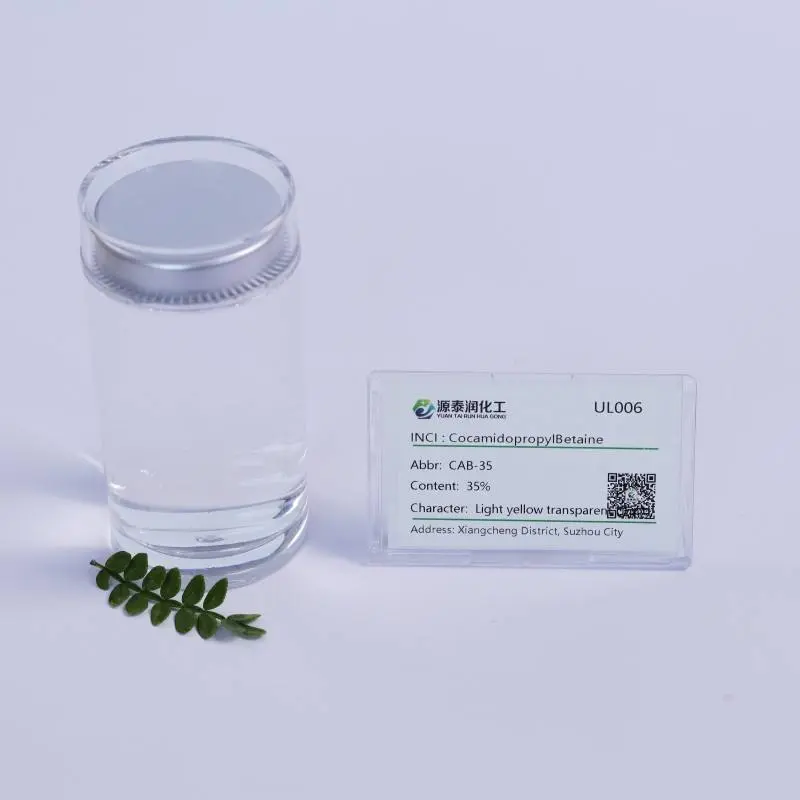
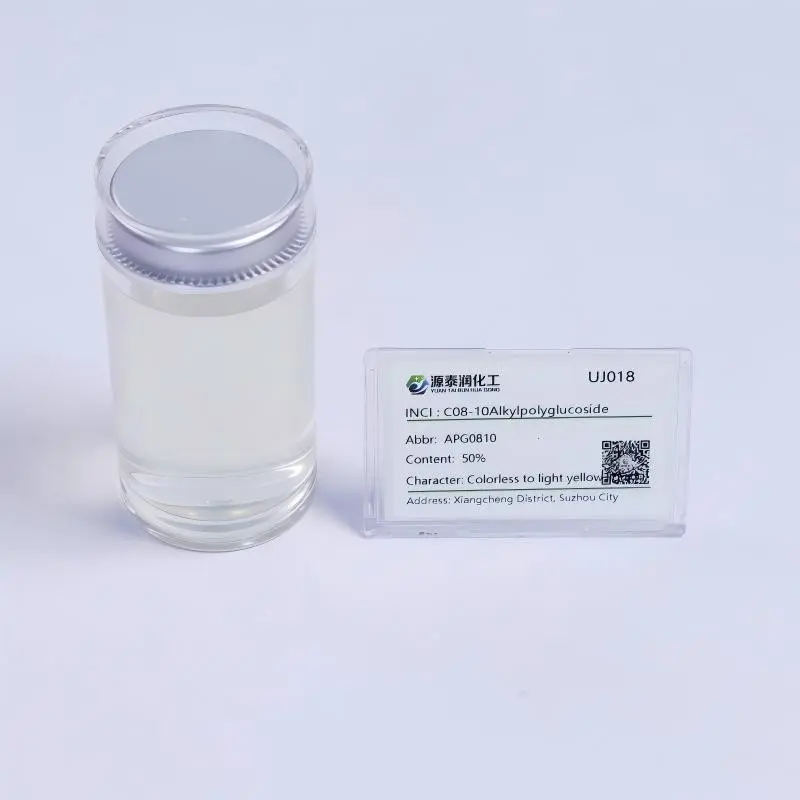
Application: Combines Cocamidopropyl Betaine (CAB-35) and Lauryl Glucoside (APG1214).
Preservation Advantage: Sulfate-free formulations utilize organic acid preservation systems, protected against pH-shifts.
Application: Powered by Linear Alkylbenzene Sulfonate (LAS) and Ethylene Glycol Distearate (EGDS).
Preservation Advantage: Formulated with PCMX to withstand industrial contamination in highly alkaline conditions.





How we tailor viscosity, fragrance profiles, and preservative baselines for specific geographic regions and applications.
We customize chemical bases according to your specific scenarios: hotels, barbershops, or retail outlets. Multi-functional formulations, variable packaging options, and tiered pricing architectures are available.
Customize fragrance load, active surfactant matter concentrations, and packaging size. Adapt solutions for high-performance cold-water wash cycles and standard front-loading machines.
Ideal for commercial malls, restaurants, and premium cosmetics retail. Developed with skin-conditioning agents to retain moisture while offering sanitizing performance.
Access customized formulation advice, SDS documents, purity certifications, and free samples for your R&D team.
Send Inquiry NowStay up to date with chemical raw material market dynamics, research discoveries, and sustainability advancements.
Discover how to optimize premium formulations with milder anionic surfactants, offering a refreshing and gentle skin feel.
Read MoreTechnical evaluation of oil-resistant amino acid surfactants optimized for high-performance, low-residue shampoos.
Read MoreExploring the dispersing and emollient properties of synthetic seabird feather oil in cosmetic creams and emulsions.
Read MoreCommon technical questions from buyers, formulation chemists, and compliance officers regarding raw material procurement.
Our cosmetic-grade Phenoxyethanol features a high assay of 99.9% minimum. This ensures the removal of trace byproducts like phenol and ethylene oxide, meeting compliance with the European Cosmetics Regulation (EC 1223/2009) and FDA standards.
Chloroxylenol is a halogenated phenolic compound that exhibits low water solubility. To maintain stability, it must be formulated with compatible anionic surfactants (like Sodium Cocoyl Glycinate or potassium soaps) and glycols, which act as hydrotropes and coupling agents.
Yes, amino acid surfactants like Sodium Methyl Cocoyl Taurate are highly compatible with organic acids and aromatic alcohols. Unlike traditional ethoxylated non-ionic surfactants, they do not form structures that deactivate preservatives like Phenoxyethanol.
We supply full COA (Certificate of Analysis), SDS (Safety Data Sheet), Tech Data Sheets, and REACH pre-registration documents to facilitate custom clearance for shipments to Europe, North America, and South-East Asia.
Explore further surfactant derivatives, functional polymers, and active chemical bases to refine and optimize your industrial products.