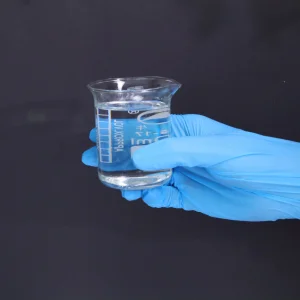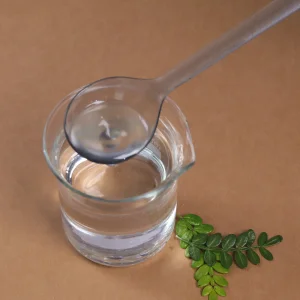
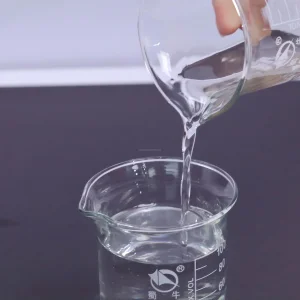

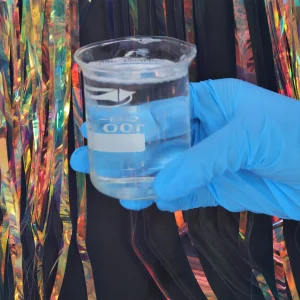
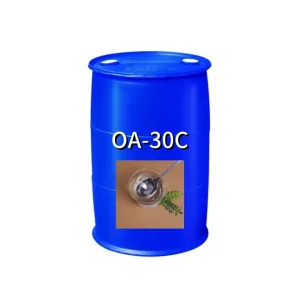
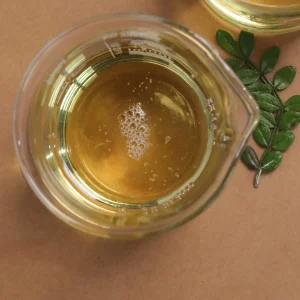
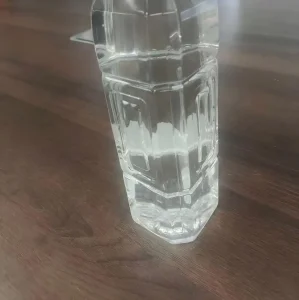
2-Phenoxyethanol, designated by the Chemical Abstracts Service Registry Number CAS 122-99-6, is a glycol ether organic compound used extensively across the cosmetics, personal care, and specialized manufacturing sectors. Represented by the chemical formula C8H10O2, this organic molecule functions as both a preservative booster and an outstanding high-boiling solvent. Under ambient conditions, Phenoxyethanol presents as a clear, colorless, oily liquid with a mild, pleasant scent reminiscent of wild roses.
Historically, cosmetic formulations utilized parabens and formaldehyde-releasing agents to achieve preservation efficacy. However, shifting consumer preferences and stricter regulatory mandates have led formulators to seek safer, more sustainable alternatives. Phenoxyethanol has emerged as the global industry benchmark for broad-spectrum anti-microbial protection. It exhibits exceptional chemical stability, remaining non-reactive in the presence of strong acids, alkalis, or oxidizing agents, and maintains complete structural integrity across a wide pH range of 3.0 to 10.0.
The difference between Cosmetic Grade and Industrial Grade Phenoxyethanol lies in the purification process and the profile of trace impurities. Suzhou Yuantairun Chemical Co., Ltd. employs state-of-the-art multi-stage vacuum distillation units to produce both grades, meeting the unique demands of our global partners.
| Analytical Specification | Cosmetic Grade (Ultra-Pure) | Industrial Grade (Premium) | Test Methodology |
|---|---|---|---|
| Assay (Purity % by GC) | ≥ 99.9% | ≥ 99.0% | Gas Chromatography |
| Appearance | Colorless, Clear Liquid | Slightly Yellowish to Clear | Visual Assessment |
| Free Phenol Content | ≤ 10 ppm (typically < 5 ppm) | ≤ 150 ppm | HPLC Analysis |
| Water Content | ≤ 0.1% | ≤ 0.5% | Karl Fischer Titration |
| Odor Profile | Ultra-low, faint pleasant floral | Characteristic chemical aroma | Sensory Panel |
| Refractive Index (20°C) | 1.537 - 1.539 | 1.535 - 1.540 | Refractometry |
In personal care products, the limit of trace free phenol is a primary safety metric. Our Cosmetic Grade Phenoxyethanol contains less than 10 ppm of free phenol, minimizing skin irritation and sensitizing reactions. This makes it suitable for sensitive skin products, baby wipes, facial creams, and high-end makeup formulations.
Industrial Grade Phenoxyethanol serves as a key raw material for paint coalescing agents, dye printing solvents, metalworking fluids, and synthetic resin plasticizers. While maintaining a purity profile of ≥ 99.0%, it is optimized for high solubility and cost efficiency in heavy industrial settings.
Formulating with Phenoxyethanol requires adjusting strategies based on regional climate variations, local raw material availability, and consumer preferences.
In humid East and Southeast Asian markets, cosmetic products are highly susceptible to mold and yeast growth. Formulators combine 0.6% to 0.8% Phenoxyethanol with 0.1% Ethylhexylglycerin or Caprylyl Glycol. This synergistic blend boosts activity against yeast and mold while maintaining a light, non-sticky texture preferred by local consumers.
Under strict EU cosmetic regulations, Phenoxyethanol is restricted to a maximum concentration of 1.0% in finished products. European formulators often pair it with natural chelating agents (such as Disodium Edetate Dihydrate) and organic acids (like Levulinic Acid) to create clean-label, eco-compliant preservation systems.
North and South American markets demand stable raw materials for high-volume automated production lines. Our Phenoxyethanol acts as an effective viscosity modifier and solubilizer, enabling high-speed processing of surfactant-based body washes and heavy industrial paints.
Understanding the chemical pathway of 2-Phenoxyethanol is essential for quality control. The primary industrial synthesis involves the catalytic ethoxylation of pure phenol with ethylene oxide under high pressure and controlled temperature:
We employ a proprietary high-selectivity alkaline catalyst system that minimizes the generation of unwanted side-products, such as diethylene glycol monophenyl ether. Our continuous gas-phase ethoxylation method ensures that raw materials react completely, keeping the residual phenol in our raw product below detectable limits before entering the distillation phase.
Subsequent multi-stage vacuum fractional distillation removes light ends and heavy residues. The system is monitored via real-time gas chromatography and automated control loops, ensuring batch-to-batch consistency and a constant 99.9% purity level.
Operating out of the Suzhou industrial chemical corridor in Jiangsu Province, China, Suzhou Yuantairun Chemical Co., Ltd. benefits from a robust regional manufacturing network.
Our geographic location provides direct access to primary petrochemical refineries, securing a stable supply of high-purity phenol and ethylene oxide. By avoiding intermediate logistics and relying on dedicated pipeline delivery options, we shield our clients from raw material price volatility.
Suzhou Yuantairun maintains on-site storage facilities capable of holding thousands of metric tons of raw materials and finished products. Coupled with our proximity to Shanghai Port, we guarantee short transit times, just-in-time container shipping, and lower freight costs for international buyers.
For chemical exporters and global brands, compliance with regional chemical inventory regulations is critical. Our 2-Phenoxyethanol CAS 122-99-6 meets international registration requirements:
| Jurisdiction | Regulatory Body / Standard | Permissible Limits & Status | Compliance Documents |
|---|---|---|---|
| European Union | EU REACH Regulation / Cosmetic Regulation (EC) No 1223/2009 | Active REACH Registration; Max 1.0% concentration in cosmetics | REACH Dossier, Annex V Compliant |
| United States | FDA / TSCA (Toxic Substances Control Act) / CIR (Cosmetic Ingredient Review) | Listed on TSCA Inventory; CIR expert panel deems safe up to 1.0% | US SDS, GRAS-certified applications |
| China | IECIC (Inventory of Existing Cosmetic Ingredients in China) 2021 Edition | Listed as approved cosmetic ingredient; Max 1.0% limit | Safety & Technical Standards for Cosmetics (2015) |
| Global Markets | Halal & Kosher Certification / Cruelty-Free Compliance | Approved for vegan, halal, and cruelty-free formulations | Halal & Kosher Certificates |
Additionally, our Cosmetic Grade Phenoxyethanol is manufactured in facilities certified under ISO 9001 (Quality Management System) and ISO 14001 (Environmental Management System), ensuring full traceability from raw material feedstocks to the final shipment.