Explore our foundational surfactants and functional agents engineered to optimize dishwashing, home care, and cosmetic formulations.
Analyzing key structural shifts in raw material synthesis, biosurfactant adoption, and the regulatory environment shaping global dishwashing detergent manufacturing.
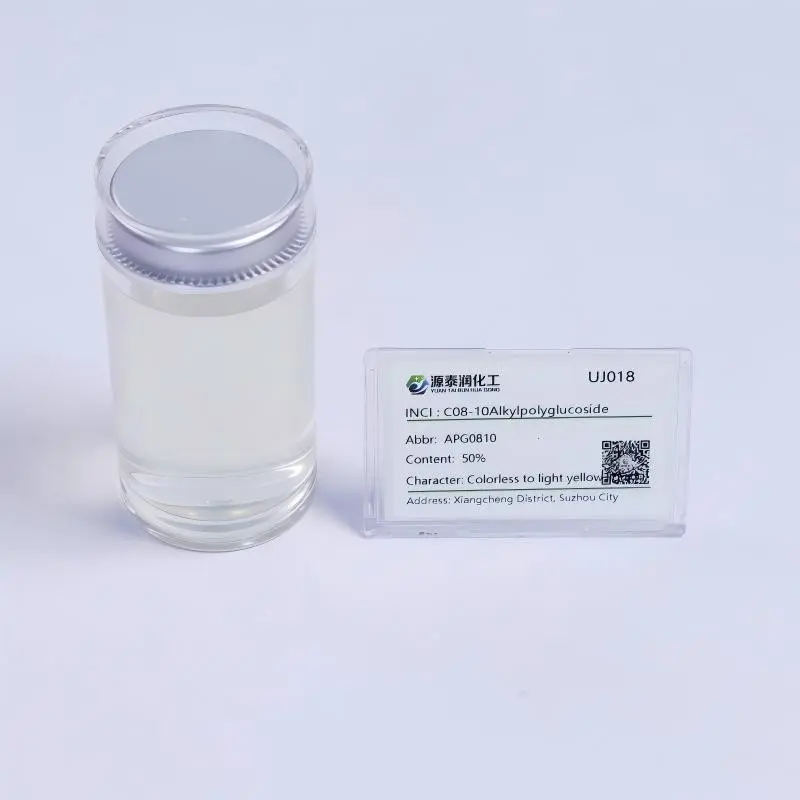
The dishwashing detergent industry is undergoing a structural transition driven by global decarburization targets and consumers seeking eco-responsible products. Traditional petrochemical surfactants like Linear Alkylbenzene Sulfonate (LAS) and Sodium Lauryl Ether Sulfate (SLES) are increasingly complemented or substituted by biological alternatives. Green alkyl glucosides (such as APG0810 Caprylyl/Capryl Glucoside) and amino acid surfactants (such as Sodium Lauroyl Aspartate and Sodium Cocoyl Glycinate) have emerged as pivotal. These raw materials offer excellent biodegradation profiles, minimize aquatic toxicity, and exhibit synergism when blended with anionic surfactants to lower the critical micelle concentration (CMC), boosting degreasing performance.
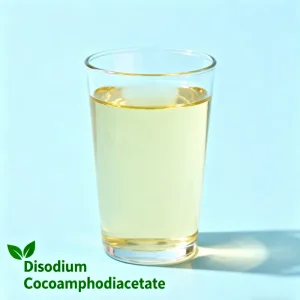
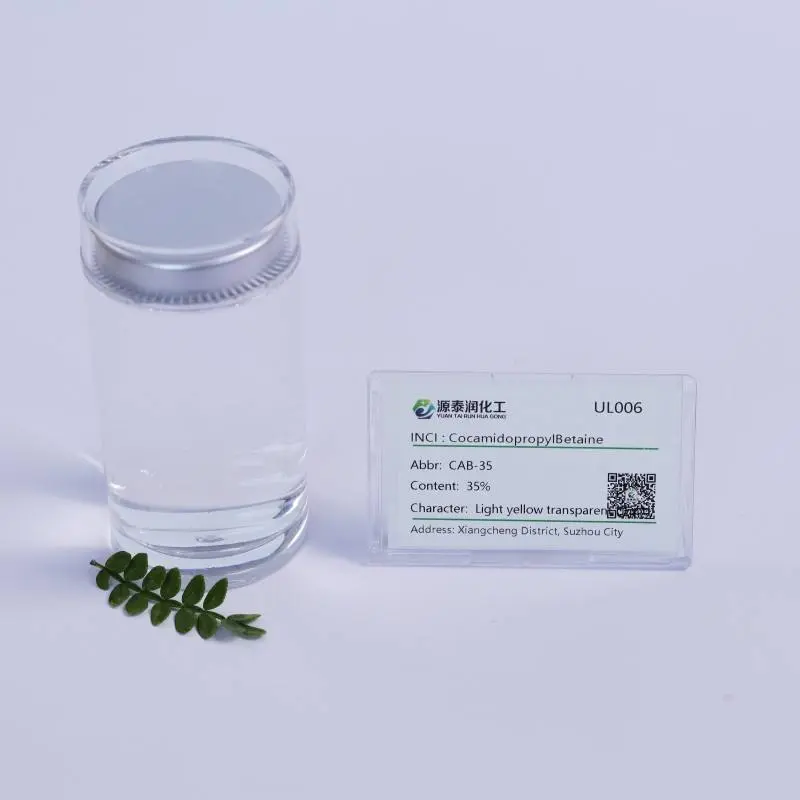
Manual dishwashing formulations require raw materials that selectively disperse lipids without stripping the epidermal barrier of human skin. This necessitates balancing anionic surfactants with amphoteric agents like Cocamidopropyl Betaine (CAB-35) or Disodium Cocoamphodiacetate. These secondary surfactants build stable micelles that slow down the penetration rate of harsher cleaning agents into the stratum corneum, significantly lowering irritation scores while preserving the rich, stable foam structure preferred by consumers.
Modern liquid, gel, and unit-dose (pod) detergent formats demand precise physical stability profiles. This is achieved using cross-linked acrylic polymers like Carbomer 940/980 and emulsion thickeners (e.g., Hydroxyethyl Acrylate/Sodium Acryloyldimethyl Taurate Copolymer). These ingredients provide high yield value and pseudoplastic flow behaviour, which stabilizes suspended active enzymes, fragrances, or visual scrubbing particles while ensuring rapid product dispersion in warm or cold wash water.
Formulated for excellent solubility, high-performance dirt emulsification, and premium formulation stability.
An expert analysis of international logistics, chemical quality assurance, and compliance parameters for bulk chemical buyers.
Large-scale FMCG detergent brands run lean production cycles. A delay in the supply of critical active surfactants can halt automated filling lines. To address this, global procurement officers seek suppliers with robust production capacity and flexible chemical storage configurations. We prioritize JIT raw material delivery, maintaining safety buffers of core surfactants like PEG-7 Glyceryl Cocoate and Cocamide MEA to ensure stable production timelines and eliminate supply interruptions.
Even minor batch-to-batch variations in surfactant active content or color value can alter the viscosity, odor, or clarity of the final dishwashing liquid. Leading suppliers employ advanced gas chromatography (GC) and high-performance liquid chromatography (HPLC) to verify active concentrations, free-amine levels, and residual monomer limits. Ensuring compliance with strict parameters for impurities, such as trace 1,4-Dioxane limits in ethoxylated compounds, is critical for international regulatory approval.
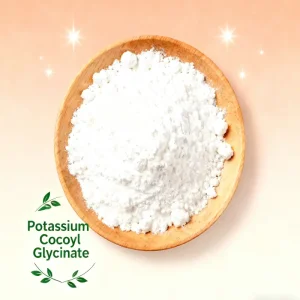
In bulk surfactant purchasing, direct chemical cost per kilogram is only part of the equation. Freight, water content in liquid products, customs tariffs, and handling costs contribute to the total cost. Savvy procurement teams opt for concentrated surfactant powders, such as Potassium Cocoyl Glycinate 95%, to reduce water weight during transcontinental shipping. This lowers carbon footprints and transportation costs while improving mixing flexibility in local plants.
We assure you that our products originate from well-managed and sustainable resources.

Provide a comprehensive and rich catalog of chemical raw materials and solutions.

Advanced lab support offering tailored ODM and OEM formulation development.

Our material is superior in quality and cost-effective for global chemical plants.

Materials and products are delivered exactly when needed in the production process.
As a leading supplier in the daily chemical raw materials industry, Suzhou Yuantairun Chemical Co., Ltd. is dedicated to delivering high-quality products and comprehensive one-stop services to support our customers in R&D, production, and supply chain optimization. Our mission is to drive innovation and efficiency in the global daily chemical industry by providing cutting-edge solutions tailored to our clients' needs.



Providing specialized solutions across household cleaning, industrial degreasing, personal care, and textile treatments.

Application: Home Care (Laundry Detergent, Cleaners)
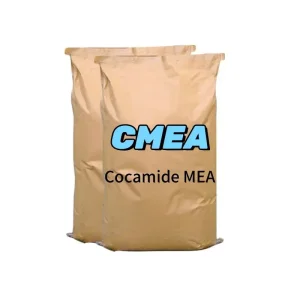
Advantages: Uses SLES and AOS as core surfactants for superior cleaning and rich foam. Combined with thickener CMEA (Cocamide MEA) for optimal viscosity and user experience. Eco-friendly, mild formula reduces skin irritation while maintaining high cleaning performance.

Application: Personal Care (Facial Cleansers, Body Wash)
Advantages: Features Sodium Cocoyl Glutamate and Sodium Lauroyl Sarcosinate for ultra-mild cleansing, ideal for sensitive skin. Natural amino acid surfactants produce fine, easy-to-rinse foam. ECOCERT compliant, meeting clean beauty standards.

Application: Textile Care (Fabric Conditioners)
Advantages: Utilizes cationic surfactant 1631 70 (Cetrimonium Chloride) for enhanced fabric softness and anti-static properties. Concentrated formulation reduces packaging and transportation costs. Compatible with cold-water wash systems.

Application: Personal Care (Shower Gels, Shampoos)
Advantages: Combines amphoteric CAB-35 (Cocamidopropyl Betaine) and non-ionic APG1214 (Lauryl Glucoside) for rich, low-residue lather. Sulfate-free formulas minimize skin dryness. Includes Xanthan Gum for improved phase stability.

Application: Industrial Cleaning (Machinery, Vehicle Oil Removal)
Advantages: Powered by LAS and solvent EGDS for rapid breakdown of tough grease. Enhanced biodegradability with Alkaline Lipase. Highly concentrated formula, dilutable for cost-effective use.
Navigating global regulatory systems and carbon reduction roadmaps through smart formulation design.
Chemical suppliers must ensure all surfactants comply with regional directives. In the EU, surfactants must meet REACH registration requirements and satisfy anaerobic biodegradability standards under the EU Detergents Regulation (EC) No 648/2004. In North America, formulas are designed around EPA Safer Choice standards. This requires replacing traditional chelating agents like Tetrasodium EDTA with biodegradable alternatives (such as GLDA or Disodium Edetate Dihydrate) and ensuring zero bioaccumulation across the ingredient profile.
As hot water usage accounts for the majority of greenhouse gas emissions during dishwashing cycles, formulation design is shifting toward cold-water efficiency. Raw material suppliers optimize surfactants to maintain low surface tension and high emulsification rates at 15°C–20°C. This is achieved by combining low-foaming ethoxylated alcohols with highly soluble non-ionic sugar-based surfactants (APGs), which exhibit rapid diffusion to the oil-water interface even in cold water.
The drive to minimize packaging waste has led to the popularity of solid tablets, powders, and waterless sheets. In these systems, liquid components are replaced with powder carriers. Surfactants like Potassium Cocoyl Glycinate or Disodium Lauryl Sulfosuccinate in powder forms allow brand owners to compress detergent ingredients into highly stable solids. This eliminates water shipping weight, reduces plastic usage, and aligns with corporate sustainability initiatives.
Tailored manufacturing, processing, and application services supporting global home and personal care brands.

We customize formulas according to your target scenarios—such as hospitality, salon networks, or retail distribution channels. Providing multi-functional formulations, diverse packaging styles, and tailored cost-to-performance options.
Customization options for fragrance profiles, packaging specifications, and structural application scopes. Engineered to work efficiently across high-efficiency (HE) washing machines and manual wash setups.
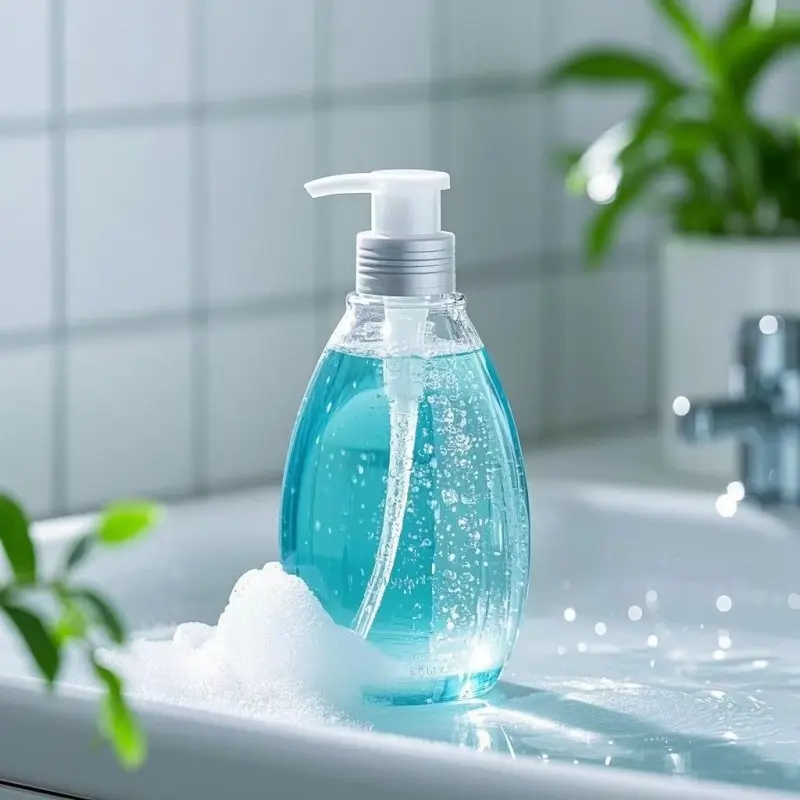
Designed for public facilities, commercial shopping centers, hospitality, restaurants, and consumer retail markets. Formulation balances cost efficiency, stable foam generation, and hand skin moisturization.
Do you have any demand ? Contact us now !
Inquiry NowReal-time understanding of enterprise dynamics, formulation advice, and surfactant innovations.
Are you looking for a milder anionic surfactant for your premium formula? Runtec®SCI85 enhances your formula with a gentle, refreshing wash feeling.
Runtec®SCA-30: Sodium Cocoyl Alaninate-An oil-resistant amino acid surfactant with excellent foaming properties, specifically designed for use in shampoos.
This is a skin moisturizer compatible with various oils and featuring strong dispersing power for advanced creams and emulsions.
Scientific explanations addressing formulation stability, surfactant compatibility, and performance optimization for dishwashing products.
Explore our selection of thickening agents, solvents, and specialty ingredients for custom chemical manufacturing.