Disodium Cocoamphodiacetate 39% (CAS NO.: 68650-39-5) is a highly purified, zwitterionic (amphoteric) surfactant derived from natural coconut oil fatty acids. Functioning as a dual-action foaming enhancer and viscosity builder, it represents the gold standard of mildness in modern personal care formulations. Unlike harsh anionic counterparts, Disodium Cocoamphodiacetate features a unique zwitterionic structure where both positive and negative charges coexist on the same molecule within the typical pH operating range of cosmetics (pH 5.0 to 8.0).
This amphoteric nature allows it to demonstrate exceptional compatibility with anionic, cationic, and non-ionic surfactants. Under acidic conditions, it takes on cationic behaviors, enhancing conditioning and deposition on hair and skin. Under alkaline conditions, it exhibits anionic characteristics, augmenting foam generation and detergency. The 39% active dilution is specifically engineered to provide optimal handling viscosity in the plant, avoiding the high-viscosity gel phases common in higher concentration alternatives while maximizing economic active content.
| Specification Parameter | Target Control Value | Test Methodology |
|---|---|---|
| Appearance (25°C) | Clear to Light Yellow Viscous Liquid | Visual Inspection |
| Active Matter (%) | 38.0 - 41.0% (Nominal 39%) | Mass Balance / Titration |
| pH Value (10% aqueous sol.) | 8.0 - 9.5 | Potentiometric Electrode |
| Free Monochloroacetic Acid (MCA) | < 5 ppm | High-Performance Liquid Chromatography (HPLC) |
| Sodium Chloride Content (%) | 8.5 - 11.0% | Silver Nitrate Argentometric Titration |
| Free Coconut Amine (%) | < 1.0% | Wet Chemical Titration |
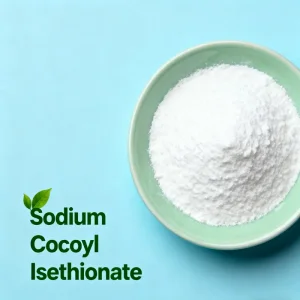
In modern personal care systems, consumer acceptance is heavily predicated on sensory performance. Disodium Cocoamphodiacetate 39% plays a pivotal role in optimizing foam kinetics and micellar rheology. When co-formulated with primary anionic surfactants such as Sodium Laureth Sulfate (SLES) or Sodium Cocoyl Isethionate (SCI), it inserts itself between the anionic head groups. This reduces electrostatic repulsion within the mixed micelle, leading to several key performance improvements:
It dramatically reduces the irritation profile of harsh anionic surfactants, reducing skin protein denaturation (Zein values) by over 40% when substituted at 15-20% of the active surfactant package.
It generates dense, creamy, small-bubble lather structures that persist even in the presence of hard water and natural sebum, preventing the rapid drainage of bubble walls.
By promoting the transition from spherical micelles to rod-like micelles, it acts as an efficient viscosity booster, reducing the total amount of inorganic salt (NaCl) required to achieve body-enhancing thickness.
Retains its outstanding performance in calcium-heavy water systems where traditional anionics tend to precipitate and lose functionality.
Disodium Cocoamphodiacetate 39% is highly versatile. Below are four key application areas where its mildness and structural properties are highly valued:
Due to its minimal interaction with epidermal proteins, it is widely utilized in physiological pH (5.5) facial cleansers. It lifts sebum and makeup without stripping the stratum corneum lipid barrier, leaving a soft, non-dry after-feel.
The extremely low ocular irritation index makes it the primary surfactant for pediatric applications. It counteracts the stinging sensation of other cleansers, ensuring safety in baby care formulations.
In modern prestige hair care, formulated without sulfates, Disodium Cocoamphodiacetate 39% acts as a critical secondary surfactant to enhance foam volume, build viscosity, and improve hair manageability.
For mucosal membranes requiring a low pH environment (around 4.0 - 4.5), it retains structural stability and foaming capacity without disrupting microflora equilibrium.
| Application Category | Recommended Dosage (%) | Primary Synergist | Performance Target achieved |
|---|---|---|---|
| Baby Cleanse / Tear-Free | 8.0% - 15.0% | Sodium Cocoyl Glutamate | Zero eye irritation, dense creamy foam |
| Sulfate-Free Shampoos | 5.0% - 12.0% | Sodium Lauroyl Sarcosinate | Viscosity improvement, hair detangling |
| Micellar Waters / Cleansers | 1.0% - 3.0% | Decyl Glucoside | Efficient makeup removal, no rinse-off residue |
| Sulfate-Based Body Washes | 3.0% - 8.0% | Sodium Laureth Sulfate (SLES) | Irritation reduction, foam bubble enrichment |
As a leading Chinese chemical manufacturer, Suzhou Yuantairun Chemical Co., Ltd. has established a highly optimized production and logistics framework. Located in Suzhou, Jiangsu Province, we leverage regional raw material integration and logistics to provide competitive advantages for global buyers:
Our proximity to major domestic ports enables efficient sourcing of high-purity coconut-derived fatty acids and amidoamines. This feedstock control ensures reliable cost structure stability and consistent batch production schedules.
We utilize automated continuous loop reactors to manage the critical step of alkylating cocoyl imidazoline. This limits the formation of free monochloroacetic acid (MCA) and dichloroacetic acid (DCA) to trace parts-per-million (ppm), ensuring safety compliance.
Every single export batch undergoes GC-MS and HPLC validation. Retention samples are stored for 24 months, providing full traceability from raw materials through delivery to international formulations sites.
Located near the Port of Shanghai, our facilities support rapid consolidation, customs clearance, and direct ocean freight. This allows us to maintain stable, reliable lead times to European, American, and Asia-Pacific hubs.
Compliance is essential for global personal care formulations. Our Disodium Cocoamphodiacetate 39% complies with key chemical safety and environmental regulations worldwide:
Fully registered under EU and UK REACH. Complete dossier coverage enables smooth imports and regulatory alignment for EU and UK cosmetics manufacturers.
Fully compliant with the Inventory of Existing Cosmetic Ingredients in China (IECIC). Approved for domestic Chinese production and global exports targeting the Chinese cosmetics market.
Manufactured under strict processing standards, certified by global Halal and Kosher bodies, facilitating integration into clean-label products.
We support RSPO Mass Balance (MB) certification pathways upon request, ensuring responsible palm sourcing to align with corporate sustainability targets.
Application: Home Care (Laundry Detergent, Cleaners)
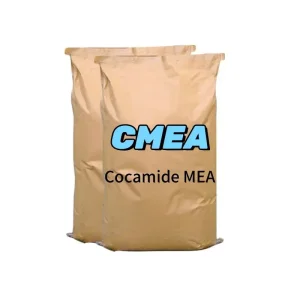
Advantages: Uses SLES (Sodium Laureth Sulfate) and AOS (Sodium Alpha-Olefin Sulfonate) as core surfactants for superior cleaning and rich foam. Combined with thickener CMEA (Cocamide MEA) for optimal viscosity and user experience. Eco-friendly and mild formula, compliant with international standards, reduces skin irritation while maintaining strong cleaning performance.
Application: Personal Care (Facial Cleansers, Body Wash)
Advantages: Features Sodium Cocoyl Glutamate and Sodium Lauroyl Sarcosinate for ultra-mild cleansing, ideal for sensitive skin. Natural amino acid-based surfactants produce fine, easy-to-rinse foam while retaining moisture. Certified by ECOCERT, meeting the demand for clean beauty in premium markets.
Application: Textile Care (Fabric Conditioners)
Advantages: Utilizes cationic surfactant Cetrimonium Chloride for enhanced fabric softness and anti-static properties. Concentrated formula reduces packaging and transportation costs, improving sustainability. Compatible with cold-water washing, supporting energy-efficient laundry practices.
Application: Personal Care (Shower Gels, Shampoos)
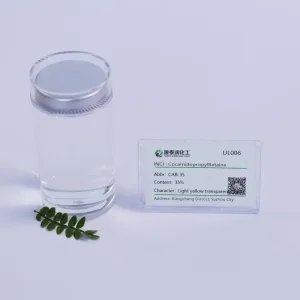
Advantages: Combines amphoteric CAB-35 (Cocamidopropyl Betaine) and non-ionic APG1214 (Lauryl Glucoside) for rich, low-residue lather. Sulfate-free formula minimizes skin dryness, suitable for children and sensitive skin. Includes thickener Xanthan Gum for improved stability and luxurious texture.
Application: Industrial Cleaning (Machinery, Vehicle Oil Removal)
Advantages: Powered by LAS (Linear Alkylbenzene Sulfonate) and solvent EGDS (Glycol Distearate) for rapid breakdown of tough grease. Enhanced biodegradability with Alkaline Lipase, meeting industrial wastewater regulations. Highly concentrated formula, dilutable for cost-effective use, reducing overall operational expenses.
We customize solutions based on your target market and usage scenarios—including hotels, professional salons, and consumer retail. We support multi-functional features, various packaging configurations, and customizable price points.
Fragrance profiles, active ingredient concentrations, and packaging sizes can be customized to meet regional market standards and environmental goals.
Tailored formulations designed for commercial, retail, and restaurant environments, balancing effective cleansing with skin hydration.