Explore our foundational surfactants, thickeners, and functional cosmetic raw materials engineered for maximum performance stability.
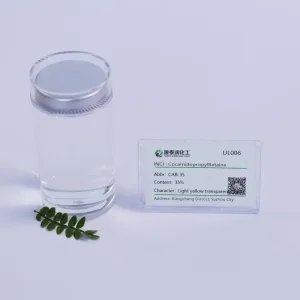
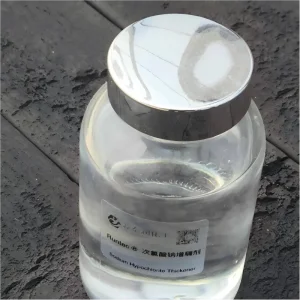
Fabric conditioners demand raw materials that establish structural integrity and electrostatic compatibility with negatively charged textile fibers. At Suzhou Yuantairun Chemical, we specialize in high-efficiency cationic surfactants, focusing on quaternary ammonium compounds (QACs) such as Esterquats (mainly Di-alkyl Ester Ammonium Methosulfate) and Alkyl Dimethyl Ammonium Chlorides (like Cetrimonium Chloride 1631).
During the washing process, textile surfaces naturally develop negative electrostatic charges. The hydrophilic cationic head of the surfactant molecule actively binds to these negative sites on the fiber surface through electrostatic attraction, leaving the hydrophobic fatty alkyl chains oriented outward. This creates a uniform molecular mono-layer film. The resulting lubricated layer drastically reduces fiber-to-fiber dynamic friction, imparting the distinct softness consumers expect, while simultaneously dissipating static electricity, smoothing fiber alignment, and reducing wrinkle formation.
| Chemical Compound Class | Typical CAS No. | Biodegradability Rate | Primary Application Performance Value |
|---|---|---|---|
| Esterquats (Methyl Triethanolamine Quaternary) | 91995-81-2 | High (>90% OECD 301) | Excellent eco-profile, non-yellowing softness for consumer liquids |
| Cetrimonium Chloride (1631 70) | 112-02-7 | Moderate | High-stability industrial softening, superior anti-static control |
| Stearalkonium Chloride | 122-19-0 | Moderate | Excellent hair care deposition & heavy textile processing |
The manufacturing landscape for fabric softener surfactants is undergoing a significant transition toward green synthesis and formulation concentration. The technological roadmap focuses on three pillars:
How Suzhou Yuantairun solves formulation challenges across home care, textile manufacturing, and institutional laundering.
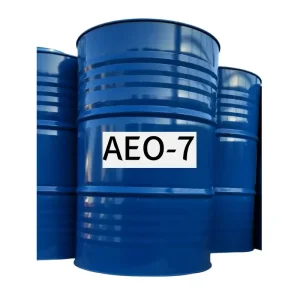
Highly concentrated liquid fabric softeners (typically containing 10% to 20% active cationic matter) are susceptible to viscosity changes, phase separation, and gelation during transit. We offer customized formulations combining cationic surfactants with nonionic stabilizers like AEO-7 or AEO-9, along with precise thickeners, ensuring shelf-life stability across diverse temperature ranges.
Textile mills require surfactants that can withstand high temperatures, mechanical shear, and acidic conditions. Our Cetrimonium Chloride 1631 series is optimized to deliver consistent textile finish lubrication without causing yellowing, preserving the natural color profile of cotton, linen, and synthetic fabrics.
Commercial laundries demand high concentration levels to minimize logistics costs and carbon footprint. We design low-viscosity, high-active esterquat concentrates (up to 90% active matter) optimized for direct bulk dilution systems, yielding high throughput and reducing plastic waste.
Our state-of-the-art production facilities utilize advanced chemical process automation to ensure batch-to-batch consistency. By deploying automated gas chromatography, online mass spectrometry, and precise reactor control loops, we control free amine contents and molecular weight distributions to very narrow tolerances.
Suzhou Yuantairun Chemical is situated in China's eastern chemical manufacturing hub, providing us with direct access to upstream raw material streams, stable utility resources, and robust logistics infrastructure. With proximity to the Port of Shanghai and Ningbo-Zhoushan Port, we provide flexible transport options, helping you mitigate international ocean freight risks and keep your production lines moving.


Compliance is critical in international chemical procurement. We maintain a dedicated regulatory affairs team to ensure our products align with the target market's safety and regulatory frameworks, including EU-REACH, US TSCA, China's IECIC, and regional GHS labeling requirements.
We work closely with global distribution networks to support localized customs clearance and provide just-in-time delivery services. Our regulatory packages include detailed safety data sheets (SDS) in regional languages, comprehensive Certificates of Analysis (COA), and technical data sheets (TDS). This documentation stream helps speed up your internal quality control steps, reducing the time required to introduce new products to market.
Your strategic chemical growth partner, providing reliable product quality and robust technical support.
We provide a comprehensive range of surfactant options, raw materials, and thickeners, allowing you to source your formulation ingredients from a single provider.
Our laboratory offers customized synthesis, product characterization, and formulation optimization to support your specific application demands.
Leveraging efficient manufacturing processes, centralized material sourcing, and operational scale, we deliver premium performance at competitive price points.
Our logistics network manages key inventory levels and shipment coordination to ensure your deliveries align with your production schedule.
Our products are engineered to support formulation performance across diverse personal care, home care, and industrial applications.





Uses SLES (Sodium Laureth Sulfate) and AOS (Sodium Alpha-Olefin Sulfonate) as core surfactants for cleaning performance and foam generation. Combined with thickener CMEA (Cocamide MEA) for rheology control. Provides mild cleansing action that helps maintain fabric integrity while delivering reliable performance.
Utilizes Sodium Cocoyl Glutamate and Sodium Lauroyl Sarcosinate for gentle cleansing action suited for sensitive skin formulations. These amino acid-derived surfactants create a fine foam profile, carry Ecocert certification options, and support modern clean beauty standards.
Formulated around cationic surfactant 1631 (Cetrimonium Chloride) to provide softness and anti-static control. Highly concentrated versions help lower packaging and shipping costs, while maintaining stability in cold-water conditions.
Technical answers to common queries regarding cationic surfactants and their application profiles.
Esterquats contain weak ester linkages within their hydrophobic hydrocarbon chains. These bonds hydrolyze easily in wastewater systems, giving esterquats a strong biodegradability profile and low toxicity to aquatic life compared to traditional dialkyl dimethyl ammonium chlorides (such as DHTDMAC). Consequently, Esterquats serve as the standard choice for consumer liquid fabric softeners.
Viscosity drift is typically resolved by adding nonionic surfactants (such as AEO-7, AEO-9, or PEG esters) and alcohol-based co-solvents (like isopropanol or propylene glycol) to control micellar structures. Incorporating specialized polymeric thickeners also helps maintain stable formulation viscosity across changing storage temperatures.
In standard conditions, mixing anionic and cationic surfactants directly results in the formation of an insoluble charge-neutral complex, causing precipitation. Two-in-one laundry detergents manage this compatibility by using nonionic or amphoteric co-surfactants, or by incorporating specialized microencapsulation technology to isolate the cationic agents until the final rinse phase.
We provide a variety of packaging formats, including 200kg plastic drums, 1000kg IBC totes, and bulk flexitanks for large liquid shipments. Our solid and powder products are packaged in 25kg multi-layer kraft paper bags with PE inner liners. All packaging complies with international transport standards.
Explore our selection of specialty thickeners, mild amphoteric surfactants, and skin conditioning agents designed to support your product line.