Explore our catalog of high-purity chemical bases engineered to optimize fragrance stability and foam dynamics in modern face wash systems.
Analyzing the intersection of sensory experience, consumer neuroscience, and chemical stability in modern cosmetics.
In the contemporary personal care landscape, facial cleansers are no longer assessed solely on their ability to emulsify sebum and remove environmental pollutants. Olfactory stimulation acts as a critical cognitive anchor for consumers, signaling purity, freshness, and scientific efficacy. As leading face wash fragrance factories and exporters, we understand that scent delivery in a rinse-off product is a highly sophisticated thermodynamic challenge. The fragrance must remain stable within complex surfactant matrices and volatilize harmoniously upon contact with warm water.
Research in sensory psychology highlights that the primary scent note encountered during facial cleansing dictates the consumer's perception of formula gentleness and brand authority. By combining targeted head-space analysis with precise micellar incorporation, modern fragrance design ensures that top notes remain encapsulated within surfactants like Lauryl Hydroxysultaine or Sodium Lauroyl Oat Amino Acids until mechanical agitation triggers release. This controlled volatilization mechanism maximizes the "bloom" of the fragrance during use, transforming a routine task into a premium wellness experience.
Information Gain Insight: The molecular weight and vapor pressure of fragrance compounds must be tailored relative to the Critical Micelle Concentration (CMC) of the cleanser's surfactant blend. Scent compounds with low log Kow partition coefficients reside primarily in the continuous aqueous phase, blooming immediately, whereas hydrophobic molecules remain solubilized inside micelles, lingering longer on the skin.
Navigating solubilization, viscosity stability, and optical clarity in scented face washes.
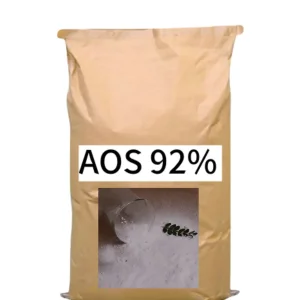
Developing a stable, crystal-clear, scented facial cleanser requires balancing hydrophobic fragrance oils and hydrophilic surfactant systems. Anionic surfactants like Sodium Alpha-olefin Sulfonate (AOS 92%) provide powerful foaming dynamics, but their high ionic strength can cause fragrance separation. To mitigate this risk, formulators employ amphoteric co-surfactants such as Disodium Cocoamphodiacetate 39%. This combination screens headgroup repulsions, yielding denser micellar structures that encapsulate fragrance molecules more securely.
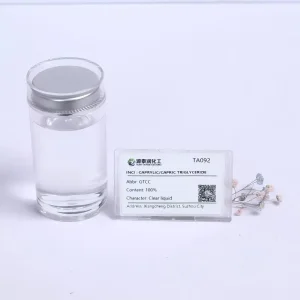
Furthermore, structural thickeners and non-ionic stabilizers like PEG-120 Methyl Glucose Dioleate are crucial. They form a three-dimensional network that prevents the coalescence of fragrance droplets. If the formulation includes botanical oils or lipid-restoring agents like Caprylic/Capric Triglyceride, the fragrance matrix must be adjusted to prevent turbidity. Preserving the system's aesthetic clarity and olfactory profile over time also requires specialized preservatives, such as 1,2-Octanediol or Casson Preservative, which inhibit microbial growth without disrupting the surfactant-fragrance micelles.
| Surfactant Type | Representative Chemical | Fragrance Solubility Influence | Foaming & Bloom Impact |
|---|---|---|---|
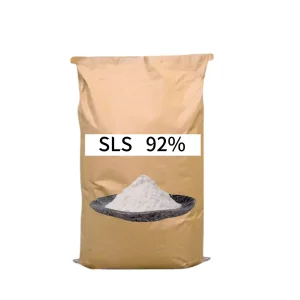
| Anionic (High Active) | AOS 92% / SLS Powder | High ionic strength; requires precise solubilizers. | Creates rapid, voluminous foam that accelerates top-note bloom. |
| Amphoteric | CAB-35 / Disodium Cocoamphodiacetate | Reduces micellar tension; enhances encapsulation. | Generates dense, creamy lather, delaying middle-note release. |
| Non-ionic (Glucosides) | APG0810 / Cocoyl Glucoside | Highly compatible with organic fragrance oils. | Maintains stability in sensitive, low-irritation formulations. |
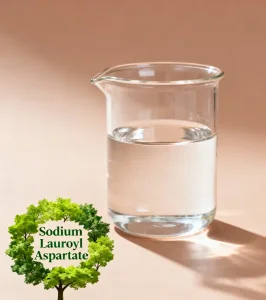
| Amino Acid Based | Sodium Lauroyl Aspartate / Oat Amino Acids | Fragile micellar structure; sensitive to polar fragrance compounds. | Delivers ultra-gentle, skin-comforting scent profiles. |
Years R&D Experience
Global Brands Served
IFRA & REACH Compliant
Supply Chain Monitoring
Tailoring olfactory formulation strategies to match geographic consumer profiles and regulatory climates.
Consumers prioritize subtle, nature-identical notes like white tea, cherry blossom, and green tea. The formulation focus is on hypoallergenic profiles compatible with ultra-mild surfactants such as Sodium Cocoyl Apple Amino Acids and Sodium Taurine Cocoyl Methyltaurate. Crystal-clear formulations are highly valued, requiring precise fragrance solubilization.
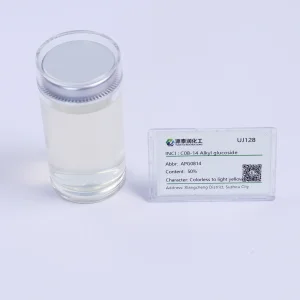
Driven by strict clean-beauty regulations and ecological awareness. Natural, herbal, and woody notes (e.g., lavender, rosemary, sandalwood) are preferred. Formulations must comply with the 26 allergenic substances labeling mandate under EU Cosmetics Regulation (EC) No 1223/2009. Biodegradable, green-chemistries like Alkyl Glucoside (APG0814) are utilized as primary carriers.
Characterized by a diverse demand ranging from dermatological, unscented/clinical profiles to bold, experiential fragrances like citrus, mint, and tropical botanicals. The growing "Sulfate-Free" movement requires fragrances that perform well in alternative systems like Sodium Lauroyl Sarcosinate and Cocamidopropyl Betaine (CAB-35).
Practical application routes showing how our daily chemical raw materials solve real-world formulation challenges.
Application: Home Care (Laundry Detergent, Cleaners)
Advantages: Uses SLES and AOS as core surfactants for superior cleaning and rich foam. Combined with thickener CMEA for optimal viscosity. Eco-friendly and mild formula, compliant with international standards, reduces skin irritation while maintaining strong cleaning performance.
Application: Personal Care (Facial Cleansers, Body Wash)
Advantages: Features Sodium Cocoyl Glutamate and Sodium Lauroyl Sarcosinate for ultra-mild cleansing, ideal for sensitive skin. Natural amino acid-based surfactants produce fine, easy-to-rinse foam while retaining moisture. Certified by ECOCERT, meeting the demand for clean beauty in premium markets.
Application: Industrial Cleaning (Machinery, Vehicle Oil Removal)
Advantages: Powered by LAS and solvent EGDS for rapid breakdown of tough grease. Enhanced biodegradability with Alkaline Lipase, meeting industrial wastewater regulations. Highly concentrated formula, dilutable for cost-effective use, reducing overall operational expenses.
Application: Textile Care (Fabric Conditioners)
Advantages: Utilizes cationic surfactant 1631 70 (Cetrimonium Chloride) for enhanced fabric softness and anti-static properties. Concentrated formula reduces packaging and transportation costs, improving sustainability. Compatible with cold-water washing, supporting energy-efficient laundry practices.
Application: Personal Care (Shower Gels, Shampoos)
Advantages: Combines amphoteric CAB-35 and non-ionic APG1214 (Lauryl Glucoside) for rich, low-residue lather. Sulfate-free formula minimizes skin dryness, suitable for children and sensitive skin. Includes thickener Xanthan Gum for improved stability and luxurious texture.
Application: Institutional & Retail (Hotels, Barbershops, Consumer Brands)
Advantages: We customize formulations according to your specific use scenarios. Offering multi-functional options, diverse packaging designs, and varying price tiers to balance performance and margin requirements.
Pioneering the next generation of biodegradable, skin-microbiome-friendly fragrance technologies.
The regulatory and environmental pressures on synthetic, non-biodegradable musk compounds (e.g., polycyclic musks) have accelerated the shift toward natural-identical, readily biodegradable alternatives. Future fragrance formulations utilize advanced biotechnology, including enzyme-catalyzed synthesis and fermentation-derived terpenes. These bio-derived molecules are designed to break down into non-toxic metabolites in wastewater systems, ensuring minimal impact on aquatic life.
Standard fragrance oils can sometimes disrupt the fragile skin microbiome. Emerging technologies focus on encapsulation techniques using plant-derived polysaccharides or liposomes. By protecting the skin barrier and using gentle ingredients like Glyceryl Glucoside 30% and Sodium Lauroamphoacetate L-32, formulators can design face washes that provide a rich sensory experience without inducing irritation or altering beneficial microflora.
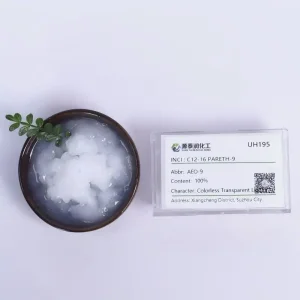
To reduce energy consumption during manufacturing, there is growing demand for cold-processable surfactants and fragrance binders. Ingredients such as APG0810 (Caprylyl/Capryl Glucoside) and AEO-9 Polyoxyethylene Ether allow for rapid emulsification and solubilization of fragrance components at ambient temperatures (20–25°C). This eliminates the heating phase, helping brands reduce their carbon footprint during production.
How Suzhou Yuantairun Chemical Co., Ltd. secures global supplies through technical innovation and manufacturing scale.
As a leading supplier in the daily chemical raw materials industry, Suzhou Yuantairun Chemical Co., Ltd. is dedicated to delivering high-quality products and comprehensive one-stop services to support our customers in R&D, production, and supply chain optimization. Our mission is to drive innovation and efficiency in the global daily chemical industry by providing cutting-edge solutions tailored to our clients' needs.
Operating out of Suzhou, a major chemical manufacturing hub in China, we leverage highly integrated upstream chemical precursors and state-of-the-art logistics infrastructure. This geographic advantage allows us to offer unmatched price competitiveness and secure lead times, ensuring your production lines remain uninterrupted, even during global supply chain fluctuations.



We provide a comprehensive portfolio of daily chemical raw materials, ranging from primary surfactants (AOS, SLS) to mild amino acid alternatives and specialized preservatives, streamlining your sourcing process.

Our fully equipped laboratories offer custom OEM/ODM formulation design. We assist clients in optimizing fragrance stability, foam rheology, and skin-mildness metrics.

Through highly optimized manufacturing processes and raw material scale, we deliver premium-quality chemical products at highly competitive prices.

Our mature logistics network ensures materials are delivered exactly when needed in your production cycle, minimizing warehousing costs and optimizing inventory turnover.
Ensuring export products conform to strict international chemical and environmental mandates.
Exporting daily chemical raw materials and fragrance components to international markets like the European Union, North America, and Southeast Asia requires strict adherence to regulatory standards. All chemicals exported by Suzhou Yuantairun are manufactured under ISO 9001 and ISO 14001 certification frameworks. Each batch is accompanied by comprehensive documentation, including Safety Data Sheets (SDS), Certificates of Analysis (COA), and heavy metal assays.
For skincare applications, our surfactant and preservative range complies with key international standards:
Answers to common technical queries from cosmetic chemists, procurement leads, and export partners.
Looking for a reliable manufacturing partner for your face wash formulations?
Send Inquiry NowComplete your cosmetic formulations with our range of high-performance moisturizing agents, thickeners, and functional bases.