Explore our high-purity chemical components engineered to deliver optimum performance in stability, emulsification, and rheology control.
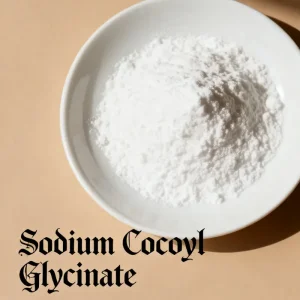

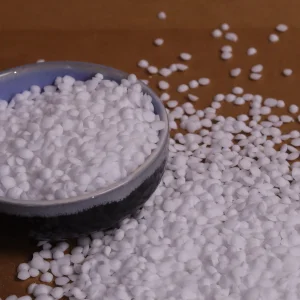
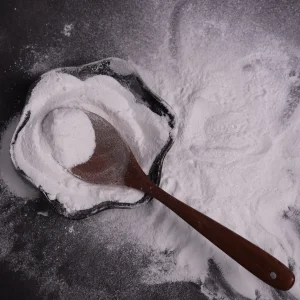
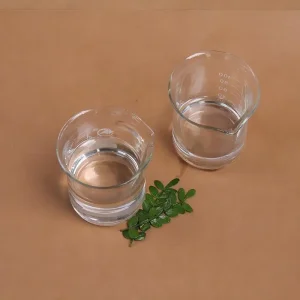
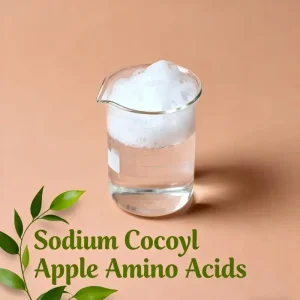
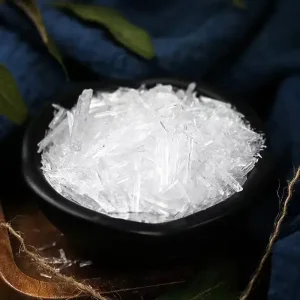
Fatty Alcohol Ether Sulfate, commonly recognized in the chemical and personal care industries as Sodium Laureth Sulfate (SLES), is a highly effective anionic surfactant. Structurally, it consists of an ethoxylated lauryl alcohol chain capped with a polar sulfate headgroup. The ethoxylation step (represented by the inclusion of ethylene oxide moles, usually denoted as 1EO, 2EO, or 3EO) inserts ether linkages between the fatty alkyl group and the sulfate group. This molecular architecture significantly reduces skin irritation potential compared to non-ethoxylated counterparts such as Sodium Lauryl Sulfate (SLS), while maintaining excellent foaming, wetting, and detergent properties.
At Yuantairun, we leverage advanced SO3 continuous thin-film sulfation technology to produce high-concentration (70% active matter) and low-concentration (28% active matter) SLES. Our manufacturing processes are meticulously controlled to limit impurities, such as unreacted fatty alcohols, inorganic salts, and crucially, 1,4-dioxane—a trace byproduct that global regulatory bodies tightly govern.
| Parameters | SLES 70% (Industrial & Cosmetic Grade) | SLES 28% (Dilute Formulation Grade) | Standard Testing Methods |
|---|---|---|---|
| Appearance (at 25°C) | White to Light Yellow Paste | Clear Colorless to Light Yellow Liquid | Visual Inspection |
| Active Matter (%) | 70.0 ± 2.0 | 28.0 ± 1.0 | GB/T 13531.1 / ISO 2271 |
| Unsulfated Matter (%) | ≤ 2.0 (based on 70% active) | ≤ 1.0 | Ether Extraction |
| Sodium Sulfate (%) | ≤ 1.0 (based on 70% active) | ≤ 0.6 | Gravimetric Method |
| pH Value (1% aq. sol) | 7.0 - 9.5 | 7.0 - 8.5 | Potentiometric pH Meter |
| Color (Hazen, 5% aq. sol) | ≤ 10 | ≤ 10 | Apha Color Scale |
| 1,4-Dioxane (ppm) | ≤ 10 / ≤ 30 (Customized Grades) | ≤ 5 / ≤ 10 | Headspace Gas Chromatography (GC-MS) |
The global daily chemical industry is undergoing a structural transition driven by shifting regulatory landscapes and heightened consumer consciousness. As a leading supplier of Fatty Alcohol Ether Sulfate, we observe two main trends driving modern procurement: ecological sustainability and strict trace chemical controls. In regions like the United States (specifically California's Proposition 65 and New York Senate Bill S4389B) and the European Union, the allowable limits for 1,4-dioxane have been drastically reduced down to 1 ppm to 10 ppm in finished consumer goods. This has forced cosmetic brands and detergent factories to source SLES with ultra-low trace impurities.
Additionally, the transition from petrochemical feedstocks to oleochemical bases is now standard. Premium SLES formulations are derived from sustainable palm kernel oil or coconut oil, carrying Roundtable on Sustainable Palm Oil (RSPO) certifications. Global sourcing offices now prioritize factories that can provide full carbon footprint tracking, raw material traceability, and ethical sourcing certifications, ensuring their supply chains remain clean and robust.
Our vacuum-stripping ethoxylation technology consistently outputs SLES with 1,4-Dioxane levels well below 10 ppm, facilitating compliance in markets with strict cosmetic regulations.
Sourced exclusively from sustainable plant-derived natural fatty alcohols, supporting clean label cosmetics, circular bioeconomy targets, and carbon reduction pledges.
Continuous falling-film sulfation technology minimizes the formation of color-causing molecules and inorganic salts, resulting in highly transparent formulations.
For chemical procurement departments, importing 70% highly active SLES paste is the most cost-effective method to minimize global maritime freight and packaging costs. However, SLES 70% possesses unique physical properties that present handling challenges in local formulation plants. At approximately 30% to 60% active concentration, SLES undergoes a phase transition, forming an extremely high-viscosity liquid crystal gel (M-phase) that is highly resistant to flow and dissolution.
Attempting to dilute SLES 70% by adding water directly to the paste can cause massive clumping, localized gelation, and production downtime. The correct industrial protocol requires adding the high-active paste gradually into water under high-shear agitation, ensuring the concentration never enters the high-viscosity gel phase. To aid our global procurement partners, we provide complete engineering design layouts for automated in-line dilution systems, enabling smooth transitions from 70% bulk storage tanks directly to batch blending vessels.
Optimizing viscosity, dermatological tolerance, and foaming performance through advanced multi-surfactant blending systems.
Balancing detergent power with skin compatibility. Modern body washes and shampoos pair SLES with mild co-surfactants to mitigate lipid-stripping effects on skin and hair cuticles.
Engineered for fast grease emulsification, soil dispersion, and electrolyte tolerance in variable water hardness conditions.
Direct factory supplies for global distributors, cosmetic brands, and household care production plants.
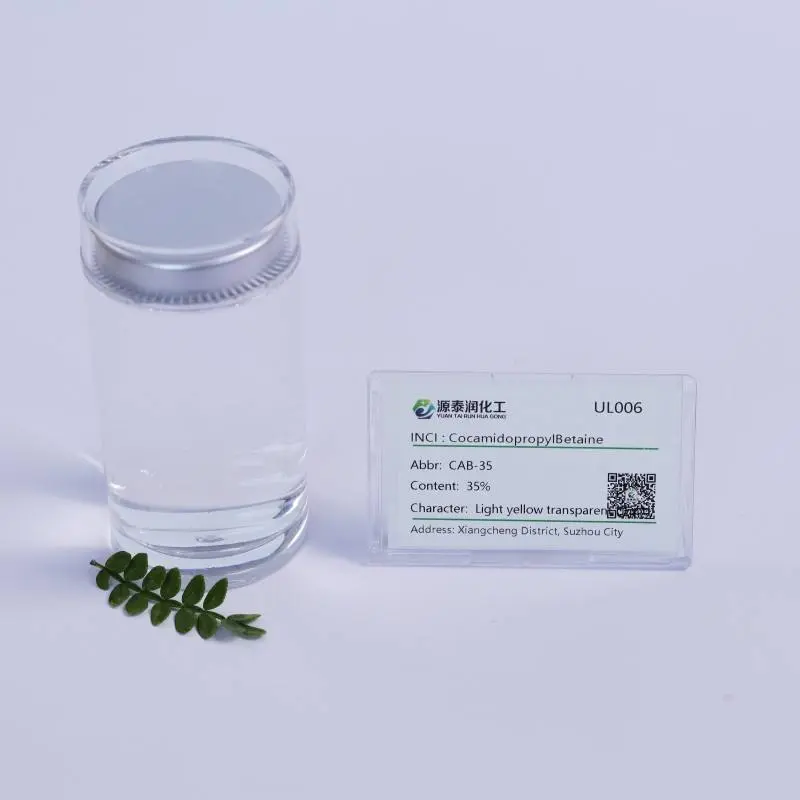
Our industrial production of Fatty Alcohol Ether Sulfate utilizes a multi-stage continuous sulfation line, designed for strict raw material conversion ratios and thermal control. The manufacturing flow path is executed through three core phases:
1. Ethoxylation control: High-grade fatty lauryl alcohol reacts with gaseous ethylene oxide under strict temperature and pressure parameters. The catalyst type and distribution curve determine the mole ratios (e.g., 2EO or 3EO), optimizing surfactant performance and narrowing the polydispersity index of the ethoxylate.
2. SO3 Sulfation: The ethoxylated alcohol enters the top of a multi-tube falling film reactor. Air-diluted sulfur trioxide ($SO_3$) gas runs counter-current to the raw material, forming a thin chemical film on the tube walls. The reaction is highly exothermic; cooling water maintains consistent temperatures to prevent product charring and minimize sulfuric acid impurities.
3. Dynamic Neutralization: The acid intermediate is instantly neutralized with sodium hydroxide (NaOH) solution. Modern systems control pH in real-time, preventing auto-hydrolysis of the sulfate ester, and introduce vacuum flash-vaporization to strip trace 1,4-dioxane down to regulatory-approved thresholds.
Deploying daily chemical ingredients into multinational manufacturing pipelines requires strict adherence to localized chemical registrations and safety certifications. Our technical team works alongside global regulatory networks to provide complete documentation packages for import clearances:
REACH Registration: Full compliance with the European Chemicals Agency (ECHA) specifications, ensuring import rights across the EU bloc.
Kosher & Halal Certifications: We offer verified plant-based, cruelty-free surfactants, meeting dietary and consumer requirements in specific target markets.
GHS Compliance: Every batch is supplied with localized Safety Data Sheets (SDS) and GHS labels in multi-language layouts, ensuring safe handling in manufacturing plants.
Through our dedicated R&D lab, we offer localized formulation assistance, helping brands reformulate to meet shifting regional guidelines without sacrificing foaming performance or product viscosity.
As a leading supplier in the daily chemical raw materials industry, Suzhou Yuantairun Chemical Co., Ltd. (YTR) is dedicated to delivering high-quality products and comprehensive one-stop services to support our customers in R&D, production, and supply chain optimization. Our mission is to drive innovation and efficiency in the global daily chemical industry by providing cutting-edge solutions tailored to our clients' needs. We assure you that our products originate from well-managed and sustainable resources.
We provide a comprehensive range of premium surfactants, active ingredients, and functional polymers, simplifying raw material sourcing for global formulation projects.
Equipped with advanced analytical and synthesis equipment, our laboratory supports OEM/ODM solutions, customized product specifications, and formulation testing.
Through raw material integration, continuous manufacturing loops, and efficient logistics, we deliver high-quality materials at competitive price points.
Our supply chain ensures that raw materials arrive when needed, minimizing inventory carrying costs and preventing factory downtime.
As sustainability regulations tighten globally, the chemical manufacturing sector must continually innovate. Our strategic roadmap for Fatty Alcohol Ether Sulfate centers on the following key areas:
1. Ethylene Oxide Alternatives (Bio-EO): We are actively developing pathways utilizing bio-ethylene oxide derived from sugarcane ethanol, paving the way for a 100% bio-based SLES with a minimized carbon footprint.
2. Catalyst Innovation: Shifting to advanced catalyst platforms allows for narrower ethoxylation curves, minimizing unreacted alcohols and decreasing energy consumption during the ethoxylation phase.
3. Advanced stripping technologies: We are continuously upgrading our flash-evaporation and steam-stripping systems to achieve 1,4-dioxane levels below 1 ppm in SLES 70% paste, matching the requirements of the most stringent personal care standards.
Technical and procurement inquiries regarding Fatty Alcohol Ether Sulfate (SLES).
Contact our technical engineering team for samples, custom specification sheets, and bulk wholesale quotes.
Request a QuoteBrowse our broader range of mild amino acid surfactants, conditioning agents, and auxiliary chemicals.