Premium ingredients systematically structured for industrial hard surface formulations, personal care innovations, and institutional sanitation systems.
The global hard surface cleaning sector is undergoing a massive structural transformation. Driven by stringent public health standards, environmental mandates, and industrial automation, the demand for highly efficient cleaning agents has shifted from commodity-grade soaps to specialized surfactant platforms.
Hard surface cleaners are critically categorized across various functional landscapes: industrial heavy-duty degreasing, cleanroom sterilization, commercial institution disinfection, and specialized household application profiles. Today's commercial enterprises demand cleaning chemicals that minimize surface contact angles, lower interfacial tension, and ensure rapid kinetic removal of complex soils (lipids, mineral deposits, proteins, and synthetic polymers).
Historically, aggressive chelators (e.g., EDTA) and high-VOC solvents dominated industrial degreasing formulations. However, the contemporary market demands an equilibrium between efficacy and environmental preservation. Modern hard surface cleaning focuses on leveraging structural synergy between anionic and non-ionic surfactant matrices. By coupling natural amino acid-based molecules or alkyl polyglucosides (APGs) with biodegradable auxiliary compounds, factories achieve high cloud points and rapid soil suspension without compromising eco-toxicological targets.
Furthermore, the physical dynamics of soil displacement have led to advanced micro-emulsification techniques. Modern systems rely on nanoscale micelle formation where active ingredients isolate lipid components, rendering them soluble under dynamic washing regimes. As chemical suppliers and exporters, providing molecules capable of functioning under varying thermal, mechanical, and hardness criteria is critical to meeting global operational mandates.
As international supply chains seek resilient partners, China's advanced daily chemical industry, led by manufacturers like Suzhou Yuantairun Chemical Co., Ltd. (YTR), offers unmatched technological scaling advantages. Located within highly integrated chemical clusters, Chinese factories benefit from robust upstream supply lines for key chemical building blocks (fatty alcohols, oxides, and amino acids) and direct access to state-of-the-art export logistical networks.
Our facilities are engineered to maximize process efficiency while keeping batch-to-batch variability negligible. Through automatic feed regulation systems, automated multi-stage distillation columns, and online chromatographic monitoring, we ensure that every surfactant batch exceeds purity thresholds. Our R&D testing laboratories provide crucial support, running specialized formulations and testing product compatibility under extreme conditions (high salinity, variable shear rates, and hard water systems).
OEM and ODM capabilities lie at the center of our manufacturing value proposition. Global brands often require specific adaptations, such as modifying the carbon chain length distribution of alkyl glycosides or tuning the free-aldehyde metrics of bactericidal systems (like DMDM Hydantoin). By utilizing advanced vacuum fractionation technology, our engineering teams can adapt surfactant HLB values to support specific formulation requirements, whether they are destined for heavy industrial metal degreasers or ultra-mild baby care products.
Providing premium materials, technical support, and strict quality control measures to protect and support your supply chain.
Integrated supply chain capability, delivering a diverse range of surfactants, chelators, emollients, and active ingredients directly from our unified warehouse facilities.
Our dedicated laboratory specializes in customized synthesis, formulation trouble-shooting, and tailored performance analysis (foam heights, wetting times, and surface tension profiles).
By using smart feedstock management, localized production, and advanced manufacturing tech, we provide high-grade products at competitive market rates.
Global logistics support coupled with real-time tracking, structured storage protocols, and strategic inventory buffers to protect against supply disruptions.
Founded in 2010, Suzhou Yuantairun Chemical Co., Ltd. (YTR) is a leading developer and exporter of daily chemical raw materials, specialty surfactants, and functional formulation additions. Backed by state-of-the-art facilities and a specialized technical team, we serve over 7,000 global partners, assisting them in scaling product performance and simplifying their chemical logistics.
Our focus on innovation has allowed us to develop environmentally conscious chemistry platforms. By adopting sustainable resources (such as palm and coconut oils) and transitioning to green manufacturing routes, we support our clients in meeting global carbon neutral targets while maintaining superior performance criteria.
Whether you are developing next-generation cosmetics, high-performance home detergents, or industrial degreasers, YTR provides the raw materials, formulating support, and testing data required to succeed in competitive markets.
Engineered formulations targeted for specific application requirements across consumer and industrial markets.
Leverages SLES (Sodium Laureth Sulfate) and AOS (Sodium Alpha-Olefin Sulfonate) as core surfactant systems, delivering rich foam and soil suspension under varying wash cycles.
Utilizes Sodium Cocoyl Glutamate and Sodium Lauroyl Sarcosinate, producing a creamy, luxurious lather that is gentle on sensitive skin.
Utilizes quaternary ammonium compounds (such as Cetrimonium Chloride 1631) to deliver excellent fabric softening and anti-static performance.
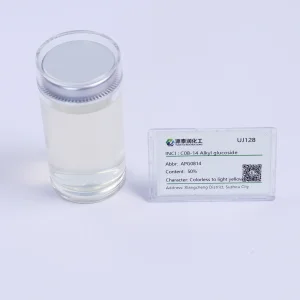
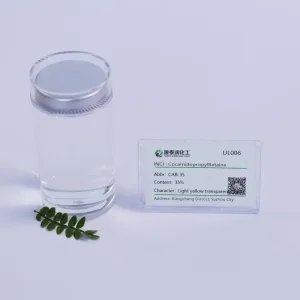
Incorporates amphoteric Cocamidopropyl Betaine (CAB-35) and non-ionic Lauryl Glucoside (APG1214) to generate rich, low-irritation foam profiles.
A heavy-duty industrial formula that combines Linear Alkylbenzene Sulfonate (LAS) with Glycol Distearate (EGDS) to break down stubborn hydrocarbon deposits.
The global hard surface cleaning sector is undergoing a major shift towards green chemistry and bio-based raw materials. Traditional petrochemically-derived surfactants are being replaced by bio-based options, driven by both consumer demand and strict international carbon-reduction regulations.
Key among these alternatives are APGs (Alkyl Polyglucosides) and amino acid-based surfactants. These molecules, derived from renewable agricultural feedstocks like coconut oil, palm kernel oil, and corn starch, offer total biodegradability and low toxicity profiles while matching the degreasing performance of older surfactants. In fact, our testing shows that combining APGs with mild anionic surfactants like Sodium Lauroyl Sarcosinate often yields a synergistic performance boost, reducing the total active surfactant concentration required to achieve target cleaning rates.
Another major trend is the development of ultra-concentrated formulations. Waterless or highly concentrated systems significantly reduce shipping weight, helping companies reduce plastic packaging use and minimize transport-related carbon emissions. Achieving stable concentrates requires surfactants with high solubility profiles and excellent hydrotropic properties, preventing separation or gelation under low-temperature conditions.
In addition, modern formulations must perform efficiently at lower washing temperatures. The demand for cold-water cleaning systems requires surfactant molecules with excellent kinetic solubility and low critical micelle concentration (CMC) at low temperatures, ensuring rapid soil displacement without relying on thermal energy.苏州元泰润 (YTR) remains at the forefront of these market-driven developments, helping our clients navigate changes in global regulations and environmental targets.
Standardizing quality metrics, safety sheets, and logistical paths for industrial and commercial operations.
For corporate purchasing officers and formulating chemists, sourcing hard surface raw materials involves careful technical and regulatory evaluation. Evaluating raw material parameters requires analyzing several key specifications:
To support global supply chains, we maintain strategic partnerships with major logistics lines, offering structured ocean, rail, and air shipping solutions. Our packaging configurations range from standard 200kg drums to 1000kg IBC totes and bulk ISO tanks, ensuring products arrive safely and integrate cleanly into automated production lines.
A selection of our most requested surfactant solutions and formulation components, proven across diverse global cleaning formulations.
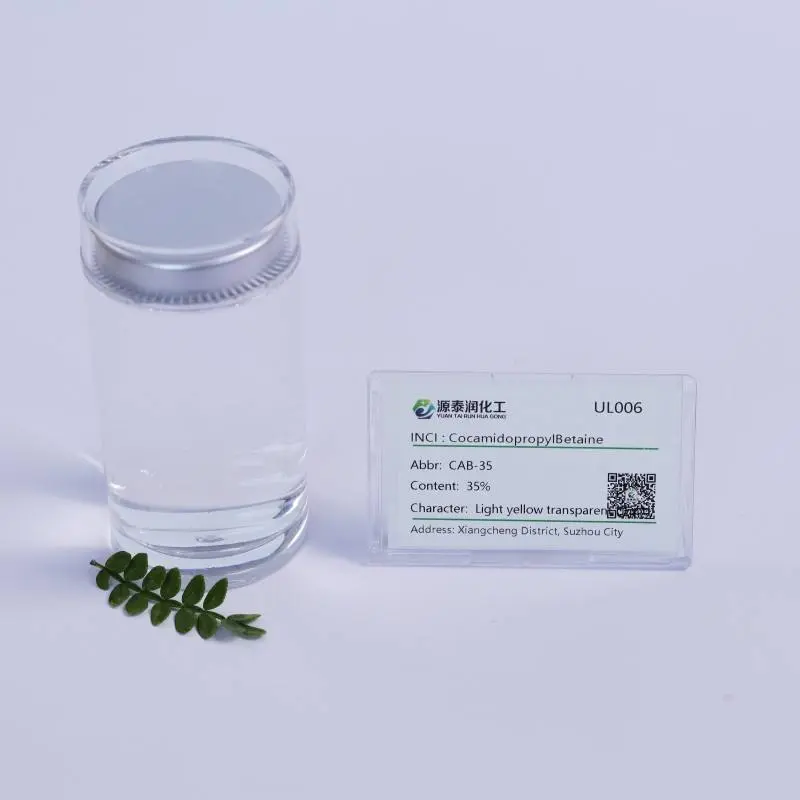
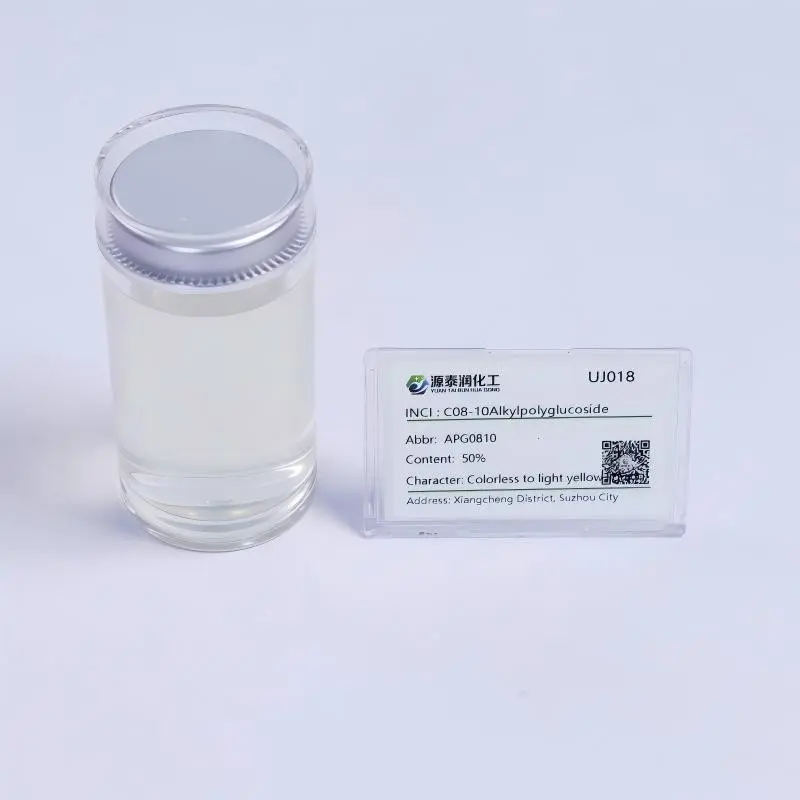
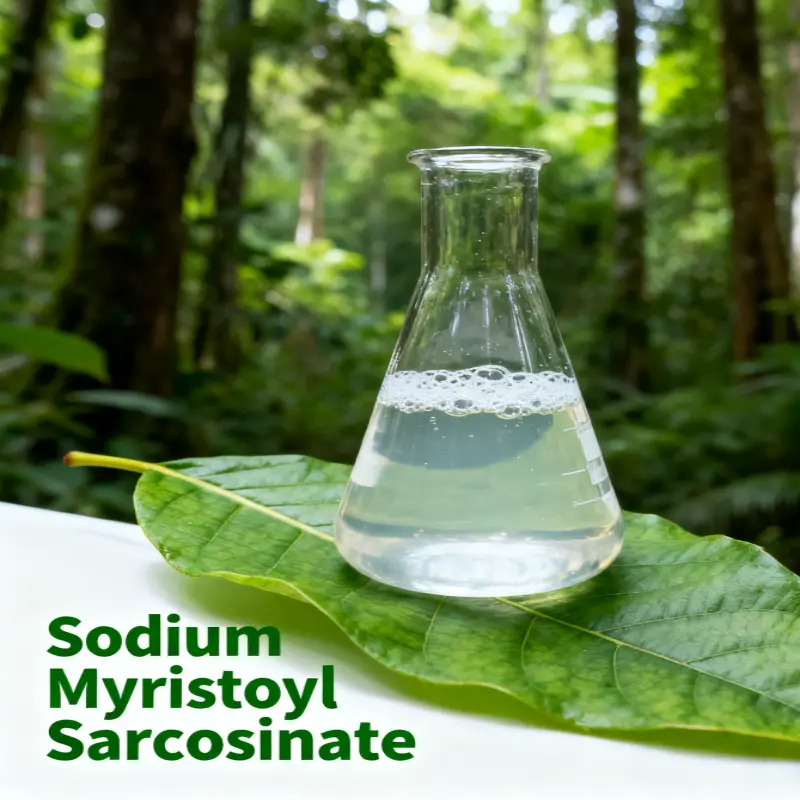
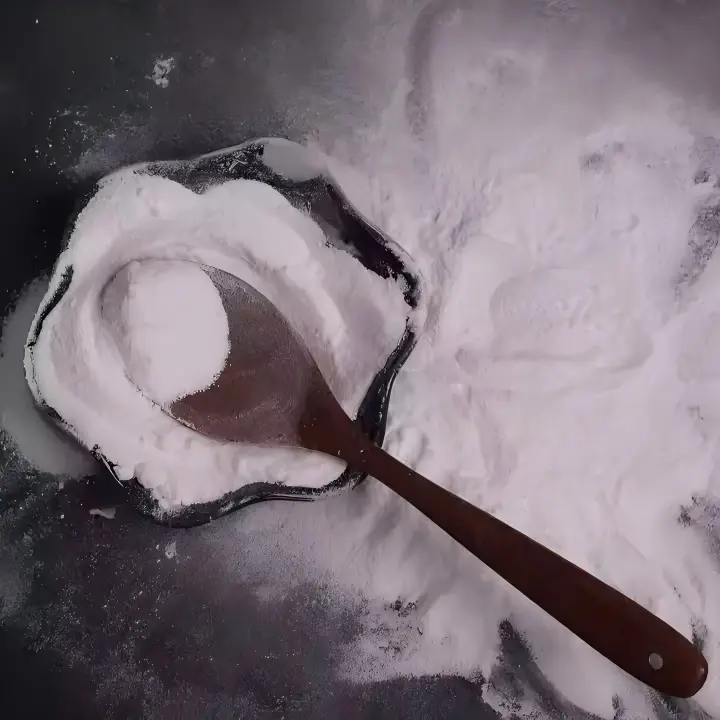
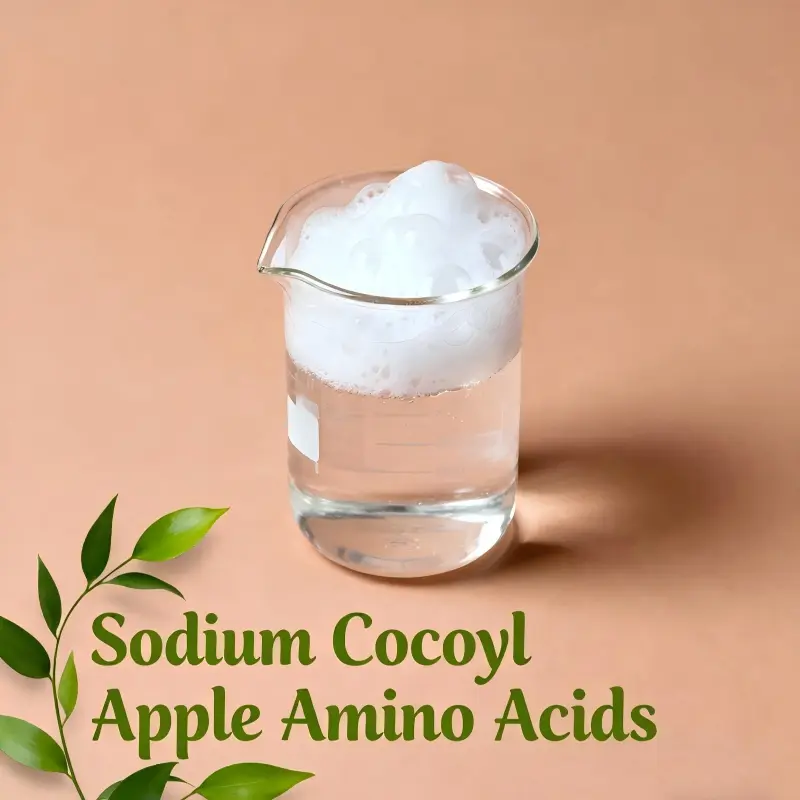
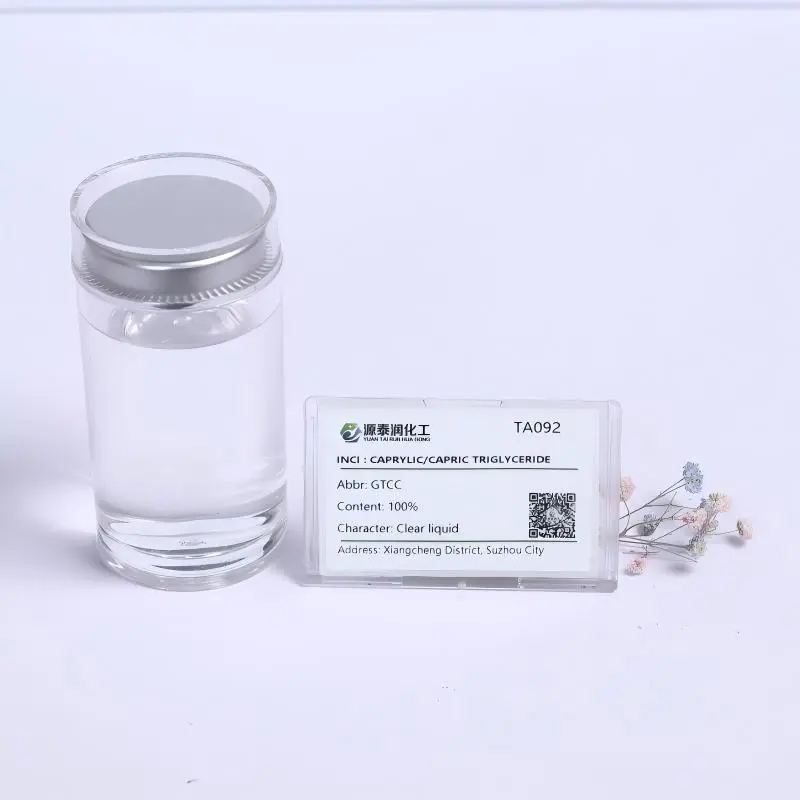
Addressing chemical compatibility, regulatory criteria, and application solutions for procurement and chemical engineering teams.
Combining Alkyl Polyglucosides (APGs) with anionic surfactants (such as Sodium Laureth Sulfate or Sodium Lauroyl Sarcosinate) produces a notable synergistic effect. The non-ionic APG molecules insert themselves between the charged headgroups of the anionic surfactants, lowering electrostatic repulsion. This structural change drops the critical micelle concentration (CMC), enhances soil dispersion, improves wetting speed, and provides a stable foam structure even in high electrolyte or hard water environments.
DMDM Hydantoin functions as an aldehyde-release agent, slowly releasing trace amounts of formaldehyde to inhibit the cellular processes of bacteria, yeasts, and molds. It is highly stable and effective across a wide pH range (typically 3.0 to 9.0) and maintains performance under typical formulation temperatures up to 80°C. For premium products, we control free formaldehyde levels to ensure safety while preserving antimicrobial efficiency.
Amino acid surfactants are highly biodegradable, biocompatible, and show exceptionally low skin irritation profiles. While traditional surfactants like sodium dodecyl sulfate can cause skin dryness, amino acid-based surfactants cleanse without stripping the lipid barrier. As consumers demand greener and safer household products, these surfactants are increasingly utilized in premium dish soaps, hard surface cleaners for kitchens and nurseries, and high-end personal care formulations.
For standard export orders, our average production lead time is 10 to 15 days from order confirmation. We support diverse packaging options, including 200kg plastic or iron drums, 1000kg IBC tanks, and bulk ISO container tanks. Every batch is loaded securely, with comprehensive shipping paperwork (Certificates of Analysis, safety declarations, and packaging lists) provided promptly to ensure smooth customs clearance.
Functional chemical components engineered to optimize stabilization, active preservation, viscosity control, and cleansing dynamics.