Explore our core range of raw materials engineered to maximize formulation stability, detergency, and safety profiles across personal and home care products.
A comprehensive analysis of linear alkylbenzene sulfonic acid, production methodologies, supply chains, and market dynamics.
Linear Alkylbenzene Sulfonic Acid (LABSA), commonly referred to under its CAS number 27176-87-0, stands as the most critical primary anionic surfactant utilized in the global chemical processing and formulation industries. Structurally derived through the catalytic sulfonation of linear alkylbenzene (LAB) using sulfur trioxide (SO3), LABSA possesses a hydrophilic sulfonic acid polar head coupled with a hydrophobic alkyl hydrocarbon tail. The alkyl chain length typically ranges from C10 to C13, a composition engineered to balance detergency with rapid environmental biodegradation.
Unlike branched alkylbenzene sulfonate (BABS), which resists biological breakdown and leads to surface water foaming, LABSA's linear chain design guarantees quick aerobic degradation. This alignment with global green chemistry initiatives makes it the standard choice for major home care and industrial cleansing formulations.
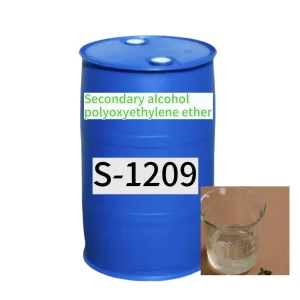
The commercial value of LABSA relies on its high active ingredient content (nominally ≥96%) and compatibility with other surfactant groups, such as nonionic ethoxylates (e.g., C12-C14 Secondary Alcohol Polyoxyethylene Ether) and amphoteric betaines (e.g., Cocamidopropyl Betaine). When neutralized with alkaline builders like sodium hydroxide or triethanolamine, LABSA converts into highly soluble sodium or ammonium alkylbenzene sulfonates, which exhibit strong surface tension reduction, rich foam generation, and robust dirt suspension properties.
The global consumption of anionic surfactants exceeds 4 million metric tons annually, with LABSA accounting for more than 40% of this demand. Procurement patterns show distinct regional needs:
This strong demand requires exporters to maintain strict control over processing variables. Minor variations in the quality of alkylbenzene feedstocks can yield impurities that cause yellowing or unexpected odor in final products, which is particularly problematic for sensitive personal care applications.
Procurement teams rely on accurate chemical specifications to avoid downstream formulation failures. Below is the standard technical specification matrix for premium-grade LABSA exported by Suzhou Yuantairun Chemical Co., Ltd.
| Parameters | Standard Specifications | Testing Protocol Reference |
|---|---|---|
| Active Matter Content (Min) | 96.0% | GB/T 5173 / ISO 2271 (Two-phase titration) |
| Free Oil / Unsulfonated Matter (Max) | 1.5% | Petroleum ether extraction method |
| Free Sulfuric Acid (Max) | 1.5% | Ethanol titration method |
| Color (Klett, 5% AM aq. sol, 40mm cell) (Max) | 50 | Klett-Summerson Photoelectric Colorimeter |
| Appearance (at 25°C) | Brown viscous liquid | Visual inspection |
| Water Content (Max) | 1.0% | Karl Fischer Titration method |
China's daily chemical raw material factories have evolved beyond basic low-cost production. By implementing Industry 4.0 automation, Suzhou Yuantairun Chemical Co., Ltd. integrates production with global logistics requirements.
Our manufacturing plants utilize advanced multi-tube falling film sulfonation reactors. Controlled by centralized digital networks, these reactors stabilize SO3 gas concentration and flow rates to prevent local overheating, which minimizes color degradation and the formation of unwanted by-products like sulfones.
Additionally, this continuous processing model enables reliable batch tracing. From incoming raw alkylbenzene to final packaged shipments, every drum is assigned a digital profile tracking its manufacturing parameters, purity assays, and shipping records, providing buyers with clear supply chain accountability.
Tailored raw materials optimized for specific applications in home care, personal hygiene, and industrial processing.
Uses SLES (Sodium Laureth Sulfate) and AOS (Sodium Alpha-Olefin Sulfonate) as core surfactants for superior cleaning and rich foam.
Features Sodium Cocoyl Glutamate and Sodium Lauroyl Sarcosinate for ultra-mild cleansing, ideal for sensitive skin formulations.
Utilizes cationic surfactant Cetrimonium Chloride (1631 70) for enhanced fabric softness and anti-static properties.
Combines amphoteric CAB-35 (Cocamidopropyl Betaine) and non-ionic APG1214 (Lauryl Glucoside) for rich, low-residue lather.
Powered by LAS (Linear Alkylbenzene Sulfonate) and solvent EGDS (Glycol Distearate) for rapid breakdown of tough grease.
We customize formulations based on your specific application scenarios, such as hotel, commercial laundry, or retail retail demands.
We assure you that our chemical raw materials originate from well-managed, sustainable, and strictly verified resources.
Access a comprehensive portfolio of anionic, cationic, non-ionic, and amphoteric surfactants from a single reliable supplier.
Fully integrated ODM and OEM capabilities supported by experienced chemical engineers to assist in prototype design and validation.
Direct-from-factory pricing structures without intermediary markup. Superior chemical quality paired with optimized cost efficiencies.
Ensure raw materials arrive precisely when needed in your manufacturing cycle, minimizing inventory holding costs.
Find technical insights regarding active matter ratios, formulation procedures, and shipping compliance protocols.
Contact our technical support and chemical procurement teams to request samples, detailed COAs, and customized bulk volume pricing packages.
Submit Sourcing Inquiry NowBrowse our catalog of thickeners, mild amphoteric surfactants, and specialized amino acid formulations designed for stable and effective products.