
A comprehensive selection of dermatological performance chemical ingredients, direct from our production lines to meet strict formulation specifications.
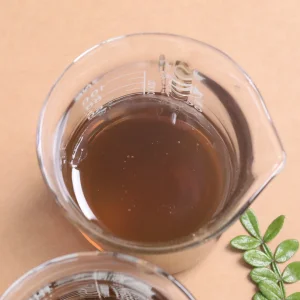
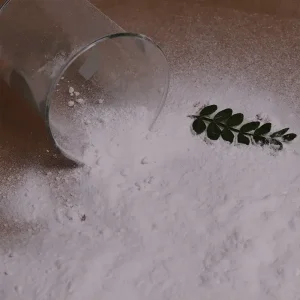
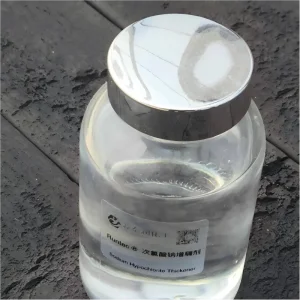
The global skincare landscape is undergoing a paradigm shift from aggressive lipid stripping to physiological sebum modulation. Historically, anti-acne formulations relied on heavy surfactants, high-dose alcohols, and abrasive physical exfoliants. However, clinical research has confirmed that compromising the skin barrier often triggers feedback hyper-seborrhea, aggravating the inflammatory acne cascade. Consequently, modern formulations focus on gentle, lipophilic cell-turnover agents paired with skin-barrier-protecting amino acid surfactants.
Key dermatological trends dictate a strong preference for multi-targeted active agents. Ingredients must address the four main pathways of acne pathogenesis: hyperkeratinization of the follicular infundibulum, excess sebum production mediated by 5-alpha-reductase, proliferation of Cutibacterium acnes, and local cytokine-mediated inflammation. This shift has elevated the demand for high-purity keratolytic chemical agents, such as Salicylic Acid 99%, which exhibit exceptional lipophilic properties, enabling penetration deep into the pilosebaceous unit to dissolve cellular debris.
Furthermore, the regulatory phase-out of microplastics and sulfates has driven the adoption of bio-based, biodegradable surfactants. The rise of clean beauty and natural-origin indices (ISO 16128) means cosmetic manufacturers are looking for certified alternatives. Anionic amino acid surfactants, such as Sodium Cocoyl Glutamate and Sodium Lauroyl Sarcosinate, are replacing traditional sodium lauryl ether sulfate (SLES) matrices in anti-acne cleansers to maintain the skin's acidic mantle while delivering controlled sebum clearance.
B2B chemical procurement teams in North America, Europe, and the APAC region operate under strict regulatory and quality frameworks. The import of cosmetic raw materials requires comprehensive compliance evidence. The European REACH certification, US FDA registrations, and China’s National Medical Products Administration (NMPA) raw material filings are critical prerequisites for market entry.
For specialized actives like Salicylic Acid (CAS 69-72-7) or skin emollients such as Butylene Glycol Dicaprylate/Dicaprate (BGCC, CAS 211107-84-5), buyers demand raw materials that are free from residual heavy metals, pesticide residues, and harmful synthesis by-products (such as free phenol or dioxane limits in ethoxylated derivatives). In high-performance personal care formulations, even parts-per-million (ppm) levels of trace impurities can compromise product stability, cause discoloration, or trigger skin irritation studies.
Our factories operate under ISO 9001:2015 and ISO 22716 (GMP for Cosmetics) guidelines. Every outbound batch is accompanied by detailed Certificate of Analysis (COA) documentation, Gas Chromatography-Mass Spectrometry (GC-MS) profiles, and High-Performance Liquid Chromatography (HPLC) validation. This level of quality verification ensures our chemical raw materials can be integrated into high-speed, automated production lines without risk of precipitation or batch variations.
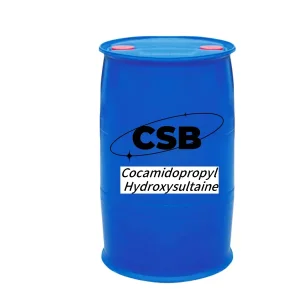
The Chinese chemical manufacturing landscape has transitioned from labor-intensive synthesis to highly automated Factory 4.0 smart infrastructure. By utilizing Distributed Control Systems (DCS) and automated batching, Suzhou Yuantairun Chemical Co., Ltd. ensures precise thermal and kinetic control over chemical reactions. This level of technological integration minimizes human error, resulting in consistent active concentrations and structural uniformity in surfactants like Sodium Lauroyl Glutamate and Cocamidopropyl Hydroxysultaine (CSB).
Beyond process control, our supply chain resilience is built on localized upstream raw material integration. By establishing strategic partnerships near primary petrochemical and natural lipid source hubs, we secure a stable supply of fatty acids, amines, and aromatic compounds. This vertical integration buffers global buyers from raw material price volatility and shipping bottlenecks, maintaining consistent lead times for high-volume orders.
Our logistics infrastructure supports customized, moisture-controlled bulk packaging and real-time shipment tracking. Whether supplying spray-dried 95% active surfactant powders or liquid concentrates in intermediate bulk containers (IBCs), our facilities optimize shipping volume, reduce environmental footprints, and ensure materials arrive in production-ready condition.
Custom ODM and OEM chemical synthesis tailored to your exact viscosity, pH, and active concentration requirements.
Global distribution networks and strategically located warehouses ensure consistent chemical supplies for continuous factory operations.
Strict non-disclosure agreements (NDAs) and secure, proprietary manufacturing processes protect client formulations.
Developing effective anti-acne skincare requires balancing keratolytic peeling with mild cleansing agents. Salicylic Acid (99% purity) targets cellular adhesion in the stratum corneum. As a beta-hydroxy acid (BHA), its lipophilicity allows it to mix with follicular lipids, penetrating deep into pores to hydrolyze desmosomal proteins. This targeted action prevents the formation of microcomedones.
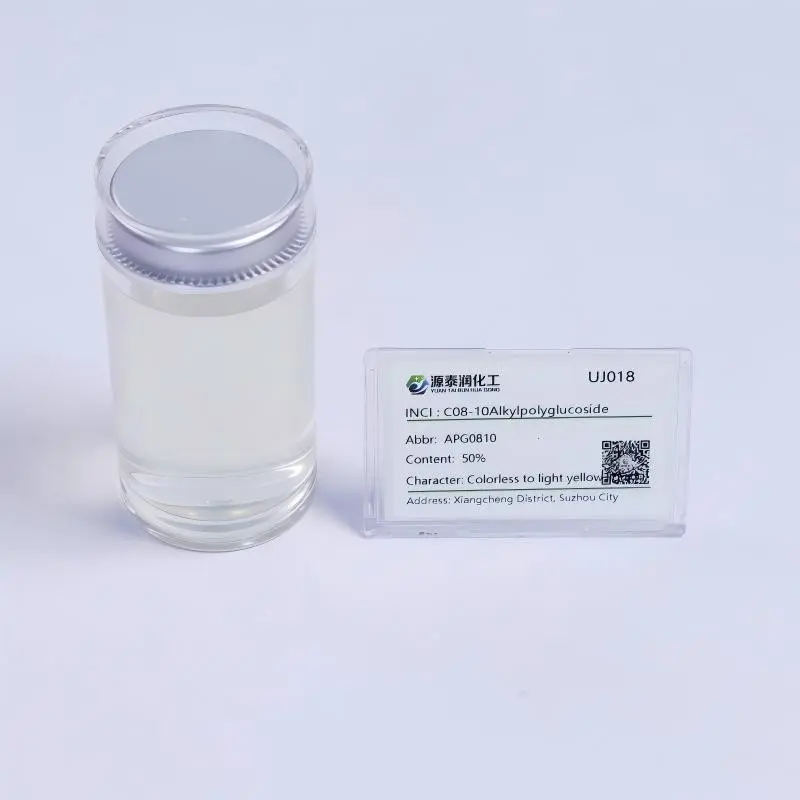
However, formulating salicylic acid is notoriously challenging due to its low water solubility and tendency to recrystallize at acidic pH levels. To resolve this, chemical engineers combine BHAs with amphoteric solubilizing surfactants like Cocamidopropyl Hydroxysultaine (CSB) or mild non-ionic glucosides such as Caprylyl/Capryl Glucoside (APG0810). These surfactants form stable, mixed micellar structures that prevent acid crystallization while improving foam stability.
To offset the potential irritation of keratolytic agents, we integrate gentle amino acid surfactants like Sodium Lauroyl Sarcosinate 95% Powder and Sodium Cocoyl Glutamate. Unlike harsh sodium lauryl sulfates (SLS), amino acid surfactants possess a larger molecular structure that limits their penetration into the stratum corneum, preventing the denaturation of essential skin barrier proteins and lipids. This combination provides effective sebum control and anti-acne action while minimizing skin irritation.
Discover how our high-performance surfactants and functional chemical agents are used in commercial and consumer applications.
An ultra-mild, low-irritation facial wash designed for sensitive, acne-prone skin. It combines amino acid surfactants to cleanse without stripping the skin's natural barrier.
A clarifying exfoliant that targets blackheads, whiteheads, and congested pores. Formulated for high stability and deep follicular penetration.
A concentrated, biodegradable cleaning formula designed to remove tough oils and greases from fabrics and hard surfaces.
Answers to common technical, quality control, and logistics questions from global buyers and cosmetic formulators.
Explore our hot-selling cosmetic ingredients and emulsifiers, optimized for personal care, skin conditioning, and home care applications.
 Emollient BGCC (CAS 211107-84-5)
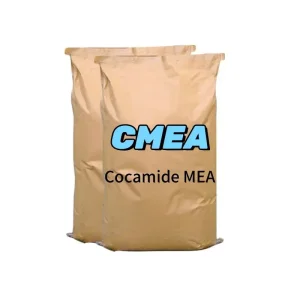 Cocamide MEA Thickener (CAS 68140-00-1)
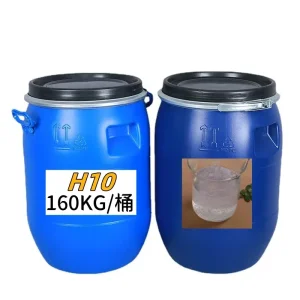 Polyurethane-10 PUD Conditioning
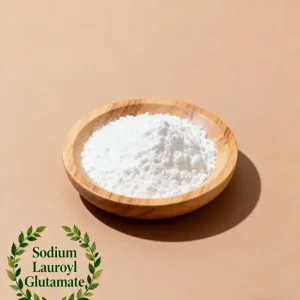 Sodium Lauroyl Glutamate 95% Powder
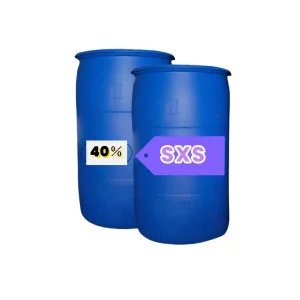 Sodium Xylene Sulfonate SXS-40
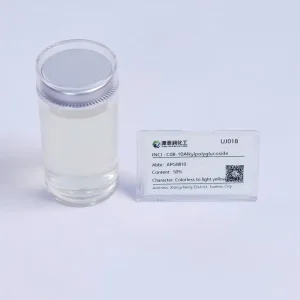 APG0810 Caprylyl Glucoside 50%
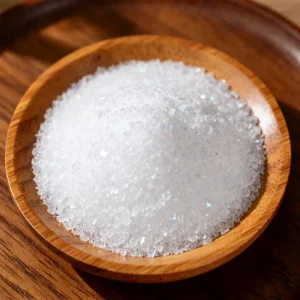 Salicylic Acid 99% Active (CAS 69-72-7)
 Carbomer 940/980 Polyacrylic Thickener