Explore our high-purity cosmetic raw materials tailored to modern clean beauty and personal care specifications.
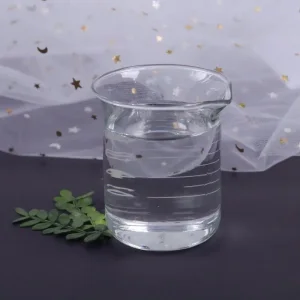
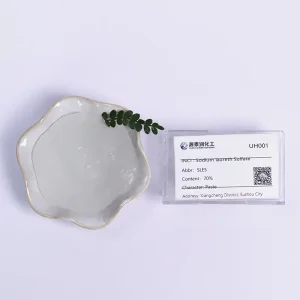
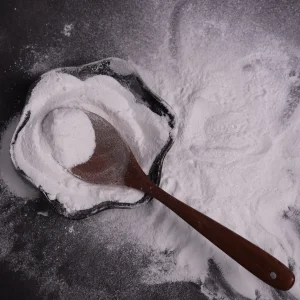
In the rapidly evolving landscape of personal care chemistry, consumer demand has decisively shifted toward formulations that deliver both impeccable performance and high dermal compatibility. The modern cosmetic chemist faces the dual challenge of achieving optimal rheological profiles—often characterized as luxurious, rich, and high-viscosity—while formulating with ultra-mild surfactants that inherently lack the thickening capabilities of traditional sulfate bases. PEG-120 Methyl Glucose Dioleate (CAS 86893-19-8) has emerged as the definitive benchmark ingredient to bridge this gap, offering unparalleled nonionic thickening efficiency and significant irritation-mitigating properties.
Chemically, PEG-120 Methyl Glucose Dioleate is a polyethylene glycol ether of the diester of natural methyl glucose and oleic acid. Structurally, it features a polyol core (derived from natural corn-derived methyl glucoside) ethoxylated to an average degree of 120 moles of ethylene oxide, subsequently esterified with two moles of fatty oleic acid. This unique structure grants it highly amphiphilic properties, positioning it midway between classical polymeric thickeners and low-molecular-weight surfactants.
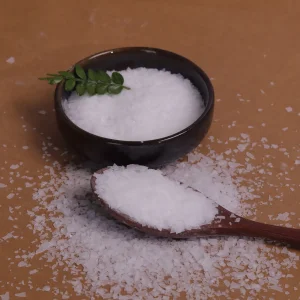
Its physical form is typically a waxy, off-white flake or solid paste, displaying excellent solubility in water and typical surfactant mixtures when heated. Unlike synthetic polyacrylate or carbomer-based rheology modifiers, CAS 86893-19-8 possesses an inherently high natural index, reflecting its start as a plant-derived carbohydrate. The nonionic nature of this compound ensures high compatibility across a broad pH range (4.5 to 9.0) and high electrolyte tolerance, making it a robust formulation workhorse.
Traditional thickeners like sodium chloride rely on micellar transition (from spherical to worm-like micelles) within anionic surfactant systems, a mechanism that fails in amino-acid-based or nonionic surfactant systems. PEG-120 Methyl Glucose Dioleate operates via a sophisticated associative thickening mechanism. The long-chain hydrophilic polyoxyethylene backbone stretches through the continuous aqueous phase, while the hydrophobic oleate tails insert themselves into the hydrophobic cores of neighboring surfactant micelles.
This physical cross-linking builds a transient three-dimensional network that effectively restricts the mobility of the aqueous phase, resulting in a dramatic increase in low-shear viscosity. The resulting formulation displays highly pseudoplastic (shear-thinning) flow behavior: high viscosity at rest (preventing product dripping and stabilizing suspended particles/pearlizing agents) but smooth, effortless flow under shear stress (during pumping or squeezing from the bottle). Importantly, because this network is physical and non-covalent, it recovers instantly once shear is removed, imparting a premium, bouncy texture to shampoos, body washes, and facial cleansers.
A defining attribute of PEG-120 Methyl Glucose Dioleate is its clinically proven ability to reduce the eye and skin irritation potential of harsh surfactant systems, such as those containing Sodium Lauryl Ether Sulfate (SLES) or Ammonium Lauryl Sulfate (ALS). Anionic surfactants can penetrate the stratum corneum, binding to skin proteins and causing barrier disruption and subsequent trans-epidermal water loss (TEWL).
When CAS 86893-19-8 is incorporated into the formulation, its large, bulky ethoxylated methyl glucoside headgroups co-micellize with the primary anionic surfactants. This co-micellization increases the average micelle size, effectively preventing the free monomeric surfactants from penetrating the skin and ocular membranes. Consequently, formulators can leverage the superior cleansing and foaming performance of high-efficiency surfactants while maintaining a safety and mildness profile appropriate for baby care, sensitive skin, and post-procedural dermatological products.
As a leading international supplier and factory of daily chemical ingredients, Suzhou Yuantairun Chemical Co., Ltd. monitors global market trends closely. The demand for PEG-120 Methyl Glucose Dioleate has surged globally due to regulatory crackdowns on diethanolamine derivatives (such as Cocamide DEA / CDEA) and the general industry push toward sulfate-free formulations.
Globally, manufacturers are seeking raw materials that comply with increasingly strict ecological frameworks, including EU REACH registration, China's IECIC compliance, and US FDA requirements for clean cosmetics. By optimizing our manufacturing processes, we ensure that our PEG-120 Methyl Glucose Dioleate has minimal residual ethylene oxide and 1,4-dioxane, satisfying the strict requirements of top-tier global cosmetic brands.
Our logistics and supply chain systems are structured to handle high-volume industrial exports, ensuring that whether our clients require container-load shipments to Europe or localized warehousing in North America, we deliver high-purity materials with consistent batch-to-batch quality.
From gentle baby care to industrial heavy-duty degreasing, explore how specialized surfactant chemistry drives product efficacy.
 Washing Powder
High-efficiency, eco-friendly fabric laundering bases
 Facial Cleanser
Ultra-mild amino acid systems thickened by PEG-120
 Softener
Cationic quaternary bases for fabric conditioning
 Shower Gel
Rich, dense-lathering body washes and shampoos
 Degreaser
Industrial heavy-duty grease removal agents
By blending CAS 86893-19-8 with mild amino-acid-based surfactants like Sodium Cocoyl Glutamate and Sodium Lauroyl Sarcosinate, formulators can easily develop high-end, transparent baby shampoos and facial washes. It provides viscosity stability at low temperatures, ensuring the product maintains its texture in different climates.
Pet skin has a different pH profile and is highly sensitive. The irritation-mitigation property of PEG-120 Methyl Glucose Dioleate makes it ideal for veterinary shampoos, enabling high-foam cleansing without triggering skin allergies or eye stinging.
Unlike synthetic polymers that leave heavy build-up on the hair shaft, our nonionic thickener leaves no greasy residue. It allows for the production of crystal-clear shampoos that rinse off cleanly, keeping the hair lightweight while nourishing the scalp.
Suzhou Yuantairun Chemical Co., Ltd. (YuantaiRun) is a leading global supplier specializing in the research, development, and distribution of daily chemical raw materials. Established in 2010, our goal is to drive innovation and efficiency in the chemical formulation industry by delivering high-performance, sustainable raw materials.
We operate state-of-the-art research laboratories and work with top factories to ensure our products meet international benchmarks. Through our commitment to E-E-A-T principles, we provide full technical documentation—including TDS, MSDS, Certificate of Analysis (COA), and formulation application guides—to support our partners at every stage of their production lifecycle.
Providing a comprehensive portfolio of anionic, nonionic, amphoteric, and cationic surfactants.
Tailored ODM/OEM formulation assistance and compatibility testing under our experts.
Optimized processes enable us to supply superior-quality materials at highly competitive rates.
Strategically managed inventories ensure fast delivery, minimizing production downtime.



As green chemistry advances, we are refining the syntheses of methyl glucose derivatives to align with the global transition toward bio-based, circular economies.
Our research centers are working to ensure all oleic acid feedstocks are derived from certified sustainable farms, reducing the carbon footprint of CAS 86893-19-8 production.
Investigating alternative glucose-based oligomers to mimic the high viscosity performance of PEG-120 without requiring conventional petrochemical ethoxylation.
Implementing vacuum-stripping systems to reduce free dioxane and ethylene oxide residues to below detection limits, meeting safety standards worldwide.
We customize raw material configurations and compound surfactant systems to suit specific commercial applications, packaging sizes, and price points.
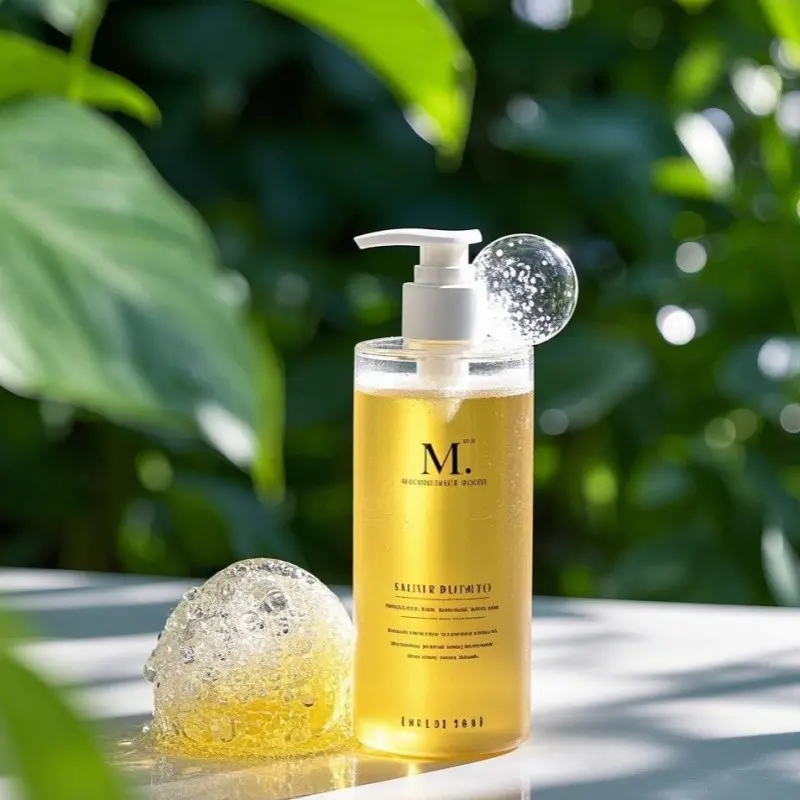
Tailored formulations optimized for hospitality, salons, or retail distribution, offering customizable packaging options and cost-performance ratios.
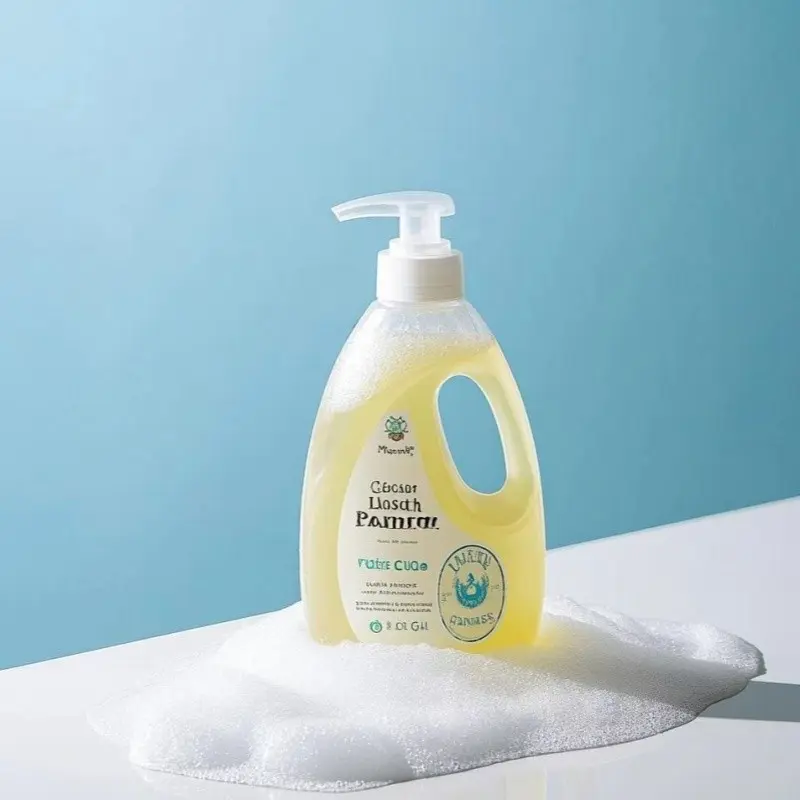
Customized scent designs, active matter concentrations, and temperature stability controls for consumer and commercial laundries.
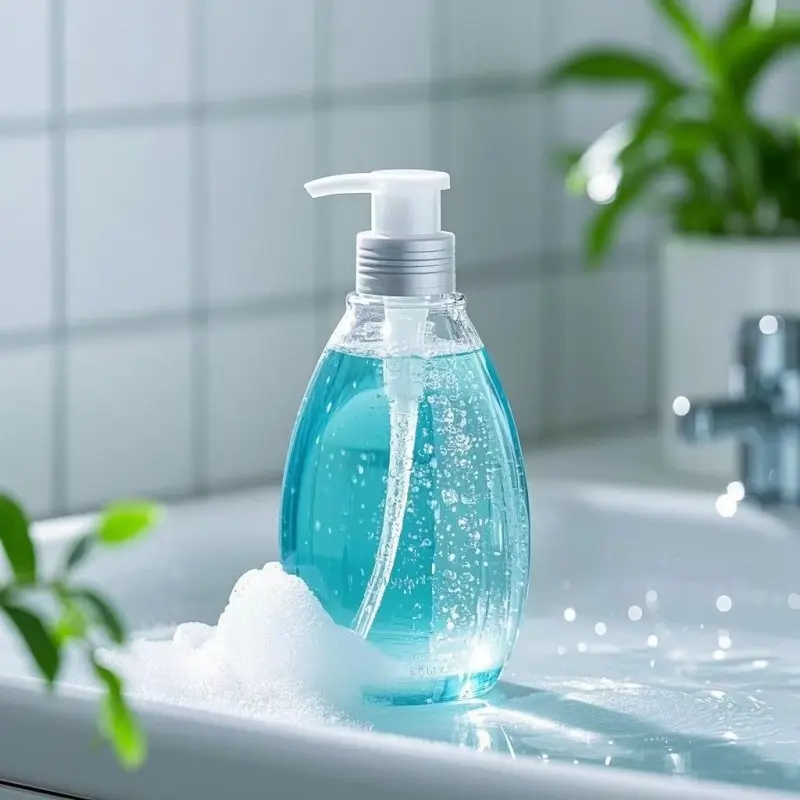
Gentle, moisturizing formulas suitable for high-traffic environments, commercial properties, public venues, and retail markets.
Technical clarifications, formulating advice, and regulatory answers from our chemical research and development department.
When kept in its original, sealed packaging at temperatures below 30°C (86°F), PEG-120 Methyl Glucose Dioleate (CAS 86893-19-8) has a shelf life of at least 24 months. It should be stored in a cool, dry, well-ventilated warehouse away from direct sunlight, moisture, and strong oxidizing agents, as exposure to humidity can cause clumping.
CDEA (Cocamide DEA) faces regulatory restrictions due to potential nitrosamine formation. PEG-150 Distearate is an alternative, but it can leave hair feeling heavy and reduce foam volume. PEG-120 Methyl Glucose Dioleate offers superior eye mildness, preserves foam volume, and provides a light, non-greasy hair feel, making it a preferred choice for premium formulas.
Due to its high molecular weight, PEG-120 Methyl Glucose Dioleate dissolves best when heated. The material should be added to the aqueous phase or surfactant blend at 70°C - 80°C with moderate stirring until completely melted and transparent. Alternatively, a pre-dissolved liquid concentrate can be prepared for cold-mix systems.
No. One of its key benefits over alternative lipid thickeners is that it maintains the clarity of transparent surfactants. By co-micellizing without forming large crystalline structures, it preserves formulation transparency, even at low storage temperatures.
Read the latest chemical engineering publications, formulation advice, and news updates from our laboratory teams.
An in-depth look at Runtec®SCI85, a mild anionic surfactant with high active content designed to provide a gentle, refreshing wash feel while maintaining thick foam profiles.
Detailing Sodium Cocoyl Alaninate, an oil-resistant amino acid surfactant designed to maintain rich foaming performance in sebum-heavy scalp conditions.
Analyzing the spreading capabilities and sensory benefits of Cetyl Ethylhexanoate, a lightweight emollient that improves dry skin feel across emulsion systems.
Explore our specialized preservatives, active ingredients, and functional conditioners to complete your personal care formulation.