Premium grade surfactants, softeners, and stabilizers designed to formulate cutting-edge personal and home care products.
In modern cosmetics, personal care, and industrial liquid formulation technologies, microbiological stabilization is crucial for product integrity, consumer safety, and extended shelf life. The Phenoxyethanol-Preserved System stands as a global cornerstone of preservative chemistry. Suzhou Yuantairun Chemical Co., Ltd. (YTR) supplies ultra-pure, high-efficiency phenoxyethanol systems designed to meet the strict microbiological and regulatory requirements of the global market.
Phenoxyethanol (2-Phenoxyethanol, CAS 122-99-6) functions as a broad-spectrum preservative. It targets cell membranes, destabilizing lipid bilayers in both Gram-negative and Gram-positive bacteria, yeasts, and molds. Unlike older formaldehyde-releasing ingredients or controversial parabens, phenoxyethanol provides reliable protection without compromising cosmetic mildness or changing the pH of formulations.
"Modern preservation goes beyond raw materials; it focuses on optimization. By matching the optimal preservation system with active ingredients, brand owners can lower allergen profiles, maintain ingredient purity, and extend shelf life in different climates."
When formulating with phenoxyethanol, stability and synergy are key. Phenoxyethanol is typically used at concentrations up to 1.0% (in compliance with EU Annex V and FDA regulations). However, it is often combined with other ingredients—such as Ethylhexylglycerin, Caprylyl Glycol, Decylene Glycol, or EDTA—to boost its effectiveness against yeasts and molds, creating a robust preservation system.
The global demand for phenoxyethanol preservation systems has grown steadily, driven by regulatory updates, the rise of "clean beauty" trends, and changing consumer expectations. Regulatory restrictions on Isothiazolinones (MIT/CMIT) in leave-on cosmetics and the decline of parabens have made phenoxyethanol a primary choice for cosmetic chemists worldwide.
| Region | Regulatory Framework | Maximum Usage Level | Market Trends |
|---|---|---|---|
| European Union | Regulation (EC) No 1223/2009 (Annex V) | 1.0% Max concentration | Strong demand for high-purity (low phenol content) grades. |
| United States | FDA / CIR (Cosmetic Ingredient Review) | 1.0% Max concentration | Standard preservative in prestige skin care and baby care. |
| Asia-Pacific | China CSAR (2015) / Japan MHLW standards | 1.0% Max concentration | Rapid growth in premium amino-acid cleansers and sheet masks. |
From a supply chain perspective, APAC remains a key manufacturing hub for high-grade phenoxyethanol. Because cosmetic manufacturing is highly sensitive to impurities, standard industrial-grade phenoxyethanol is not suitable for cosmetic formulations. Suppliers must deliver cosmetic-grade phenoxyethanol with a free phenol content below 10 ppm, which ensures no skin irritation or product discoloration.
For maximum efficacy, a preservation system must be compatible with all components of the formula. Phenoxyethanol is compatible with anionic, non-ionic, cationic, and amphoteric surfactants. Unlike organic acids (like Sodium Benzoate or Sorbic Acid) which require a low pH to work, phenoxyethanol remains stable and active over a broad pH range (3.0 to 10.0) and can withstand temperatures up to 80°C during formulation.
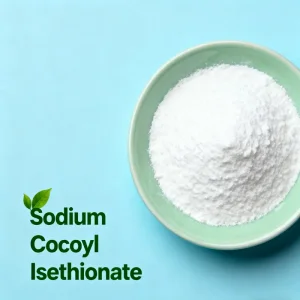
Pairs seamlessly with Sodium Cocoyl Isethionate (SCI), SLES, and Amino Acid Surfactants without reducing foaming capacity or viscosity.
Stable across temperature fluctuations up to 80°C and a broad pH range of 3.0 to 10.0, allowing flexible formulation setups.
Combinations with Chelators (like EDTA) break down bacterial cell membranes, allowing phenoxyethanol to penetrate pathogens faster.
During emulsification, phenoxyethanol can migrate between the water and oil phases. Since microbial growth occurs in the water phase, formulation chemists must ensure there is enough free phenoxyethanol in the aqueous phase. To achieve this, it is often paired with water-soluble co-preservatives or boosters to maintain the system's effectiveness.
The future of phenoxyethanol systems lies in smart blends and sustainable production. The industry is moving away from single-molecule preservatives toward tailored multi-functional preservative blends. These blends offer broad-spectrum protection, skin conditioning, and moisturizing benefits in a single solution.
Green chemistry is also transforming how phenoxyethanol is synthesized. Manufacturers are developing bio-based raw materials and using catalytic processes to reduce the carbon footprint of production, aligning cosmetic ingredients with global environmental goals.
High-efficiency components tailored for personal care, fabric softening, and industrial applications.
Assuring you that our products originate from well-managed, sustainable, and reliable resources.
As a leading supplier in the daily chemical raw materials industry, Suzhou Yuantairun Chemical Co., Ltd. is dedicated to delivering high-quality products and comprehensive one-stop services to support our customers in R&D, production, and supply chain optimization. Our mission is to drive innovation and efficiency in the global daily chemical industry by providing cutting-edge solutions tailored to our clients' needs.



Innovative formulations engineered for specific consumer demands and performance thresholds.
Application: Home Care (Laundry Detergent, Cleaners)
Key Advantages: Uses SLES (Sodium Laureth Sulfate) and AOS (Sodium Alpha-Olefin Sulfonate) as core surfactants for cleaning and rich foam. Combined with thickener CMEA for optimal viscosity. Eco-friendly and mild formula reduces skin irritation.
Application: Personal Care (Facial Cleansers, Body Wash)
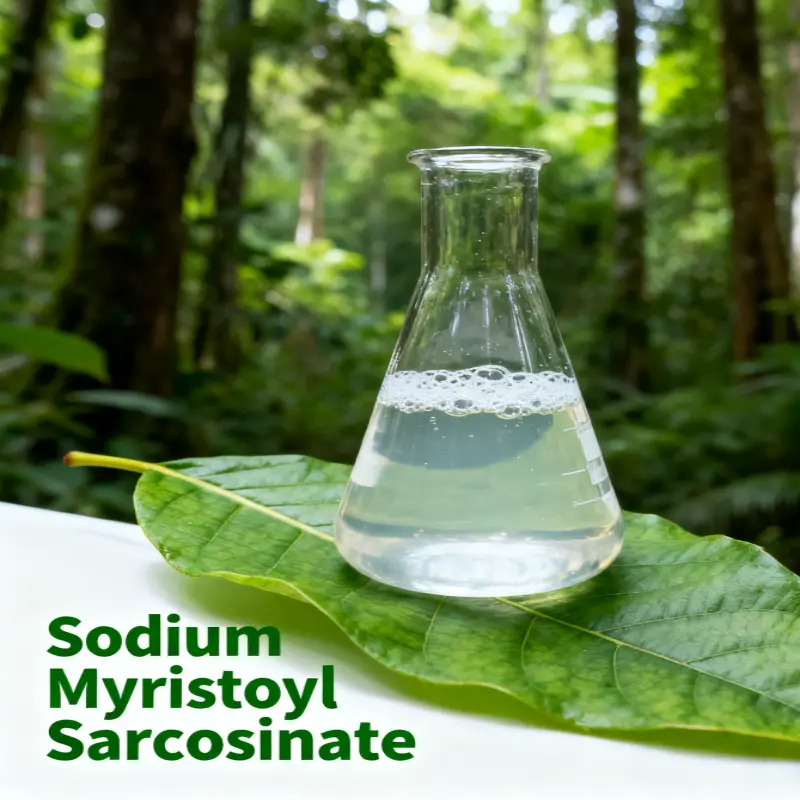
Key Advantages: Features Sodium Cocoyl Glutamate (YG02-95) and Sodium Lauroyl Sarcosinate (LS-100N) for ultra-mild cleansing. Certified by ECOCERT, meeting the demand for clean beauty in premium markets.
Application: Textile Care (Fabric Conditioners)
Key Advantages: Utilizes cationic surfactant 1631 70 (Cetrimonium Chloride) for enhanced fabric softness and anti-static properties. Concentrated formula reduces packaging and transportation costs.
Application: Personal Care (Shower Gels, Shampoos)
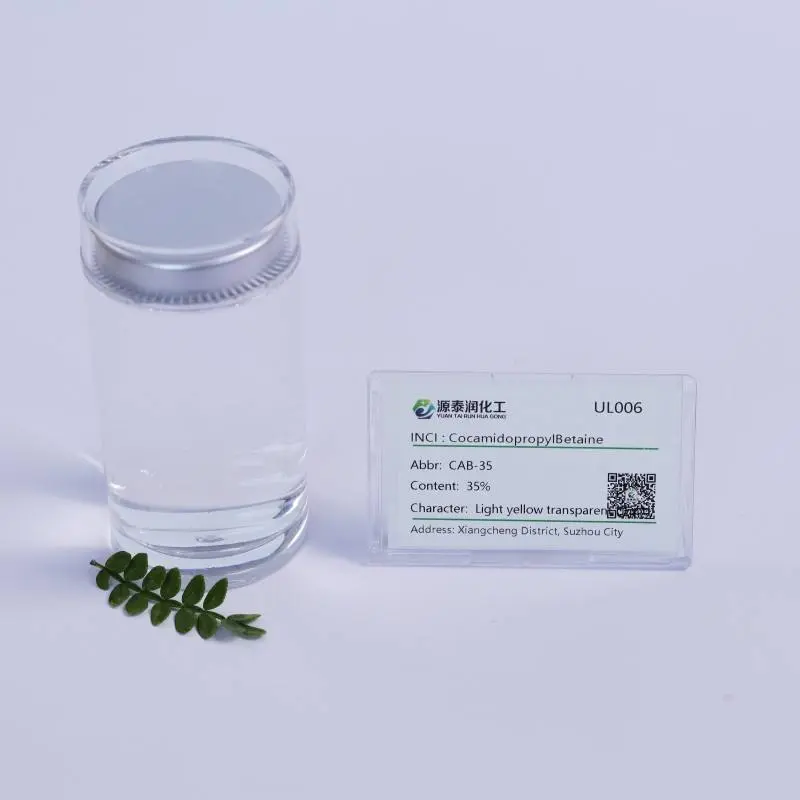
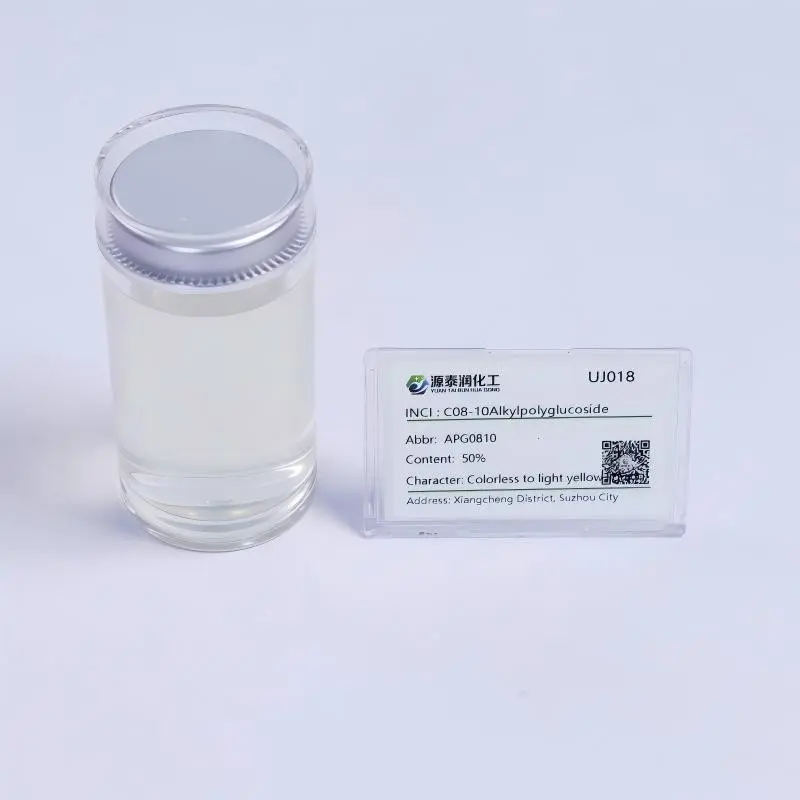
Key Advantages: Combines amphoteric CAB-35 (Cocamidopropyl Betaine) and non-ionic APG1214 (Lauryl Glucoside) for rich, low-residue lather. Sulfate-free formula minimizes skin dryness.
Application: Industrial Cleaning (Machinery, Vehicle Oil)
Key Advantages: Powered by LAS (Linear Alkylbenzene Sulfonate) and solvent EGDS for rapid breakdown of grease. Enhanced biodegradability with Alkaline Lipase, meeting wastewater regulations.





Our mission is to drive innovation and efficiency in the global daily chemical industry by providing cutting-edge solutions tailored to our clients' needs.
We customize formulas based on your target market, such as hospitality, salon use, or retail, offering flexible packaging and pricing options.
Request Customized Service
Customize fragrance profile, active content concentration, and packaging sizes to fit your brand identity and consumer preferences.
Request Customized Service
Mild surfactant profiles and antimicrobial additions designed for high-traffic environments, including shopping malls, restaurants, and retail spaces.
Request Customized ServiceDo you have any raw material demands or technical formulation challenges? Contact us today!
Inquire NowReal-time understanding of enterprise dynamics, regulatory news, and industrial chemical trends.
Are you looking for a milder anionic surfactant for your premium formulas? Runtec®SCI85 enhances formulations with a gentle, refreshing skin feel.
An oil-resistant amino acid surfactant with excellent foaming properties, specifically designed for use in sulfate-free shampoos.
A skin moisturizer compatible with various oils, offering high spreading capacity and non-greasy emolliency.
Explore our extended range of preservatives, conditioning agents, and raw cosmetic materials.