Explore our high-purity chemical emulsifiers, surfactants, and conditioning agents designed for cutting-edge formulations.
In the highly sophisticated domains of skin care, hair care, and functional industrial materials, achieving interfacial stability between immiscible phases represents a critical formulation challenge. Silicone emulsifiers—specifically polyorganosiloxane-polyether copolymers—have emerged as the premier standard for stabilizing complex systems. Unlike traditional hydrocarbon surfactants, silicone-based emulsifying agents feature a flexible, highly permeable polydimethylsiloxane (PDMS) backbone modified with precise ratios of hydrophilic polyoxyethylene (PEG) or polyoxypropylene (PPG) chains. This structural duality provides an optimized Hydrophilic-Lipophilic Balance (HLB), allowing formulators to construct highly stable Water-in-Silicone (W/Si), Silicone-in-Water (Si/W), and multiple W/Si/W emulsions.
The physical-chemical properties of silicone emulsifiers enable the development of formulations with distinct sensory profiles. They form a robust elastic film at the interface, which significantly reduces the thermodynamic drive for coalescence, flocculation, and sedimentation. The resulting emulsions exhibit a non-tacky, velvety skin-feel, exceptional spreadability, and a soft-focus visual appearance. Furthermore, because of the hydrophobic nature of the siloxane chain, these emulsifiers offer excellent water resistance, making them ideal for long-wear color cosmetics, sunscreens, and protective barriers.
"The shift toward high-performance formulation design requires a molecular understanding of phase boundaries. Silicone polyethers reduce interfacial tension to a greater extent than organic alternatives, allowing for stable emulsions even at very low surfactant concentrations."
The global silicone market is undergoing a structural transition driven by changing regulations and consumer demand for sustainability. Regulatory bodies worldwide, including the European Chemicals Agency (ECHA) under REACH, have implemented restrictions on cyclic silicones, specifically Octamethylcyclotetrasiloxane (D4), Decamethylcyclopentasiloxane (D5), and Dodecamethylcyclohexasiloxane (D6). In response, global suppliers have accelerated the synthesis of linear, high-purity dimethicone copolyols, alkyl-modified silicone emulsifiers, and bio-based hybrid polyethers.
These modern alternatives maintain the sensory and thermodynamic advantages of legacy cyclics while ensuring complete compliance with global environmental standards. Formulators are adopting natural-silicone hybrid structures that combine vegetable-derived polyglycerols with linear siloxanes. This evolution enables brands to balance naturality indexes with high-end structural performance, addressing the requirements of clean beauty without sacrificing emulsion stability.
Cosmetics: BB Creams, Liquid Foundations, Waterproof Mascara.
Skin Care: Lightweight Sunscreens, Anti-aging Serums, Barrier Creams.
Hair Care: Silky Conditioners, Split-End Serums, Heat Protectors.
Strategic purchasing demands technical reliability, regulatory documentation, and logistical predictability.
For multinational personal care brands, slight variations in raw materials can disrupt large-scale manufacturing. Sourcing requires batch-to-batch chemical uniformity, certified values of active content, and clear structural characterization through gas chromatography and gel permeation assays.
Energy conservation is an important metric in modern factory operations. Global procurement departments prioritize silicone emulsifiers that facilitate low-energy cold emulsification, which bypasses heating and cooling steps, shortens batch cycle times, and reduces carbon footprints.
Procurement teams evaluate value over unit price. Highly concentrated silicone polyethers reduce the required dosage levels in formulations (often to as low as 0.5% - 2.0% active content), minimizing inventory volume, shipping costs, and warehousing requirements.
Suzhou Yuantairun Chemical utilizes advanced manufacturing processes to produce high-purity chemical raw materials. Our digital plant integrates automated synthesis controls, continuous inline testing, and optimized material handling to deliver consistent product quality.
Operating from the Suzhou industrial hub, Suzhou Yuantairun Chemical Co., Ltd. applies smart manufacturing principles to the production of personal care ingredients. Our facilities feature fully automated synthesis reactors that monitor critical parameters, including temperature profiles, addition rates, and polymerization kinetics, to maintain batch-to-batch consistency.
Our analytical laboratories utilize advanced testing equipment, including high-performance liquid chromatography (HPLC), gas chromatography-mass spectrometry (GC-MS), and laser diffraction particle sizing. This ensures that every batch of silicone emulsifier and surfactant meets strict specifications for molecular weight distribution, volatile cyclic residue, and active content percentage.
By integrating raw material sourcing, automated processing, and digital supply chain monitoring, we offer reliable delivery and price stability. Our logistics network maintains clear visibility over shipments, helping global customers secure their supply lines and mitigate shipping delays.
Our commitment is to drive formulation performance and supply chain reliability through specialized chemical solutions.

We provide a comprehensive portfolio of daily chemical raw materials to streamline your procurement, product development, and inventory management.

Our laboratory services include custom formulation development, stabilization testing, and tailored OEM/ODM support to help bring your product concepts to market.

We leverage manufacturing efficiencies to offer high-quality chemicals at competitive prices, helping to support your product margins.

Our logistical infrastructure is designed to coordinate raw material deliveries with your production schedule, minimizing storage costs and downtime.
As a leading supplier in the daily chemical raw materials industry, Suzhou Yuantairun Chemical Co., Ltd. is dedicated to delivering high-quality products and comprehensive one-stop services to support our customers in R&D, production, and supply chain optimization. Our mission is to drive innovation and efficiency in the global daily chemical industry by providing cutting-edge solutions tailored to our clients' needs.
Through continuous process improvement and sustainable sourcing practices, we ensure our products meet strict international standards while remaining highly competitive. We operate closely with global research institutions and industry leaders to continuously upgrade our material performance and functional capabilities.



Explore target applications and chemical specifications verified by Suzhou Yuantairun's technical team.
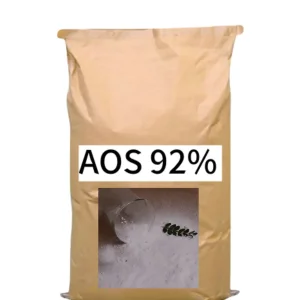
Formulation Core: Uses SLES (Sodium Laureth Sulfate) and AOS (Sodium Alpha-Olefin Sulfonate) as core surfactants for superior cleaning and rich foam.
Viscosity Modifier: Combined with thickener CMEA (Cocamide MEA) for optimal viscosity and user experience.
Ecological Standard: Mild formula compliant with international standards, reducing skin irritation while maintaining high soil removal.
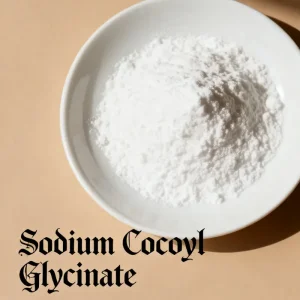
Mild Cleansing: Features Sodium Cocoyl Glutamate (YG02-95) and Sodium Lauroyl Sarcosinate (LS-100N) for ultra-mild cleansing, ideal for sensitive skin.
Sensory Texture: Natural amino acid-based surfactants produce fine, easy-to-rinse foam while retaining essential skin moisture.
Compliance: Certified ingredients suitable for clean beauty and organic cosmetics formulations.
Active Ingredient: Utilizes cationic surfactant 1631 70 (Cetrimonium Chloride) for enhanced fabric softness and anti-static properties.
Efficiency: Concentrated formula reduces packaging requirements and logistical costs, supporting sustainable practices.
Process Compatibility: Designed for cold-water wash dispersion, ensuring consistent performance in energy-efficient cycles.
Synergy Blend: Combines amphoteric CAB-35 (Cocamidopropyl Betaine) and non-ionic APG1214 (Lauryl Glucoside) for a dense, stable lather.
Safety Profile: Sulfate-free compatibility minimizes skin dryness, suitable for pediatric and sensitive skin formulations.
Structure Control: Includes thickener Xanthan Gum to ensure thermal stability and rheological properties.
Emulsification Core: Powered by LAS (Linear Alkylbenzene Sulfonate) and solvent EGDS (Glycol Distearate) for rapid breakdown of tough grease.
Environmental Profile: Enhanced biodegradability with Alkaline Lipase, meeting strict industrial wastewater discharge limits.
Concentrated System: Dilutable formulation designed to minimize operational expenditures for high-volume cleaning.
Tailored configurations designed to align with specialized market positions and application conditions.
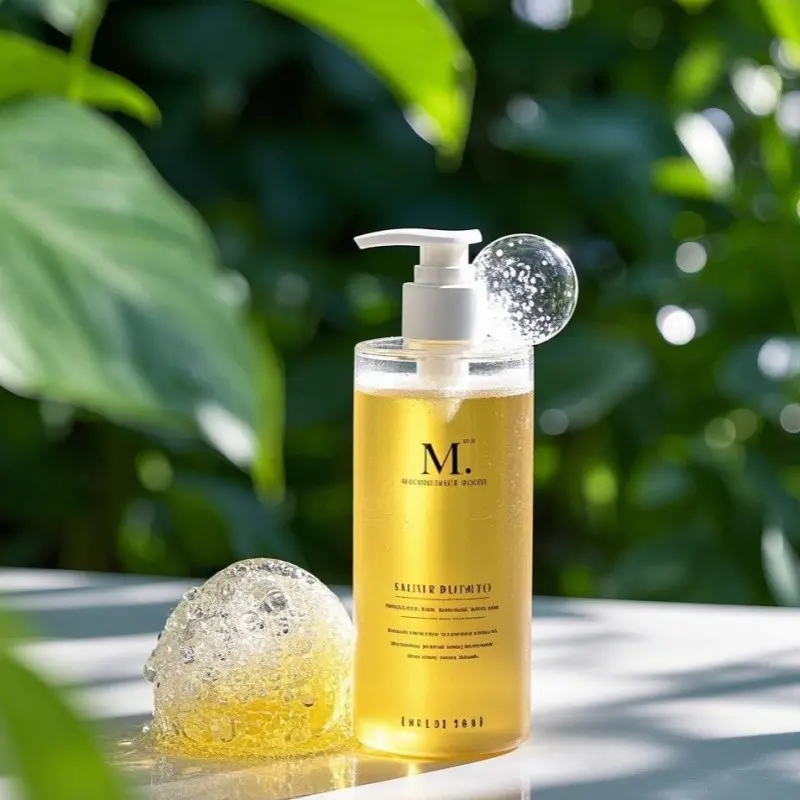
Tailored systems matching your target scenarios (including hospitality, salon, and retail markets) with optimized active content and packaging options.
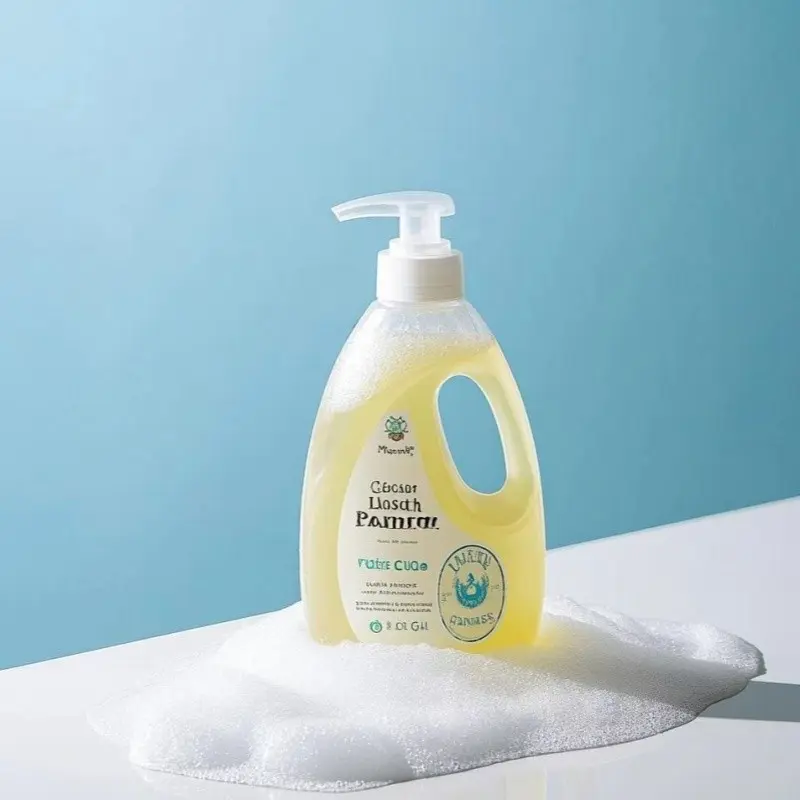
Custom adjustments for scent profiles, viscosity parameters, and cold-wash efficiency parameters, matching specific regional performance requirements.
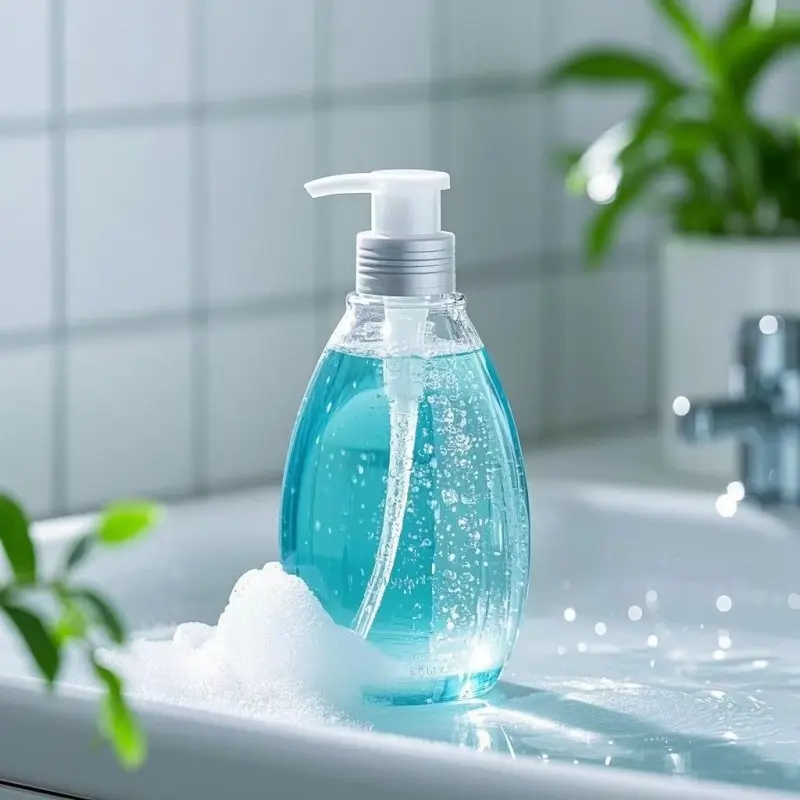
Formulations developed for commercial and public settings, balancing foam stability with skin hydration and compliance with healthcare standards.
Need Technical Assistance or Custom Sourcing Solutions?
Contact Our Technical TeamKeep informed on the latest technical reports, surfactant innovations, and chemical regulations.
Find answers to common technical questions regarding formulation stability, HLB balances, and raw material sourcing.
Discover our full range of raw materials, functional surfactants, and thickeners available for global shipment.