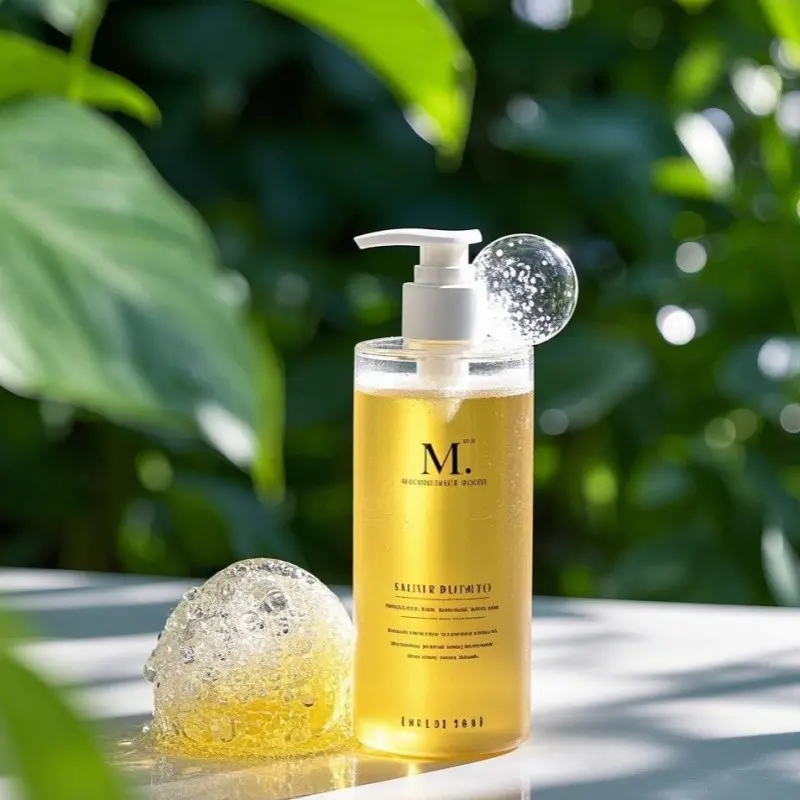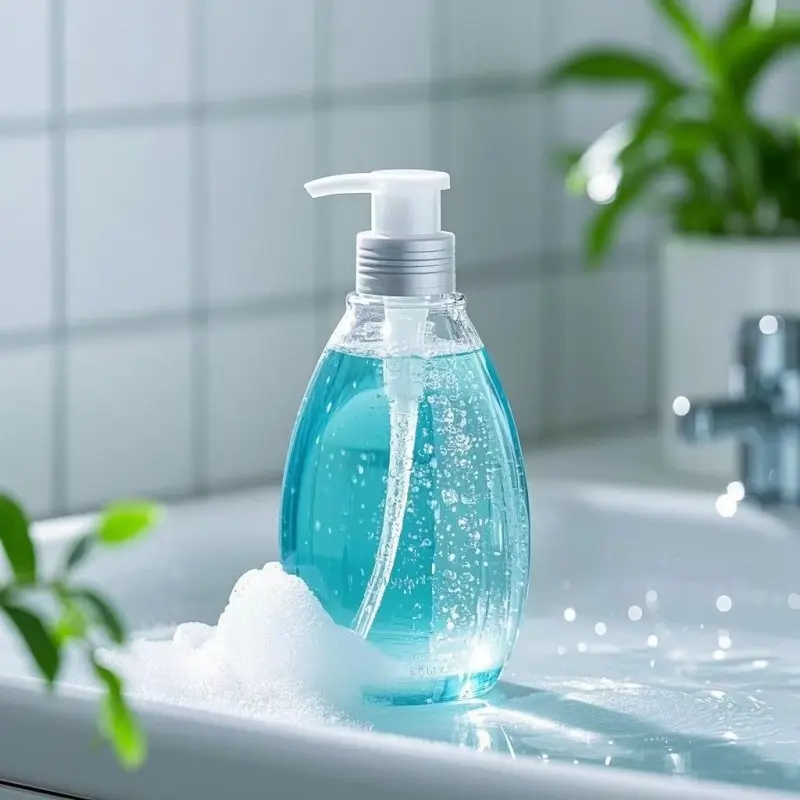
Explore our industrial-grade and cosmetic-grade active ingredients engineered for advanced personal care and detergent formulations.
An authoritative examination of molecular kinetics, environmental adaptations, and shifting global trade patterns.
Sodium Alkyl Ether Sulphate (SLES), also commonly referred to as Sodium Laureth Sulfate, stands as the foundation of modern surfactants. This anionic chemical substance possesses remarkable cleansing, emulsification, and foaming properties. It is highly valued globally in cosmetic, home care, and industrial settings. As global consumer demand leans heavily toward mild formulations, clean beauty, and reduced chemical toxicity, the production and sourcing architectures of SLES have undergone a significant evolution.
SLES is synthesized by the ethoxylation of dodecyl alcohol (lauryl alcohol), which is derived from either natural palm kernel/coconut oils or synthetic petrochemical feedstocks. The resulting ethoxylated alcohol is subsequently sulfated and neutralized using sodium hydroxide. The number of moles of ethylene oxide (EO) added to the alkyl chain determines the surfactant's final characteristics. SLES typically carries an average of 1, 2, or 3 moles of EO.
Understanding these variables is essential for formulators aiming to optimize surfactant structures. Adjusting the EO chain length allows manufacturers to balance lather characteristics, viscosity response, and mildness profile without relying on costly secondary surfactants.
The ethoxylation step in SLES synthesis inherently produces a minor byproduct: 1,4-dioxane. Designated as a potential human carcinogen by international regulatory authorities (including the US EPA and European Commission), 1,4-dioxane has become the subject of strict legal limits. Historically, commercial grades of SLES contained upwards of 30 to 50 ppm (parts per million) of 1,4-dioxane.
Modern chemical processing relies on vacuum stripping and advanced falling film ethoxylation reactors to lower 1,4-dioxane levels. Premier factories now supply SLES with guaranteed limits under 10 ppm, and often under 5 ppm or even 1 ppm for highly demanding baby care formulations. Reducing this trace contaminant is vital for maintaining market access in regions with strict safety standards, such as California (under Prop 65) and the European Union.
Procuring raw materials for the daily chemical sector requires balancing price stability, supply consistency, and certified product quality. SLES is typically traded in two primary concentrations:
As sustainability goals prompt multinational brands to re-examine their supply chains, sourcing SLES from vertically integrated manufacturers is increasingly important. Facilities that process palm kernel oil directly into fatty alcohols and finished surfactants offer better cost control and traceable supply paths.
Our top-tier selection of mild co-surfactants, specialty thickeners, and functional daily chemical additives.
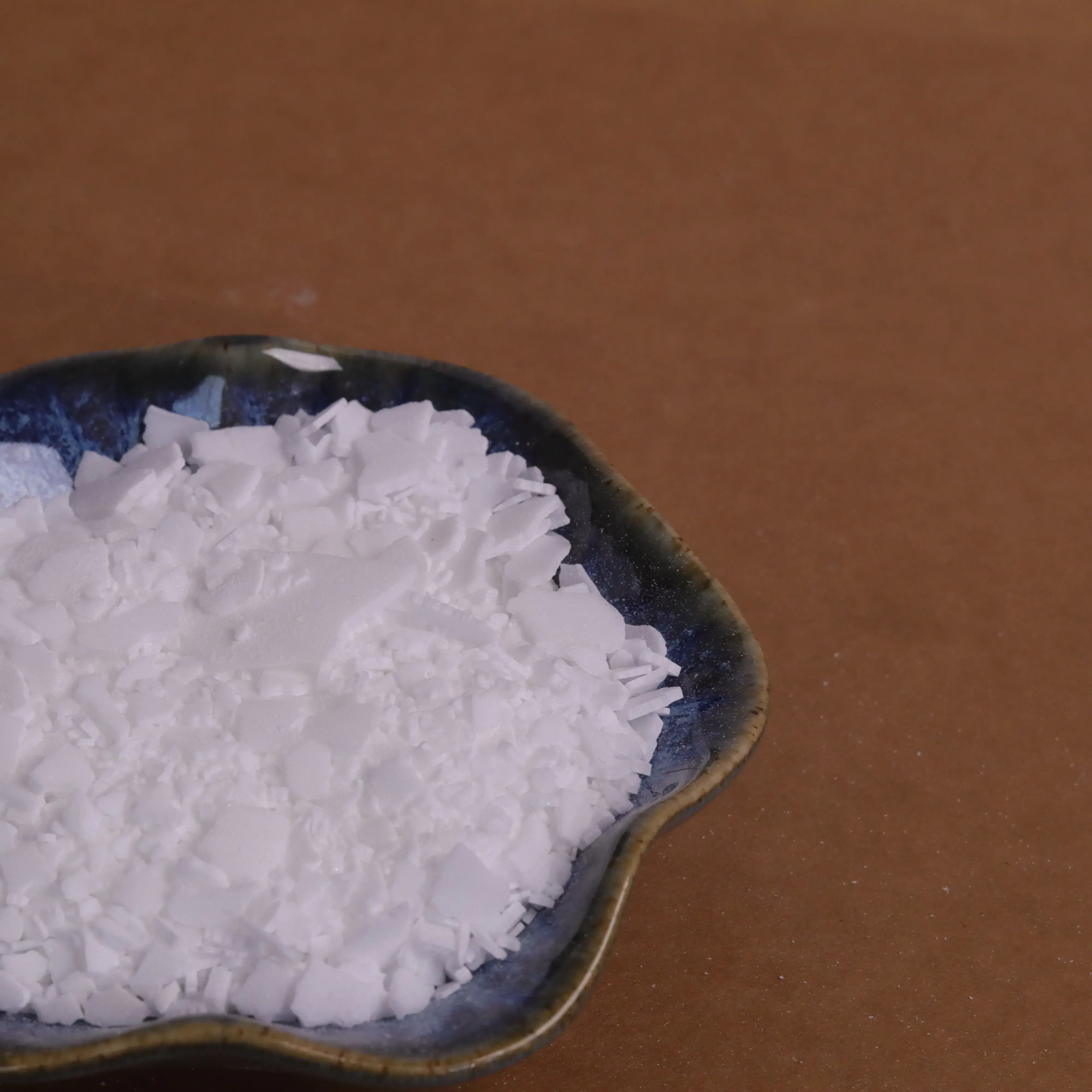
As a leading supplier in the daily chemical raw materials industry, Suzhou Yuantairun Chemical Co., Ltd. is dedicated to delivering high-quality products and comprehensive one-stop services to support our customers in R&D, production, and supply chain optimization. Our mission is to drive innovation and efficiency in the global daily chemical industry by providing cutting-edge solutions tailored to our clients' needs.
Our products originate from well-managed, sustainable resources. We combine state-of-the-art analytical equipment with strict batch-to-batch quality control processes to ensure every shipment complies with global standards.



We work to optimize your formulation chemistry and safeguard your raw material supply chain.
We offer a diverse catalog of raw materials to meet your primary and co-surfactant requirements.
Collaborative ODM and OEM laboratory programs designed to optimize formulation viscosity and performance.
Direct sourcing from chemical manufacturing centers helps lower procurement costs for bulk raw materials.
Strategically managed distribution networks coordinate shipments to match your manufacturing schedules.
Specific surfactant systems formulated to meet targeted performance and application requirements.
Uses SLES (Sodium Laureth Sulfate) and AOS (Sodium Alpha-Olefin Sulfonate) as core surfactants for superior cleaning and rich foam. Combined with thickener CMEA (Cocamide MEA) for optimal viscosity and user experience. Mild, biodegradable formulations designed to reduce skin irritation while maintaining high cleaning performance.
Features Sodium Cocoyl Glutamate and Sodium Lauroyl Sarcosinate for ultra-mild cleansing, ideal for sensitive skin. Natural amino-acid based surfactants produce fine, easy-to-rinse foam while retaining moisture. Meets the demand for clean beauty in premium markets.
Utilizes cationic surfactant Cetrimonium Chloride for enhanced fabric softness and anti-static properties. Concentrated formulas help reduce packaging volume and transport emissions. Works effectively in cold water wash cycles to support energy-efficient laundry practices.
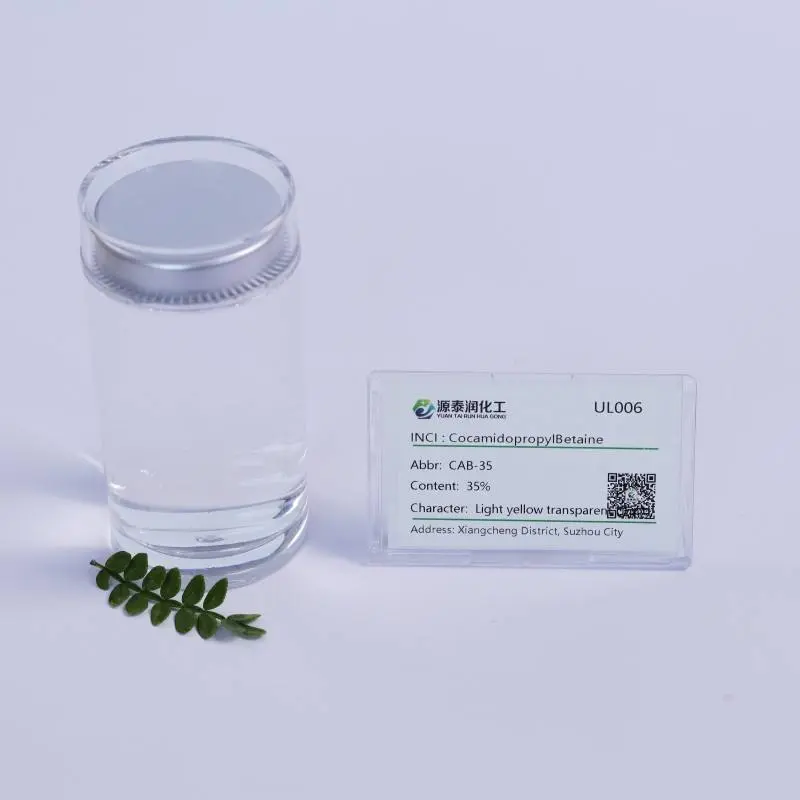
Combines amphoteric CAB-35 (Cocamidopropyl Betaine) and non-ionic APG1214 (Lauryl Glucoside) for rich, low-residue lather. Sulfate-free formulations minimize skin dryness, making them suitable for children and sensitive skin. Incorporates stabilizers for improved formula viscosity and texture.
Powered by LAS (Linear Alkylbenzene Sulfonate) and solvent EGDS (Glycol Distearate) for rapid breakdown of tough industrial grease. Biodegradable profiles support industrial wastewater compliance. Concentrated formulation can be diluted onsite to help reduce shipping costs.





Collaborative services tailored to support specific application requirements and product positioning.
Customized development options to support target performance profiles and viscosity preferences for hospitality, professional salon, or retail markets.
Customized options for fragrance profiling, active matter adjustments, and packaging designs to meet regional consumer preferences.
Targeted formulations optimized for daily hand washing, suitable for commercial shopping malls, restaurant chains, and retail networks.
Navigating the global regulatory landscape and transitioning toward sustainable, bio-based surfactants.
Meeting global compliance standards is critical when sourcing chemical raw materials. Clean beauty trends and municipal water regulations have prompted major markets to adopt strict rules governing trace impurities. Our production systems comply with key regulatory frameworks:
The chemical industry is actively working to reduce its carbon footprint and transition away from petroleum-derived materials. The technical roadmap for Sodium Alkyl Ether Sulphate focuses on two primary areas:
Stay informed with technical updates, product releases, and market insights from our daily chemical division.
Runtec®SCI85 is a mild anionic surfactant with high active ingredient content and excellent compatibility. Designed to enhance foaming profiles while maintaining skin mildness.
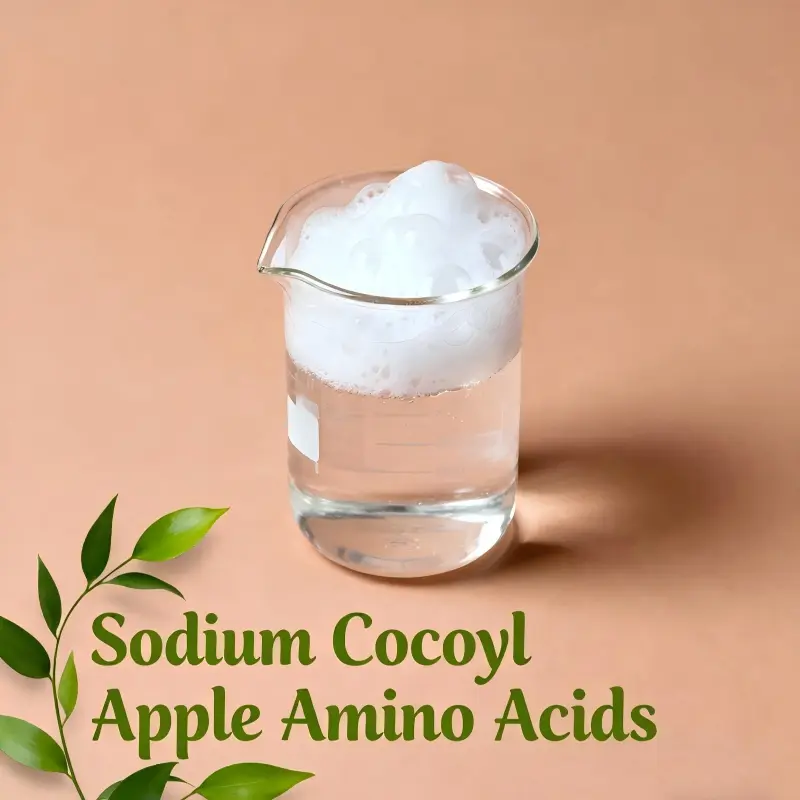
Read ArticleRuntec®SCA-30 is an oil-resistant, amino-acid based surfactant with excellent foaming characteristics, specifically developed for mild shampoo formulations.
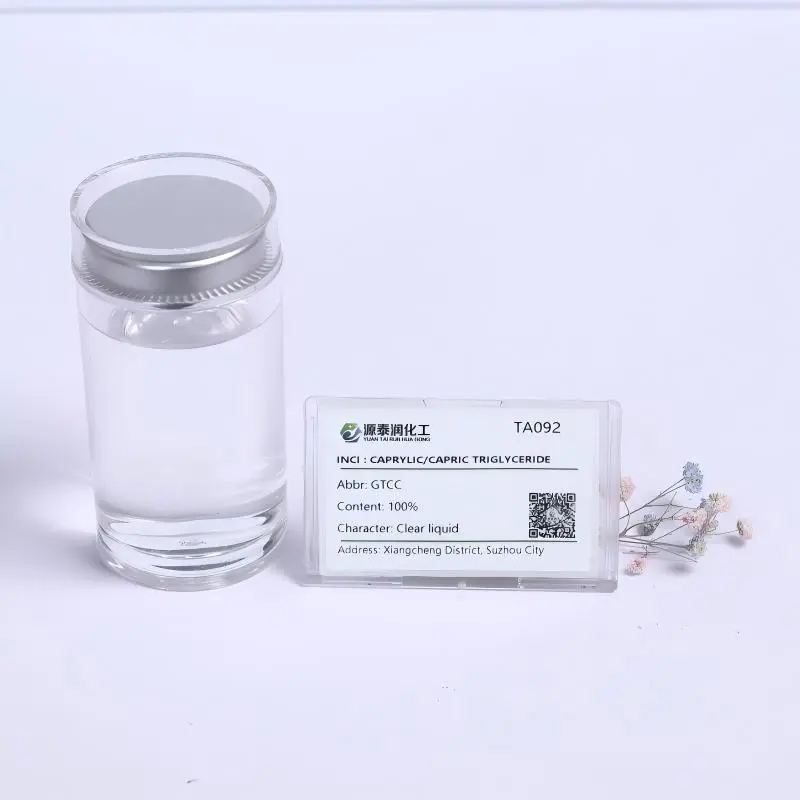
Read ArticleA skin-conditioning emollient compatible with a wide range of cosmetic oils, offering pigment dispersing properties for personal care formulations.
Read ArticleTechnical answers to common questions about SLES sourcing, formulation compatibility, and regulatory safety.
Contact our technical sales team for regulatory documentation, batch samples, or to discuss customized formulation requirements.
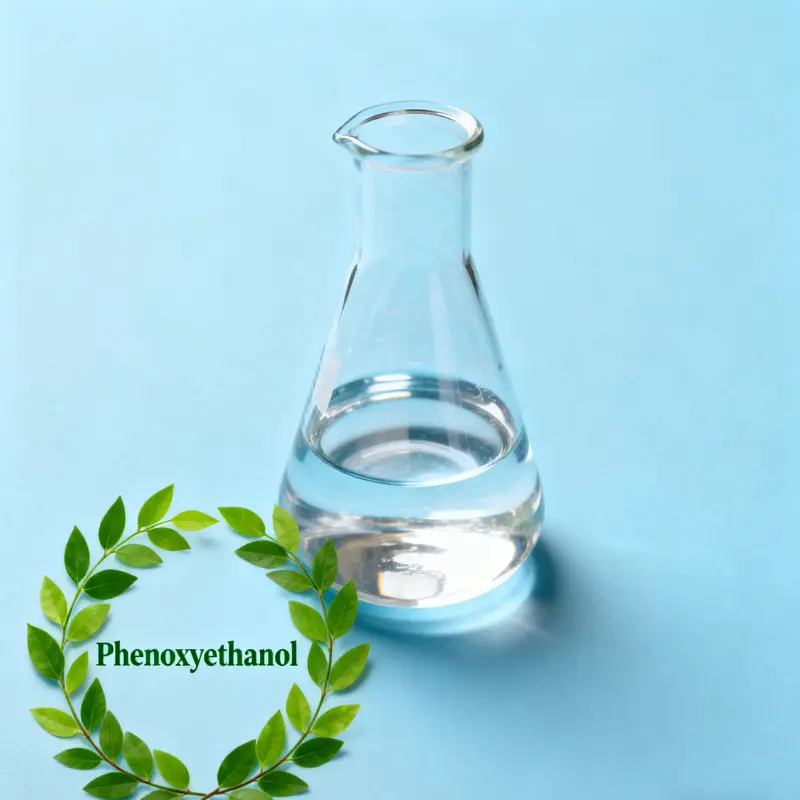
Submit InquiryFunctional raw materials designed to support formula stability, viscosity adjustment, and preservation requirements.