Global Industrial Chemical Solutions

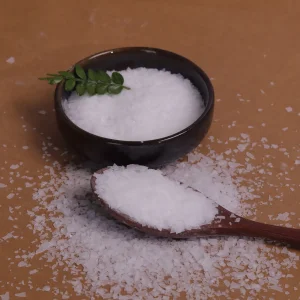
High-Quality Sodium Cocoyl Glutamate Factory & Factories

Leading the Transition to Sustainable Bio-Surfactants with State-of-the-Art Amino Acid Chemistry and Smart Manufacturing

Introduction: The Shift Toward Bio-Based Surfactants

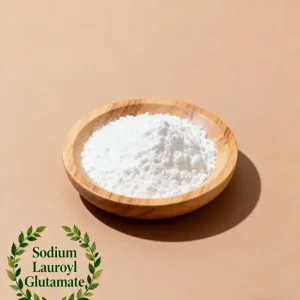
In the modern daily chemical and personal care manufacturing industry, the push for eco-friendly, mild, and highly biodegradable surfactants has transitioned from a niche preference to a global standard. At the center of this revolution is Sodium Cocoyl Glutamate (SCG), a natural amino acid-based surfactant derived from coconut oil and fermented glutamic acid. Recognized for its excellent foaming capability, mild skin feel, and minimal ecological impact, Sodium Cocoyl Glutamate has become the premier choice for premium cleansers, baby washes, and specialty home care formulations.

As global consumer preferences align with "clean beauty" and circular-economy chemical practices, sourcing from an advanced, certified Sodium Cocoyl Glutamate factory has become a strategic priority for multinational cosmetic brands and contract manufacturers (CMOs/ODMs). This comprehensive whitepaper explores the technological parameters, supply chain dynamics, and application methodologies associated with sourcing Sodium Cocoyl Glutamate from China’s leading industrial manufacturing hubs.

Global Market Dynamics & The Rise of Amino Acid Chemistry

The global surfactant market is undergoing structural shifts. Conventional alkyl sulfates, such as Sodium Lauryl Sulfate (SLS) and Sodium Laureth Sulfate (SLES), while economically efficient and highly foaming, are under scrutiny due to skin irritation reports and the environmental persistence of industrial byproducts (such as 1,4-dioxane). Amino acid-based surfactants offer a direct, high-performance solution. Their unique molecular structure features a hydrophilic amino acid head group (glutamic acid) attached to a hydrophobic coconut fatty acid tail. This configuration results in a mild profile that cleanses effectively without disrupting the lipid barrier of the skin.

Recent chemical market analysis indicates a compound annual growth rate (CAGR) of over 8.5% for amino acid surfactants, with Sodium Cocoyl Glutamate leading the volume growth. This growth is driven by regulatory pressures in the European Union (under REACH protocols) and North America, combined with a rising demand for sulfate-free, non-irritating skin care products globally.

Strategic Sourcing: Key Criteria for Global Procurement Managers

Procuring raw chemical materials at an industrial scale requires rigorous quality assurance. For Sodium Cocoyl Glutamate, sourcing managers look beyond unit pricing to evaluate key technical parameters, manufacturing certifications, and impurity profiles:

  • Active Matter Concentration: SCG is commonly supplied as a 30% to 38% aqueous solution or a high-purity spray-dried powder (up to 95% active matter). Understanding and maintaining batch consistency in active concentrations is critical to formulation stability.
  • Impurity Limits & Side-Product Profiles: Quality factories must maintain low limits of free fatty acids (typically < 2%) and sodium chloride (< 3% for standard grades, with specialty low-salt grades available for salt-sensitive formulations).
  • Certifications and Eco-Labels: Leading manufacturers must offer ECOCERT, COSMOS, and RSPO (Roundtable on Sustainable Palm Oil) mass-balance certifications. These credentials confirm that raw materials are derived from responsibly managed, renewable sources.
  • Microbial Safety: For aqueous liquids, strict bio-burden control and high-performance, non-sensitizing preservative systems (or preservative-free packaging) are essential to prevent contamination during shipping and storage.

China's Factory 4.0: Modern Supply Chain Resilience

The paradigm of Chinese chemical manufacturing has shifted from high-volume output to technological sophistication and smart operations. Suzhou Yuantairun Chemical Co., Ltd. and other advanced factories are leading this transformation through the integration of Factory 4.0 standards. Key innovations include:

  • Automated Synthesis Systems: Closed-loop, automated batch reactors ensure precise control over reaction temperatures, pH adjustment, and addition rates during the condensation process of cocoyl chloride and sodium glutamate. This automation minimizes batch-to-batch variation, delivering consistent product quality.
  • Real-time Analytical Controls: Online high-performance liquid chromatography (HPLC) and gas chromatography systems continuously monitor reaction progress, verifying that the product meets the exact required specifications before it leaves the production floor.
  • Sustainable Waste Management: Advanced factories utilize membrane filtration and closed-circuit water recycling to significantly lower water footprint. Modern waste treatment units recover and reuse excess raw materials, minimizing the overall environmental impact.
  • Supply Chain Transparency: From tracking raw coconut oil fatty acids to monitoring final maritime container shipments, modern enterprise resource planning (ERP) systems provide end-to-end transparency, reducing risk and improving logistics reliability for global buyers.

Localized Formulation Science: Application Scenarios

Sodium Cocoyl Glutamate is a versatile ingredient, but its performance depends on its formulation context. Key application scenarios include:

  • Premium Facial Cleansers: In facial washes, Sodium Cocoyl Glutamate is often formulated at 10% to 15% active level. It provides a creamy, stable foam and leaves a soft, non-dry residue on the skin. Sourcing managers look for low-salt grades to prevent product clouding or separation over time.
  • Ultra-Gentle Baby Care Products: Baby cleansers utilize SCG due to its high skin tolerance and low ocular irritation profile. It is typically combined with non-ionic surfactants, like Lauryl Glucoside, to optimize mildness and viscosity.
  • Sulfate-Free Shampoos: SCG acts as a primary or secondary surfactant in premium hair care products. It provides color protection for dyed hair and reduces hair protein degradation compared to traditional anionic surfactants.
  • Eco-Friendly Household Cleaners: In dishwashing liquids and delicate fabric washes, SCG provides high biodegradability and skin-safe performance, appealing to consumers looking for green cleaning solutions.

Why Choose Suzhou Yuantairun Chemical Co., Ltd.

We are committed to delivering high-quality products from well-managed, sustainable, and technologically advanced resources.

One-Stop Services

We provide a comprehensive portfolio of daily chemicals and raw materials to streamline your procurement process.

R&D and Lab Support

Our research facility supports custom product adjustments, formulating ODM and OEM chemical mixtures tailored to your market requirements.

Competitive Pricing

We leverage advanced manufacturing processes to deliver high-quality materials at competitive global market prices.

Just-in-Time Delivery

Our optimized supply chain and port logistics ensure materials arrive on time, keeping your production schedules running smoothly.

About Suzhou Yuantairun Chemical Co., Ltd.

As a leading supplier in the daily chemical raw materials industry, Suzhou Yuantairun Chemical Co., Ltd. is dedicated to delivering high-quality products and comprehensive one-stop services to support our customers in R&D, production, and supply chain optimization.

Our mission is to drive innovation and efficiency in the global daily chemical industry by providing cutting-edge solutions tailored to our clients' needs. Over the years, we have built a robust chemical manufacturing and sales network, providing solutions to diverse markets worldwide.


2010
Founded In
7000+
Cooperative Partners
Yuantairun Factory Office Yuantairun Chemical Production

Hot Products Showcase

Discover our highly requested surfactant formulas and specialty chemical agents.
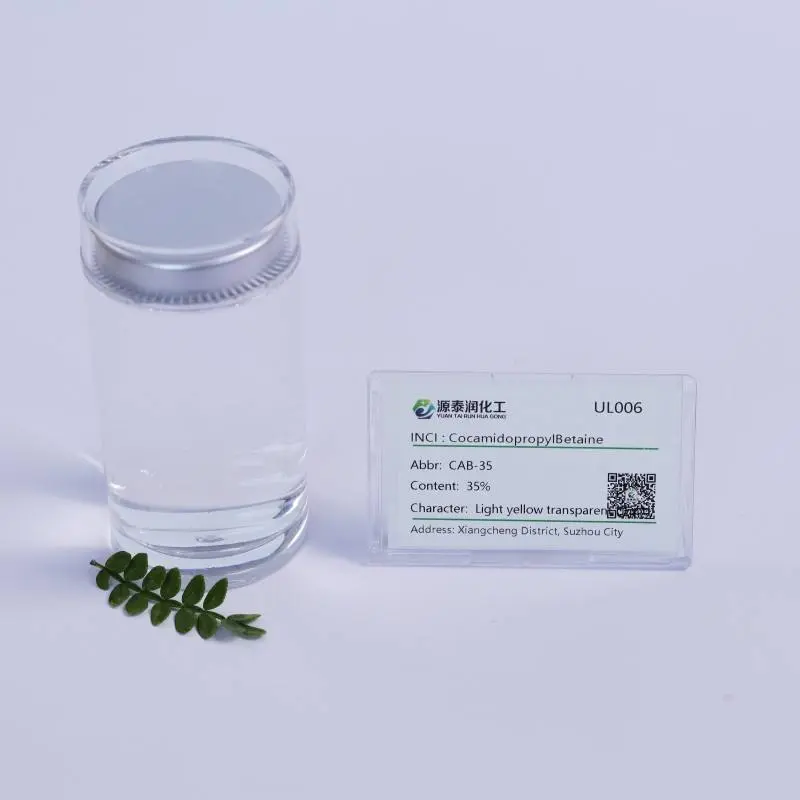
Cocamidopropyl Betaine 35% CAB-35

Cocamidopropyl Betaine 35% CAB-35 Cosmetic Grade Amphoteric Surfactant Foaming Agent for Personal Care Product CAS NO.: 61789-40-0

Learn More
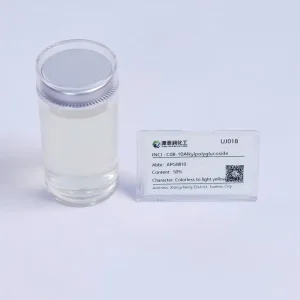
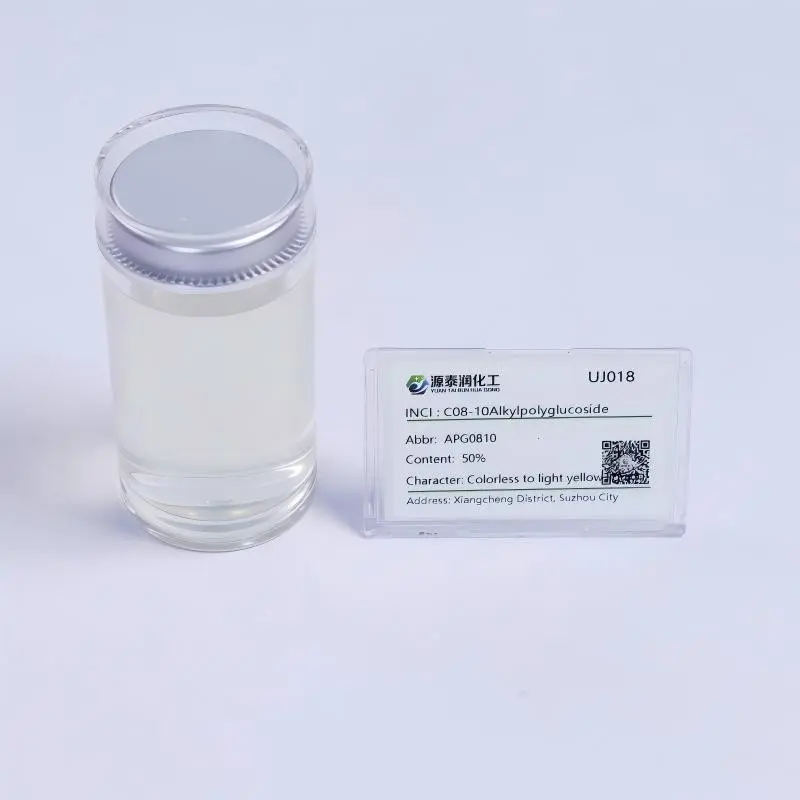
APG0810 Caprylyl/Capryl Glucoside Liquid 50%

APG0810 Caprylyl/Capryl Glucoside Liquid 50% C8-10 Alkyl Glucosides Nonionic Surfactant Foaming & Thickening Agent CAS NO.: 68515-73-1

Learn More
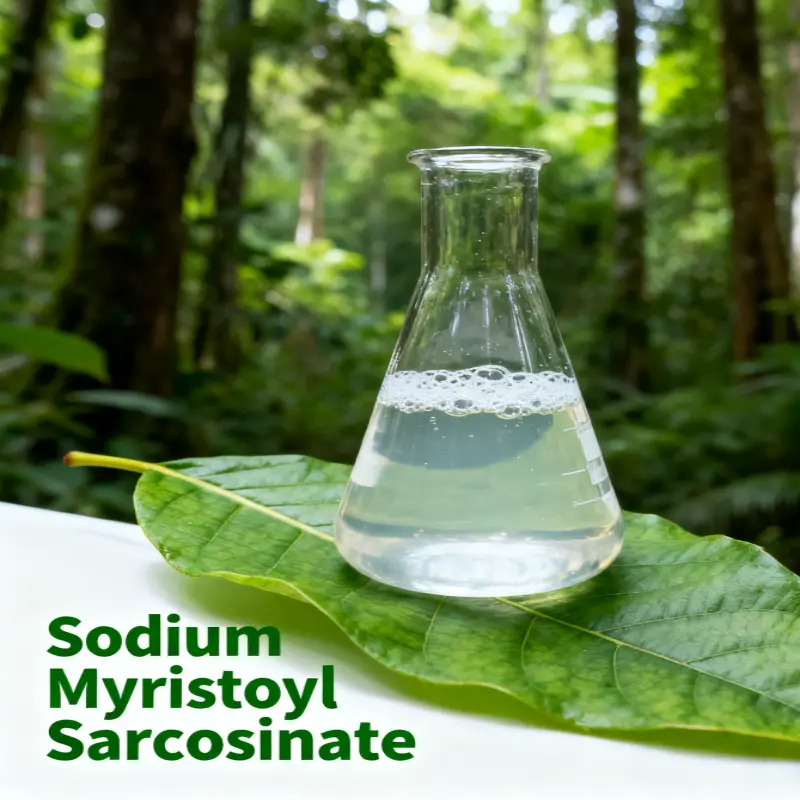
Sodium Myristoyl Sarcosinate 30% Liquid

Sodium Myristoyl Sarcosinate 30% Liquid No Preservative Amino Acid Surfactant Degreasing and Foaming Agent CAS NO.: 30364-51-3

Learn More
Disodium Lauryl Sulfosuccinate Powder 95%

Disodium Lauryl Sulfosuccinate Powder 95% Mild Succinic Acid Monoester Anionic Surfactant for Facial Cleanser CAS: 13192-12-6

Learn More
Sodium Lauroyl Sarcosinate 30% Liquid

Sodium Lauroyl Sarcosinate 30% Liquid No Preservative Amino Acid Surfactant Foaming Agent for Personal Care Product CAS NO.: 137-16-6

Learn More
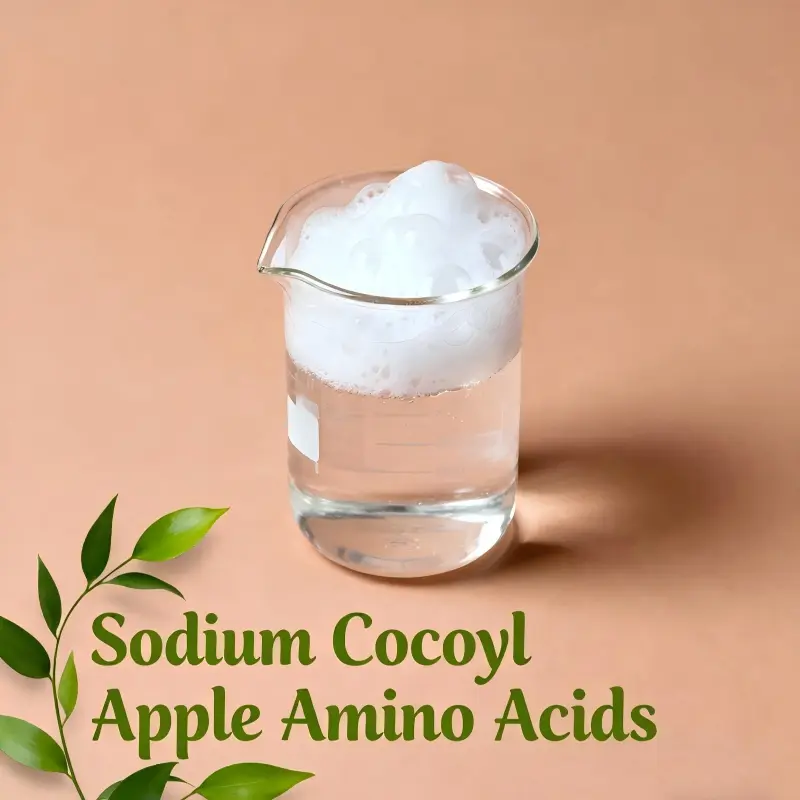
Cosmetic Grade Sodium Cocoyl Apple Amino Acids

Cosmetic Grade Sodium Cocoyl Apple Amino Acids 30%/50% Liquid Amino Acid Surfactant & Foaming Agent & Conditioner CAS NO.: 68188-38-5

Learn More
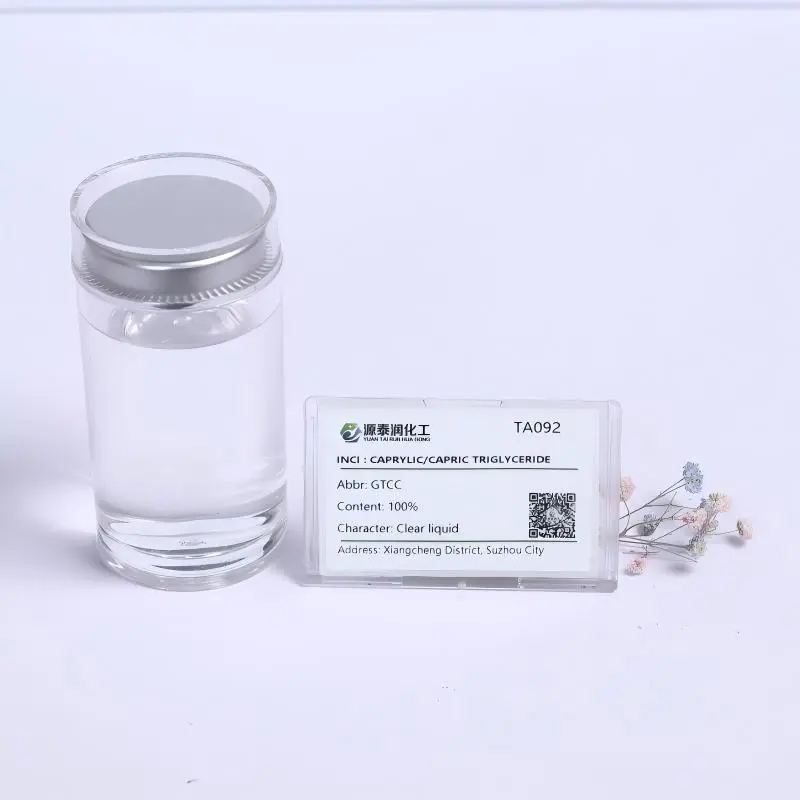
Caprylic/Capric Triglyceride

Caprylic/Capric Triglyceride Multifunctional Solvents Moisturizing Agent Base Oil for Creams Emulsions CAS: 65381-09-1

Learn More
Chelating Agent Disodium Edetate

Chelating Agent Disodium Edetate Dihydrate EDTA for Detergents and Food Additives Daily Chemicals Raw Materials 6381-92-6

Learn More
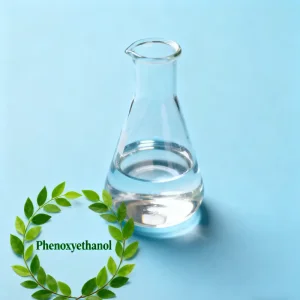
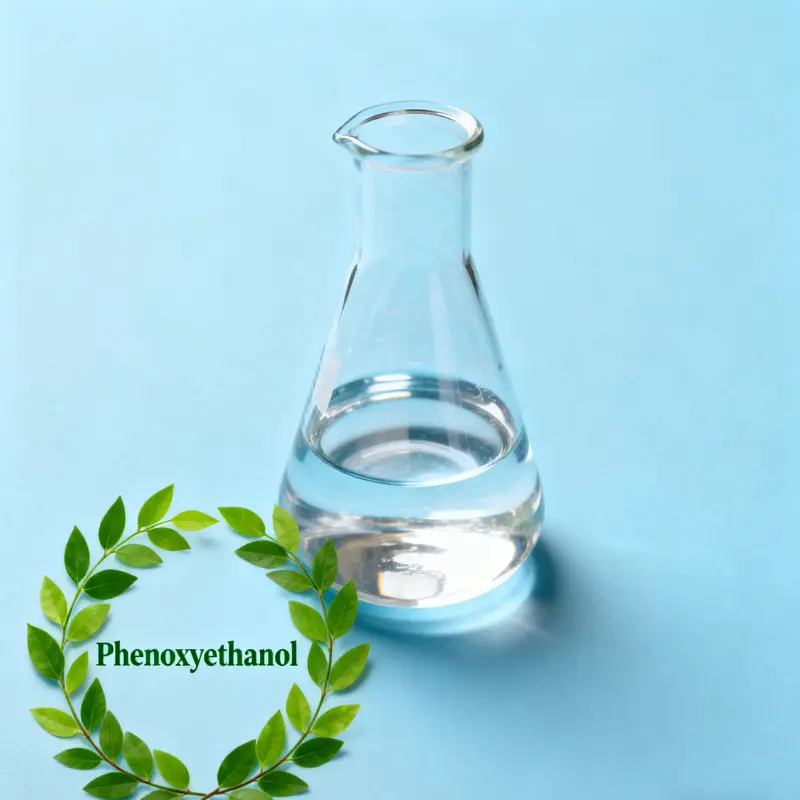
Cosmetic Grade Phenoxyethanol 99.9%

Cosmetic Grade & Industrial Grade Phenoxyethanol 2-Phenoxyethanol 99.9% Preservative Solvent for Cosmetics & Industry CAS 122-99-6

Learn More
Ethylene Glycol Price EGDS Pearlescent Agent

Ethylene Glycol Price EGDS Pearlescent Agent for Pearlescent in Body Care As Shower Gel and Shampoo

Learn More

Industry Applications

Discover how our chemical solutions are applied in formulation designs across consumer and industrial sectors.


Washing Powder / Laundry Detergent

High-Efficiency Eco-Friendly Laundry Detergent Development

Application: Home Care (Laundry Detergent, Cleaners)
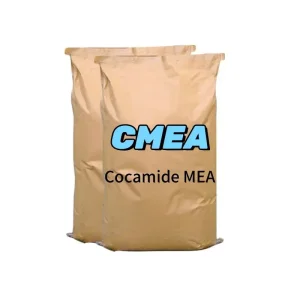
Uses SLES (Sodium Laureth Sulfate) and AOS (Sodium Alpha-Olefin Sulfonate) as core surfactants for superior cleaning and rich foam. Combined with thickener CMEA (Cocamide MEA) for optimal viscosity and user experience.
Facial Cleanser

Gentle Amino Acid Facial Cleanser

Application: Personal Care (Facial Cleansers, Body Wash)
Features Sodium Cocoyl Glutamate (YG02-95) and Sodium Lauroyl Sarcosinate (LS-100N) for ultra-mild cleansing, ideal for sensitive skin. Natural amino acid-based surfactants produce fine, easy-to-rinse foam.
Softener

Concentrated Fabric Softener Production

Application: Textile Care (Fabric Conditioners)
Utilizes cationic surfactant 1631 70 (Cetrimonium Chloride) for enhanced fabric softness and anti-static properties. Concentrated formula reduces packaging and transportation costs, improving sustainability.
Shower Gel

High-Foaming Shower Gel Formulation

Application: Personal Care (Shower Gels, Shampoos)
Combines amphoteric CAB-35 (Cocamidopropyl Betaine) and non-ionic APG1214 (Lauryl Glucoside) for rich, low-residue lather. Sulfate-free formula minimizes skin dryness, suitable for sensitive skin.
Degreaser

Industrial Heavy-Duty Degreaser

Application: Industrial Cleaning (Machinery, Vehicle Oil Removal)
Powered by LAS (Linear Alkylbenzene Sulfonate) and solvent EGDS (Glycol Distearate) for rapid breakdown of tough grease. Enhanced biodegradability with Alkaline Lipase, meeting industrial wastewater regulations.

Customized Client Solutions

We tailor our raw materials and services to support your target applications, budget requirements, and supply chain demands.
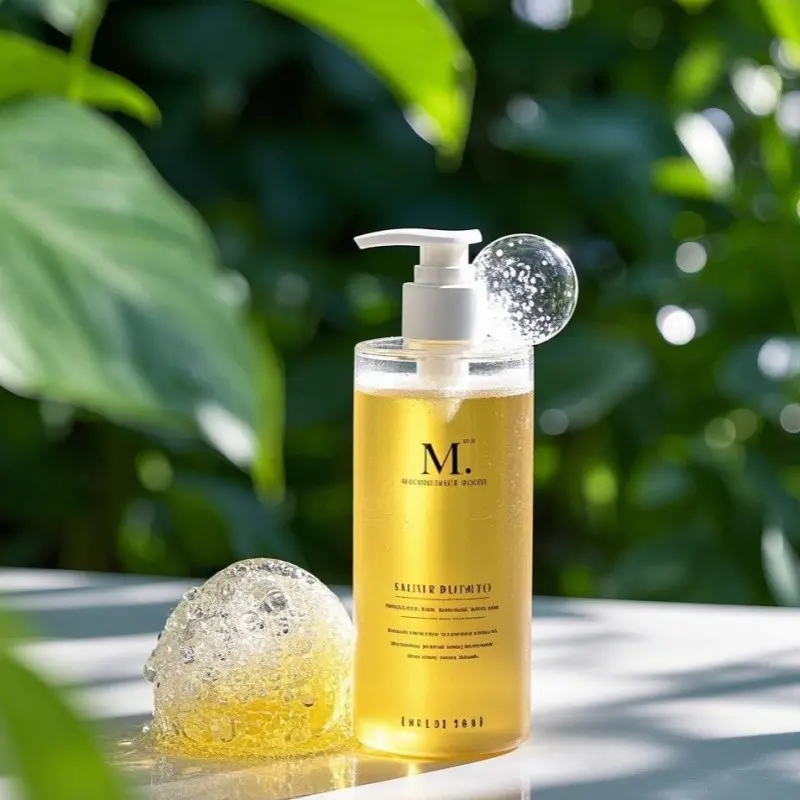
Shampoo Customized Service
Icon

Shampoo & shower gel Customized service

We customize solutions according to your usage scenario, such as hotels, barbershops, or retail. We offer multi-functional ingredients, flexible packaging options, and competitive pricing tiers.
Laundry Detergent Service
Icon

Laundry Detergent Solutions

Fragrance, packaging configurations, and application scope can be tailored to meet your requirements. We support local regulations and regional consumer washing habits.
Hand Washing Service
Icon

Hand Washing Formulas

Designed for a variety of commercial and domestic applications, including shopping malls, restaurants, hotels, and retail brands.

Discuss Your Sourcing and Formulation Needs

Connect with our technical engineers and global logistics team to request product samples, COA documentation, and volume pricing.

Submit Inquiry

Blog & News

Follow our chemical updates, product innovations, and global conference announcements.

2026-03-06
Runtec®SCI85: A mild anionic surfactant with high active ingredient content, excellent compatibility...
Read Article →
2026-02-02
Runtec®SCA-30: Sodium Cocoyl Alaninate-An oil-resistant amino acid surfactant with excellent foaming...
Read Article →
2026-01-31
Cetyl Ethylhexanoate: A skin moisturizer compatible with various cosmetic oils featuring dispersing power...
Read Article →

Frequently Asked Questions

Get answers to technical questions about the properties, formulations, and sourcing of Sodium Cocoyl Glutamate.

What is the difference between Sodium Cocoyl Glutamate and Sodium Lauroyl Glutamate?
The difference lies in the fatty acid carbon chain distribution. Sodium Cocoyl Glutamate is derived from coconut oil, which contains a natural distribution of carbon chains (typically C8 to C18, dominated by C12 lauric acid). Sodium Lauroyl Glutamate is derived from purified lauric acid (C12). Sodium Cocoyl Glutamate is generally more cost-effective and provides a slightly richer, creamier foam due to its broader carbon chain profile, while Lauroyl Glutamate offers excellent rinseability and skin feel.
How does Sodium Cocoyl Glutamate perform in terms of biodegradability?
Sodium Cocoyl Glutamate is highly biodegradable. Under OECD 301B guidelines, it achieves over 60% degradation within 28 days, qualifying as readily biodegradable. It breaks down into natural amino acids (glutamic acid) and fatty acids, minimizing its environmental footprint in aquatic systems. This makes it an ideal ingredient for formulations aiming for eco-certifications like ECOCERT or the EU Ecolabel.
Can Sodium Cocoyl Glutamate be formulated into clear shampoo products?
Yes, SCG can be formulated into clear products, but this requires attention to system pH and salt concentration. At a pH lower than 5.0, glutamic acid-based surfactants can precipitate out of solution due to the protonation of the carboxylate groups. Formulating at a pH range of 5.5 to 6.5, and selecting a low-salt grade of SCG, helps ensure product clarity and viscosity stability.
How can formulators build viscosity in systems utilizing Sodium Cocoyl Glutamate?
Because amino acid surfactants do not respond to sodium chloride salt thickening in the same way traditional ether sulfates (SLES) do, formulators must use alternative thickening strategies. Effective thickeners include non-ionic polymers like PEG-120 Methyl Glucose Dioleate, natural gums (such as Xanthan Gum or Guar Gum), or amphoteric co-surfactants like Cocamidopropyl Betaine (CAB-35) combined with hydrophilic associative thickeners.
What are the typical shelf-life and storage conditions for bulk liquid SCG?
Under proper storage conditions (stored in original, unopened containers, shielded from direct sunlight and freezing temperatures, ideally between 5°C and 35°C), liquid Sodium Cocoyl Glutamate has a shelf-life of 12 to 24 months. Because it is a bio-based product, keeping the storage temperature stable prevents phase separation or slow precipitation of fatty acids.