Explore our highly-stabilized, mild anionic surfactants and active ingredients designed for modern, high-performing green cosmetics and home care formulations.
Addressing the shifting paradigm in industrial chemical synthesis towards sustainable, zero-irritation cleansing profiles.
In the global personal care and industrial washing sectors, traditional ethoxylated surfactants such as Sodium Laureth Sulfate (SLES) are facing strict regulatory limitations and consumer resistance due to traces of 1,4-dioxane and skin barrier degradation. Modern formulations demand a shift to biodegradable, skin-biocompatible options. Sodium Cocoyl Glycinate, an anionic amino acid surfactant synthesized from the condensation of coconut oil fatty acids with glycine, represents the gold standard of this transition.
As an industry-leading supplier, we recognize that offering simple alternatives is not enough. We provide complete systems that balance foam stability, viscosity enhancement, and hard water tolerance. By replacing harsh sulfates with our specialized glycinate range, cosmetic chemists can achieve high foam volume and structural integrity even under neutral to alkaline pH profiles (pH 6.5–8.0), where glycinates exhibit superior performance.
| Surfactant Type | Irritation Potential (Zein Score) | Foaming in Hard Water | Biodegradability (28 Days) | Viscosity Control Response |
|---|---|---|---|---|
| Sodium Cocoyl Glycinate (Amino Acid) | < 200 (Very Mild) | Excellent (Synergizes with Ca/Mg) | > 95% (Rapidly Biodegradable) | Medium (Requires polymeric thickeners) |
| Sodium Laureth Sulfate (SLES) | 350 - 450 (Moderate) | Fair | ~ 75% | High (Responds directly to NaCl) |
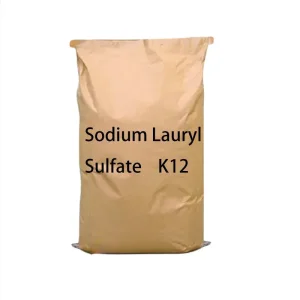
| Sodium Lauryl Sulfate (SLS) | > 600 (High Irritant) | Poor | ~ 70% | High (Responds directly to NaCl) |
A panoramic view of sourcing strategies, manufacturing capacities, and distribution channels for worldwide supply stability.
The worldwide demand for clean-label, bio-based cosmetics has altered traditional purchasing models. Multi-national contract manufacturers are no longer relying on single-source, localized chemical plants. From our manufacturing facility in Suzhou, China, we export optimized batches of Sodium Cocoyl Glycinate to Europe, North America, and Southeast Asia. We ensure supply chain resilience through raw material diversification—sourcing high-purity glycine and refined coconut fatty acid directly from sustainably managed, RSPO-certified agricultural partners.
By maintaining modern production units, we help brands scale up from pilot formulations to multi-ton batch productions. We address global logistical challenges by offering customizable physical states, such as 30% active liquid solutions for cold processing and 95%+ active dry powders for solid products, shaving bars, and anhydrous waterless cosmetics.
Proven excellence in chemical synthesis, rigorous laboratory validation, and international quality control systems.
Explore our highly-requested surfactants designed for advanced personal care and green industrial applications.
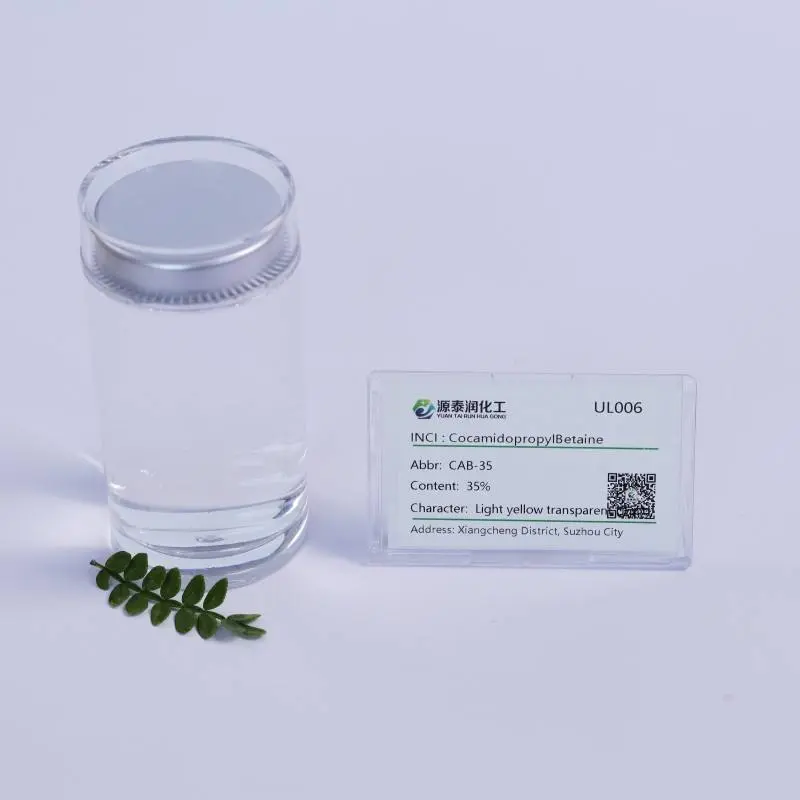
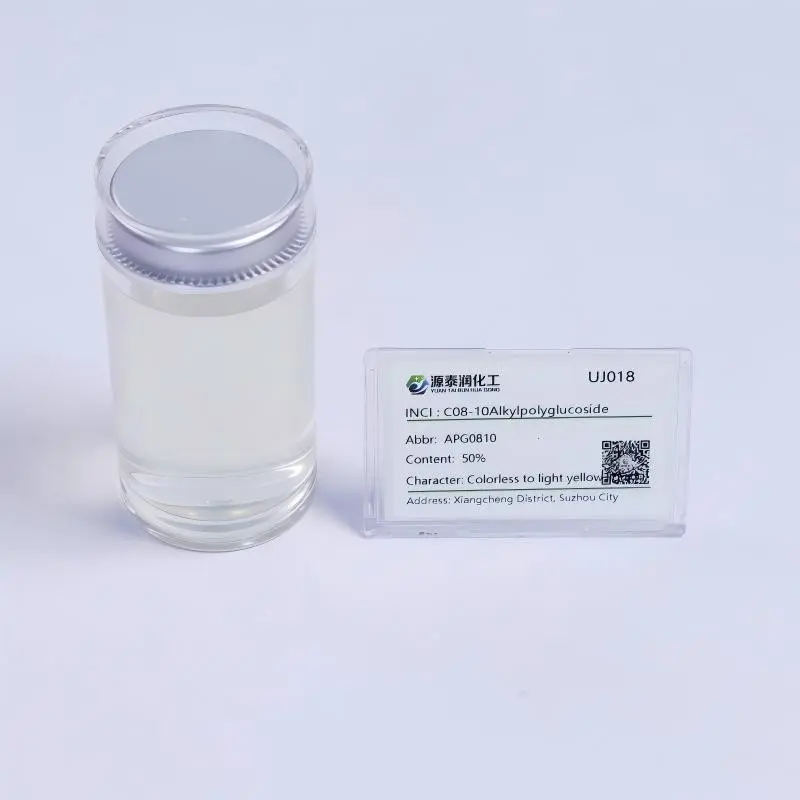
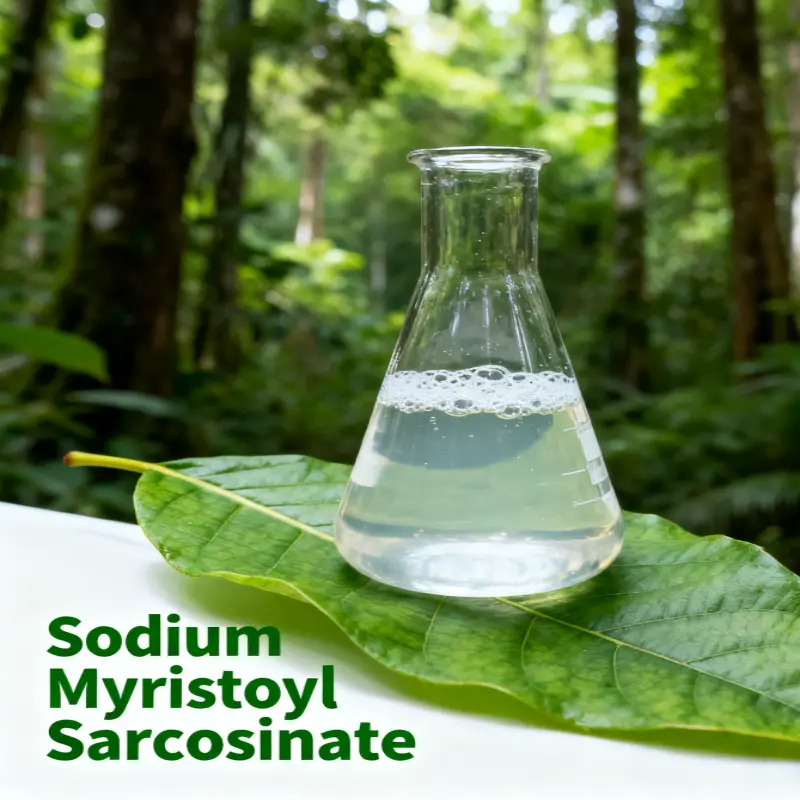
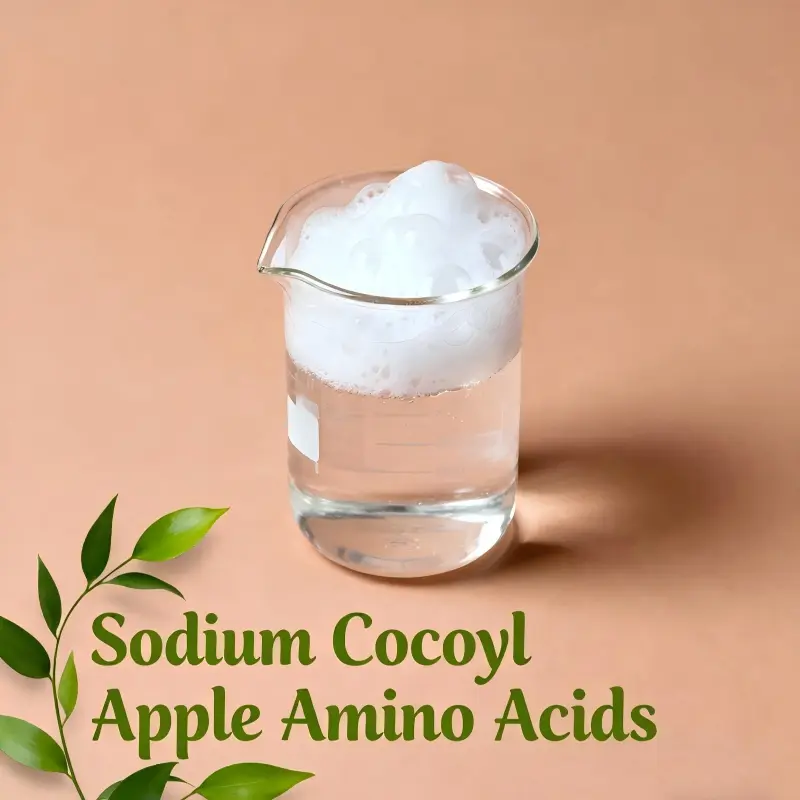
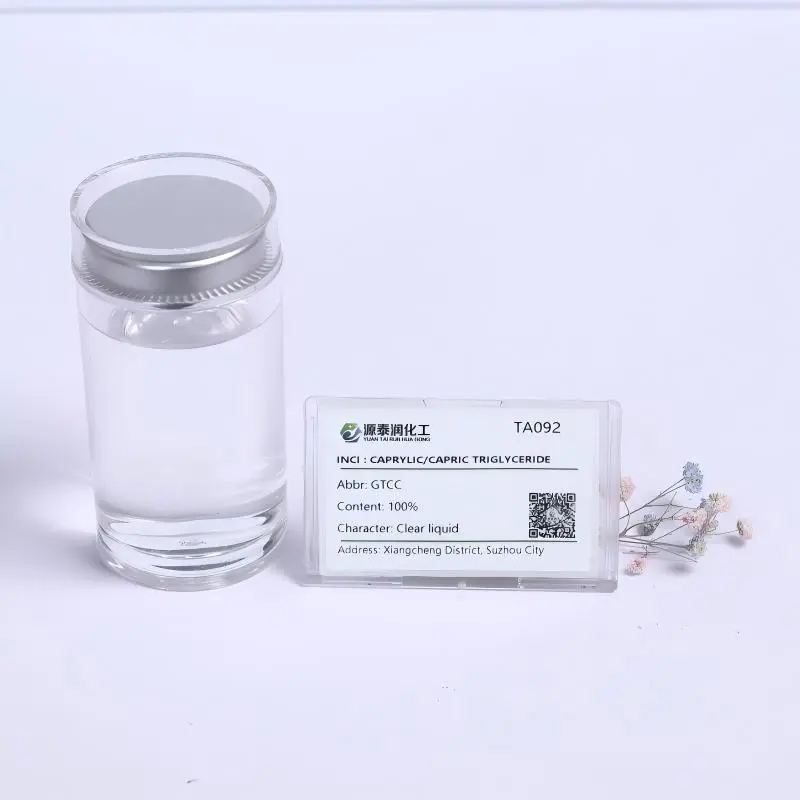
Translating chemical parameters into real-world formulation success across consumer and industrial applications.
Formulated using Sodium Cocoyl Glutamate and Sodium Lauroyl Sarcosinate. It delivers excellent foaming performance in clean beauty formulations while ensuring mildness on sensitive skin. ECOCERT compliant.
Leveraging Sodium Laureth Sulfate (SLES) combined with Sodium Alpha-Olefin Sulfonate (AOS) for high-performance cleaning. Viscosity is stabilized with Cocamide MEA (CMEA), providing structural stability in hard water.
Combines linear alkylbenzene sulfonate (LAS) and specialized nonionic surfactants. Formulated to break down heavy grease on tools, vehicles, and industrial parts while conforming to regional wastewater regulations.
We provide tailored solutions matching regional water quality (soft vs. hard water profiles) and local chemical regulatory standards:
Ensuring smooth customs clearing, environmental safety registration, and quality certification compliance.
To maintain high reliability, our products undergo regular audits and hold necessary certifications to enter diverse geographical regions. This ensures compatibility with regulatory requirements worldwide:
Investing in biotechnology and next-generation synthesis techniques to achieve a circular bio-economy.
Our development roadmap aims to lower the environmental impact of surfactant manufacturing. Traditional synthesis involves reacting fatty acid chlorides with glycine in the presence of alkaline reagents. We are working to optimize this process by refining direct enzymatic condensation methods. This approach runs at lower temperatures, reducing energy consumption and eliminating chloride by-products.
Additionally, we are exploring circular bio-economy resources, including agricultural waste streams for glycine recovery and carbon-captured fatty acids. Our goal is to reduce reliance on arable land while maintaining the high quality and performance of our surfactants.
Detailed chemical guidance answering complex questions from formulation scientists and procurement managers.
Stay updated on the latest research and developments in surfactant technology and green chemistry.
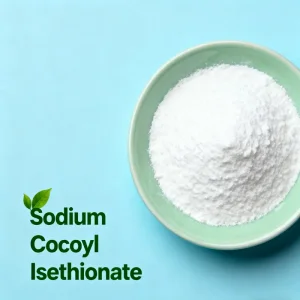
Discover how high-purity SCI85 provides a rich, creamy lather while remaining exceptionally gentle on the skin barrier.
Analysis of foam stability and sebum removal when utilizing Sodium Cocoyl Alaninate in oily scalp treatments.
Detailed study of seabird feather oil alternatives, verifying their spreading coefficients and safety profiles in baby products.
Explore additional high-performance formulation ingredients, thickeners, and functional cosmetic raw materials.