Explore our highly curated technical portfolio of chemical raw materials designed for optimal stability, high purity, and advanced formulation efficacy.
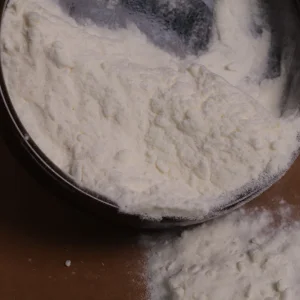
Analyzing the chemistry, 3D lattice structure, and biomechanical efficacy of cross-linked hyaluronic networks.
In modern dermatological applications, Sodium Hyaluronate Crosspolymer represents a profound leap in polymeric science over standard linear Hyaluronic Acid (HA). Historically, linear HA molecules, while exceptional at temporary moisture binding, suffer from rapid enzymatic degradation via tissue-derived hyaluronidase. Furthermore, linear chains lack structural integrity when exposed to mechanical shear stress on the stratum corneum.
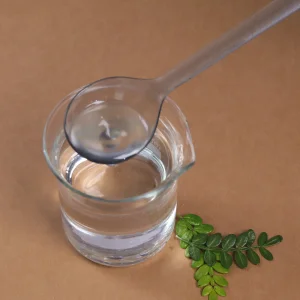
Sodium Hyaluronate Crosspolymer is synthesized through the targeted chemical cross-linking of standard polymeric sodium hyaluronate. By utilizing safe cross-linking agents, a multi-dimensional, elastic micro-gel mesh is constructed. This three-dimensional lattice framework drastically shifts the thermodynamic properties of the polymer:
For formulators seeking high-efficacy anti-aging, barrier repair, and hydrating products, selecting a premier Sodium Hyaluronate Crosspolymer supplier and exporter ensures access to highly refined grade variants with calibrated cross-linking density and predictable rheological behavior.
From an aesthetic perspective, cosmetic formulations require raw materials that perform structural roles without imparting heavy or sticky tactile sensations. Sodium Hyaluronate Crosspolymer acts as a long-acting skin shield that maintains surface hydration while gradually releasing free water and other active ingredients into the stratum corneum.
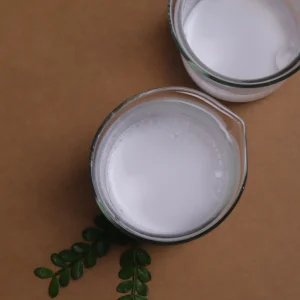
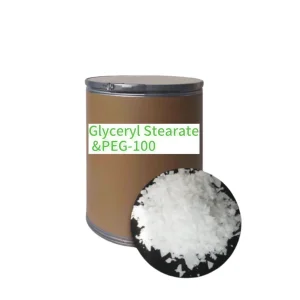
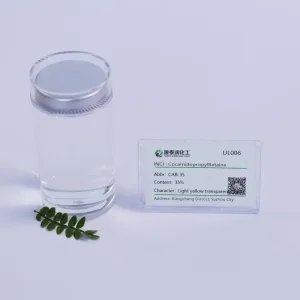
Furthermore, its unique molecular structure displays remarkable compatibility with common surfactants. When blended with mild amphoteric surfactants like Cocamidopropyl Betaine (CAB-35), anionic amino acid-based foaming agents (e.g., Sodium Lauroyl Sarcosinate), or emulsifiers like GMS-165 (Glyceryl Stearate / PEG-100 Stearate), the crosspolymer significantly offsets the harshness of cleansing systems, improving the overall mildness index and post-wash sensory feel.
Additionally, it provides structural stabilization in O/W emulsions. By forming a protective network around oil droplets, it prevents phase separation, allowing chemists to formulate highly stable, luxurious creams with reduced synthetic thickener content.
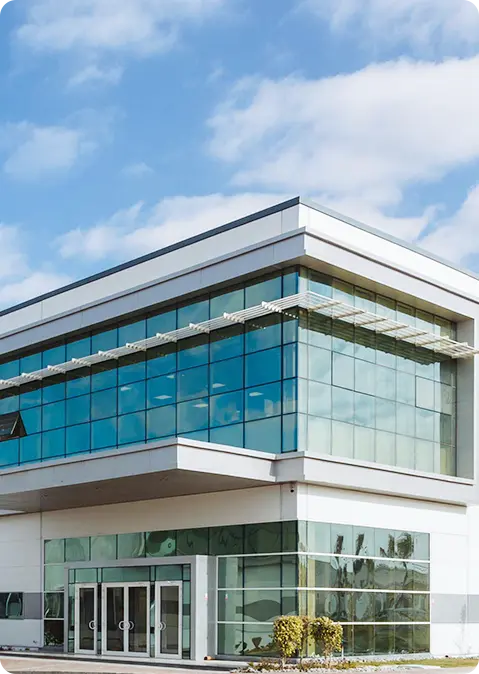
Why leading global cosmetic brands select Suzhou Yuantairun Chemical as their primary active raw materials partner.
We provide a comprehensive spectrum of cosmetic raw materials, enabling global enterprises to consolidate their supply chains and minimize ocean freight complexities.
Our dedicated state-of-the-art laboratory offers expert ODM/OEM formulation assistance, stability testing, and compound characterization services.
Strategic warehousing infrastructure ensures that critical active raw ingredients arrive precisely when scheduled in our clients' production cycles.
In the global chemical arena, China’s cosmetic raw materials industry has evolved from a high-volume manufacturing center into a leading hub for biotechnological innovation. The regional cluster surrounding Suzhou Yuantairun Chemical Co., Ltd. benefits from close proximity to top biochemical research institutions and deep integration with highly developed logistics nodes like Shanghai Port.
This industrial ecosystem enables us to deliver unmatched raw material consistency. By implementing automated microbial fermentation systems and proprietary green-synthesis cross-linking technologies, we maintain large-scale yields while optimizing raw cost efficiency. The integration of advanced membrane filtration ensures our Sodium Hyaluronate Crosspolymer contains minimal residual cross-linking agents and maintains a zero-microbiological contamination profile, complying with stringent global purity requirements.
Global procurement teams in the cosmetic space frequently encounter challenges including batch-to-batch inconsistency, missing regulatory documentation, and disrupted supply chains. To mitigate these bottlenecks, Suzhou Yuantairun Chemical implements a multi-step quality validation protocol for every export batch:
Understanding regional consumer profiles and optimizing formulation chemistry to match localized market expectations.
In highly humid regions, skin feels heavy under traditional moisturizers. Incorporating Sodium Hyaluronate Crosspolymer allows for oil-free gel creams that deliver intense hydration without greasy residue.
In colder, dry climates, the primary focus is reducing TEWL. The 3D polymer structure acts as an artificial secondary skin layer, protecting the compromised barrier from environmental stressors.
In high-end liquid foundations and transfer-resistant lipsticks, the cross-linked network prevents pigments from settling into fine lines while ensuring continuous hydration.
Addressing the critical formulation, regulatory, and mechanical questions raised by R&D heads and procurement directors.
Standard Sodium Hyaluronate consists of linear polymer chains that form a temporary surface layer easily broken down by hyaluronidase. Sodium Hyaluronate Crosspolymer is chemically cross-linked to form a three-dimensional lattice. This structural difference increases its stability against enzymatic degradation, enhances its water-retention capacity up to five-fold, and creates a highly stable, breathable protective film on the skin.
For daily leave-on applications (serums, creams, and lotions), the recommended usage level is typically between 0.5% and 5.0% of the active polymer gel solution. In rinse-off products like mild facial cleansers, levels between 1.0% and 3.0% are common to maintain hydration without impacting foam properties.
Yes, Sodium Hyaluronate Crosspolymer exhibits excellent stability across ionic, non-ionic, and amphoteric surfactant systems. It remains structurally stable when formulated alongside materials such as Sodium Lauroyl Sarcosinate, Cocamidopropyl Betaine (CAB-35), and Alkyl Polyglucosides (APG), providing a smoother, less drying sensory profile.
The optimal stability range for our cross-polymer is between pH 5.0 and 8.5. Exposure to extreme acids (pH < 4.0) or strong bases (pH > 9.0) can lead to hydrolysis of the cross-link bonds, reverting the network to a linear state and lowering viscosity.
We run internal quality validation protocols at our modern R&D facility. Every export batch is analyzed via High-Performance Liquid Chromatography (HPLC) and Viscometry to confirm molecular weight distribution, cross-linking density, and residual monomer levels. Heavy metal, arsenic, and microbiological testing parameters are fully detailed in our standard Certificate of Analysis (COA).
Yes, our raw materials are produced via clean microbial fermentation rather than animal extraction, making them 100% vegan, cruelty-free, and suitable for clean-label, eco-responsible cosmetic brands worldwide.
Partner with Suzhou Yuantairun Chemical Co., Ltd. to secure premium, certified cosmetic raw materials. Request samples, custom formulation options, or detailed volume quotes from our technical team.
Send InquiryA comprehensive range of high-performance daily chemical ingredients, stabilizers, and functional agents supporting global personal care manufacturers.