Explore our high-purity functional ingredients optimized for modern skincare, haircare, and home care formulations.
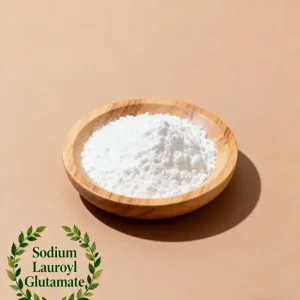
An in-depth chemical evaluation of Sodium Methyl Lauroyl Taurate 91% (CAS 4337-75-1)
Sodium Methyl Lauroyl Taurate (SMLT) is a high-performance, mild anionic amino acid surfactant synthesized from lauric acid (derived from natural coconut oil or palm kernel oil) and N-methyltaurine. Representing a significant advancement in green surfactant chemistry, the 91% active dry powder variant offers chemical stability, processing flexibility, and formulation integrity. Under the CAS Registry Number 4337-75-1, this chemical species is recognized as a key compound for generating dense, luxurious foam structures in low-irritation Personal Care Products.
Unlike traditional ethoxylated sulfates (SLES) or alkylbenzene sulfonates, SMLT is derived from N-methyltaurine, which mimics the natural amino acid complexes found in mammalian skin tissue. The result is a surfactant molecule that does not compromise the skin's lipid barrier while achieving a dense, micro-elastic lather. Let us look at the primary physicochemical parameters of the 91% active solid powder:
| Analytical Parameter | Specification Target Range | Testing Standard / Methodology |
|---|---|---|
| Chemical Structure | CH₃(CH₂)₁₀CON(CH₃)CH₂CH₂SO₃Na | NMR & FTIR Structure Identification |
| Active Matter Content | ≥ 91.0 % | Potentiometric Two-Phase Titration |
| CAS Registry Number | 4337-75-1 | Global Chemical Inventory Index |
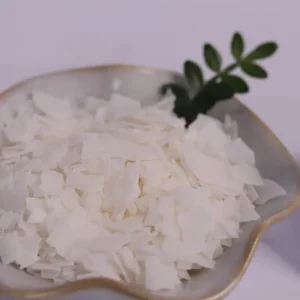
| Appearance | Fine White to Off-White Powder / Granules | Visual Assessment |
| pH Value (10% aq. solution) | 7.0 - 8.5 | Electrometric pH Meter at 25°C |
| Water / Moisture Content | ≤ 4.0 % | Karl Fischer Titration Method |
| Free Fatty Acids | ≤ 3.0 % | Acid-Base Back Titration |
| Sodium Chloride (NaCl) | ≤ 2.5 % | Argentometric Titration |
| Heavy Metals (as Pb) | ≤ 10 ppm | Inductively Coupled Plasma Mass Spectrometry (ICP-MS) |
The high concentration of 91% active matter ensures that formulators are not paying for the shipping of excess water. In addition, dry powder forms minimize the need for added biocides or preservatives within the raw material itself, aligning with the clean-label demands of contemporary cosmetic brands.
Market dynamics, environmental regulations, and the shift toward amino acid surfactants
Global regulatory bodies like the EU Scientific Committee on Consumer Safety (SCCS) and the US FDA are tightening guidelines around traces of dioxane, secondary amines, and sulfates in cosmetics. Sodium Methyl Lauroyl Taurate contains zero dioxane risks, making it the choice ingredient for clean beauty brands seeking safety certification.
The global surfactant market is undergoing a transition. Historically dominated by petrochemical-based sulfates such as Sodium Lauryl Sulfate (SLS) and Sodium Laureth Sulfate (SLES), the industry has faced a consumer-led pivot toward mild, eco-safe, and biodegradable alternatives. Within this landscape, taurate-based surfactants—specifically Sodium Methyl Lauroyl Taurate (SMLT)—have carved out a premium segment.
SMLT is highly regarded due to its stability across a broad pH range (from acidic pH 4.0 to alkaline pH 9.0). This chemical property is crucial for formulations involving active ingredients like alpha hydroxy acids (AHAs), beta hydroxy acids (BHAs), or vitamin C, where standard amino acid surfactants, such as glutamate or glycinate-based molecules, fail to maintain consistency or foam volume. Consequently, the commercial demand for SMLT has expanded from luxury skincare lines into mainstream baby care products, hypoallergenic shampoos, and professional-grade pet care products.
Furthermore, because N-methyltaurine is derived from taurine—an amino acid prevalent in human tissues—the physiological compatibility of SMLT is exceptional. Scientific studies show that it exhibits a significantly higher Critical Micelle Concentration (CMC) compared to traditional sulfates, meaning it forms micelles at a higher concentration threshold, reducing monomer penetration through the stratum corneum and avoiding skin irritation.
How Suzhou Yuantairun Chemical Co., Ltd. drives cost-effective, high-quality production
China has developed the world's most integrated chemical supply chain, linking basic petrochemicals, natural oleochemicals, and fine chemical processing into contiguous industrial zones. At Suzhou Yuantairun Chemical Co., Ltd., we harness this integration to secure stable access to high-purity lauric acid and N-methyltaurine precursors.
Our manufacturing facility utilizes a continuous synthesis loop. By automating temperature controls and catalyst feeds, we reduce batch-to-batch variance. The elimination of water in our final spray-drying step results in a 91% active dry powder with a tight particle-size distribution. This reduces dust during product handling at our customers' factories and guarantees rapid dissolution during product compounding.

Maximizing surfactant synergies in modern personal care formulations
Because Sodium Methyl Lauroyl Taurate 91% is supplied as a dry, non-hygroscopic powder, it is ideal for waterless personal care products. Formulating shampoo bars or powder-to-foam facial washes requires high-active solid surfactants that maintain foam speed and physical hardness without cracking.
In hair care, SMLT 91% provides strong foaming and cleansing action without stripping essential natural oils or fading artificial hair color. Its compatibility with cationic polymers (such as Polyquaternium-10 or Guar Hydroxypropyltrimonium Chloride) makes it possible to formulate clear conditioning shampoos.
SMLT is known for its low irritation profile. When blended with amphoteric surfactants like Cocamidopropyl Betaine (CAB-35) or non-ionic surfactants like Lauryl Glucoside (APG1214), the mildness is enhanced, resulting in formulas that achieve zero-score skin irritation ratings.
A common challenge with amino acid surfactants is viscosity control. Standard sodium chloride salt-thickening mechanisms do not work as effectively with amino acid bases as they do with SLES. To address this, Suzhou Yuantairun's technical R&D team recommends pairing Sodium Methyl Lauroyl Taurate 91% with hydrophobically modified non-ionic thickeners (e.g., PEG-120 Methyl Glucose Trioleate or Cocamide MIPA). By utilizing this system, formulators can construct stable, crystal-clear, high-viscosity gels that remain stable across thermal storage cycles (ranging from 0°C to 45°C).
Sustainable sourcing, certified R&D labs, and custom chemical solutions

We provide a comprehensive range of ingredients to simplify raw material sourcing and consolidate supply chains.

Our dedicated R&D center provides custom ODM/OEM solutions, formulation optimization, and stability testing.

By leveraging large-scale automated production, we deliver high-purity materials at competitive price points.

Our global logistics networks ensure raw materials arrive exactly when needed to keep production lines running.
Formulation examples demonstrating surfactant performance
Application: Personal Care (Facial Cleansers, Sensitive Skin Washes)
Synergistic Components: Sodium Cocoyl Glutamate (YG02-95) + Sodium Lauroyl Sarcosinate + Sodium Methyl Lauroyl Taurate 91%.
Key Performance: Fine, micro-bubble structure that rinses clean without skin tightness or lipid disruption.
Application: Body Wash and Spa Products
Synergistic Components: Amphoteric CAB-35 (Cocamidopropyl Betaine) + APG1214 (Lauryl Glucoside) + Sodium Methyl Lauroyl Taurate.
Key Performance: Sulfate-free, high-lather formulation suitable for all skin types.
Application: Sustainable Household Cleaners
Synergistic Components: SLES + AOS (Sodium Alpha-Olefin Sulfonate) + Cocamide MEA (CMEA).
Key Performance: High cleaning efficiency combined with rapid environmental biodegradation.
Ensuring trace-element safety, batch consistency, and global supply chain security
Global procurement teams looking for high-quality chemical ingredients prioritize purity, trace impurities, and regulatory compliance. Sodium Methyl Lauroyl Taurate 91% (CAS 4337-75-1) from Suzhou Yuantairun is manufactured to meet or exceed these key international criteria:
Waterless cosmetics, bio-based sourcing, and clean labels
As the personal care industry shifts away from traditional sulfates, several trends are shaping the future of surfactant sourcing:
1. Waterless Cosmetics and Solid Formulations: Water conservation is driving the growth of solid shampoo bars, powdered cleansers, and concentrated tablets. High-purity dry powders, like Sodium Methyl Lauroyl Taurate 91%, are crucial for these formulations as they deliver high surfactant activity without adding liquid weight, helping brands reduce their carbon footprint during transport.
2. Bio-Based and Sustainable Sourcing: Modern consumers expect cosmetic ingredients to be derived from sustainable resources. Sourcing raw materials from RSPO-certified palm oil or natural coconut oil ensures traceablity and supports sustainable supply chains.
3. Improved Mildness Profiles: Brand formulators are continually looking for ingredients that cleanse effectively while maintaining the skin's barrier function. The mildness profile of taurate-based surfactants makes them a popular choice for high-end skincare, baby care, and sensitive skin formulations.
Expert answers to common formulation and sourcing queries regarding CAS 4337-75-1
Partner with Suzhou Yuantairun Chemical for reliable supply, technical formulation support, and custom packaging solutions.
Inquire Now & Request SamplesExplore our complete range of moisturizers, thickeners, and preservatives for personal care products.