Explore our high-performance cosmetic stabilizers, surfactants, and conditioning ingredients
A Comprehensive Insight into the Science, Functionality, and Synthesis of CAS No. 68187-29-1
In the rapidly transforming personal care industry, the transition from legacy alkyl sulfates (such as SLES and SLS) to plant-derived, biomimetic alternatives represents a fundamental shift. Underpinning this revolution is TEA Cocoyl Glutamate 30% Liquid (CAS No. 68187-29-1), a premium anionic surfactant, foaming agent, and conditioner synthesized by the condensation of natural coconut oil fatty acids with glutamic acid, neutralized with triethanolamine (TEA).
Unlike traditional surfactants that strip the stratum corneum of essential lipids, TEA Cocoyl Glutamate offers exceptional compatibility with epidermal proteins. The chemical structure features a carboxylic acid group that aligns smoothly with the skin's natural acidic mantle (pH 5.5 - 6.5). As a result, it delivers a remarkably mild cleansing performance while functioning simultaneously as an auxiliary hair and skin conditioning agent. For formulation chemists, Yuantairun's high-purity aqueous solutions ensure ease of processing, rapid cold-blend integration, and consistent product clarity.
| Parameter / Specification Item | Standard Target (30% Liquid) | Methodology / Instrument |
|---|---|---|
| Chemical Nomenclature | Triethanolamine Cocoyl Glutamate | IUPAC Standard |
| CAS Registry Number | 68187-29-1 | CAS database |
| Active Matter Content | 30.0% ± 2.0% | Gravimetric / HPLC Analysis |
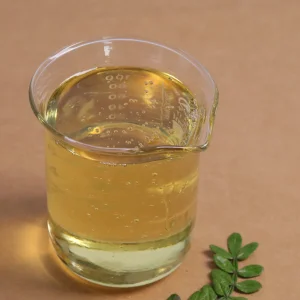
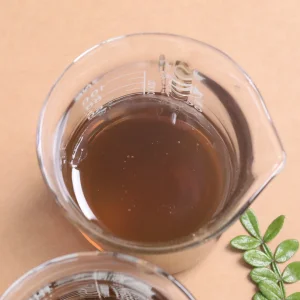
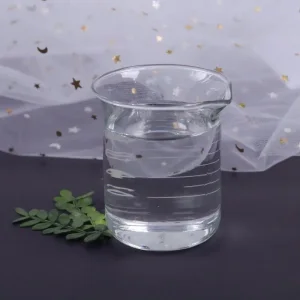
| Appearance @ 25°C | Colorless to pale yellow, clear liquid | Visual Assessment |
| pH Value (10% aqueous sol.) | 5.5 – 6.8 | Potentiometric pH Meter |
| Free Amino Acid | ≤ 3.0% | High Performance Liquid Chromatography |
| Heavy Metals (as Pb) | ≤ 10 ppm | Atomic Absorption Spectrophotometry (AAS) |
| Total Plate Count | < 100 cfu/g | Microbiological Culturing |
The global demand for amino acid-based surfactants is experiencing double-digit compound annual growth (CAGR). Environmental mandates in Western Europe, such as the EU REACH updates, and the surging popularity of "Clean Beauty" movements across North America have forced major FMCG conglomerates to re-evaluate their raw material portfolios. Traditional sulfated formulations are facing scrutiny due to potential skin irritation and dioxane trace contaminations.
TEA Cocoyl Glutamate 30% has emerged as the preferred replacement candidate. Formulators utilize its dual cleansing-conditioning mechanism to engineer sulfate-free, silicone-free shampoos, facial washes for hypersensitive skin, and specialty baby care products. Its structural integrity ensures complete, rapid biodegradability, aligning with the global push for green manufacturing and sustainable supply chains.

How Suzhou Yuantairun Chemical Co., Ltd. Delivers Global Supply Chain Resiliency
Suzhou Yuantairun leverages proximity to critical coconut oil refining and derivative complexes, minimizing domestic transportation overheads and stabilizing raw material access.
Our in-house laboratories specialize in customized active content adjustment, pH tuning, and synergistic surfactant blending to fit unique client formulation targets.
Our production processes follow rigorous quality management standards, offering batch-to-batch traceability, low trace impurities, and certificates of analysis (COA).
Optimizing Formulations for Diverse Regional Demands and Skin Profiles
Maintains structural integrity of the skin barrier. Offers non-stripping characteristics for dry, sensitive, or post-treatment facial wash formulations.
Functions as both a primary surfactant and a natural conditioner. Softens hair shafts, reduces static electricity, and leaves hair highly manageable.
Undergoes specialized purification processes to minimize free amine impurities, assuring parent-consumer safety for tear-free formulations.
Maintains healthy epidermal pH for domestic animals. Mitigates chronic skin itchiness and cleanses coat fibers efficiently without irritating skin layers.

For global buyers, chemical sourcing is more than transaction coordination; it is a search for technical compatibility and delivery reliability. Suzhou Yuantairun operates as an extension of your R&D and supply chain divisions.
We understand that slight shifts in ionic strength or pH can alter viscosity and foam density in finished products. By offering customized laboratory piloting, standard pre-shipment sample matches, and stable bulk supply guarantees, we bridge the gap between chemical production and consumer satisfaction. Our strategic port accessibility simplifies international shipping to North America, Western Europe, and Asia-Pacific.
Technical & Commercial Guidance for Cosmetic Formulators & Procurement Officers
While both are anionic amino acid surfactants, the neutralizing counter-ion differs. TEA (Triethanolamine) Cocoyl Glutamate exhibits higher solubility in water and at low temperatures, resulting in clearer liquid formulations without crystallization. Additionally, it offers a softer sensory profile and stronger moisturizing/conditioning efficacy compared to the sodium variant.
The optimal pH range is 5.5 to 7.0. Within this pH range, the surfactant maintains stable foaming properties, remains completely clear, and matches the natural physiological pH of the human skin, minimizing potential irritation.
Yes. Unlike standard alkyl sulfates which can form insoluble precipitates with cationic conditioning agents (like Polyquaternium-7 or Polyquaternium-10), TEA Cocoyl Glutamate exhibits excellent compatibility, helping to form clear, stable coacervates that enhance conditioning performance.
We employ controlled condensation and neutralization reaction temperatures alongside vacuum stripping technologies. This keeps raw material residues extremely low, ensuring compliance with strict limits set by EU Regulation 1223/2009 for cosmetic raw materials.
Our standard MOQ starts from 1 metric ton (200kg drums or 1000kg IBC totes). Lead times typically range between 10 to 15 days from order confirmation to port delivery. Custom specifications may require slightly longer validation periods.
Get in touch with Suzhou Yuantairun's engineers to request TDS, MSDS, product samples, or customized OEM/ODM quotes.
Contact Our ExpertsComplementary daily chemical raw materials for premium cosmetic formulations