Explore our highly certified product portfolio serving personal care, cosmetics, and household cleaning formulators globally.
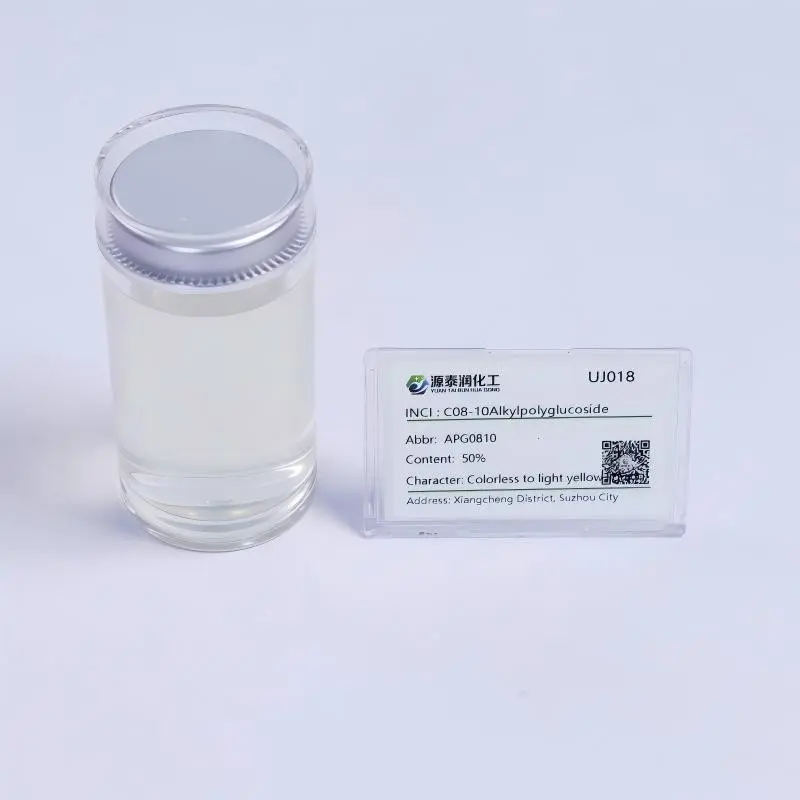
In modern chemical engineering and sustainable formulation, Alkyl Glucoside C08-14 (commonly recognized under the trade specification APG0814 or its INCI designation Cocoyl Glucoside, 50% concentration, CAS No.: 141464-42-8) represents a pinnacle class of nonionic surfactants synthesized from renewable plant materials. Derived through the condensation of fatty alcohols (ranging from octanol to tetradecanol derived from coconut or palm kernel oil) with glucose molecules obtained from starch, APG0814 stands as a critical tool for formulators seeking high-performance profiles combined with absolute environmental and dermatological safety.
Unlike traditional ethoxylated surfactants (such as Sodium Laureth Sulfate or Alcohol Ethoxylates) which risk generating trace amounts of 1,4-dioxane as a byproduct, Cocoyl Glucoside is completely free from petrochemical skeletons. The structural chemistry of C08-14 alkyl glucoside integrates a hydrophilic glucose head group and a lipophilic alkyl tail. This unique configuration provides exceptional surface tension reduction, excellent micro-emulsion stabilization, and a superior skin compatibility index, making it indispensable across baby care products, facial cleansers, dermatological shampoos, and heavy-duty bio-cleaners.
Formulating with APG0814 requires a meticulous understanding of its physicochemical parameters. The balance between short-chain C8-10 alkyl chains and medium-chain C12-14 alkyl chains within this raw material provides a broad-spectrum utility profile, balancing fast foaming kinetics (typical of shorter chains) with deep soil removal and structural thickening dynamics (typical of longer chains).
| Technical Parameter | Standard Specification Range | Testing & Analytical Methodology | |||
|---|---|---|---|---|---|
| Chemical CAS Number | 141464-42-8 (also registered as 68515-73-1 & 110615-47-9) | Regulatory Registry Identification | Active Matter Concentration | 50% - 52% | Dry Residue Weight Determination |
| Hydrophilic-Lipophilic Balance (HLB) | 13 - 14 | Calculated Molecular Profile | |||
| Free Fatty Alcohol Content | ≤ 1.0 wt% | Gas Chromatography (GC) Analysis | |||
| pH Value (20% aqueous solution) | 11.5 - 12.5 (Supplied alkaline for microbial self-preservation) | Potentiometric pH Measurement | |||
| Dynamic Viscosity (20°C) | 1000 - 5000 mPa·s | Rotational Brookfield Viscometry | |||
| Inorganic Salts (Ash Content) | ≤ 3.0 wt% | Muffle Furnace Calcination | |||
| Heavy Metal Elements | ≤ 5 ppm | Inductively Coupled Plasma Mass Spectrometry (ICP-MS) |
The global demand for Alkyl Polyglucosides has experienced exponential growth, driven by stringent regulatory frameworks across the European Union (REACH), North America (US EPA Safer Choice), and the Asia-Pacific region. As of 2025-2026, APG0814 represents one of the most commercially sought-after nonionic clean surfactants in the international chemical supply chain.
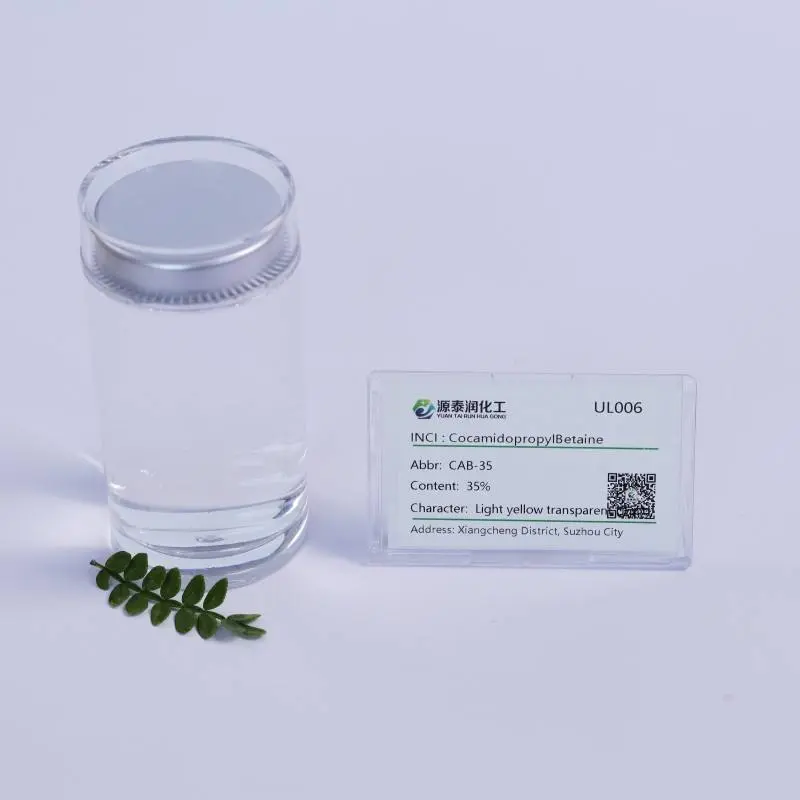
Historically, the market was dominated by synthetic petrochemical surfactants. However, the shift towards green consumerism has forced a fundamental realignment of supply chains. Major consumer packaged goods (CPG) companies have committed to eliminating alkyl phenol ethoxylates (APEs) and reducing sulfates. Consequently, chemical manufacturing hubs in China, Southeast Asia, and Europe have increased their APG production capacity to meet the bulk wholesale requirements of multinational brands. The transition is not purely ethical; it is highly functional. APGs present a superior tolerance to high electrolyte systems, are fully compatible with hard water, and exhibit a synergistic performance when blended with secondary amphoteric surfactants like Cocamidopropyl Betaine (CAB-35).
The primary macro-trend currently steering the surfactant industry is the integration of the **Circular Economy** framework. Consumers and regulators are no longer satisfied with simple biodegradability. The modern metric is the LCA (Life Cycle Assessment) score. APG0814 scores exceptionally high in this area because its precursors—fatty alcohols derived from RSPO (Roundtable on Sustainable Palm Oil) certified palm oil or coconut oil, and glucose derived from non-GMO maize—are agricultural products. This allows for a significant reduction in cradle-to-gate carbon footprints compared to synthetic alternatives.
Furthermore, the trend toward "Waterless Beauty" and ultra-concentrated formulations has highlighted the importance of APG0814's high active concentration stability. In concentrated liquid laundry detergents and solid shampoo bars, APG0814 acts as an effective processing aid and solubilizer, preventing crystallization and ensuring the rapid dissolution of the finished product when introduced to water.
Structurally, APG0814 is synthesized via two principal chemical routes: the Direct Synthesis Route (Direct Glucosidation) and the Transacetalisation Route. Our factories utilize advanced, optimized Direct Glucosidation technology to ensure the highest yield and purity while keeping energy consumption at a minimum.
In the direct glucosidation process, carbohydrate raw materials (starch or anhydrous glucose) react directly with fatty alcohols (C08-14) in the presence of an acidic catalyst (such as p-toluenesulfonic acid or alkylbenzene sulfonic acid) under vacuum conditions at temperatures ranging from 100°C to 120°C. The water formed during the condensation reaction must be continuously removed from the system to drive the equilibrium toward glucoside synthesis. Once the conversion is complete, the catalyst is neutralized with alkaline agents, and the excess fatty alcohols are removed via thin-film distillation. The resulting product is then diluted with water, bleached using hydrogen peroxide to ensure excellent color stability, and adjusted to its final pH.
| Synthesis Process Stage | Core Reaction Mechanism | Quality Control Metric |
|---|---|---|
| Raw Feed preparation | Blending C08-14 fatty alcohol with anhydrous D-glucose (molar ratio 1:3 to 1:6) | Moisture control < 0.1% to prevent starch degradation |
| Catalytic Condensation | Direct Fischer Glycosidation under high vacuum (< 20 mbar) at 110°C | Degree of Polymerization (DP) tracking (Optimal DP: 1.3 - 1.7) |
| Alcohols Stripping | Short-path wiped-film evaporation under ultra-high vacuum | Residual free fatty alcohol concentration < 1% |
| Neutralization & Bleaching | pH adjustment utilizing NaOH, followed by H2O2 oxidation at 60°C | Gardner Color Index < 3; Elimination of traces of color compounds |
We assure you that our products originate from well-managed, highly sustainable resources and adhere to the strictest international standards.

We provide a rich, comprehensive portfolio of daily chemical surfactants, conditioning polymers, and eco-solvents, simplifying your sourcing and supply chain logistics.

Our fully equipped modern laboratories offer specialized ODM and OEM services, assisting our partners in recipe optimization, compatibility testing, and green certifications.

By optimizing our manufacturing lines and direct raw material sourcing, we ensure our high-purity materials are both superior in quality and highly competitive in pricing.

Our robust global logistics network ensures that essential raw materials and finished chemicals are delivered exactly when needed in your production cycles.
Driving innovation and efficiency in the global daily chemical industry.
As a leading supplier in the daily chemical raw materials industry, Suzhou Yuantairun Chemical Co., Ltd. (YuantaiRun) is dedicated to delivering high-quality products and comprehensive one-stop services to support our customers in R&D, production, and supply chain optimization.
Our mission is to drive innovation and efficiency in the global daily chemical industry by providing cutting-edge solutions tailored to our clients' needs. Through our state-of-the-art analytical equipment and deep industry expertise, we help cosmetics manufacturers, cleaning chemical brands, and industrial formulation plants develop competitive products that meet strict modern ecological requirements.



Industry-proven daily chemical ingredients ready for integration into your next-generation formulations.
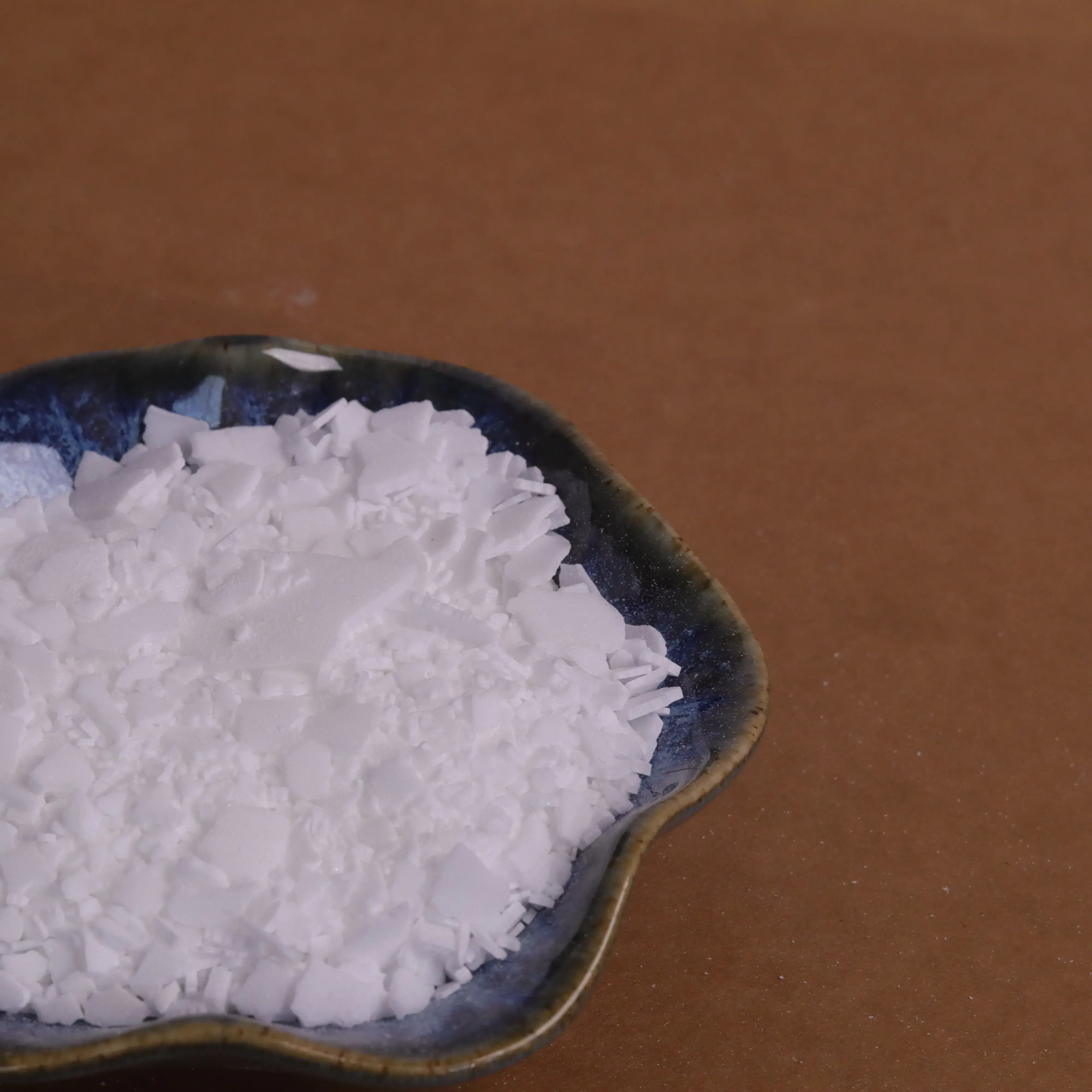
Deploying advanced surfactant systems to address cleaning challenges, dermatological safety, and regulatory compliance.
Optimized detergent formulations integrating renewable anionic and nonionic surfactant systems to clean tough soils while reducing skin irritation.
Ultra-mild facial cleaning systems designed for sensitive skin, using natural amino acid-based foaming agents certified by ECOCERT.
Advanced fabric conditioning systems using cationic surfactants to improve fabric softness, reduce static, and lower shipping weights.
Combining amphoteric and nonionic surfactants to build safe, sulfate-free baby and adult cleansing formulations.
Heavy-duty industrial grease removal agents designed for machinery maintenance, automotive cleaning, and metal prep lines.
 Washing Powder
 Facial Cleanser
 Softener
 Shower Gel
 Degreaser
Providing custom packaging, custom fragrances, and tailored active ingredient profiles for commercial end-users.
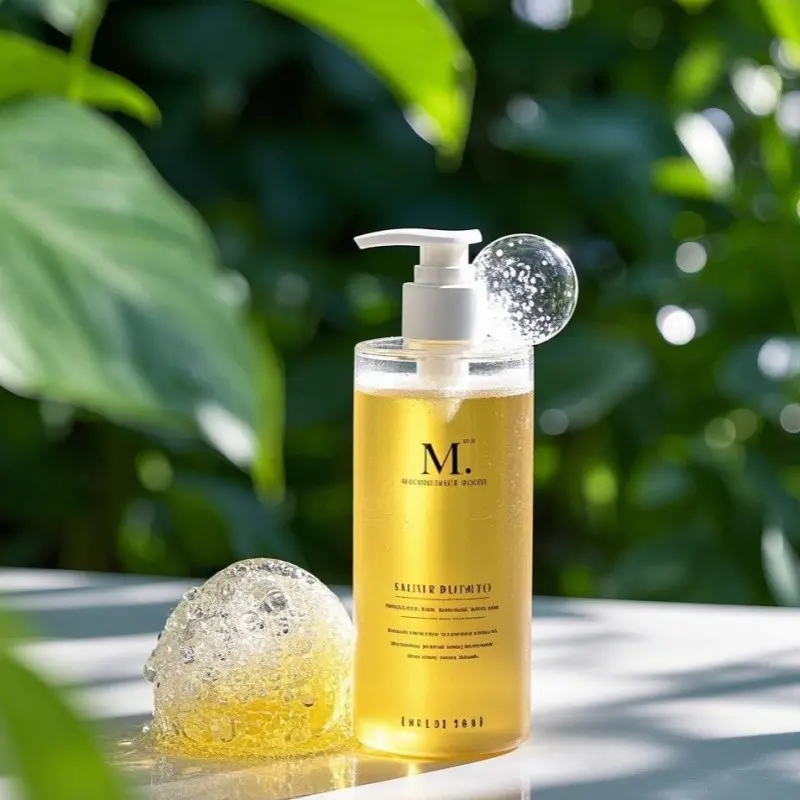

We customize active concentrations and formulas based on your use scenarios—hotels, barbershops, or retail brands—providing multiple packaging styles and cost levels.
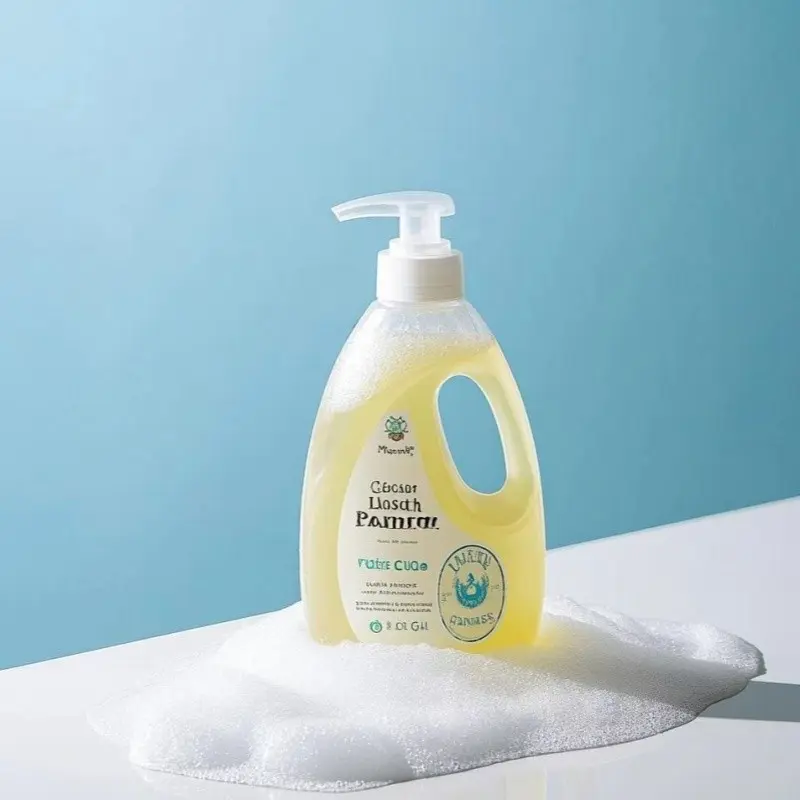
Tailored fragrance profiles, localized packaging options, and specific enzymatic activities formulated to meet household or industrial cleaning standards.
Mild antiseptic and amino acid soap formulations designed for commercial public spaces, shopping malls, restaurants, and retail distribution channels.
Detailed chemical and compounding answers for formulation engineers, procurement officers, and quality assurance personnel.
Real-time understanding of enterprise dynamics, formulation advice, and biochemical innovations.
Runtec®SCI85: A mild anionic surfactant with high active ingredient content, excellent compatibility, and dense foam profile...
Runtec®SCA-30: Sodium Cocoyl Alaninate-An oil-resistant amino acid surfactant with excellent foaming properties, specifically designed for use in shampoos...
Cetyl Ethylhexanoate: Seabird feather oil. This skin emollient is compatible with various cosmetic oils and features strong dispersing power...
Premium thickeners, stabilizers, and functional conditioning agents for daily chemical formulating.