The Chemistry and Global Architecture of Industrial Surfactants
Surfactants (Surface Active Agents) serve as the bedrock of molecular interfacial engineering. Through structural amphiphilicity, these compounds reduce the interfacial tension between immiscible phases—be it liquid-liquid, liquid-solid, or liquid-gas systems. As a leading manufacturer, Suzhou Yuantairun Chemical is committed to providing premium quality surfactants tailored for cosmetic formulators, industrial chemical compounders, and global distributors.
Understanding the micro-molecular properties of Anionic, Cationic, and Nonionic surfactants is critical when selecting ingredients for specific formulations. By manipulating the balance between hydrophilic heads and hydrophobic tails (hydrophile-lipophile balance, or HLB values), we supply products that achieve precise phase behaviors, micellar structures, and foaming profiles.
1. Molecular Classifications & Performance Characteristics
Anionic Surfactants
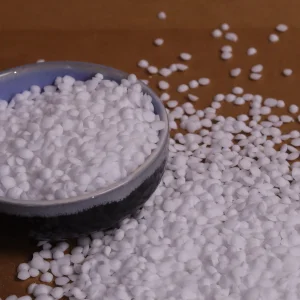
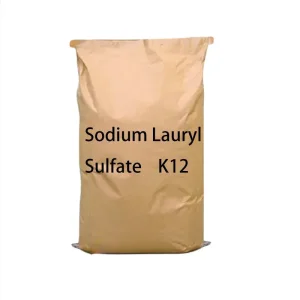
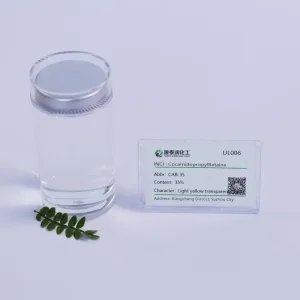
Carrying a net negative charge on their hydrophilic head group, anionic surfactants are unmatched in their wetting abilities, foaming capacity, and particulate detergency. Key formulations rely heavily on primary surfactants like Sodium Lauryl Sulfate (SLS Needle K12) or Sodium Lauroyl Sarcosinate. These compounds bind effectively to dirt particles and lift them from substrates. However, to mitigate skin irritation in modern personal care formulations, anionic molecules are often paired with amphoteric co-surfactants such as Cocamidopropyl Betaine (CAB-35).
Cationic Surfactants
Cationic surfactants feature a positively charged hydrophilic head, often based on quaternary ammonium chemistry. Due to their positive charge, they adsorb strongly onto negatively charged substrates such as human hair and cellulose textiles. This makes compounds like Ester Base Quaternary Ammonium Salt (CAS 91995-81-2) excellent candidates for fabric softeners and hair conditioners. They neutralize static charges, smooth out surfaces, and provide exceptional conditioning properties.
Nonionic and Amphoteric Surfactants
Nonionic surfactants contain no electrical charge on their hydrophilic head, instead relying on highly polar groups such as polyoxyethylene links. This group includes PEG-120 Methyl Glucose Dioleate and APG0810 Caprylyl/Capryl Glucoside. Nonionic surfactants show excellent stability in hard water, possess robust emulsifying characteristics, and are compatible with all other surfactant types.
Amphoteric surfactants, bearing both positive and negative charges depending on the pH of the medium, offer synergistic performance. Examples like Sodium Cocoyl Apple Amino Acids and Sodium Taurine Cocoyl Methyltaurate are gentle on skin, biodegradable, and help boost foam quality.
2. China Factory Supply Chain Advantages
China’s chemical manufacturing sector has evolved from a bulk material producer into a sophisticated provider of high-purity, bio-derived raw materials. Suzhou Yuantairun Chemical sits at the heart of this infrastructure, offering strategic advantages for global buyers:
- Upstream Integration: Our factory maintains direct access to primary petrochemical derivatives and plant-derived oils, stabilizing prices and ensuring raw material supply.
- Advanced Refining & Synthesis: Modern synthesis loops, automated distillation columns, and continuous batch testing deliver high chemical consistency, minimizing variation between production batches.
- Proximity to Major Shipping Hubs: Suzhou’s location near Shanghai Port provides fast access to international shipping routes, reducing transport times and carbon footprints.
- Flexible Customization (R&D and Lab): Our R&D facility offers tailored molecular ratios, customized concentrations, and custom packaging configurations to fit specialized production workflows.
3. Global Enterprise Sourcing and Procurement Security
For corporate buyers and supply chain managers, importing raw chemicals requires strict compliance and logistics planning. We address these requirements with a comprehensive supply chain security program:
Regulatory Support & Certification: All materials are manufactured under strict ISO 9001:2015 protocols. We supply comprehensive dossiers including SDS (GHS compliant), Certificate of Analysis (COA), REACH pre-registrations for Europe, and cosmetic ingredient safety dossiers (including heavy metal and residue limits).
Stability & Shelf Life Audits: Each batch undergoes accelerated aging and thermal stability tests to guarantee performance during long-distance maritime transport.
4. Sustainable Development and Green Surfactant Trends
The global chemical industry is transitioning toward bio-based, circular solutions. Regulatory bodies like ECHA (REACH) and national environmental agencies are tightening standards on traditional surfactants like Alkylphenol Ethoxylates (APEs) and synthetic sulfates.
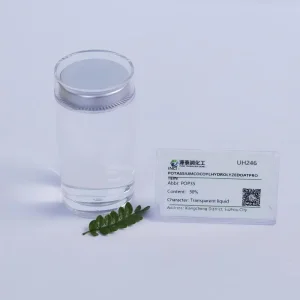
Suzhou Yuantairun Chemical is expanding its portfolio of bio-derived alternatives. By using natural raw materials like coconut oil, glucose, and amino acids, we manufacture gentle green alternatives. Products like Sodium Cocoyl Glycinate, Potassium Cocoyl Hydrolyzed Oat Protein, and Alkyl Polyglucosides (APGs) offer high performance while biodegrading rapidly.