Direct factory supply of high-purity, sustainable, and functional ingredients engineered to optimize personal care, cosmetic, and household cleansing formulations.
The global daily chemical industry is undergoing an unprecedented ecological transformation. In the past, traditional quaternary ammonium compounds (QACs) such as Alkyl Dimethyl Benzyl Ammonium Chloride (ADBAC) and Dialkyl Dimethyl Ammonium Chloride (DDAC) served as the workhorses of cationic surfactants due to their high efficacy in electrostatic conditioning, softeners, and microbiological control. However, their persistence in aquatic ecosystems and high ecotoxicity (low EC50 and LC50 values) have drawn severe regulatory scrutiny.
Modern green chemistry solves this through the synthesis of Esterquats (ester-containing quaternary ammonium systems). By inserting hydrolyzable ester linkages between the long alkyl hydrophobic chains and the positively charged quaternary nitrogen headgroup, the molecule becomes highly susceptible to initial chemical hydrolysis and subsequent rapid microbial digestion. Suzhou Yuantairun Chemical leads this space by engineering surfactants that achieve >60% biodegradation in OECD 301B tests within the strict 28-day window.
This molecular vulnerability to environmental breakdown does not compromise their formulation effectiveness. In aqueous solutions, these agents maintain strong positive charge density at acidic to neutral pH, allowing them to adsorb onto negatively charged substrates such as human hair keratin and natural fibers. They impart exceptional lubricity, reduce friction, and eliminate static charges without forming stubborn residues in aquatic environments.
How Suzhou Yuantairun Chemical Co., Ltd. builds security, performance, and green credentials into your supply chain.
We provide a comprehensive portfolio of daily chemical raw materials, encompassing anionic, non-ionic, amphoteric, and cationic systems to simplify your sourcing workflow.
Equipped for advanced OEM and ODM requirements. Our in-house research labs assist clients with custom synthesis, rheology adjustment, and stability trials.
Optimized plant production scales translate to highly competitive pricing structures without compromising premium chemical specifications and batch consistency.
We deploy strategic chemical logistics networks to guarantee raw material deliveries exactly when required, minimizing warehousing overheads for factories.
Understanding the exact chemical pathway and performance differentiation is crucial for procurement officers and laboratory directors. Below, our technical department has synthesized a comparative index that highlights the physical-chemical properties of green cationic systems against traditional quaternary structures.
| Surfactant Class | Chemical Representative | Primary Application | 28-Day Biodegradability (OECD 301B) | Aquatic Ecotox Index (LC50/EC50) |
|---|---|---|---|---|
| Esterquats (Green Cationic) | Di-(Tallow Carboxyethyl) Hydroxyethyl Methylammonium Methosulfate | Fabric Softener Base, Hair Conditioner Active | >75% (Readily Biodegradable) | Low Toxicity (>10 mg/L) |
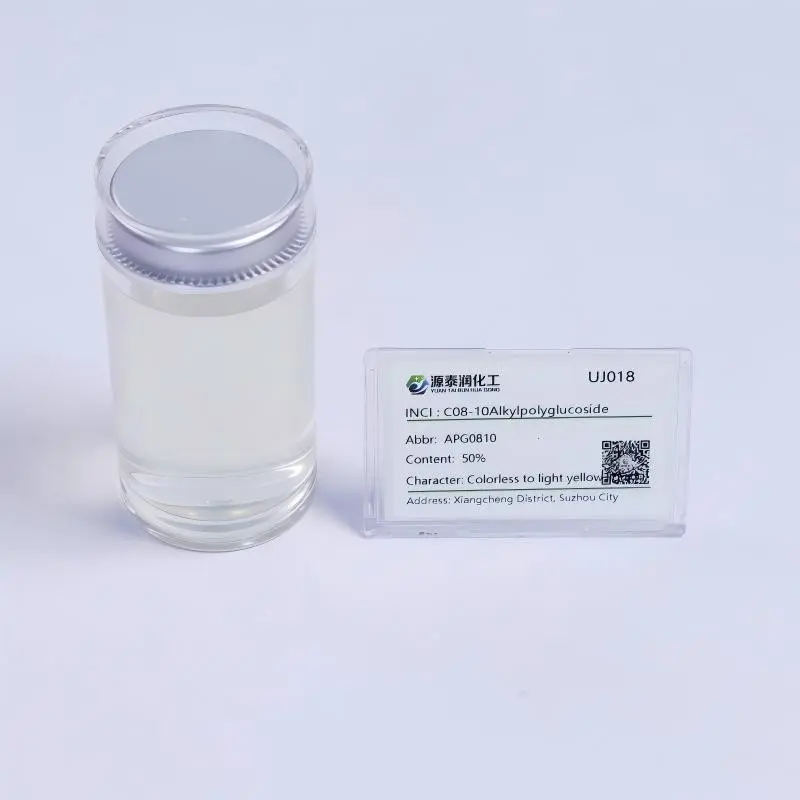
| Alkyl Glucosides (Non-ionic) | Caprylyl/Capryl Glucoside (APG0810) | Mild Cleanser, Emulsifier, Hydrotrope | >90% (Readily Biodegradable) | Extremely Low (>100 mg/L) |
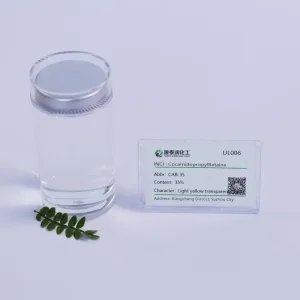
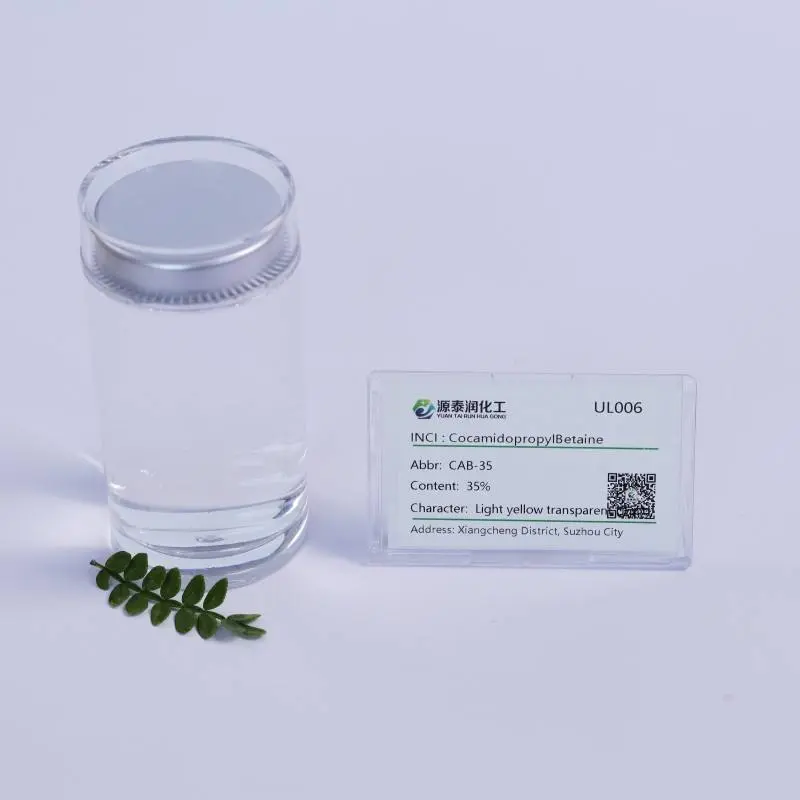
| Amido Betaines (Amphoteric) | Cocamidopropyl Betaine (CAB-35) | Co-surfactant, Foam Stabilizer | >80% (Readily Biodegradable) | Moderate (1-10 mg/L) |
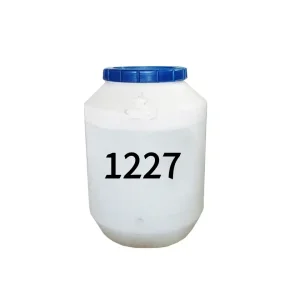
| Legacy QACs (Traditional Cationic) | Dodecyl Dimethyl Benzyl Ammonium Chloride (1227/DDBAC) | Antiseptics, Industrial Water Disinfectants | <30% (Poorly Biodegradable) | High Toxicity (<1 mg/L) |
While DDBAC/BKC still serves critical roles in heavy industrial water treatment and closed-loop disinfection circuits due to its aggressive antimicrobial action, the personal care and consumer home care sectors have rapidly transitioned towards esterquats, amino-acid based surfactants, and specialized alkyl polyglucosides.
Discover how our portfolio fits seamlessly into standard, concentrated, and high-efficiency formulations.
Primary Raw Materials: Sodium Cocoyl Glutamate, Sodium Lauroyl Sarcosinate 30% Liquid.
Benefits: Exceptional skin barrier compatibility, rich foaming characteristics, ECOCERT compliant, and leaves zero tight sensation after cleansing.
Primary Raw Materials: Specialty Biodegradable Cationic Esterquats, Cetrimonium Chloride.
Benefits: Imparts luxurious fiber softness, eliminates electrostatic charges, and supports eco-label compliance in highly concentrated cold-water formulas.
Primary Raw Materials: APG0810 (Caprylyl/Capryl Glucoside), Disodium Lauryl Sulfosuccinate Paste.
Benefits: High-efficiency soil suspension, rapid dispersibility, biodegradable carbon footprint profile, and safe for sensitive skin.
Discover our core functional raw materials engineered for maximum efficiency, stability, and formulation flexibility.
Navigating the complex global market requires strict compliance with chemicals regulation. Our manufacturing facilities are fully optimized to meet the parameters of international regulatory bodies, offering seamless localization support.
Full pre-registration and registration dossiers for Europe, ensuring seamless customs clearance and supply chain security for European buyers.
Natural organic classification compliance for amino-acid and alkyl glucoside bases, meeting clean beauty labels criteria.
Aligning cationic and nonionic properties to meet clean ingredients criteria for direct release formulations in North America.
As an industry-leading manufacturer, Suzhou Yuantairun Chemical is pioneering the next frontier of surfactant engineering. Our R&D division has structured a development blueprint to address the future demands of carbon-neutral manufacturing and advanced performance biology.
Gradually replacing petroleum-derived hydrophobes with local agricultural waste biomass (coconut, palm kernel, and sunflower seed oils) targeting 100% bio-based carbon index (RCI).
Deploying green enzymatic biocatalysis to replace traditional high-temperature transesterification, resulting in zero chemical byproduct waste and lower energy consumption.
Developing highly concentrated dry powder and paste blends to eliminate water transport requirements, reducing global logistics emissions and water consumption.
Access technical consultation, high-purity chemical samples, and comprehensive wholesale supply contracts directly from our factory.
Explore our fully certified raw material range for skin conditioning, preservation, emulsification, and rheology control.