
Explore our certified performance surfactants, cosmetic rheology modifiers, and functional raw materials tailored for international procurement.
Understanding the micro-rheology, molecular properties, and supply requirements of Sodium Carboxymethyl Cellulose (CMC) across industrial sectors.
Cellulose Gum, also known scientifically as Sodium Carboxymethyl Cellulose (CMC), is an indispensable water-soluble polymer derived from natural cellulose (typically cotton linters or softwood pulp). By replacing hydroxyl groups along the anhydroglucose backbone with anionic carboxymethyl groups, we synthesize a highly functional hydrophilic matrix. As a leading manufacturer and wholesale supplier, Suzhou Yuantairun Chemical is at the forefront of modifying these cellulose structures to meet the complex rheological and stabilization profiles required by modern chemical formulators.
The performance of Cellulose Gum in water is defined by its molecular parameters, particularly the Degree of Substitution (DS) and Degree of Polymerization (DP). Viscosity levels, pseudoplastic flow traits, and salt tolerance are engineered by optimizing these parameters. For premium personal care, detergent, and food formulations, maintaining a precise DS range (typically 0.7 to 1.2) ensures high transparency, rapid hydration, and stable viscosity retention under varying thermal and pH stress.
A look at the synthesis pathways, physical modifications, and future directions for eco-friendly thickening solutions.
Cellulose fibers undergo alkaline activation (using sodium hydroxide) followed by precise etherification with monochloroacetic acid (MCA). Strict reaction monitoring ensures targeted carboxyl distribution, directly suppressing polymer crystallization and optimizing solubility in cold water.
By varying the cellulose source material and alkaline degradation processes, we control the average molecular weight. Our factory produces grades spanning ultra-low viscosity (under 20 mPa·s for fast dispersibility) to ultra-high viscosity (exceeding 8,000 mPa·s for structural suspension).
Our R&D efforts target a 100% bio-based feedstock index. Utilizing agricultural waste residues instead of wood pulp lowers carbon footprints and increases compliance with eco-certification bodies, supporting our global partners in achieving green supply goals.
Pioneering reliability, cutting-edge chemical synthesis, and optimized logistics for downstream manufacturers.
In-house laboratories supporting advanced sample analysis, rheological profile mapping, and OEM/ODM customizations.
Access hundreds of daily chemical raw materials including amphoteric, anionic, and nonionic surfactants under one account.
Direct supply contracts from primary factories, reducing intermediaries and maximizing margins for chemical buyers.
Streamlined supply chain logistics with tracking metrics, buffering inventory, and reliable global fulfillment paths.
Our raw materials operate at the intersection of consumer safety, rheological excellence, and chemical stability.
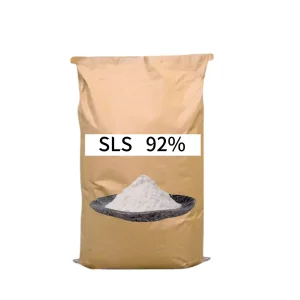
Combining high-efficacy surfactants like SLS with Cellulose Gum ensures stable detergent viscosity, prevents soil redeposition, and stabilizes foam structures in diverse washing parameters.
Formulating gentle, amino acid-based cleansers using Disodium Cocoyl Glutamate and Apple Amino Acids, balanced with high-purity thickening agents for smooth skin-feel and clean rinsing.
High-performance thickeners optimized for acid or alkaline cleaners, maintaining targeted viscosity values to extend contact time on vertical surfaces during heavy degreasing operations.

Navigating chemical imports requires rigorous adherence to international standards and quality certifications. Suzhou Yuantairun Chemical ensures all cellulose gum ingredients and associated chemical raw materials meet rigorous international benchmarks.
Our materials comply with REACH regulations for EU markets, FDA guidelines for indirect food contact and cosmetic application profiles, and are certified under Halal and Kosher dietary standards where applicable. Additionally, we provide comprehensive documentation support, including detailed Material Safety Data Sheets (MSDS), Technical Data Sheets (TDS), and batch-specific Certificates of Analysis (COA).
With localized warehouse footprints and strategic distribution partnerships across regions, we help reduce import delays. Formulators can also request direct support from our R&D team to assist with viscosity matching, stability testing, and batch troubleshooting.
Technical answers to common formulation, sourcing, and performance questions regarding Cellulose Gum (CMC) and industrial surfactants.
When kept under dry, cool conditions in unopened containers, Cellulose Gum (Sodium CMC) generally retains its chemical structure and viscosity properties for up to 24 months. Proper storage prevents moisture absorption, which can cause caking or localized microbial degradation.
A higher Degree of Substitution (DS > 0.9) indicates uniform carboxymethylation along the cellulose chain. This decreases intra-molecular hydrogen bonding, yielding superior water solubility and clear, transparent solutions. Lower DS grades may retain micro-fibers, which can introduce slight turbidity.
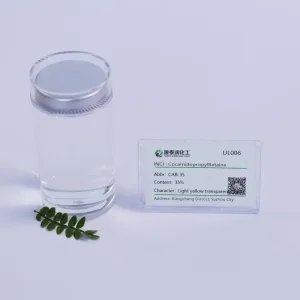
Yes. Cellulose Gum functions as an effective co-thickener and stabilizer in anionic-based personal care systems. High-DS grades resist salt-out events, providing stable, non-Newtonian flow behavior when paired with secondary surfactants like Cocamidopropyl Betaine (CAB-35).
We provide wholesale packaging configurations tailored to different batch requirements, including standard multi-wall paper bags (25kg net), flexible intermediate bulk containers (FIBC jumbo bags up to 1000kg), and moisture-barrier plastic linings to prevent hydration during ocean freight.
While Sodium CMC is soluble in both hot and cold water, viscosity varies inversely with temperature. Heating a CMC solution reduces its viscosity; however, it typically recovers its original viscosity upon cooling, provided the temperature remains below the degradation threshold.
Stay updated with our research breakthroughs, production schedules, and chemical market analyses.
Discover how Runtec® SCI85, a mild anionic surfactant with high active content, improves skin-feel and lather in premium formulations.
An introduction to Sodium Cocoyl Alaninate, a foaming surfactant designed for mild hair and body wash formulations.
Reviewing physical dispersion metrics and compatibility properties of skin moisturizers mimicking natural bird preen oils.
A broad array of cosmetic-grade crystal cooling agents, high-purity quaternary conditioners, and dispersant polymers.

Optimize your formula stability and simplify your raw material procurement with customized bulk quotes.
Contact Us Now