Engineered raw materials for premium cosmetic, home care, and industrial processing lines.
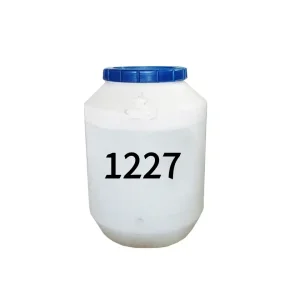
Zwitterionic surfactants (also known as amphoteric surfactants) represent a unique class of surface-active agents that possess both cationic (positive charge) and anionic (negative charge) centers within the same molecule. The behavior of these dual-charge molecules is strongly dependent on the pH of the aqueous medium in which they are dissolved. At low pH levels (acidic conditions), they behave predominantly as cationic surfactants, showing affinity toward negatively charged biological surfaces like skin proteins and hair. At high pH levels (alkaline conditions), they transition to exhibiting anionic characteristics, which facilitates high cleansing power and rapid grease emulsification. Near their isoelectric point, they exhibit zwitterionic properties, combining mildness, foam stabilization, and chemical stability in electrolyte-dense systems.
Globally, the commercial importance of zwitterionic surfactants has grown exponentially. As global regulatory bodies (such as the European Chemicals Agency under REACH and the United States EPA) place stricter limits on conventional sulfates and ethoxylated surfactants due to aquatic toxicity and dioxane contamination concerns, zwitterionics have transitioned from auxiliary additives to primary compound components. The shift toward natural, biodegradable, and mild chemical bases has turned raw materials like cocamidopropyl betaine (CAPB) and alkyl amine oxides into crucial components for clean beauty, eco-friendly household detergents, industrial processes, and enhanced oil recovery (EOR).
Formulation engineers face significant challenges when handling standard commercial solutions of amphoterics, which traditionally contain high levels of water (typically around 65% to 70%). Working with these low-concentration versions results in high transport costs, larger storage footprints, and limits the formulation of highly concentrated end products like unit-dose pods, laundry sheets, and anhydrous personal care products. To solve this, advanced factories like Yuantairun have developed high-activity, highly concentrated zwitterionic surfactants (such as 35% to 50%+ active matter CAB-35 and highly pure amine oxides).
Concentrating zwitterionic systems requires precise control over viscosity limits and phase transitions. As the concentration of active matter increases, these surfactants often pass through liquid crystalline phases (lamellar, hexagonal, or cubic) that can cause gelation and make bulk handling difficult. The incorporation of specialized phase-control additives, coupled with precision synthesis, allows modern factories to supply fluid, highly active concentrates that disperse rapidly in cold water processes. This reduces process times and decreases energy use for consumer product factories worldwide.
Delivering supply-chain security, custom chemical R&D, and certified global raw material supply from Suzhou, China.

We supply a comprehensive chemical portfolio, including amino acid surfactants, betaines, non-ionics, and green preservatives, to simplify global procurement.

Our dedicated application laboratories offer OEM/ODM services, performance testing, and custom synthesis to meet specific customer requirements.

By optimizing synthesis pathways and managing large production capacities, we provide cost-effective options without compromising quality.

Supported by deep warehousing structures, we coordinate shipments to align with your production schedule and minimize downtime.
Engineered for high stability, foam boosting, and gentle cleansing across various formulations.
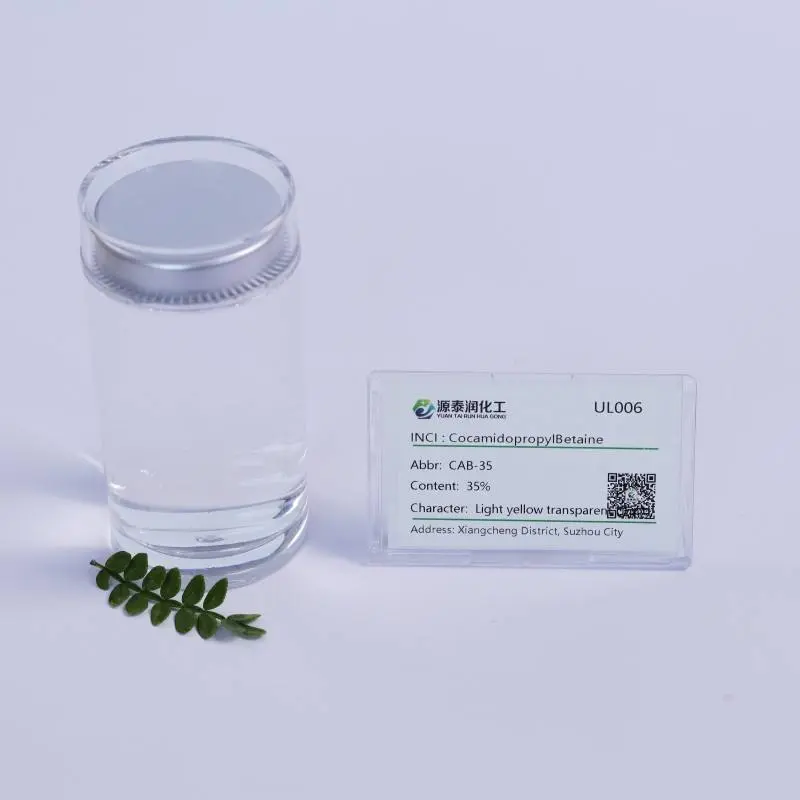
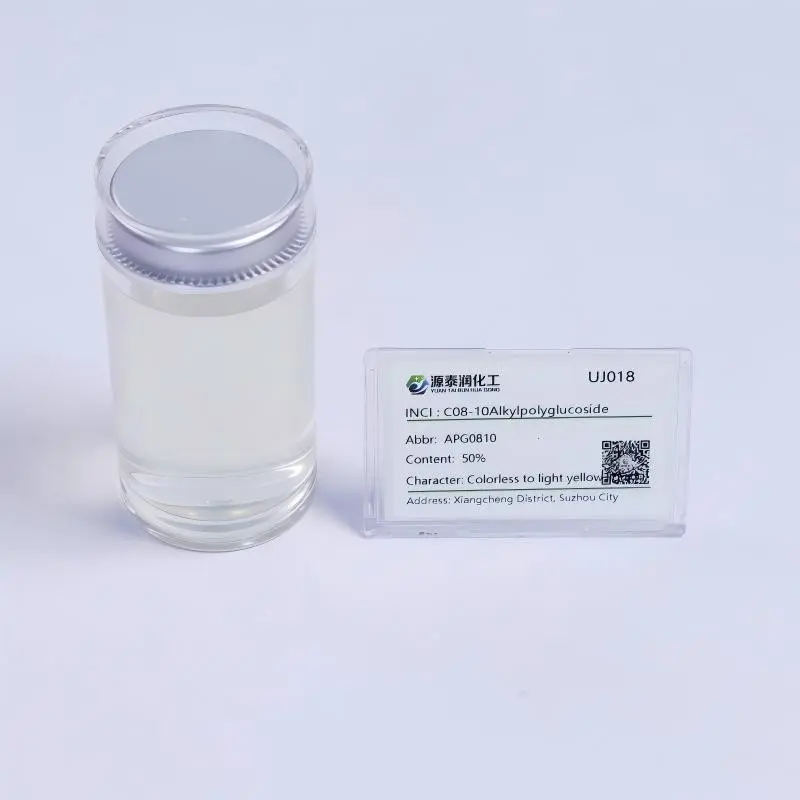
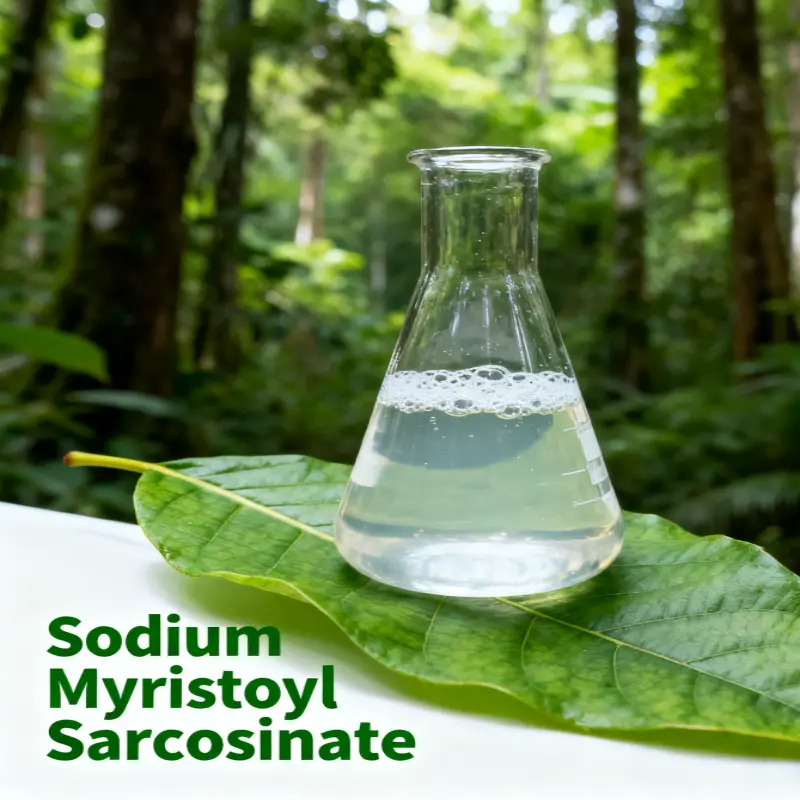
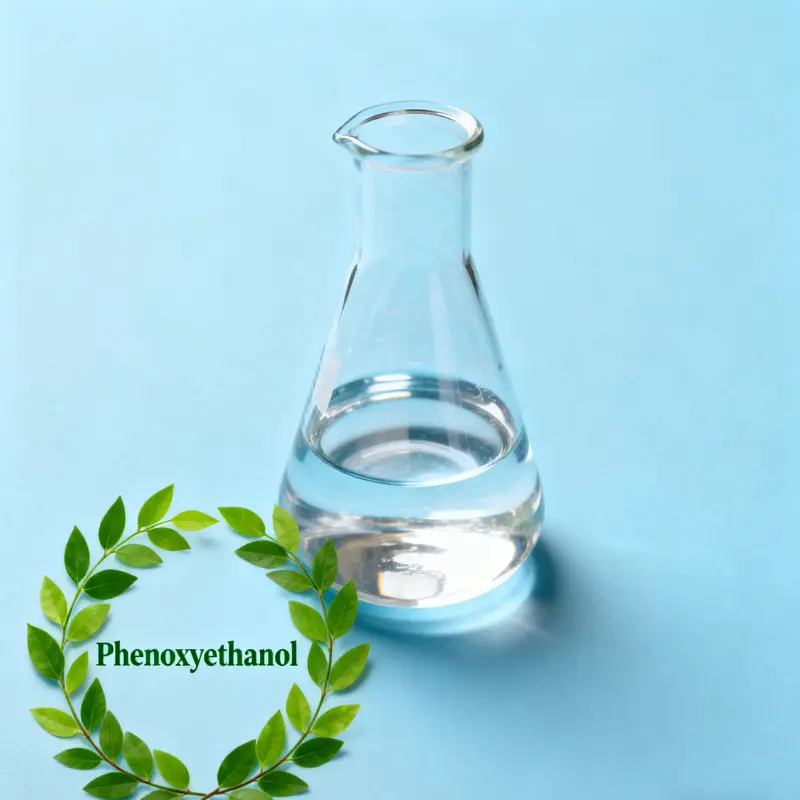
The global market for amphoteric surfactants is experiencing a shift in sourcing. Industrial users are increasingly moving away from synthetic, petroleum-derived raw feeds to natural alternatives, such as certified RSPO (Roundtable on Sustainable Palm Oil) palm kernel oil and coconut oil derivatives. In Europe and North America, retail pressure is driving brands to reformulate toward "sulfate-free" and "biodegradable" systems. This regulatory trend has directly benefited zwitterionic surfactants, which provide a mild profile, high compatibility, and excellent performance in hard water.
Another major market trend is the demand for low-color, low-odor, and low-byproduct raw materials. In betaine production, managing impurities like free amines, monochloroacetic acid (MCA), and dichloroacetic acid (DCA) is essential to meet strict dermatological requirements. Modern zwitterionic manufacturing relies on advanced purification steps, such as vacuum stripping and thin-film evaporation, to keep secondary amines and alkylating agents to minimal, safe levels.
Furthermore, concentrated zwitterionics are increasingly used in agricultural chemical formulations. They serve as eco-friendly adjuvants that improve the wetting and absorption of herbicides on leaf surfaces without breaking down the cell walls of non-target organisms. In the industrial sector, their stability under high temperatures and high salinity makes them valuable for oil field production, drilling fluids, and metal surface treatment formulations.
How our surfactants optimize formulations across major global consumer and industrial product lines.
Developing specialized product bases for retail, institutional, and commercial markets.
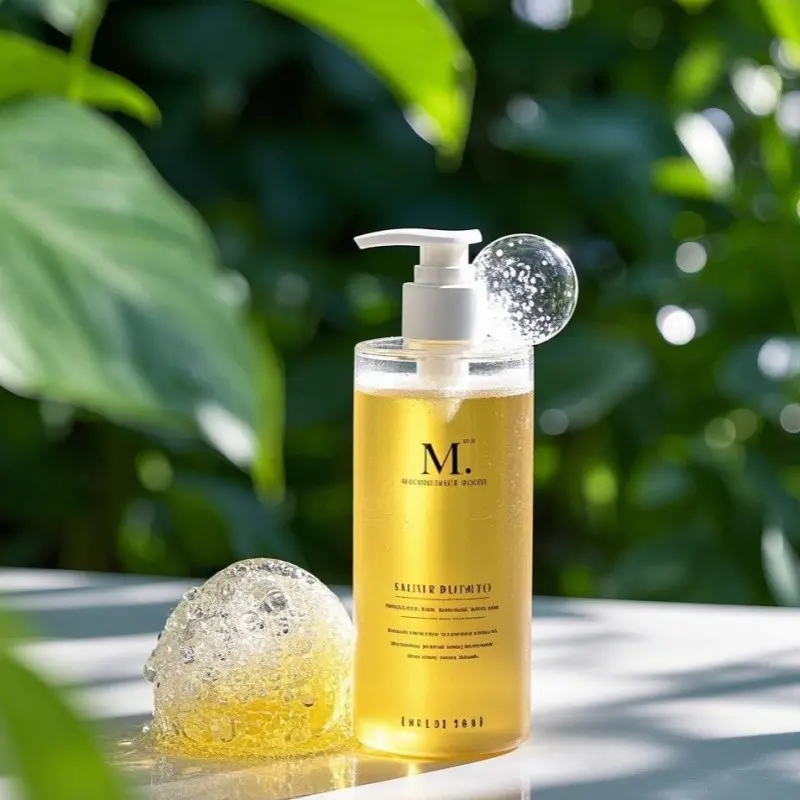 Customizable
Tailored formulations designed for hotels, hair salons, and retail markets, offering customizable viscosity, color, fragrance, and packaging options.
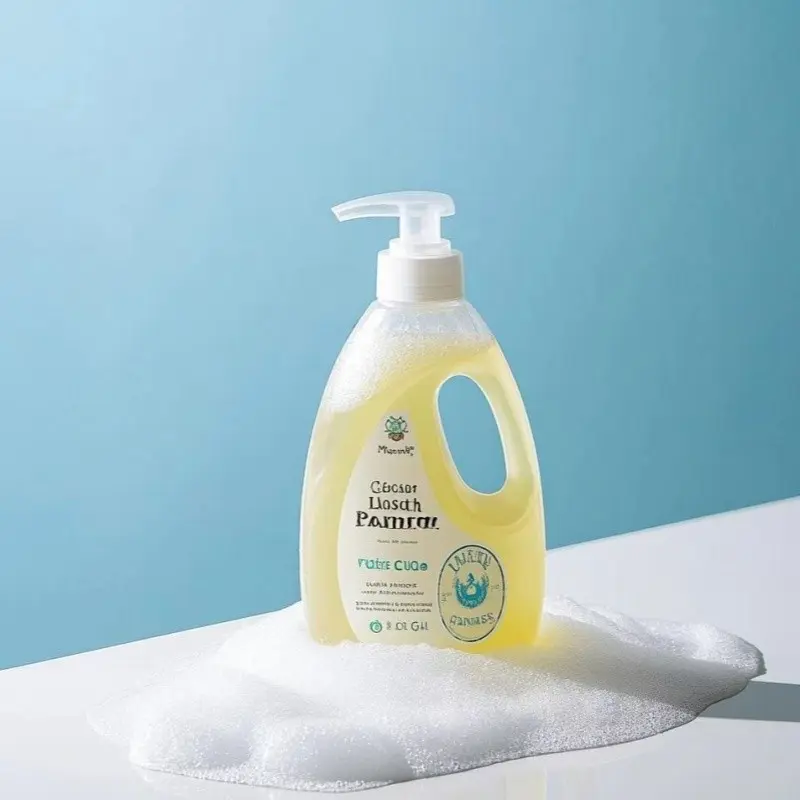 Eco-friendly
High-efficiency liquid concentrates designed for modern washing machines. Available in custom scent options and plant-derived formulations.
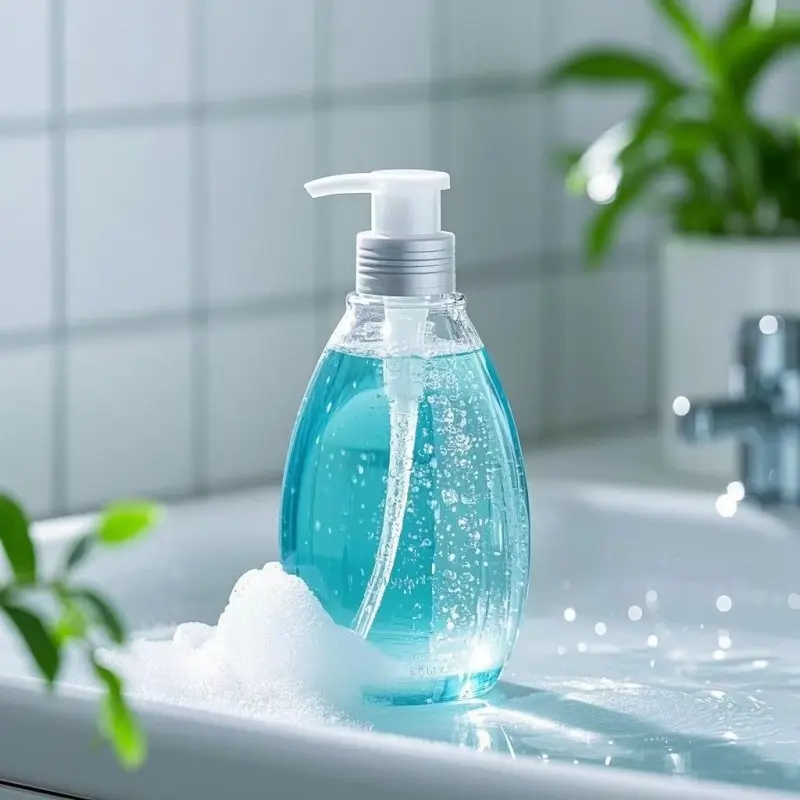 High-efficiency
Gentle, foaming liquid soaps formulated for high-traffic environments, including shopping malls, airports, restaurants, and retail spaces.
Leading the transition toward bio-based synthesis and high-purity zwitterionic systems.
Transitioning from petroleum-derived alkyl amines to plant-derived alternatives, using renewable raw sources like coconut and palm kernel oil to reduce carbon footprint.
Implementing advanced crystallization and purification technologies to lower free amines, monochloroacetate, and salt levels, creating milder options for baby and sensitive skin care.
Developing zwitterionic systems with over 50% active matter that remain fluid at room temperature. This reduces shipping weight and energy use in formulation plants.
Designing custom, single-feed blends that combine zwitterionic, non-ionic, and amino acid surfactants. This simplifies manufacturing lines for customer plants.
Explore raw material updates and formulation tips from our chemical laboratory engineers.
Learn how our high-active Sodium Cocoyl Isethionate (SCI85) provides a gentle, rich lather in solid shampoo bars and syndet wash systems.
An introduction to Sodium Cocoyl Alaninate, a mild surfactant that maintains foaming performance in the presence of natural oils, ideal for specialized scalp treatments.
A technical review on how this light, synthetic ester emollient can improve skin spreadability and dispersibility across mineral sunscreen and makeup formulas.
Answers to common questions from formulation engineers, R&D teams, and procurement departments.
Get in touch with our technical sales team for free product samples, custom formulation guidance, and bulk pricing options.
Submit Inquiry NowSupport ingredients to enhance formulation stability, safety, and performance.