Explore our high-performance surfactant intermediates and structural raw materials engineered for daily chemical synthesis and advanced personal care products.
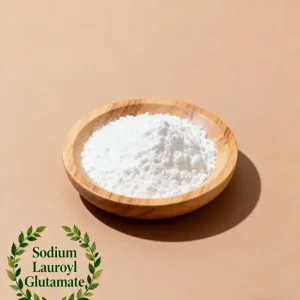
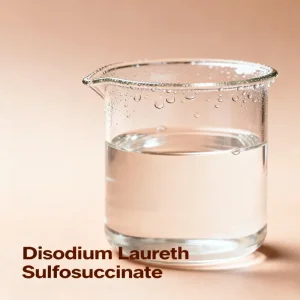
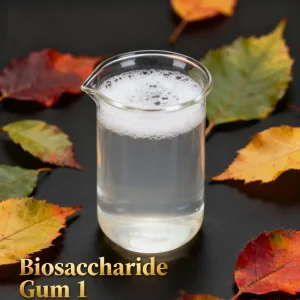
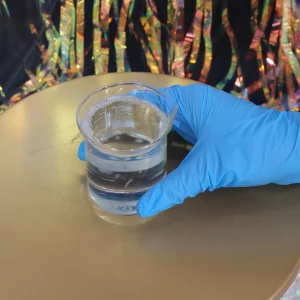
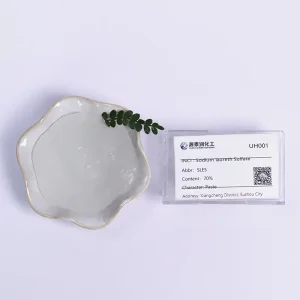
Decyl Glucoside is a highly versatile, biodegradable, and sustainable nonionic surfactant categorized under the class of Alkyl Polyglucosides (APG). Originating from 100% natural, renewable plant sources—predominantly utilizing corn starch glucose reacted with coconut or palm kernel-derived decanol fatty alcohols—Decyl Glucoside represents the standard of green chemistry. This compound exhibits exceptional skin compatibility, low toxicity profile, and superior foaming dynamics, making it the preferred nonionic surfactant in modern ecological formulations.
The chemical synthesis of Decyl Glucoside involves direct Fischer-type glucosidation, where glucose molecules undergo condensation reactions with decyl alcohol in the presence of acidic catalysts. This process forms a mixture of monoglycosides, diglycosides, and oligomeric structures, yielding an average degree of polymerization (DP) of approximately 1.3 to 1.7. This specific distribution grants Decyl Glucoside its high water solubility, low interfacial tension, and stable micelle structure.
Natural Hydrophilic-Lipophilic Balance (HLB): Typically falls between 11 and 13, classifying it as an excellent O/W emulsifier and cleaning surfactant.
Critical Micelle Concentration (CMC): Low CMC values enable high cleansing efficiency at extremely low usage rates compared to traditional ethoxylated surfactants (e.g., Laureth series).
Synergy Index: High compatibility with anionic surfactants (like Sodium Cocoyl Glutamate, Sodium Lauroyl Sarcosinate, and SLES), enhancing total foam volume while suppressing the irritation potential of anionic systems.
The global surfactant market is undergoing a major paradigm shift toward bio-based alternatives. Under the pressure of stringent environmental regulations such as the EU Green Deal, REACH authorization limits, and China's regulatory policies, manufacturers of personal care products and industrial cleaners are actively replacing fossil-derived alkylphenol ethoxylates (APEs) and petroleum-based sulfates with Alkyl Polyglucosides.
By working with certified raw materials (RSPO-certified palm oil, GMO-free corn starch), Decyl Glucoside production centers ensure compliance with Ecocert, COSMOS, and EPA's Safer Choice criteria. Market projections show a steady compound annual growth rate (CAGR) of 6.2% for APGs, driven by the clean beauty trend, mild baby formulations, and eco-friendly home care detergents.
Historically, early-generation APG surfactants suffered from color stability issues (browning over time) and trace residual fatty alcohol odors. Today's advanced production facilities, like those aligned with Suzhou Yuantairun Chemical Co., Ltd., employ state-of-the-art multi-stage molecular distillation under high vacuum and controlled oxidation bleaching processes. This ensures the output surfactant boasts a pristine light-yellow color, zero residual fatty alcohol smell, and optimal viscosity profiles.
| Test Parameter | Standard Specifications | Testing Methodology |
|---|---|---|
| Active Substance Content | 50% - 53% | Refractometry / Solvent Extraction |
| pH Value (10% aq. solution) | 11.5 - 12.5 | Potentiometric pH Meter |
| Free Fatty Alcohol | ≤ 1.0% | Gas Chromatography (GC) |
| Residual Ash (Solid basis) | ≤ 3.0% | Thermogravimetric Analysis |
| Viscosity (at 20°C) | 1000 - 2500 mPa·s | Rotational Viscometer |
A comprehensive portfolio of amphoteric, amino acid-based, and nonionic surfactants engineered to lower irritation profiles and optimize foaming kinetics.
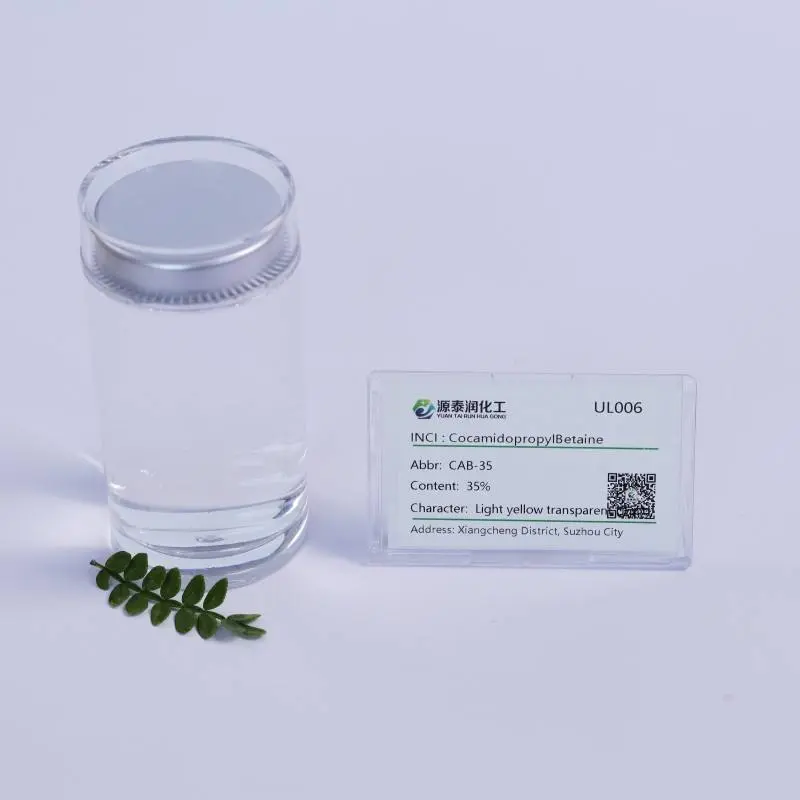
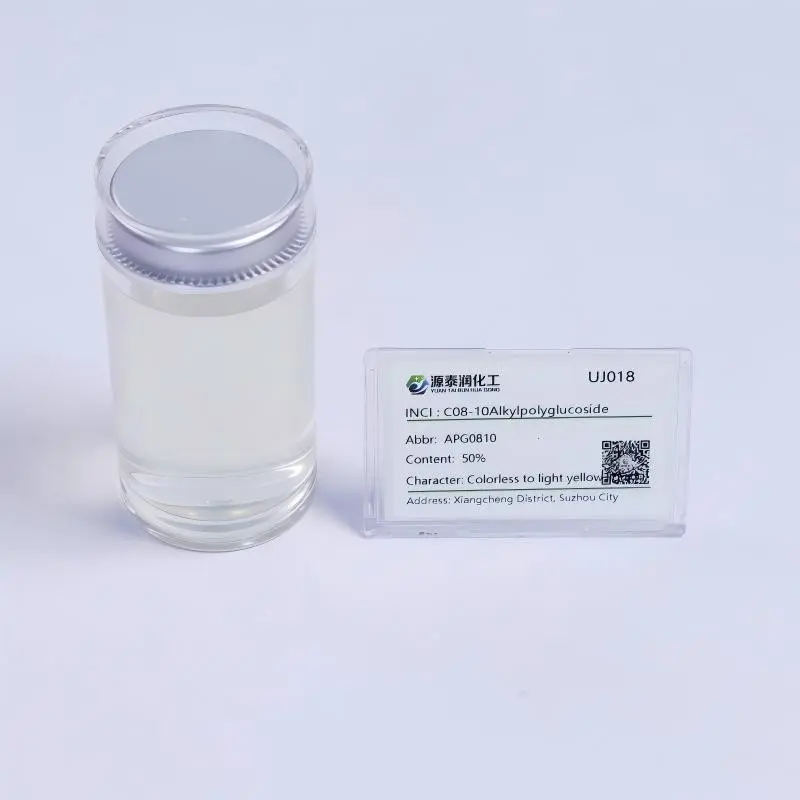
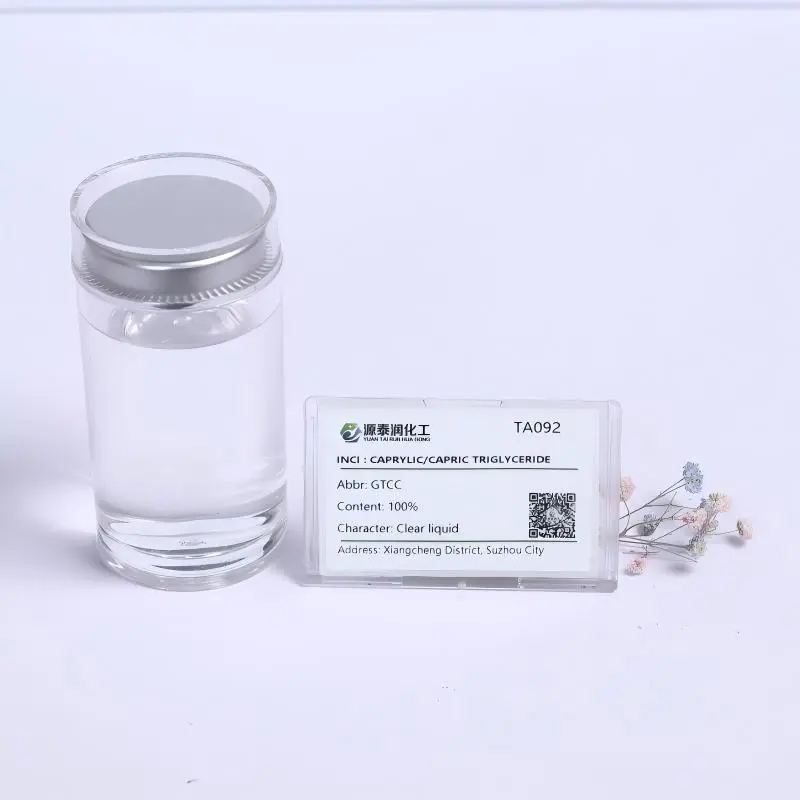
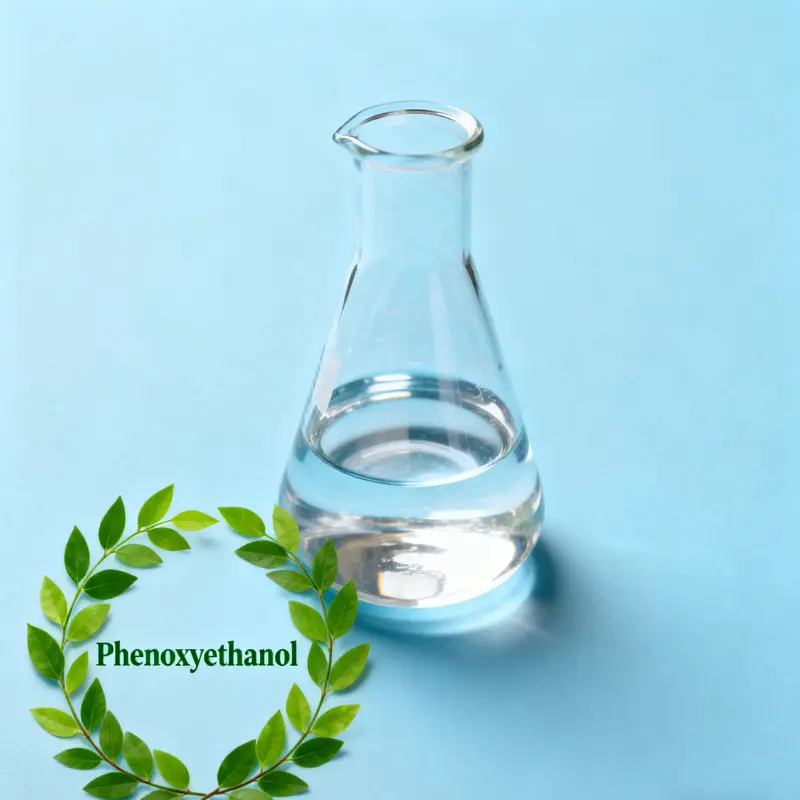
As a leading supplier in the daily chemical raw materials industry, Suzhou Yuantairun Chemical Co., Ltd. is dedicated to delivering high-quality products and comprehensive one-stop services to support our customers in R&D, production, and supply chain optimization. Our mission is to drive innovation and efficiency in the global daily chemical industry by providing cutting-edge solutions tailored to our clients' needs.
By integrating regional manufacturing powerhouses with optimized logistics networks, we offer industrial supply channels that reduce raw material price volatility, maintain quality control across batches, and guarantee compliance with national chemical regulations.


Assuring you that our products originate from well-managed, ecologically certified, and highly sustainable chemical resources.

We provide a comprehensive catalog of anionic, nonionic, amphoteric, and cationic surfactants, reducing procurement complexity.

Advanced lab support for custom formulation optimization, testing (viscosity, Zein, foam kinetics), and OEM/ODM services.

Direct manufacturing coordination allows us to balance product quality and pricing competitiveness, improving profit margins.

Global warehousing and supply chain logistics ensure raw materials reach your production line right on schedule.
Strategic surfactant systems engineered to address specialized regulatory standards, clean-label compliance, and specific performance profiles.
Uses SLES (Sodium Laureth Sulfate) and AOS (Sodium Alpha-Olefin Sulfonate) as core anionic cleansing agents. Enhanced with natural Decyl Glucoside or APG0810 for gentle soil release, and combined with CMEA (Cocamide MEA) for optimal viscosity and foam control.
 Home Care Application
Features Sodium Cocoyl Glutamate and Sodium Lauroyl Sarcosinate. By integrating nonionic Decyl Glucoside as a secondary surfactant, the formulation yields a fine, easy-to-rinse foam without compromising skin barrier hydration.
 Skin Care Application
Utilizes cationic surfactant systems (Cetrimonium Chloride 1631) to deliver excellent softness and anti-static properties. Formulated to reduce shipping volume, packaging waste, and carbon footprint.
 Textile Treatment
Combines amphoteric Cocamidopropyl Betaine (CAB-35) with nonionic Decyl Glucoside to establish a rich, dense micellar structure. It is designed to minimize skin protein denaturation, making it suitable for sensitive skin.
 Personal Hygiene
Features linear alkylbenzene sulfonates (LAS) coupled with high-caustic stable APG nonionic surfactants. Formulated to break down heavy machine grease and complex oils in high-pH environments.
 Industrial Cleaning
We offer tailored formulation services for institutional settings (hotels, retail, offices, salons). Formulations can be adjusted for fragrance, packaging, concentration, and price points.
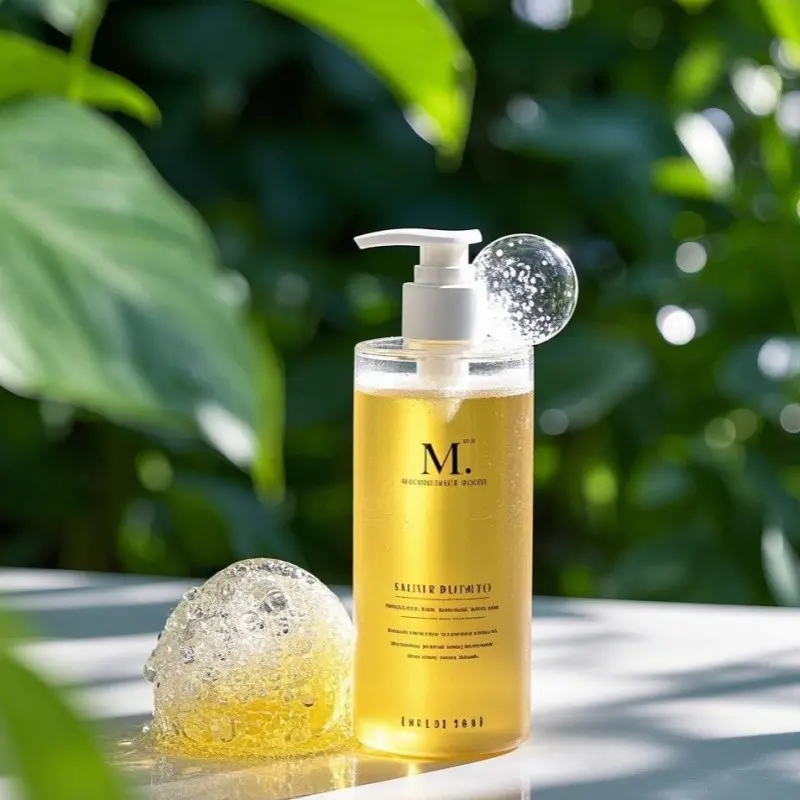 Custom Manufacturing
Innovative surfactant solutions engineered to optimize stability, performance, and environmental compliance across diverse applications.
Real-time understanding of enterprise dynamics, regulatory updates, and technical developments in green surfactant chemistry.
Are you looking for a milder anionic surfactant for your premium formula? Runtec®SCI85-Enhances your formula with a gentle, refreshing wash feeling.
Runtec®SCA-30: Sodium Cocoyl Alaninate-An oil-resistant amino acid surfactant with excellent foaming properties, specifically designed for use in shampoos
This is a skin moisturizer compatible with various oils and featuring strong dispersing power...
Explore our secondary raw materials, solvents, active ingredients, and preservatives essential for stable cosmetic and industrial formulations.
Get answers to common technical queries regarding Decyl Glucoside nonionic surfactants, formulation strategies, and industrial safety.