Explore our premium grade chemical materials and specialty surfactants designed for high-performance daily chemical formulations.
Understanding the molecular properties, safety advantages, and formulation capabilities of clean beauty's leading mild anionic surfactants.
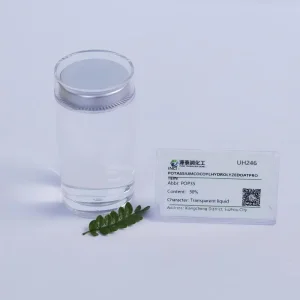
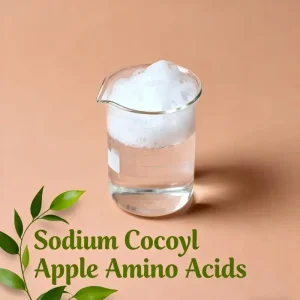
Disodium Cocoyl Glutamate (CAS 68187-30-2) and Sodium Cocoyl Glutamate (CAS 90387-74-9) are mild anionic surfactants synthesized from renewable natural resources—specifically plant-derived fatty acids from coconut oil and the natural amino acid, L-glutamic acid. Unlike conventional alkyl sulfates (e.g., SLS, SLES) which undergo ethoxylation and pose risks of dioxane contamination, glutamates are manufactured via green acylation processes. This eliminates toxic catalysts, reduces the ecological footprint, and generates a chemical structure that behaves harmoniously with skin proteins.
Due to their unique molecular structure featuring a hydrophilic glutamic acid head group and a lipophilic coconut-derived fatty acid tail, they exhibit excellent emulsifying, wetting, and foaming characteristics while maintaining a low Critical Micelle Concentration (CMC). This property guarantees that cleansing occurs without stripping the lipid barrier of the stratum corneum, significantly reducing trans-epidermal water loss (TEWL) post-wash.
| Property / Parameter | Disodium Cocoyl Glutamate | Sodium Cocoyl Glutamate |
|---|---|---|
| CAS Registry Number | 68187-30-2 | 90387-74-9 |
| Primary Charge Type | Divalent Anionic (at neutral to basic pH) | Monovalent Anionic (under acidic ranges) |
| Optimal pH Range | pH 6.5 - 8.5 (Neutral to slightly alkaline) | pH 4.5 - 6.5 (Slightly acidic - skin compatible) |
| Skin Compatibility | Exceptional; very low denaturation index | High; ideal for sensitive/hypoallergenic formulations |
| Foaming Ability | Voluminous, loose-to-medium foam structure | Dense, creamy, highly stable foam microstructures |
| ECOCERT/COSMOS Status | Approved (100% natural origin certified) | Approved (100% natural origin certified) |
The dermatological superiority of glutamate-based surfactants is backed by intensive scientific evaluations, notably the Zein test. While standard sodium lauryl ether sulfates dissolve keratin structures instantly (resulting in high Zein values above 300 mg N/100 mL), Disodium and Sodium Cocoyl Glutamate score remarkably low (typically below 50 mg N/100 mL). This indicates minimal protein denaturation and negligible cell membrane disruption. Consequently, cosmetic formulations using these amino acid bases drastically lower irritation scores, making them ideal for eczema-prone skin, baby care, and facial wash therapeutics.
Analyzing key supply factors, international regulatory movements, and commercial strategies driving the transition to bio-based surfactants.
Global regulatory pressure, especially the European Union’s REACH directives and the global push against microplastics and persistent bioaccumulative chemicals, has accelerated the phase-out of traditional surfactants. Modern consumers demand clean beauty products, causing a surge in demand for readily biodegradable ingredients. Disodium Cocoyl Glutamate decomposes into organic salts and amino acids within 28 days under aerobic conditions, passing OECD 301B tests easily. Suppliers who guarantee sustainable sourcing from RSPO-certified palm oil or pure coconut oil gain immediate competitive advantages in high-end consumer markets.
For international procurers, sourcing amino acid surfactants poses several challenges: consistency in active content (30% liquid vs. 95% powder), controlling free sodium chloride levels (which impact formulation viscosity), and maintaining batch-to-batch color stability. Suzhou Yuantairun Chemical eliminates these variances by implementing advanced membrane filtration and crystallization techniques, delivering high-purity products with low inorganic salt content. This enables formulators to achieve consistent thickening without excessive salt adjustments, ensuring reliable production runs.
As a leading supplier in the daily chemical raw materials industry, Suzhou Yuantairun Chemical Co., Ltd. is dedicated to delivering high-quality products and comprehensive one-stop services to support our customers in R&D, production, and supply chain optimization.
Our mission is to drive innovation and efficiency in the global daily chemical industry by providing cutting-edge solutions tailored to our clients' needs. We assure you that our products originate from well-managed and sustainable resources, backed by global standard testing labs and custom synthesis support.



We provide a comprehensive portfolio of daily chemicals and raw materials to simplify your sourcing pipeline.

Offering advanced ODM/OEM services and formulation testing to turn concepts into market-ready products.

Our raw materials deliver premium quality at competitive rates, optimizing your production costs.

Robust logistics networks ensure materials arrive exactly when your production schedules need them.
See how our raw materials are integrated into commercial home care and personal care applications worldwide.
Our R&D team can develop custom surfactant systems matching your specific performance criteria.
Our top-performing specialty ingredients, formulation bases, and surfactants engineered for the daily chemical industry.
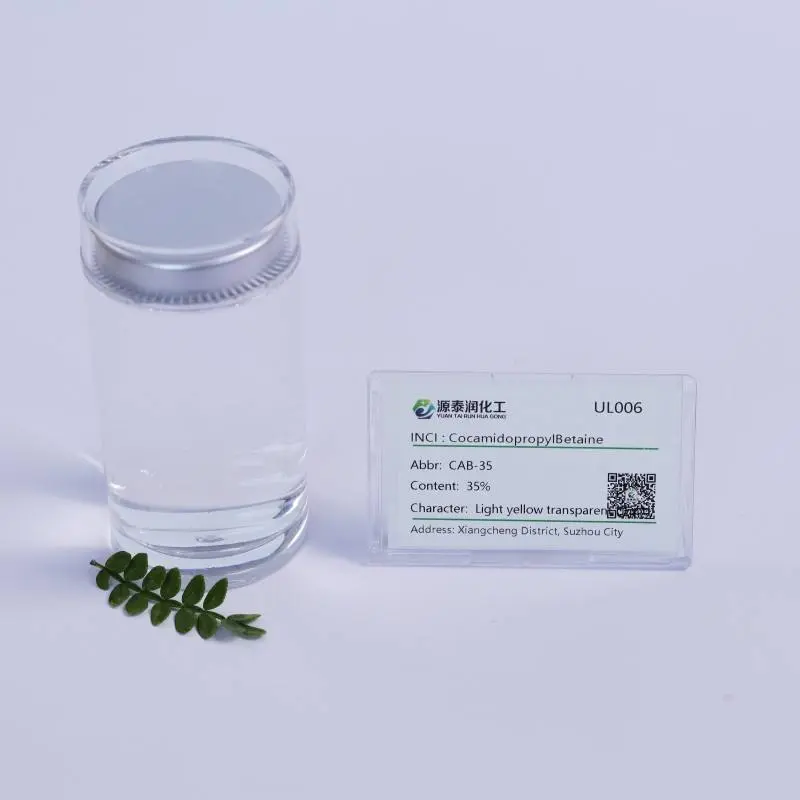
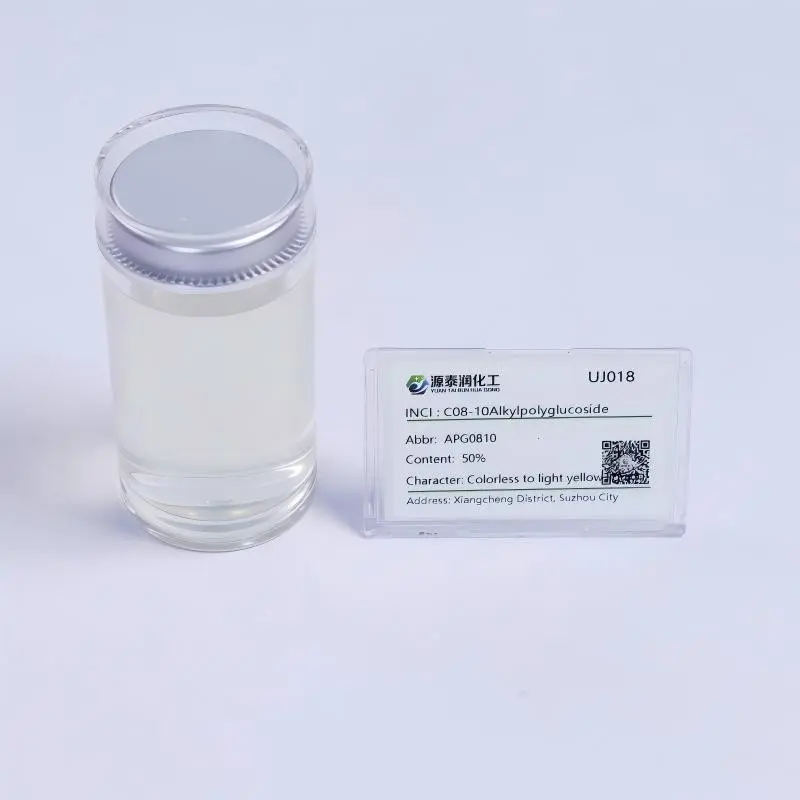
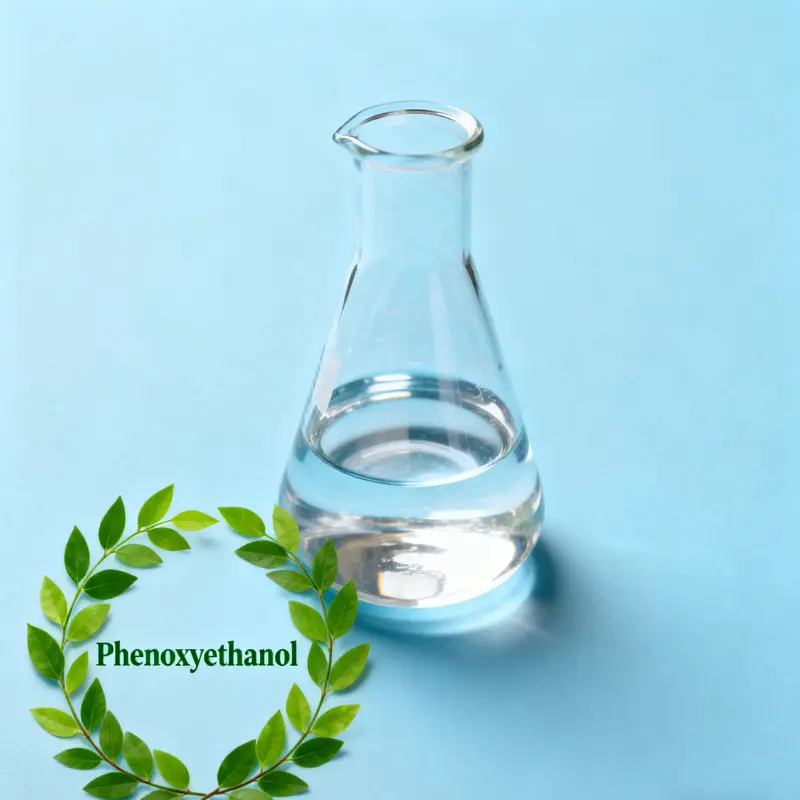
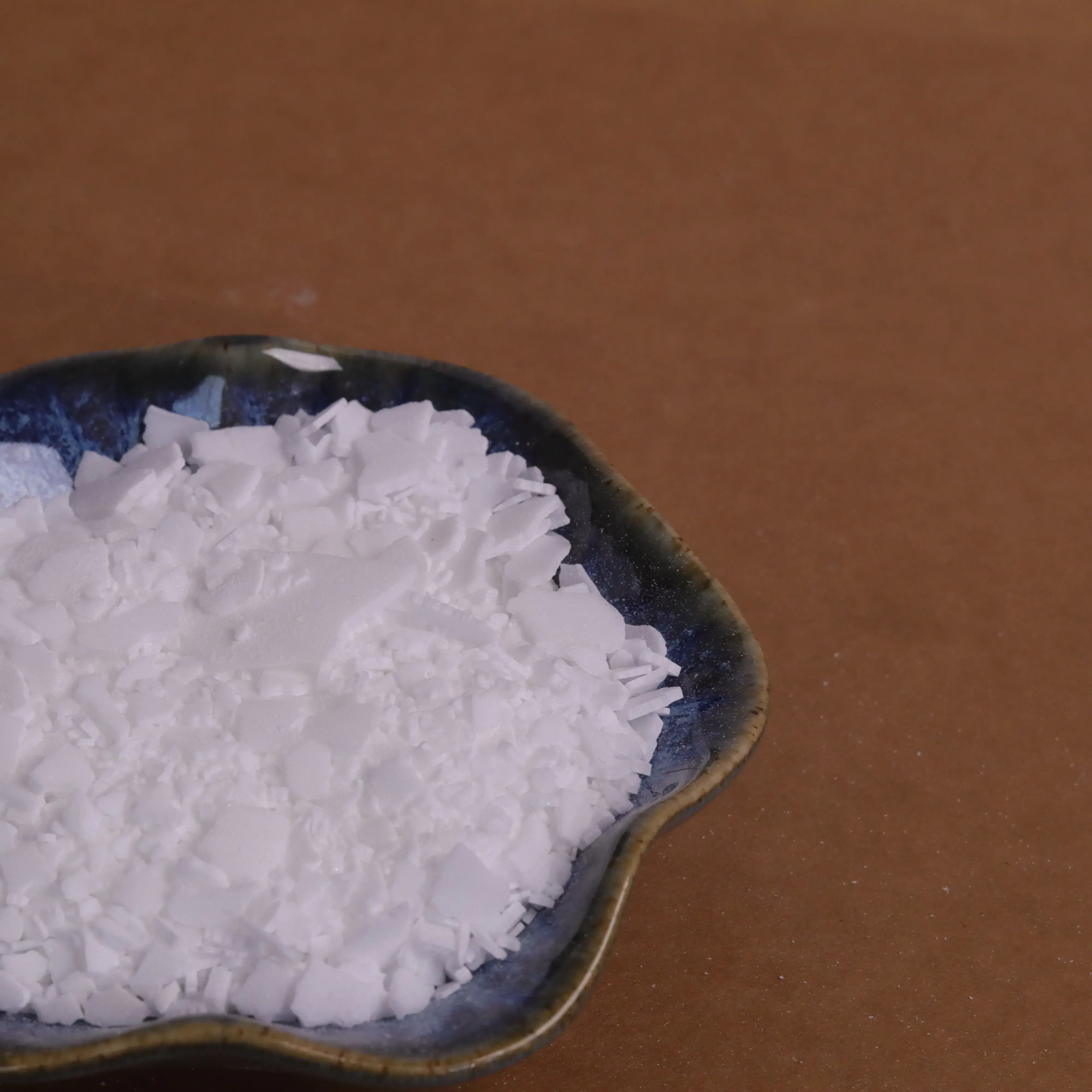
Our prime grade EGDS provides a dense pearlescent sheen for shampoos, hand washes, and bath formulas.
Developing specialized product lines with customizable fragrance, packaging, and functional configurations.
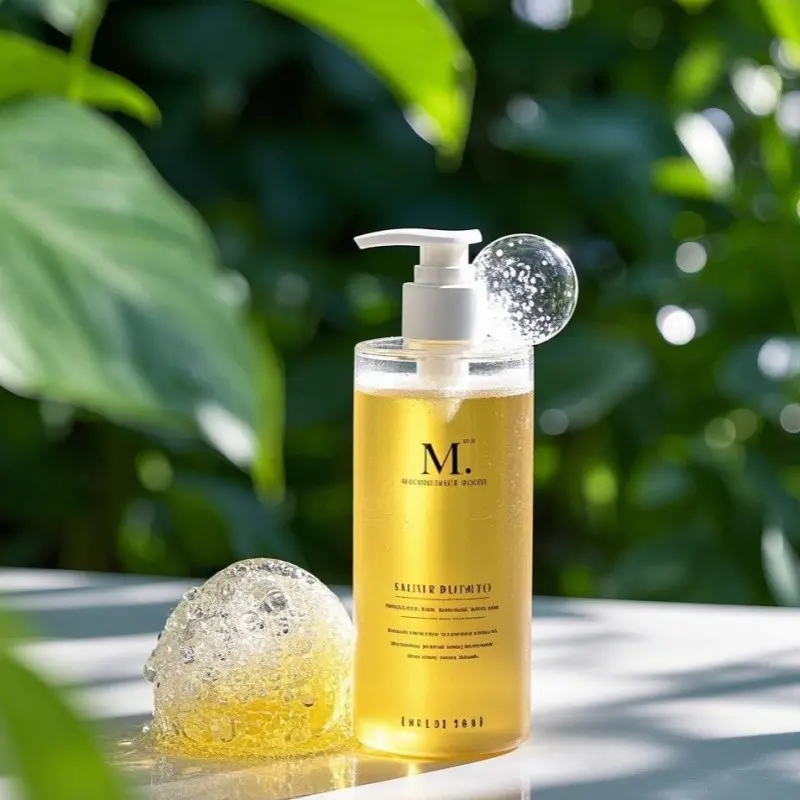
Tailored formulations optimized for hospitality, salons, or retail distribution. Features customizable active ingredient levels, scent options, and packaging designs.
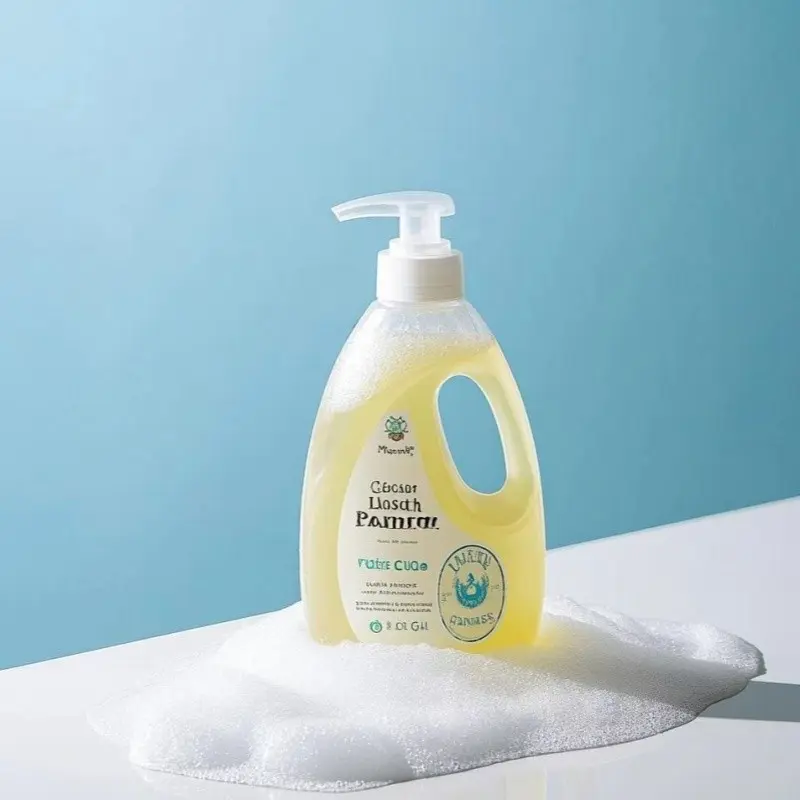
Custom packaging, scent profiles, and active surfactant ratios engineered to meet target regional cost and performance criteria.
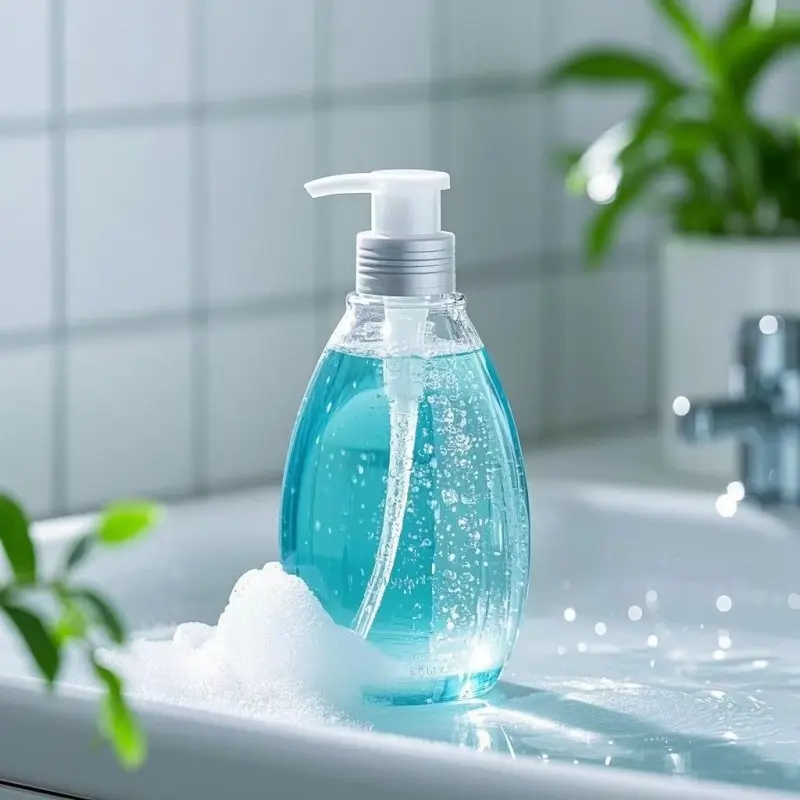
High-efficiency hand soaps designed for office complexes, retail centers, food service operations, and institutional facilities.
Pioneering cleaner chemistry, enzymatic synthesis pathways, and net-zero manufacturing systems for the global market.
The manufacturing process of amino acid-based surfactants is shifting from traditional Schotten-Baumann acylation to enzymatic synthesis. By utilizing specific lipases as biocatalysts, reactants can bind under milder temperatures without solvent chemicals. This reduces energy consumption by up to 35% and eliminates unwanted chemical byproducts. Suzhou Yuantairun Chemical is investing in these biocatalytic pipelines to produce high-purity Cocoyl Glutamates with exceptionally low carbon footprint values.
Additionally, we are exploring upcycled agricultural byproducts as source materials, including oil extracts from spent coconut husks. This circular economy model ensures our ingredients support sustainable, resource-efficient supply chains.
Technical guidance for R&D chemists and global sourcing managers working with amino acid-based surfactant systems.
Connect with our chemical engineers and supply chain specialists to request samples, custom formulations, or commercial volume quotes.
Submit InquiryStay updated on new raw material developments, application research, and surfactant supply chain trends.
Discover a mild anionic surfactant with high active ingredient content and excellent compatibility, engineered to deliver a gentle, refreshing wash feeling.
Read Article →An oil-resistant amino acid surfactant with excellent foaming properties, specifically designed to optimize conditioning and cleansing in shampoo systems.
Read Article →Technical brief on an ester-based skin moisturizer compatible with various oils, offering strong dispersing power and a feather-light skin feel.
Read Article →Complete your sourcing requirements with our selection of cosmetic solvents, thickeners, and preservatives.