
Premium chemical ingredients and functional raw materials engineered for cosmetics, household care, and industrial formulations.
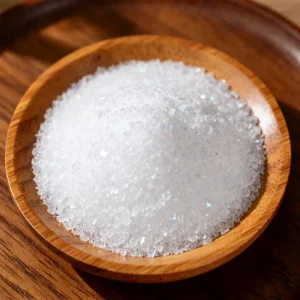
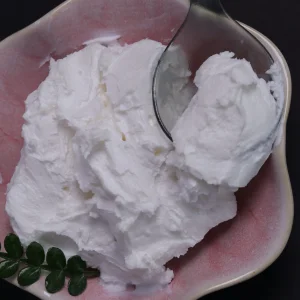
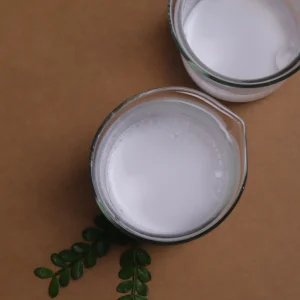
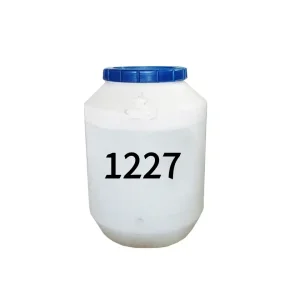
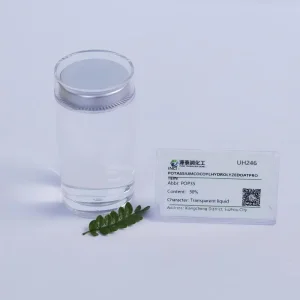
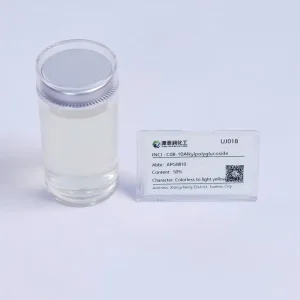
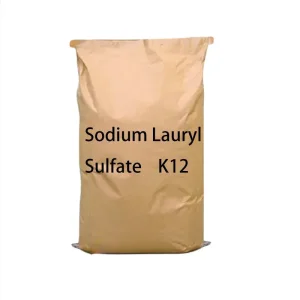
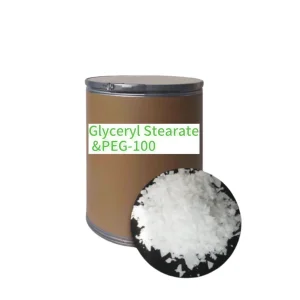
In modern personal care and bio-cosmetic science, Hyaluronic Acid Crosspolymer (also recognized under CAS Registry Numbers and cross-linked polymeric databases) represents a monumental leap from classic hydration matrices. Standard Sodium Hyaluronate molecules, despite their high affinity for water, are fundamentally limited by their linear configuration. Once applied, linear polymers degrade rapidly under metabolic enzymes (hyaluronidase) and shear forces, leading to transient moisturizing effects. Conversely, cross-linked matrices construct a resilient three-dimensional micro-gel network that radically transforms skin surface residence time, barrier mechanics, and active payload delivery.
Through advanced manufacturing techniques (specifically targeting the cross-linking of carboxyl and hydroxyl units via proprietary reagents), our Hyaluronic Acid Crosspolymer creates a breathable, non-occlusive protective film. This structural elastomer network locks in water molecules, minimizes trans-epidermal water loss (TEWL), and serves as an exceptional structural vehicle to deliver other critical water-soluble active compounds directly to the stratum corneum.
Unlocking deep hydration mechanics through engineered cross-linked structures.
Unlike linear chains, the three-dimensional cross-linked grid resists shear degradation. It provides a long-lasting moisturizing barrier that stands up to physical wear and environmental exposure, maintaining optimal hydration levels over extended periods.
The internal voids of the cross-linked gel serve as physical reservoirs for both lipophilic and hydrophilic active ingredients. This enables sustained, controlled release, preventing oxidation and increasing active ingredient bio-availability.
By converting liquid water phases into structural micro-gels, the polymer eliminates the sticky, heavy feel common to high molecular weight linear HA. This results in a smooth, velvet texture with a soft-focus skin finish.
The global trade for advanced humectants is transitioning rapidly toward functional derivatives. As a premier Wholesale Hyaluronic Acid Crosspolymer exporter, Suzhou Yuantairun Chemical Co., Ltd. coordinates batch-to-batch consistency with state-of-the-art analytical testing. Our products undergo rigorous characterization tests, including dynamic viscosity profiling, cross-linking density validation, and low molecular weight residue tests.
We supply global formulation centers across Europe, North America, and Southeast Asia. We ensure our materials match the specific technical regulatory standards of every region, reducing time-to-market for complex cosmetic launches.
Batch Consistency Rating
Global Logistics Coverage

Environmental conditions directly influence skin barrier performance and the efficacy of topical applications. Suzhou Yuantairun Chemical Co., Ltd. optimizes the rheological and mechanical properties of Hyaluronic Acid Crosspolymer to match localized environmental stresses:
In regions experiencing warm, humid summers, consumers demand formulations that feel light and non-greasy. Hyaluronic Acid Crosspolymer forms a weightless, breathable layer that delivers lasting oil control and hydration without clogging pores.
Formulas for colder, drier climates prioritize moisture retention and barrier protection. The 3D cross-linked matrix shields the skin against winter trans-epidermal water loss (TEWL) and maintains deep moisture even in heated indoor environments.
For markets with high sun exposure, we tailor the polymer to stabilize photolabile compounds. By acting as a structural reservoir, it preserves thermal stability and prevents UV-induced degradation of secondary actives.
For B2B formulators, raw material physical properties determine production efficiency. The table below displays the key parameters of YuantaiRun's flagship cosmetic grade cross-linked polymer:
| Property Parameter | Specification Target | Testing Standard Reference |
|---|---|---|
| Appearance | White to light-white powder / Translucent gel block | Visual Inspection |
| pH Value (0.1% aq. solution) | 6.0 – 7.5 | USP / Ph. Eur. Potentiometric |
| Cross-linking Density (%) | High density (Customized range 5% - 25%) | NMR Spectroscopy |
| Water Binding Capacity | ≥ 500g water per gram of dry polymer | Gravimetric Swelling Test |
| Heavy Metals (as Pb) | ≤ 10 ppm | ICP-MS Method |
| Aerobic Plate Count | ≤ 100 CFU/g | Microbiological Filtration Method |
Suzhou Yuantairun Chemical Co., Ltd. excels at integrating key functional raw materials to build robust, scalable cosmetic formulations. Below are the verified industry applications that demonstrate how our material portfolio operates in synergy:
Uses SLES (Sodium Laureth Sulfate) and AOS (Sodium Alpha-Olefin Sulfonate) as core surfactants for superior cleaning and rich foam, combined with thickener CMEA (Cocamide MEA) for optimal viscosity and user experience. Eco-friendly and mild formula, compliant with international standards, reduces skin irritation while maintaining strong cleaning performance.
Features Sodium Cocoyl Glutamate (YG02-95) and Sodium Lauroyl Sarcosinate (LS-100N) for ultra-mild cleansing, ideal for sensitive skin. Natural amino acid-based surfactants produce fine, easy-to-rinse foam while retaining moisture. Certified by ECOCERT, meeting the demand for clean beauty in premium markets.
Utilizes cationic surfactant 1631 70 (Cetrimonium Chloride) for enhanced fabric softness and anti-static properties. Concentrated formula reduces packaging and transportation costs, improving sustainability. Compatible with cold-water washing, supporting energy-efficient laundry practices.
Combines amphoteric CAB-35 (Cocamidopropyl Betaine) and non-ionic APG1214 (Lauryl Glucoside) for rich, low-residue lather. Sulfate-free formula minimizes skin dryness, suitable for children and sensitive skin. Includes thickener Xanthan Gum for improved stability and luxurious texture.
Powered by LAS (Linear Alkylbenzene Sulfonate) and solvent EGDS (Glycol Distearate) for rapid breakdown of tough grease. Enhanced biodegradability with Alkaline Lipase, meeting industrial wastewater regulations. Highly concentrated formula, dilutable for cost-effective use, reducing overall operational expenses.
Cosmetic regulatory landscapes demand strict documentation and traceability. Suzhou Yuantairun Chemical Co., Ltd. ensures all materials meet regional safety policies, including REACH (EU), TSCA (USA), and IECIC (China). Our Hyaluronic Acid Crosspolymer batches undergo rigorous analytical testing to guarantee they are free from standard impurities, heavy metals, and residual monomer contaminants.
Because cross-linked polymers are sensitive to high shear rates, our technical application team recommends adding Hyaluronic Acid Crosspolymer during the cool-down phase of emulsions (below 40°C). Avoid high-shear homogenization after incorporation to preserve the structural integrity of the 3D micro-gel network.
As the personal care industry demands higher performance, Suzhou Yuantairun Chemical is continuously developing new cross-linking systems. Our R&D pipeline focuses on three primary areas:
Developing natural, plant-based cross-linking agents to replace traditional synthetic organic molecules. This ensures complete environmental biodegradation after use without compromising product stability on the shelf.
Combining cross-linked HA with hydrolyzed collagen, functional peptides, and amino acid derivatives. This creates dual-action networks that hydrate the skin while actively supporting natural skin repair mechanisms.
Designing smart polymers that release active ingredients in response to changes in skin temperature, pH, or salt levels. This technology enables highly targeted active delivery to dry or damaged skin barrier zones.
Technical insights and supply chain details for formulation chemists and purchasing managers.
The primary difference lies in the molecular geometry. Standard Sodium Hyaluronate is a linear polymer chain that can be broken down relatively quickly by enzymes and shear stress on the skin. Hyaluronic Acid Crosspolymer features a 3D cross-linked structure that behaves like a micro-sponge. It holds more water, provides long-lasting skin hydration, and creates a physical barrier that resists enzyme breakdown.
The cross-linked structure acts as a thickener and emulsion stabilizer by organizing the water phase into micro-gels. However, formulations containing electrolytes require careful balancing, as high salt levels can screen the polymer's charge and reduce its swelling capacity. We recommend utilizing non-ionic stabilizers alongside the crosspolymer for optimal system stability.
For standard daily moisturizers, eye creams, and essence formulations, the typical recommended concentration is 0.5% to 5.0% of the active gel solution. For concentrated professional treatments or barrier-repair creams, concentrations can be adjusted up to 10.0%, depending on the desired texture and product claims.
Yes. Our bio-fermented chemical raw materials, including surfactant blends and organic acids, are produced under clean conditions that align with Halal, Kosher, and ECOCERT guidelines. We supply complete analytical documentation and compliance certificates for all global export shipments.
We leverage a Just-In-Time delivery model and maintain strategic warehousing partnerships near key international ports. All sensitive cosmetic polymers are packed in secure, moisture-proof containers with temperature-monitored logs. This ensures they arrive at your manufacturing plant in optimal condition.
Yes, we provide custom processing services. We can adjust the cross-linking density and particle size distribution to achieve the precise viscosity, sensory texture, or hydration profile required for your target product line.
High-purity raw materials engineered to optimize consistency and performance across cosmetic and industrial applications.
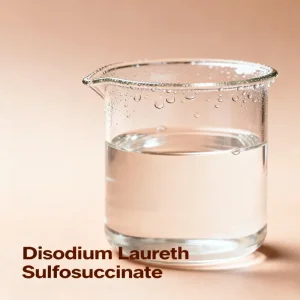
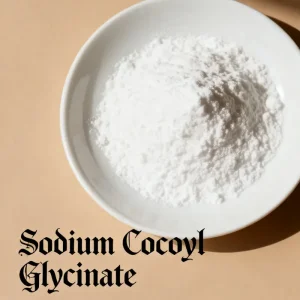
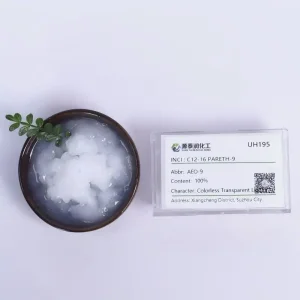
Partner with Suzhou Yuantairun Chemical Co., Ltd. for verified batch consistency, custom R&D support, and streamlined global export logistics.
Submit Technical Inquiry