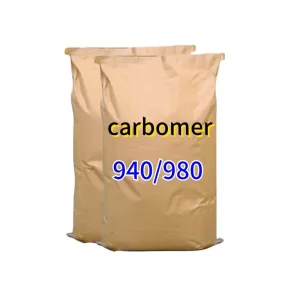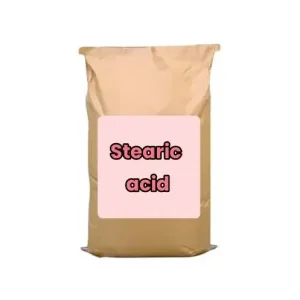
Explore our core selection of high-purity cosmetic raw materials, emulsifiers, and performance additives engineered for global clean beauty standards.
An in-depth chemical and formulation breakdown of non-traditional antimicrobial preservation networks, detailing hurdle technology and synergism.
For decades, parabens served as the gold standard of cosmetic preservation due to their robust broad-spectrum antimicrobial activity, thermal stability, and low cost. However, growing regulatory constraints, combined with consumer demands for clean beauty, have forced global formulators to seeking alternatives. The search for a single, direct drop-in replacement has proven difficult; instead, the industry has transitioned to **Hurdle Technology**.
As a leading Wholesale Paraben-Free Multifunctional Blend Exporter, we have engineered synergistic networks that combine humectants, emollients, and chelating agents to inhibit microbial growth while concurrently providing skin-conditioning benefits. By shifting the perspective of preservation from traditional biocide additions to systemic formulation hurdles, brands can achieve long-lasting stability, comply with global clean beauty requirements, and improve their dermatological profile.
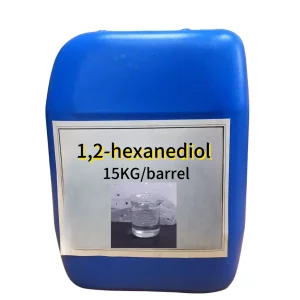
Our blends utilize medium-chain glycols (such as 1,2-Hexanediol and Caprylyl Glycol) that partition into the phospholipid bilayer of microbial cell membranes. This increases permeability, destabilizes structural integrity, and enables secondary active ingredients to quickly penetrate the cytoplasm to arrest metabolic activity.
By binding free water within cosmetic emulsions, our multifunctional polyols effectively lower the formulation's water activity (a_w). The decrease in available unbound water creates an osmotic environment hostile to bacterial replication and fungal sporulation without drying out the skin.
Integrating eco-friendly chelators into the blend starves microorganisms of essential trace metal ions (specifically Fe3+ and Mg2+) necessary for cellular respiration and biofilm maintenance. This synergy significantly reduces the Minimum Inhibitory Concentration (MIC) of the organic phase.
Modern multifunctional blends typically employ a carrier matrix of medium-chain diols combined with organic acids or aromatic alcohols. This multi-pronged chemical approach ensures efficacy against Gram-positive bacteria, Gram-negative bacteria, yeast, and mold. For example, pairing 1,2-Hexanediol with Phenoxyethanol or organic acids like **Anisic Acid** allows formulators to cover biological pathways that single molecules cannot address.
Furthermore, these blends serve double-duty as wetness-retaining humectants and slip-enhancing sensory modifiers. This allows cosmetic brands to eliminate traditional preservatives from their ingredient lists (e.g. formulating "preservative-free" claims under INCI listings for functional humectants), minimizing regulatory scrutiny while enhancing dermal tolerance and lowering skin irritation indices.
A strategic projection of biosynthetic raw materials, green extraction methods, and next-generation preservation methods driving the next decade of formulation science.
The cosmetic industry is moving away from petroleum-derived diols. Suzhou Yuantairun Chemical Co., Ltd. is scaling up the synthesis of bio-based 1,2-Hexanediol and bio-Caprylyl Glycol derived from renewable corn cob starch and coconut fatty acids, reducing carbon footprint by up to 45% compared to synthetic routes.
Utilizing high-throughput screening and AI-driven molecular docking models, our R&D team analyzes compound interactions. This allows us to predict the optimal ratios of antimicrobial lipids, natural organic acids, and chelating systems to match target pH levels, dramatically shortening custom formulation cycles.
Future preservative systems must protect the product in its package without disrupting the skin's natural microbiome balance upon application. Our upcoming line of multifunctional blends focuses on selective antimicrobial action, targeting pathogenic strains (such as S. aureus and C. acnes) while preserving commensal S. epidermidis.
To maximize the efficacy of paraben-free multifunctional blends, it is recommended to introduce the mixture during the cooling phase (temperatures below 45°C) of emulsion manufacturing. This preserves the structural integrity of temperature-sensitive organic acids and prevents the volatilization of medium-chain diols, ensuring uniform dispersion across both the aqueous and lipid phases.
We tailor our functional chemical technologies to address specific production scenarios, balancing stability, viscosity, and sensory aesthetics.
Application: Personal Care (Shampoos, Shower Gels, Baby Wash)
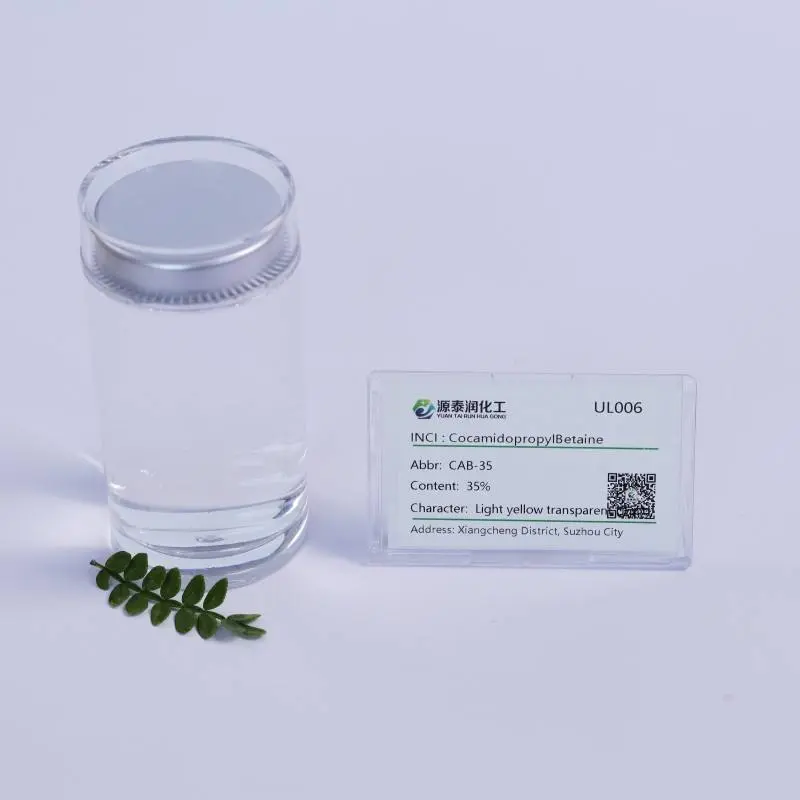
Challenge: Traditional surfactants like SLES and Cocamidopropyl Betaine (CAB-35) can interact with lipophilic preservatives, causing turbidity or reducing viscosity.
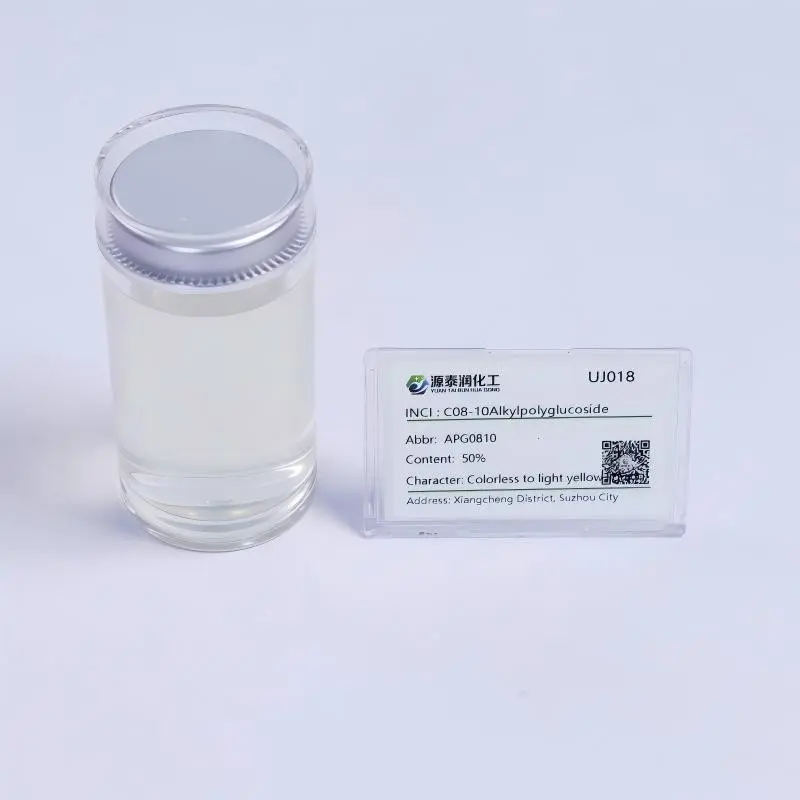
Our Solution: Blends optimized with non-ionic alkyl glucosides (APG0810/APG1214) and mild amino acid surfactants (Sodium Lauroyl Glycinate) that maintain perfect clarity, steady foam volume, and robust preservation at pH 5.5.
Application: Home Care (Concentrated Laundry Detergents, Fabric Softeners)
Challenge: Retaining preservation efficiency in high dilution ratios, preventing bacterial growth in bulk packaging dispensers.
Our Solution: Combining biodegradable anionic systems (LAS/AOS) with chelators like EDTA Disodium and synergistic diols to ensure long-term stability, cold-water compatibility, and low skin irritation indices.
Application: Leave-On Cosmetics (Moisturizers, Anti-Aging Serums, Foundations)
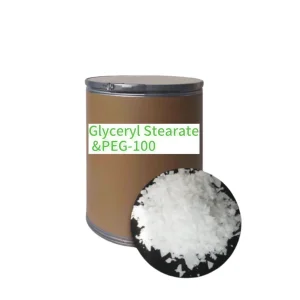
Details: Demands sophisticated sensory profiles, excellent skin affinity, and broad-spectrum antimicrobial defense. By leveraging Glyceryl Stearate & PEG-100 Stearate (GMS-165) as the emulsifier framework, and incorporating Provitamin B5 D-Panthenol 98% alongside our paraben-free multifunctional diol blends, we create creams that protect themselves from contamination while delivering a soft, non-greasy application feel.
How Suzhou Yuantairun Chemical Co., Ltd. integrates smart manufacturing, automated batching, and global logistics to safeguard your raw material pipeline.
Suzhou Yuantairun Chemical Co., Ltd. operates a state-of-the-art chemical synthesis facility utilizing DCS (Distributed Control Systems) to monitor temperature, pressure, and feeding rates in real-time. This ensures that every batch of multifunctional blends, surfactants, and conditioning polymers meets rigorous specifications.
By integrating our local production capacity with strategic raw material sourcing, we buffer global customers against geopolitical instability, energy crises, and maritime freight volatility. Our factory's localization within China's chemical manufacturing clusters ensures raw materials like ethylene oxide derivatives, diols, and fatty acids are sourced immediately next door, lowering primary production costs and passing those savings directly to international buyers.
Navigating global regulatory networks to guarantee smooth customs clearance, product registration, and compliance across all major consumer markets.
All ingredients in our paraben-free multifunctional blends are registered under EU REACH, US FDA, and China's IECIC (Inventory of Existing Cosmetic Ingredients in China) databases, assuring worry-free entry into global markets.
We provide full toxicological files, including HRIPT (Human Repeat Insult Patch Test) data, Ames tests, and ocular irritation evaluations (HET-CAM) to satisfy domestic and international safety assessment standards.
Our dedicated regulatory department handles all export documentations: MSDS/SDS in multiple languages, Certificates of Analysis (COA), Kosher/Halal certifications, and certificates of origin for tariff reductions.
Understanding the unique requirements of chemical purchasing managers, R&D directors, and supply chain officers globally.
Automated crystallization and distillation setups eliminate olfactory differences and color impurities, protecting sensory integrity in fragrance-free formulas.
From pilot tests using 25kg drums to large-scale operations utilizing 1-ton IBC totes, we support growth phases of all sizes.
Our laboratory works closely with your chemists to create customized, pre-blended functional solutions based on your target pH and surfactant parameters.
We trace our raw material feedstocks back to sustainable suppliers, offering green certifications to support your brand's carbon-neutral declarations.
Expert answers to commonly encountered formulation challenges, stability inquiries, and regulatory concerns regarding multifunctional alternative preservatives.
Our top-performing specialty chemicals and high-demand surfactants utilized in premium cosmetics and industrial detergent formulations.
Keep up with YuantaiRun's research findings, formulation breakthroughs, and our branded raw materials.
Discover how to enhance your formula with a gentle, refreshing wash feeling using our premium sodium cocoyl isethionate.
Perfectly engineered for mild facial cleansers and shampoos requiring rich, creamy lather even in greasy hair conditions.
Explore a lightweight skin moisturizer compatible with various ester oils and featuring high dispersing power for makeup pigments.
Contact our technical sales team for comprehensive COA, MSDS, formulation guide recipes, and sample requests. We ship globally with flexible shipping options.
Inquire Now