Pioneering green formulations with high-purity, ecological surfactants designed for modern personal and home care products.
In the rapidly evolving landscape of global chemical raw materials, the transition from conventional ethoxylated compounds (PEG-based) to PEG-free nonionic surfactants represents a profound shift driven by toxicology, regulatory mandates, and sustainability indices. Traditional Polyethylene Glycol (PEG) derivatives rely on the polymerization of ethylene oxide. While highly functional, this route carries the risk of residual trace impurities of 1,4-dioxane—a suspected human carcinogen highly monitored by regional environmental Protection Agencies (EPA) and European Chemicals Agency (ECHA).
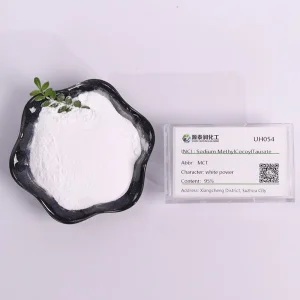
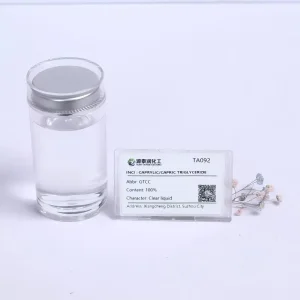
As elite wholesale PEG-free nonionic surfactant suppliers and exporters, Suzhou Yuantairun Chemical Co., Ltd. addresses this paradigm by offering structurally stable, bio-derived, and performance-equivalent options. These nonionic surfactants do not contain ethoxylated linkages. Instead, they derive their hydrophilic properties from carbohydrate structures (such as glucose in Alkyl Polyglucosides) or polyols (such as glycerin in Polyglyceryl Esters, or sorbitol in Sorbitan Esters).
Unlike anionic surfactants that carry a negative charge in aqueous solution, nonionic alternatives carry no charge. This lack of charge makes them remarkably stable in hard water conditions, highly compatible with diverse ionic species, and exceptionally gentle on skin and hair membranes. By eliminating ethylene oxide from the manufacturing loop, formulation chemists can create cosmetics, detergents, and industrial solutions that confidently pass ECOCERT, COSMOS, and clean label criteria.
The research roadmap for eco-friendly surfactants centers around lowering the Critical Micelle Concentration (CMC) and optimizing the Hydrophilic-Lipophilic Balance (HLB) range to matches the specific emulsification requirements of cosmetic oils.
Traditional industrial production of polyglyceryl or sorbitan esters occurs at high temperatures (200°C to 260°C) under acid or alkaline catalysis, which can sometimes lead to undesirable by-products or discoloration. The future roadmap highlights low-temperature enzymatic esterification. Using immobilized lipases, manufacturers can synthesize highly pure esters with precise mono-ester contents, improving foaming profiles and lowering skin sensitization indexes.
Future raw material supply chains will prioritize non-food agricultural waste. Deriving glucose from wheat straw husk or cellulose, and fatty acids from spent coffee grounds or microalgae lipids represents the next frontier in lowering Scope 3 carbon emissions for global consumer package goods (CPG) companies.
PEG-free surfactants are no longer boutique niche options; they are core building blocks deployed across macro-scale consumer and industrial sectors. Here is how these surfactant networks are integrated:
Suzhou Yuantairun Chemical Co., Ltd. is dedicated to delivering high-quality products and comprehensive one-stop services to support our customers in R&D, production, and supply chain optimization. Our mission is to drive innovation and efficiency in the global daily chemical industry by providing cutting-edge solutions tailored to our clients' needs. We assure you that our products originate from well-managed and sustainable resources.

Provide a rich and diverse portfolio of surfactants, thickeners, active ingredients, and preservatives under one single procurement channel.
Offering professional ODM and OEM customized formulations, optimizing synergy levels, and performing thorough stability testing.
Our materials are superior in quality and reasonable in price, allowing global brands to scale without prohibitive cost barriers.
Ensuring raw materials and finished products are delivered exactly when needed in the manufacturing and blending processes.
At Suzhou Yuantairun Chemical Co., Ltd., we leverage the industrial strengths of China’s advanced chemical manufacturing clusters to deliver raw materials globally. By integrating Factory 4.0 protocols into our production facilities, we maintain strict quality control while optimizing operating costs.
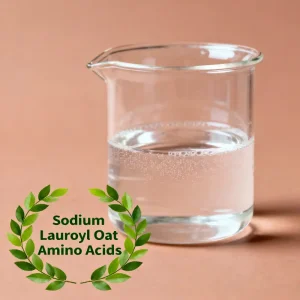
Our automated alkoxylation and esterification units utilize DCS (Distributed Control Systems) to monitor reactant flows, pressure boundaries, and heat parameters in real-time. This high level of process control ensures that every batch of Caprylyl/Capryl Glucoside or Sodium Lauroyl Oat Amino Acids matches the performance profiles of previous shipments, eliminating batch-to-batch variability for automated bottling lines.
The production of PEG-free surfactants relies heavily on natural lipids, primarily coconut oil, palm kernel oil, and corn-derived glucose. Our manufacturing network maintains direct agreements with RSPO-certified palm estates and domestic corn-starch refining centers. This diversified raw material intake buffers our operations from localized harvest failures or regional logistical gridlocks, guaranteeing an uninterrupted supply chain.
Tailored chemical solutions optimized to improve performance, enhance mildness, and meet strict global environmental regulations.
Uses SLES and AOS as core active surfactants for high detergency and dense foam volume, combined with CMEA for viscosity control and a stable, mild profile.
Features Sodium Cocoyl Glutamate and Sodium Lauroyl Sarcosinate to deliver dense, luxurious, and easy-to-rinse foam ideal for sensitive skin profiles.
Driven by high-concentration LAS and alkyl polyglucosides to penetrate, emulsify, and disperse heavy hydrocarbon grease on hard machinery surfaces.
Navigating the complex regulatory requirements of international chemical imports demands deep regulatory knowledge and precise documentation. Suzhou Yuantairun Chemical ensures seamless international shipments through active regulatory management.
Our wholesale export batches are fully registered and compliant with EU REACH, US TSCA, China IECIC, and Korea K-REACH. We provide comprehensive Safety Data Sheets (SDS) formatted to the Globally Harmonized System (GHS) in over 15 languages, detailing environmental classifications and handling protocols.
To support our partners in achieving natural labels (such as Clean Beauty, NPA, and COSMOS), we provide complete raw material documentation, including:
Our R&D team optimizes surfactant systems for specific target applications to help brands achieve high efficiency.
Tailored to specific target markets: retail, hospitality, salons, or therapeutic care. Offers variable active levels, customized viscosity, and flexible packaging sizes.
Concentrated and ultra-concentrated formulations optimized for cold water wash cycles, customized fragrance profiles, and specialized fabric protection additives.
High-foaming, easy-rinse hand cleansers developed for commercial office buildings, restaurant chains, schools, and high-traffic public facilities.
Expert formulations insights and chemical engineering answers for sourcing managers and R&D chemists.
PEG-free nonionic surfactants, such as polyglyceryl esters and alkyl polyglucosides (APGs), exhibit excellent thermal and chemical stability. They do not undergo oxidative degradation to form aldehydes or peroxides under high temperature or UV exposure—a common issue with ethoxylated (PEG) chains. Furthermore, their nonionic structure ensures they remain stable and perform consistently in high-salinity and hard-water conditions.
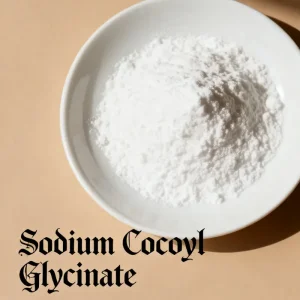
Yes, APGs like Coco-Glucoside or Lauryl Glucoside are excellent mild alternatives. While APGs produce a slightly different foam structure (often denser and tighter), combining them with amphoteric surfactants like Cocamidopropyl Betaine (CAB-35) or amino acid-based foaming agents (such as Sodium Cocoyl Glycinate) creates a gentle cleanser with low eye irritation and excellent foaming properties.
Traditional sulfate-based cleansers build viscosity using simple electrolytes like Sodium Chloride. In sulfate-free, PEG-free systems, chemists can build viscosity using natural gums (such as Xanthan Gum or Carrageenan), carbohydrate-derived thickeners (like Methyl Glucose Dioleate), or by optimizing the ratio of nonionic surfactants and amphoteric co-surfactants to create dense, worm-like micelle networks.
1,4-Dioxane is a byproduct formed during the ethoxylation process of raw materials (such as SLES or PEG derivatives). It is not used as an ingredient but remains as a trace impurity. Using PEG-free surfactants made through direct esterification or glycosidation completely avoids this synthesis route, guaranteeing 0% 1,4-Dioxane content in the final formulation.
Stay informed on the latest trends in global green chemistry, regulatory updates, and surfactant technology.
Explore how the high-purity Sodium Cocoyl Isethionate (SCI 85%) offers formulation flexibility, dense foam profiles, and a gentle skin feel in solid cleanser formats.
An in-depth analysis of how Sodium Cocoyl Alaninate maintains foaming performance in the presence of conditioning silicone oils, ideal for premium shampoos.
Reviewing the spreading properties and emollient profiles of Cetyl Ethylhexanoate in cosmetic creams, face oils, and make-up removers.
High-efficiency thickeners, mild amphoteric surfactants, and skin emollients manufactured to international standards.