Explore our core portfolio of daily chemical surfactants, thickeners, and functional cosmetic materials.
Understanding the molecular properties of CAS NO.: 41489-18-3 in modern cosmetic science.
Sodium Lauroyl Aspartate 30% Liquid represents an advanced technological breakthrough in natural surfactant chemistry. Synthesized via the acylation of the natural amino acid, L-aspartic acid, with plant-derived lauric acid chloride, this surfactant possesses a unique chemical structure. Unlike conventional anionic surfactants like SLS or SLES which contain sulfate ester linkages, Sodium Lauroyl Aspartate utilizes stable amide bonds linked directly to a dicarboxylic amino acid backbone. This structurally dictates its extremely low irritation profile, superior moisturizing capabilities, and skin-compatibility.
At a 30% concentration in aqueous liquid form, it achieves an optimal balance between low viscosity for ease of processing and high active matter concentration. The presence of two carboxyl groups in the aspartic acid polar head provides excellent calcium and magnesium ion stability, preventing the precipitation commonly observed with traditional soap bases in hard water conditions. When formulated, this surfactant forms highly structured, micro-fine micelles. These micelles exhibit a high Critical Micelle Concentration (CMC) compared to ethoxylated surfactants, ensuring that free surfactant monomer concentration is kept below the threshold of skin irritation. This fundamentally preserves the integrity of the stratum corneum lipids and prevents transepidermal water loss (TEWL).
| Specification Parameter | Typical Value / Standard | Analytical Method / Test Standard |
|---|---|---|
| Chemical Name | L-Aspartic acid, N-(1-oxododecyl)-, sodium salt (1:1) | IUPAC Nomenclature |
| CAS Registry Number | 41489-18-3 | Global Chemical Index |
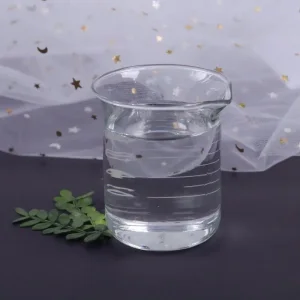
| Appearance (25°C) | Clear to light yellow transparent liquid | Visual Inspection |
| Active Content (%) | 30.0% ± 2.0% | Gravimetric / HPLC Analysis |
| pH Value (10% aqueous solution) | 6.0 - 7.5 | pH Potentiometry |
| Free Fatty Acids (%) | ≤ 2.0% | Acid-base titration |
| Sodium Chloride Content (%) | ≤ 4.0% | Silver Nitrate Argentometry |
How global regulations and clean beauty demands are driving the adoption of amino acid surfactants.
The global personal care surfactant market is undergoing a structural transition. Consumer demand for "clean beauty," "sulfate-free," and "microbiome-friendly" products has moved from niche segments into mainstream retail. Industrial chemical buyers and formulation engineers are actively replacing legacy anionic surfactants due to mounting clinical evidence regarding skin dryness and systemic sensitization associated with sulfates, alongside increasing regulatory pressure (such as the European Chemical Agency's REACH guidelines and the FDA's scrutiny on 1,4-Dioxane contamination in ethoxylated raw materials).
In this landscape, CAS NO.: 41489-18-3 serves as a primary solution. It meets the rigorous eco-label criteria established by ECOCERT, COSMOS, and NPA. Structurally biodegrades rapidly without generating persistent ecotoxic residues, making it highly compatible with global corporate sustainability goals. Additionally, the global market for luxury and sensitive-skin products—ranging from baby shampoos and micellar cleansers to premium clinical body washes—has experienced a CAGR of over 8.5% over the past five years. Formulators rely heavily on Sodium Lauroyl Aspartate 30% Liquid to achieve a dense, creamy foam volume comparable to sulfates, but without any associated skin barrier disruption.
Ensuring global supply chain security through highly integrated, eco-efficient production.
As a leading supplier based in Suzhou, China, Suzhou Yuantairun Chemical Co., Ltd. leverages a highly sophisticated local industrial ecosystem. Our production facilities integrate raw material sourcing directly from upstream palm and vegetable oil processing hubs. This direct access minimizes logistic costs and guarantees the sustainability tracking of our lauric acid precursor supply chain. Our state-of-the-art chemical synthesis reactors are equipped with automated continuous-flow technology, which prevents batch-to-batch variance in active content, pH levels, and byproduct control.
By implementing real-time process analytics, we successfully minimize the presence of free fatty acids and inorganic salts (NaCl), which are common impurities in lesser-quality amino acid surfactants that typically cause formulation instability or undesirable cloudiness. Furthermore, our geographical proximity to major shipping ports (such as Shanghai Port) enables rapid transition from synthesis to global shipment. We guarantee a seamless, just-in-time delivery infrastructure, providing complete documentation packs including REACH registration, SDS, COA, and Kosher/Halal certifications.
Translating chemical functionality into consumer-demanded product characteristics.
Designed for tear-free shampoos and gentle baby body washes. Offers low eye-irritation indexes and zero lipid stripping.
Provides a dense, rich cream structure that washes clean without leaving a tight, dry residue. Matches the natural skin pH of 5.5.
Stabilizes active dermatological ingredients, ensuring compatibility with salicylic acid, niacinamide, and prebiotic factors.
One of the persistent challenges faced by cosmetic formulators when working with amino acid surfactants is achieving adequate viscosity (thickening) while maintaining formula stability. Pure amino acid systems do not respond to simple salt-thickening (NaCl) in the way SLES-based systems do. However, Sodium Lauroyl Aspartate 30% Liquid exhibits exceptional synergy when combined with specific co-surfactants and polymers.
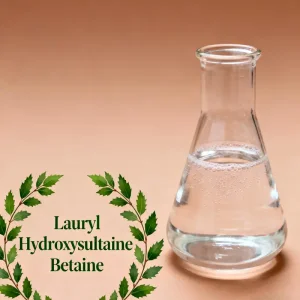
By blending CAS 41489-18-3 with amphoteric agents such as Lauryl Hydroxysultaine or non-ionic thickeners like PEG-120 Methyl Glucose Dioleate, formulators can easily construct stable, high-viscosity formulations. This synergistic interaction facilitates the transition from spherical micelles to rod-like micelles, which effectively increases the viscosity of the formulation. For clear systems, incorporating natural thickeners like Xanthan Gum or synthetic thickeners such as Hydroxyethyl Acrylate/Sodium Acryloyldimethyl Taurate Copolymer creates crystal-clear, rheologically stable gels even at low temperatures.
How we apply advanced surfactants across diverse consumer and industrial product categories.
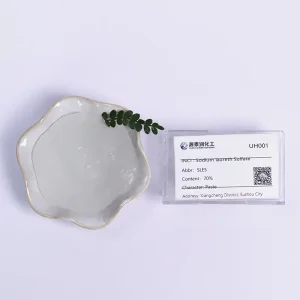
Uses SLES (Sodium Laureth Sulfate) and AOS (Sodium Alpha-Olefin Sulfonate) as core surfactants for superior cleaning and rich foam. Combined with thickener CMEA (Cocamide MEA) for optimal viscosity. Eco-friendly and mild formula, compliant with international standards.
Features Sodium Cocoyl Glutamate and Sodium Lauroyl Sarcosinate for ultra-mild cleansing, ideal for sensitive skin. Natural amino acid-based surfactants produce fine, easy-to-rinse foam while retaining moisture. Certified by ECOCERT.
Utilizes cationic surfactant 1631 70 (Cetrimonium Chloride) for enhanced fabric softness and anti-static properties. Concentrated formula reduces packaging and transportation costs. Compatible with cold-water washing.
Combines amphoteric CAB-35 (Cocamidopropyl Betaine) and non-ionic APG1214 (Lauryl Glucoside) for rich, low-residue lather. Sulfate-free formula minimizes skin dryness. Includes thickener Xanthan Gum for stability.
Powered by LAS (Linear Alkylbenzene Sulfonate) and solvent EGDS (Glycol Distearate) for rapid breakdown of tough grease. Enhanced biodegradability with Alkaline Lipase. Highly concentrated formula, dilutable for cost-effective use.
Best practices for industrial buyers procuring Sodium Lauroyl Aspartate (CAS 41489-18-3).
For international buyers and procurement heads, sourcing raw cosmetic ingredients requires strict adherence to quality parameters, storage instructions, and transportation compliance. Sodium Lauroyl Aspartate 30% Liquid is classified as a non-hazardous chemical substance under international shipping codes, which simplifies transit logistics and customs clearance. However, because it is an amino acid derivative, specific environmental conditions must be maintained during sea shipping and warehouse storage.
We recommend storing the product in original sealed polyethylene drums or IBC containers at temperatures between 5°C and 35°C. Exposure to extreme cold below 0°C can cause temporary crystallization or separation, which can be reversed by gentle heating and agitation without affecting chemical efficacy. Exposure to direct sunlight or temperatures above 40°C for extended periods should be avoided to prevent hydrolysis of the amide bond and increase in free fatty acid content, which alters the pH. Suzhou Yuantairun Chemical Co., Ltd. provides real-time container tracking, temperature-controlled shipping options, and rapid port dispatch to ensure minimal exposure during transit.
Answering technical, regulatory, and procurement questions from formulation chemists and buyers.
Request tech data sheets (TDS), safety data sheets (SDS), or order sample batches of our premium Sodium Lauroyl Aspartate 30% Liquid directly from our Suzhou factory.
Request Quotation & SamplesDirect supply from our ISO-certified facilities for international export.