Cationic Surfactant Supplier & Factory in the Belgium Market

Advanced Ethoxylation, High-Affinity Conditioning Polymers, and REACH-Compliant Quaternary Ammonium Systems for European Formulators

Belgium Market Primary Surfactants

High-purity amphoteric, nonionic, and specialty anionic co-surfactants configured for optimal synergies with cationic systems in cosmetic and industrial applications.
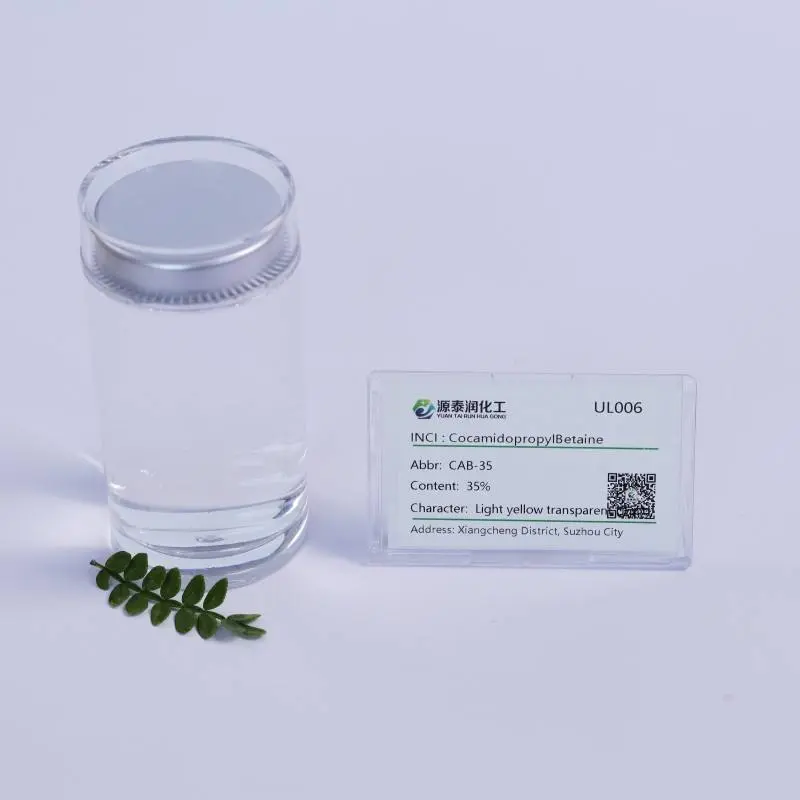
Cocamidopropyl Betaine 35% CAB-35 Belgium Supply

Cocamidopropyl Betaine 35% CAB-35 Cosmetic Grade Amphoteric Surfactant Foaming Agent for Personal Care Product CAS NO.: 61789-40-0

View Details
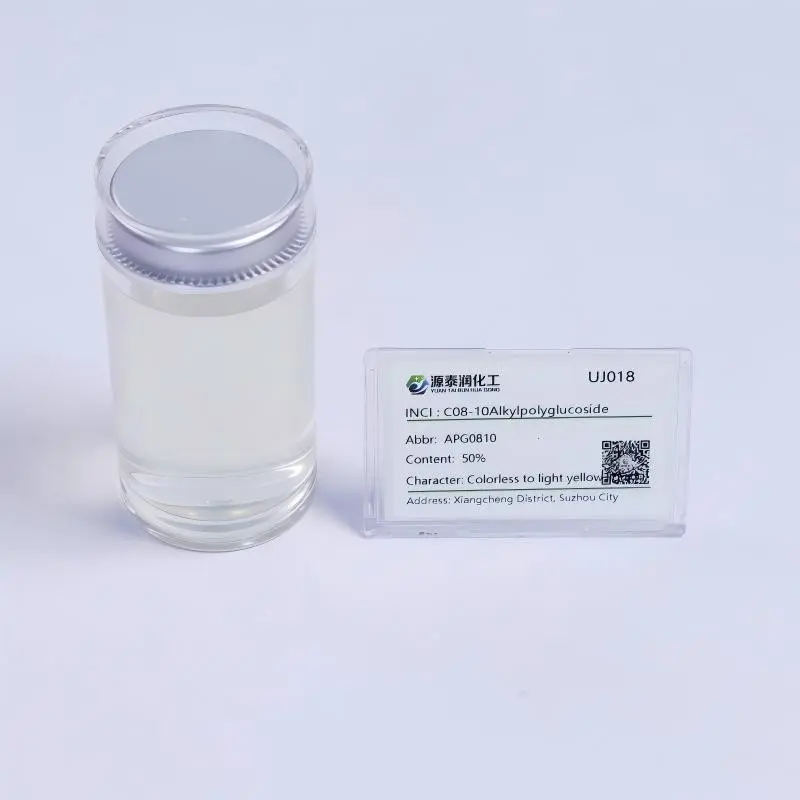
Caprylyl/Capryl Glucoside Liquid APG0810 Belgium Distribution

APG0810 Caprylyl/Capryl Glucoside Liquid 50% C8-10 Alkyl Glycosides Nonionic Surfactant Foaming & Thickening Agent for Personal Care & Home Care products CAS NO.: 68515-73-1

View Details
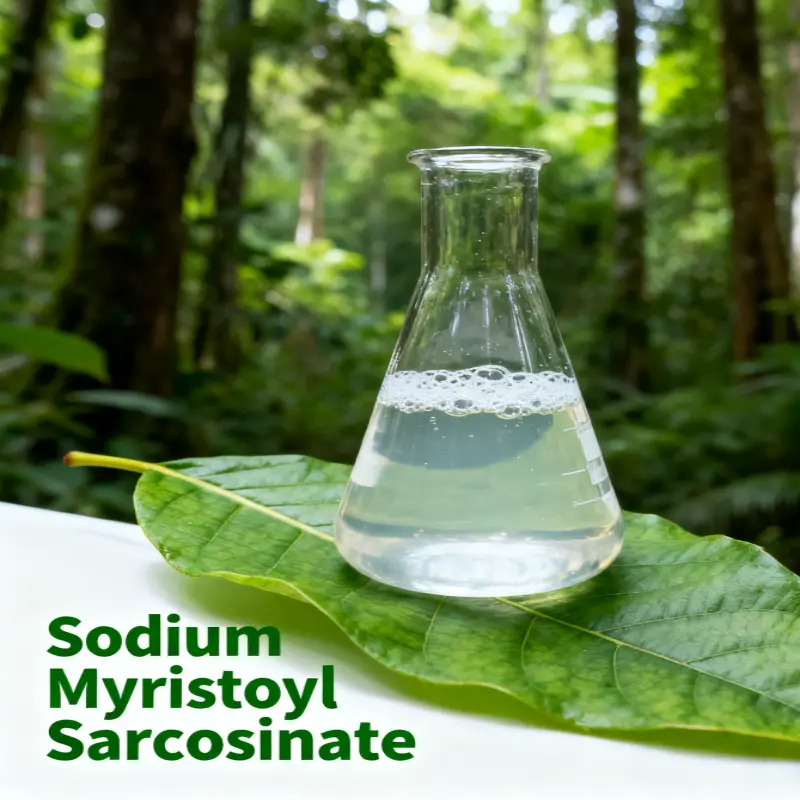
Sodium Myristoyl Sarcosinate Belgium Logistics

Sodium Myristoyl Sarcosinate 30% Liquid No Preservative Amino Acid Surfactant Degreasing and Foaming Agent for Personal Care Product CAS NO.: 30364-51-3

View Details
Disodium Lauryl Sulfosuccinate Powder 95% Europe

Disodium Lauryl Sulfosuccinate Powder 95% Mild Succinic Acid Monoester Anionic Surfactant for Facial Cleanser Personal Care Product CAS: 13192-12-6

View Details

1. The Belgian Specialty Chemicals Cluster & Strategic Value Chain

Belgium sits at the geographic and logistical heart of the European chemical industry. As the second largest chemical cluster globally by sales per capita, the Antwerp-Rotterdam-Rhine-Ruhr Area (ARRRA) serves as a primary hub for chemical processing, storage, and distribution. Within this mature industrial ecosystem, cationic surfactants play an indispensable role in modifying interfaces across textile finishing, personal care cosmetics, agrochemical formulations, and biocidal sanitizers.

Industrial procurement in Belgium requires a distinct understanding of local manufacturing drivers. Manufacturers in Flanders and Wallonia demand raw materials that satisfy stringent carbon footprint parameters, zero-defect quality management, and immediate compliance with European Chemicals Agency (ECHA) directives. By bridging world-class synthesis facilities with dedicated regional logistics, Suzhou Yuantairun Chemical Co., Ltd. supplies high-performance surface chemistry solutions engineered for the specific performance thresholds of Belgian formulation plants.

2010
Founded In
7000+
Cooperative Partners
100%
REACH & BPR Compliant

2. Physical Chemistry & Technical Mechanisms of Cationic Surfactants

Cationic surfactants are characterized by a positively charged head group (typically a quaternary nitrogen atom) attached to one or more lipophilic alkyl chains. Unlike anionic surfactants, which are utilized for dirt suspension and high foaming, cationic species exhibit a strong affinity for negatively charged surfaces, including hair keratin, cellulosic textile fibers, microbial cell walls, and metallic oxides.

When dissolved in water, these surfactants undergo self-assembly at the Critical Micelle Concentration (CMC). The adsorption of cationic monomers onto solid surfaces results in the formation of a monolayer or bilayer. This deposition neutralizes negative surface charges (reducing the zeta potential) and exposes the hydrophobic tail groups. This molecular orientation provides key performance properties:

  • Lubrication and Slip: Reduces the friction coefficient of fibers, providing conditioning and softening.
  • Antistatic Behavior: Dissipates static electricity by forming a conductive moisture film on non-conductive substrates.
  • Microbial Disruption: Cell wall adsorption of alkyl dimethyl benzyl ammonium chlorides (like BKC/DDBAC CAS 139-07-1) penetrates lipid bilayers, causing cell lysis and sterilization.

3. Key Applications in the Belgian Industrial Sector

Premium Personal Care

In hair care formulation, cationic polymers such as Polyquaternium-10 and Polyquaternium-7 deposit evenly on damaged hair shafts. This helps reconstruct the protective outer lipid barrier, reducing wet-comb damage and improving shine.

Fabric & Textile Conditioning

Esterquats and alkyl quaternary ammonium chlorides are widely formulated in concentrated fabric softeners across Belgian laundry brands, enhancing fiber elasticity and moisture transport properties.

Biocidal Sanitization

For industrial sanitization and veterinary hygiene within Belgium’s intensive agricultural sector, BKC (CAS 139-07-1) provides highly effective bactericidal and algaecidal action in hard water environments.

Synergy Highlight: Cationic-Anionic Complexation Control

Historically, formulating cationic conditioners within anionic cleansing bases (such as shampoos or body washes) was avoided due to the formation of insoluble coacervates. Today, modern chemical techniques utilize amphoteric surfactants (e.g., Cocamidopropyl Betaine) and nonionic alkyl polyglucosides (e.g., APG0810) as stabilizing agents. This allows for stable formulations with improved deposition performance.

4. Technical Performance Matrix of Surfactants & Intermediates

Chemical Designation CAS Number Primary Classification Key Parameter (Active %) Industrial Application
Dodecyl Dimethyl Benzyl Ammonium Chloride 139-07-1 Cationic Surfactant 50% / 80% Liquid Antiseptic, Water Treatment, Biocidal Cleanser
Polyquaternium-7 26590-05-6 Cationic Polymer 10% Aqueous Solution Hair conditioning, Foam enhancement
Polyquaternium-10 68610-92-4 Cationic Polymer Powder Anti-static shampoo thickener, skin moisturizer
Cocamide DEA 68603-42-9 Nonionic / Thickener 6501 Viscous Liquid Synergistic viscosity builder in shampoos & soaps

5. Strategic Solutions & Factory Capabilities

Suzhou Yuantairun Chemical Co., Ltd. operates state-of-the-art ethoxylation, amidation, and quaternization reactors. Our production lines are designed to provide consistent batch performance. Through precise control over raw material alkoxylation and free amine content, we ensure that our surfactants meet the rigorous quality standards of the European market.

We provide comprehensive OEM/ODM services, custom packaging, and tail-end formulation support. Our R&D team works closely with partner laboratories to optimize surfactants for key performance features, including viscosity build profiles, skin compatibility, and bio-degradability metrics.

Complete Surfactant Portfolio for the European Market

High-purity raw materials and conditioning polymers suited for home care, personal care, and industrial cleaners.
Wholesale Cocamide DEA Cas 68603-42-9 Belgium

Wholesale Hot Sale Cas 68603-42-9 Cocamide DEA Cocamide Diethanolamine CDEA 6501 Thickener Personal Home Care Shampoo Hair Care Chemicals Supplier, Factories

View Details
Coconut Methyl Monoethanolamide CMMEA CAS 866889-75-0

Wholesale Coconut Methyl Monoethanolamide CMMEA 86% Cocamide Methyl MEA Thickener for Personal Care Product CAS 866889-75-0 Suppliers, Exporters

View Details
High-Quality PEG-150M Amino Acid Thickener CAS 130249-48-8

High-Quality PEG-150M Amino Acid Water-based Thickener Pentaerythritol Tetrastearate PPG-2 Hydroxyethyl Cocamide Thickener CAS 130249-48-8 Factory, Factories

View Details
Dodecyl Dimethyl Benzyl Ammonium Chloride BKC 1227

High-Quality Dodecyl Dimethyl Benzyl Ammonium Chloride 1227 /DDBAC/BKC CAS 139-07-1 Suppliers, Exporters

View Details
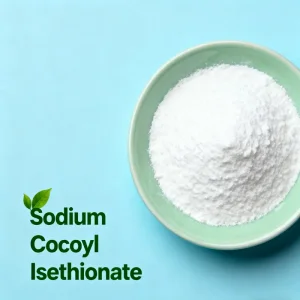
Sodium Cocoyl Isethionate SCI 85% Powder

Wholesale Sodium Cocoyl Isethionate 85% Powder SCI 85% Mild Anionic Surfactant for Personal Care Product CAS: 61789-32-0 Supplier, Exporter

View Details
Polyquaternium-7 Conditioner Cas 26590-05-6

High-Quality Cationic Polymer Polyquaternium-7 Conditioner for Personal Care Product Cas 26590-05-6 Factory, Exporter

View Details
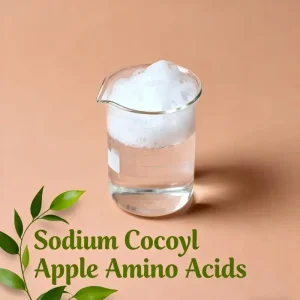
Sodium Cocoyl Apple Amino Acids Liquid

Wholesale Cosmetic Grade Sodium Cocoyl Apple Amino Acids 30%/50% Liquid Amino Acid Surfactant & Foaming Agent & Conditioner for Personal Care & Home Care Product CAS NO.: 68188-38-5 Supplier, Exporter

View Details
Sodium Lauroyl Sarcosinate 95% Powder CAS 137-16-6

Wholesale Cosmetic Grade Sodium Lauroyl Sarcosinate 95% Powder Amino Acid Surfactant & Foaming Agent for Personal Care Product CAS No.: 137-16-6 Supplier, Factory

View Details

6. Regulatory Compliance: REACH, BPR, and ECHA Oversight in Belgium

Operating in the Belgian market requires strict compliance with ECHA regulations. Cationic compounds, especially quaternary ammonium biocides, are closely monitored under both REACH (Registration, Evaluation, Authorisation, and Restriction of Chemicals) and the Biocidal Products Regulation (BPR, Regulation (EU) 528/2012).

Our raw material portfolio is designed to help local manufacturers meet these regulatory requirements:

  • ECHA Registration Dossiers: We provide full analytical data, including NMR/GC-MS characterization, to assist customers in registering their final formulations.
  • Biodegradability and Eco-toxicity Profiles: We monitor biodegradation rates (OECD 301 test series) to ensure compliance with the EU Detergents Regulation (EC 648/2004).
  • BPR Article 95 Status: For biocidal active substances like BKC/DDBAC, we ensure compliance so that final sanitizing products can be distributed in Belgium.

7. Technical Routes & Future Outlook

The surfactant industry is moving toward bio-based feedstock alternatives to support the goals of the EU Green Deal. Traditionally derived from petrochemical intermediates, cationic surfactants are increasingly being formulated from renewable fatty acids sourced from coconut, palm kernel, or rapeseed oils.

Our R&D programs focus on developing ester-functionalized quaternary compounds (Esterquats). These molecules maintain strong conditioning performance while offering improved biodegradation pathways. By incorporating hydrolyzable ester linkages between the hydrocarbon chains and the quaternary head group, we provide solutions that deliver high performance with reduced environmental impact.

Frequently Asked Questions (FAQ)

Technical and logistical insights for chemical buyers and formulators in Europe.

Q1: How does DDBAC (CAS 139-07-1) compare with standard BKC (CAS 68424-85-1) in biocidal efficacy?
Dodecyl Dimethyl Benzyl Ammonium Chloride (CAS 139-07-1) is a high-purity mono-alkyl homologue (C12). It provides targeted microbiological activity, particularly against Gram-positive bacteria, making it suitable for applications that require consistent chemical profiles, such as pharmaceutical and medical-grade disinfectants. CAS 68424-85-1 is a multi-alkyl homologue blend (C12-C16), commonly used in broad-spectrum industrial sanitizers.
Q2: How does Yuantairun ensure stable global supply chain operations to the Port of Antwerp-Bruges?
We maintain close partnerships with leading maritime shipping lines and operate dedicated product inventories in transit. Our packaging meets international shipping regulations, and we provide complete documentation, including ISO compliance certificates and Safety Data Sheets (SDS), to ensure smooth customs clearance and regional distribution within Belgium.
Q3: Can Polyquaternium-7 be successfully formulated in clear shampoo systems without causing turbidity?
Yes, Polyquaternium-7 can be formulated into clear systems by maintaining the correct charge density balance. By pairing it with amphoteric co-surfactants, such as Cocamidopropyl Betaine (CAB-35), you can prevent the formation of insoluble anionic-cationic complexes, ensuring product clarity and stability.
Q4: What is the biodegradation profile of esterquats compared to alkyl-quats under EU regulations?
Esterquats contain ester linkages that are easily hydrolyzed by environmental microbes, leading to rapid primary and ultimate biodegradation. This profile allows them to meet the strict ecotoxicity and biodegradability standards of the EU Detergents Regulation, unlike traditional alkyl-quats, which can persist longer in aquatic environments.

Partner with a Leading Surfactant Manufacturer

Looking for reliable bulk supplies of cationic surfactants, conditioning polymers, and custom formulation solutions? Contact our technical team today to discuss your product requirements.

Send Inquiry Now