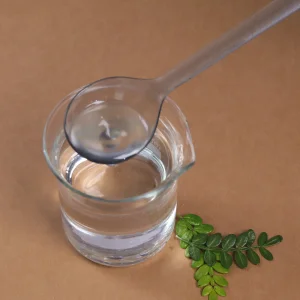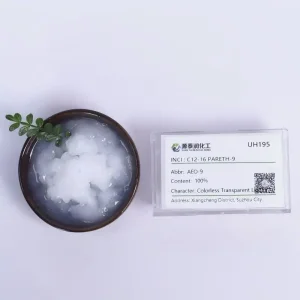
Engineered with precise physical profiles and superior safety declarations to align seamlessly with the Japanese Standards of Quasi-Drug Ingredients (JSQI).
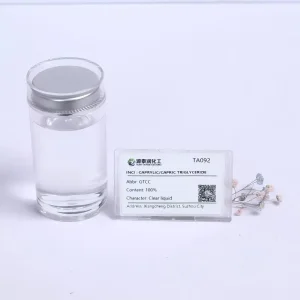
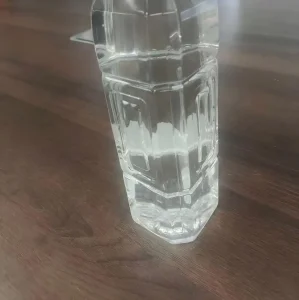
The Japanese cosmetic and chemical industrial landscape is defined by an uncompromising commitment to quality, high purity, sensory refinement, and stringent legal compliance. In Japan, products categorized under "moisturizing grease" and structural lipid raw materials occupy a major share of both the premium skincare (J-Beauty) market and precision manufacturing sectors. Unlike other global regions, Japan's classification under the Pharmaceuticals and Medical Devices Agency (PMDA) divides topical moisturizing agents into general cosmetics and "Quasi-Drugs" (医薬部外品 - Iyakubugaihin). This legal definition demands that raw material suppliers offer documentation regarding safety, structural purity, and origin validation.
In recent years, the market has undergone a significant transition from heavy petroleum-based paraffins toward lightweight, natural-origin esters and high-performance silicone hybrids. Consumers demand a "fresh, non-greasy, yet deeply hydrating" sensory experience (often termed as Sっぱり - Sappari or しっとり - Shittori). As a result, components such as Caprylic/Capric Triglycerides, Glyceryl Glucoside, and ultra-refined Dimethicones have surged in import volumes to Tokyo, Osaka, and Yokohama. Industrial buyers look for reliable global manufacturing partners capable of certifying low trace-metal content, minimized acid values, and zero oxidation smell to guarantee stability in final consumer formulations.
“The modern Japanese skin barrier recovery segment prioritizes biomimetic lipid structures. Importers require ingredients that not only meet the basic physical properties but also carry comprehensive REACH, RSPO, and local PMDA-compliant documentation.”
With Japan's commitment to achieving carbon neutrality by 2050, the demand for green chemical manufacturing has trickled down to raw material selection. Major Japanese multinational cosmetic brands are actively replacing standard synthetic polymers with natural non-ionic lipids and plant-derived fatty alcohols like Cetyl Alcohol and Stearic Acid 1801. Concurrently, the industrial lubrication sector seeks biodegradable esters to replace bio-accumulative synthetic lubricants, creating a dual-use demand for functional grease moisturizing formulations.
Pioneering advanced daily chemical raw materials with robust supply networks reaching global destinations.
Enterprise chemical procurement departments sourcing raw materials for Japanese manufacturing plants navigate unique challenges. Firstly, supply chain volatility in palm kernel oil and ethylene oxide derivatives can destabilize production schedules. Secondly, freight safety protocols, local port controls in Kobe and Nagoya, and stringent heavy-metal assays (requiring Lead < 10 ppm, Arsenic < 2 ppm) can halt shipments at customs if proper compliance documents are missing.
YuantaiRun Chemical (YTR) solves these procurement bottlenecks by establishing an end-to-end trace quality protocol. Every batch of our raw materials—from Butylene Glycol Dicaprylate/Dicaprate to Sodium Lauroyl Sarcosinate—undergoes gas chromatography-mass spectrometry (GC-MS) and heavy metal atomic absorption testing prior to international export. This rigorous testing guarantees batch-to-batch consistency and seamless customs clearing for Japanese buyers.
Developing a stable emollient system demands a deep understanding of HLB (Hydrophilic-Lipophilic Balance) values, phase inversion temperatures, and structural packing at the oil-water interface. The diagram below represents our technical framework for stabilizing advanced O/W cosmetic emulsions for Japanese J-Beauty formulations:
By blending polar esters like Butylene Glycol Dicaprylate/Dicaprate with non-polar structural lipids, chemists can construct a lamellar liquid crystal phase. This phase mimics the lipid bilayer of human skin, ensuring fast absorption, high hydration metrics, and superior shelf stability—even under temperature variations (from hot, humid summers in Honshu to freezing winters in Hokkaido).
How our products empower cosmetics, personal care, and industrial formulations across Japan.
Utilizing Sodium Cocoyl Glycinate 30% and Sodium Lauroyl Sarcosinate for ultra-mild amino acid foaming systems, perfect for sensitive Japanese skin profiles. Highly compatible with polar emollient bases.
Integrating Caprylic/Capric Triglyceride and BGCC to build rich, stable skin-repair creams. Minimizes skin moisture evaporation while leaving a velvet, non-greasy finish preferred by J-Beauty users.
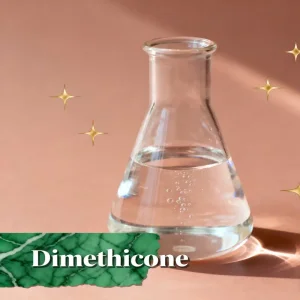
Delivering high-purity Dimethicone (viscosity options from 5 to 12500) and functional mineral oils for advanced electrical insulation, mould release, and cosmetic waterproof film-forming barriers.
We supply a rich array of surfactants, emollient bases, fatty acids, and performance thickeners, simplifying raw material consolidations for foreign and domestic plants.
Our in-house laboratories specialize in structural chemical analysis, assisting clients with regulatory compliance and bespoke performance adaptations.
Through advanced mass-manufacturing setups, we ensure our chemical materials remain high in quality while maintaining optimized pricing configurations.
We manage strategic warehousing hubs to deliver chemicals precisely when needed, minimizing inventory carrying costs for lean manufacturing paradigms.
Preserved original formulas customized with enhanced processing limits to meet strict Japanese quality parameters.
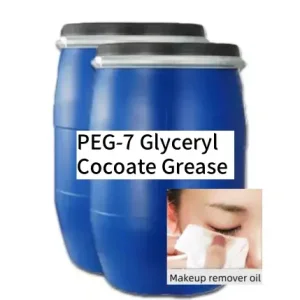
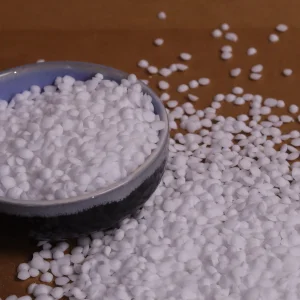
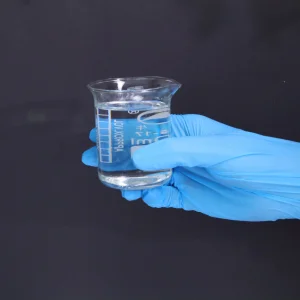
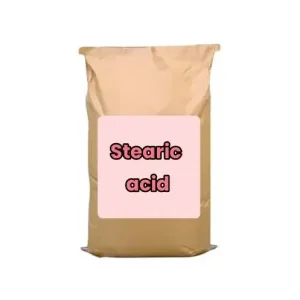

Importing daily chemical products into Japan requires strict compliance with the Pharmaceutical and Medical Device Act (PMD Act). Under these provisions, any ingredient used in cosmetics must not contain components that are forbidden by the local negative lists, while Quasi-Drug products are strictly regulated through the *Japanese Standards of Quasi-Drug Ingredients (JSQI)*. This framework demands precise analysis of raw chemical bases. For example, testing for residual monomers, low trace solvents, and heavy metal concentrations is required. Materials like Stearic Acid 1801 and Cetyl Alcohol must display distinct chemical profiles and low iodine values to prevent formula discoloration when combined with other compounds.
To help clients streamline this process, YTR provides detailed documentation with each order. Our compliance packet includes:
• High-resolution Certificates of Analysis (COA) matching JSQI specifications.
• Full ingredient disclosure and source verification maps (including RSPO certifications).
• Comprehensive Safety Data Sheets (SDS) in English and Japanese.
• Absence reports for heavy metals, dioxane, free amines, and pesticide residues.
By maintaining clear quality data, YTR enables Japanese cosmetic distributors to easily file ingredient dossiers with the PMDA, expediting product releases.
As green chemistry shifts consumer demand away from non-biodegradable synthetics, YTR’s R&D department is focused on plant-derived alternatives. Our development pathway aims to optimize the skin barrier properties of natural lipids while delivering the performance of silicones. By modifying the esterification of plant-derived fatty acids, we create emollients like BGCC (Butylene Glycol Dicaprylate/Dicaprate). BGCC provides a dry feel, low viscosity, and fast absorption rates, helping brands formulation eco-friendly products that deliver high performance.
Expert answers on chemical compliance, application guidelines, and procurement logistics for the Japanese market.
Partner with Suzhou Yuantairun Chemical Co., Ltd. to access high-quality cosmetic esters, functional emollients, and surfactants customized for the Japanese market.
Send Inquiry Now