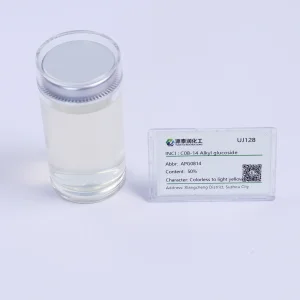
Highly stabilized formulations featuring exceptional emulsification, low toxicity, and superior environmental biodegradability profile.
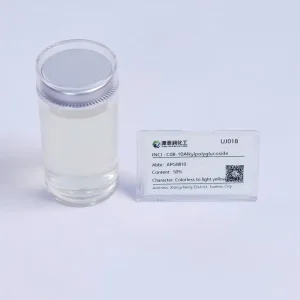
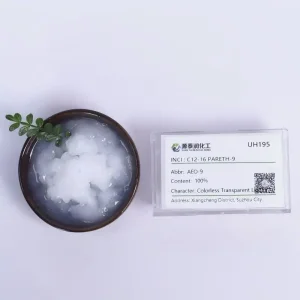
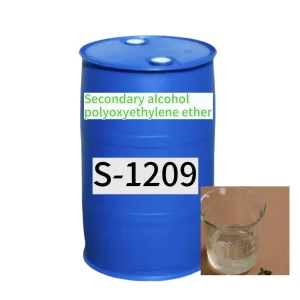
Metro Manila, the economic heart of the Philippines, is undergoing a profound regulatory and industrial shift. Fast-Moving Consumer Goods (FMCG) manufacturing facilities, concentrated in the nearby industrial hubs of Laguna Technopark, Cavite Export Processing Zone, and Batangas, are aggressively upgrading their formulations to comply with the Department of Environment and Natural Resources (DENR) guidelines and Food and Drug Administration (FDA) Philippines mandates.
The local industry is systematically transitioning away from high-foaming but slowly-degrading anionic surfactants towards advanced, biodegradable nonionic chemical agents. Nonionic surfactants, particularly Alkyl Polyglucosides (APG) and Fatty Alcohol Ethoxylates (AEO), are highly sought after by local compounders. Their complete lack of charge makes them exceptionally stable in hard water conditions—a common occurrence in the municipal water supply networks of Metro Manila.
By establishing a robust regional export framework, we guarantee direct delivery channels into the Port of Manila, bypassing standard supply-chain bottlenecks and ensuring high-purity chemical feedstock is continuously available for localized manufacturing.
Providing specialized physical-chemical solutions to counteract humidity, high temperatures, and hard water variations in Southeast Asia.
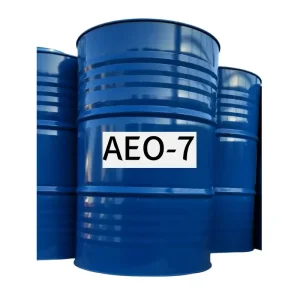
Manila’s high average tropical temperatures degrade the viscosity profiles of consumer detergents. Combining nonionic surfactants like AEO-7 and APG1214 stabilizes standard formulations, preserving sensory characteristics without resorting to synthetic polymeric thickeners.
Achieving stable oil-in-water (O/W) emulsions requires precise adjustment of the Hydrophilic-Lipophilic Balance. Our raw materials enable formulators to blend linear carbon chain fractions to match exact regional oily soil types and cosmetic lipids.
By blending harsh primary anionic surfactants with natural nonionic glucosides (APG0810, Cocoyl Glucoside), we dramatically lower the Zein Score, minimizing protein denaturation and skin irritation for mild cosmetic formulations.
Linking direct petrochemical and oleochemical production lines with critical manufacturing centers throughout the Philippines.
On a global level, surfactants are undergoing a monumental transition. The reliance on ethylene oxide (EO) derived from petrochemical feedstocks is steadily decreasing. In its place, plant-derived nonionic surfactants, specifically those derived from starch, palm, and coconut oil, have captured significant market share. Sustainable consumer choices, combined with carbon tax systems, have forced major global brands to re-evaluate their raw material sourcing portfolios.
Our company is at the vanguard of this technological pivot. Through state-of-the-art ethoxylation and glucosidation manufacturing plants, we produce materials that maintain structural integrity, low critical micelle concentration (CMC), and optimal foaming performance while matching the carbon neutrality objectives of modern brands.
Chemical supply chains are highly vulnerable to port congestion and customs delays. Recognizing the specific logistical dynamics of the Port of Manila (South and North Harbors), we offer optimized logistics programs:
Translating chemical functionality into commercial advantages across household, personal care, and industrial processing channels.
Leveraging AEO-9 and APG0810 to formulate concentrated liquid laundry detergents. Maintains high detergency on stubborn organic stains even under low-temperature washing parameters favored in Philippine households.
Utilizing mild Cocoyl Glucoside and Lauryl Glucoside. Creates dense, stable foams for facial cleansers, body washes, and botanical shampoos. Completely compatible with the rising "Clean Beauty" trend in East Asia.
Employing C12-C14 Secondary Alcohol Polyoxyethylene Ether. Provides rapid wetting and penetrative action, quickly displacing heavy grease and hydrocarbons from metals, components, and transport infrastructure.
Optimizing pesticide wetting and stability. Nonionic surfactants acts as superior emulsifiers and wetting agents in crop protection formulations, helping farmers throughout Luzon improve pesticide efficacy.
As the international community converges on stricter chemical safety standards, YuantaiRun is continuously advancing its technology roadmap to deliver safer raw materials. Our R&D division focuses heavily on three pillars:
Traditional nonionic surfactants heavily depend on Ethylene Oxide (EO) gas polymerization. Through advanced catalytic methods, we are developing bio-EO equivalents from sugarcane ethanol, creating 100% bio-based ethoxylates that offer identical physical properties without the associated petroleum footprint.
Single-surfactant systems are rarely optimal. Our laboratory specializes in analyzing the thermodynamic behavior of mixed micellar systems (e.g., APG combined with amphoteric Betaines). Formulators can leverage these studies to lower the total surfactant concentration in finished products while maintaining identical foaming, emulsification, and cleansing actions.
Our manufacturing footprints are continuously optimized for energy conservation. Through raw material localization and heat integration in our ethoxylation reactors, we have dramatically decreased the carbon dioxide equivalent (CO2-eq) per ton of surfactant produced, helping local Manila brands satisfy global sustainability standards.
Essential formulation and logistical information for sourcing nonionic surfactants in the Philippine market.
A broad spectrum of nonionic, amphoteric, and preservative solutions to complete your formulation needs.
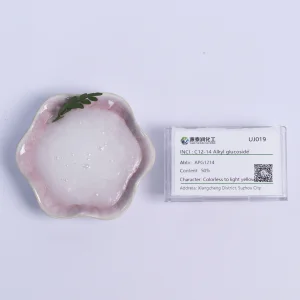
Accelerate your formulation performance and secure your cargo delivery to Metro Manila and beyond. Contact our chemical engineering team for specialized support, product samples, or direct quotation parameters.
Send Inquiry Now