Nonionic Surfactant Factories & Exporter in Tokyo

Pioneering Sustainable Formulations, High-Performance Alkyl Polyglycosides, and Green Industrial Solutions for Global Markets

Featured Nonionic Surfactants

Advanced surfactant technologies engineered to meet rigorous Japanese industrial standards and eco-certifications.

Commercial & Industrial Landscape of Nonionic Surfactants in Tokyo

Tokyo serves not only as the administrative heart of Japan but also as a critical hub for high-end biochemical research, technological innovations, and global chemical supply networks. In the Greater Tokyo Area, particularly across Kanagawa and the industrial corridors surrounding Tokyo Bay, chemical manufacturers have transitioned from manufacturing basic commodities to synthesizing high-purity, environmentally friendly specialty surfactants. This transition is deeply aligned with the Japanese market's demands for premium-quality cosmetics, green household detergents, and sophisticated industrial cleaning applications.

Under the stringent oversight of regulatory bodies such as Japan's Ministry of Economy, Trade and Industry (METI), Tokyo-based research facilities prioritize products with excellent biodegradability, low toxicity, and minimal environmental footprint. Nonionic surfactants, notably Alkyl Polyglycosides (APG) and Alcohol Polyoxyethylene Ethers (AEO), have experienced a surge in market share due to their superior performance profiles, compatibility with diverse formulations, and mildness on human skin. Sourcing agents globally look to the Tokyo chemical corridor for technological benchmarks, particularly concerning narrow-range ethoxylates (NRE) and plant-based, PEG-free emulsifiers.

The Shift Towards Green Chemistry and Sustainable Sourcing

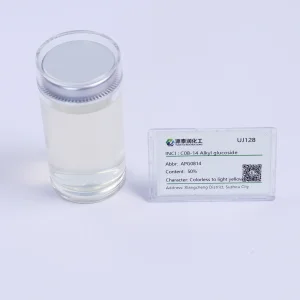
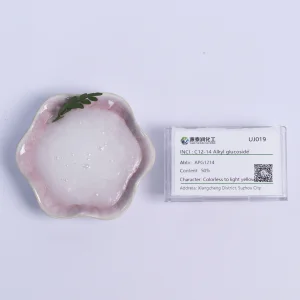
In accordance with Japan’s commitment to carbon neutrality by 2050, local chemical factories in the Kanto region are progressively moving away from petroleum-derived materials. Instead, they are utilizing natural fatty alcohols derived from sustainable sources, such as RSPO-certified palm oil and coconut oils. This ecological shift is not only a local trend but a prerequisite for international trade, especially for Tokyo-based exporters sending products to Europe (under REACH) and the Americas. The demand for renewable surfactants like APG1214 (Lauryl Glucoside) and APG0810 (Caprylyl/Capryl Glucoside) has grown exponentially as formulators work to phase out traditional alkylphenol ethoxylates (APEs), which are associated with environmental persistence and endocrine-disrupting hazards.

2010
Established Year
Decades of chemical formulation expertise
7000+
Global Partners
Trusted by premium brands worldwide
98.5%
Biodegradability
For our eco-certified APG series
100%
Regulatory Compliance
REACH, PMDA, RSPO & HALAL aligned

Global Industry Trends: The Evolution of Nonionic Surfactants

The global surfactant industry is undergoing a structural transformation characterized by two key drivers: sustainability and functional precision. Unlike anionic surfactants, which often generate rich foam but can be harsh, nonionic surfactants exhibit no electrical charge in aqueous solutions. This properties grants them superior compatibility, resistance to hard water, and remarkable wetting capabilities. Below are the key trends shaping this industry:

  • Clean Beauty and Bio-Based Ingredients: Consumer awareness of personal care ingredients has made "sulfate-free" and "natural" industry standards. Alkyl Polyglycosides (APGs) are leading this shift, offering high performance while maintaining an exceptionally low irritation index.
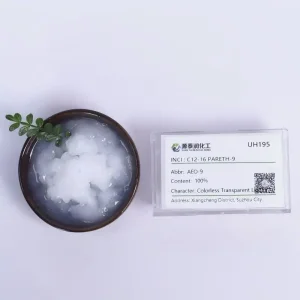
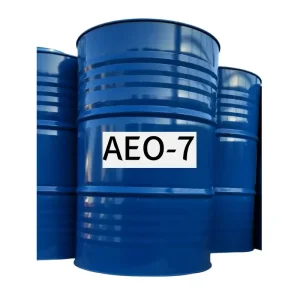
  • Narrow-Range Ethoxylation (NRE): In industrial cleaning and textile processing, standard ethoxylates are being replaced by narrow-range ethoxylates like AEO-7 and AEO-9. These offer low odor, reduced unreacted alcohol content, and highly targeted cloud points, which improves cleaning performance and process safety.
  • Reduced 1,4-Dioxane Formulations: Due to regulatory updates (such as California's Proposition 65 and strict European limits), manufacturers must control the byproduct 1,4-dioxane. Tokyo factories are implementing advanced ethoxylation stripping technologies to maintain levels well below 10 ppm, and often below 1 ppm.
  • Synergistic Multifunctional Blends: Formulators are increasingly combining nonionic surfactants with mild amino acid-based anionic surfactants (such as Sodium Lauroyl Sarcosinate) to achieve rich foam profiles alongside mild skin compatibility.

Why Partner with Suzhou Yuantairun Chemical Co., Ltd.

Our commitment to quality, research, and supply chain reliability establishes us as a leading global chemical exporter.

One-Stop Services

We provide a comprehensive product portfolio including nonionic, anionic, and amphoteric surfactants to streamline your raw material procurement processes.

R&D and Lab (ODM/OEM)

Our research laboratories specialize in formulating customized blends, adjusting viscosity, adjusting cloud points, and tailoring products to specific client applications.

Competitive Pricing

By leveraging large-scale manufacturing and optimized chemical sourcing, we offer high-grade materials at highly competitive global price points.

Just-in-Time Delivery

Our logistics network ensures materials are delivered to meet your production schedules, minimizing your inventory holding costs and lead times.

Strategic Solutions & Industry Applications

How we address complex cleaning, emulsification, and formulation challenges across diverse market sectors.

Home Care & Detergents

High-Efficiency Eco Laundry Solutions

Developing modern, concentrated laundry formulations requires surfactants that remain active in cold water and exhibit high biodegradability.

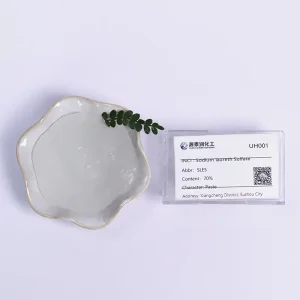
  • Formulated with SLES 70% and AOS for excellent stain removal.
  • Thickened with CMEA to optimize formula viscosity and stability.
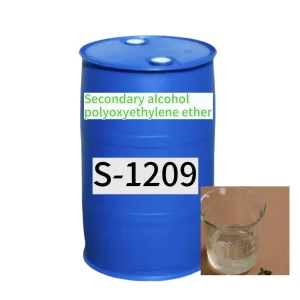
  • Incorporates secondary alcohol ethoxylates for low pour point requirements.
Personal Care

Gentle Amino Acid Facial Cleansers

Modern consumers demand facial cleansers and shampoos that protect the skin barrier while delivering an excellent sensory experience.

  • Utilizes Sodium Lauroyl Sarcosinate 95% for mild, rich foam.
  • Includes Cocoyl Glucoside for clean, non-irritating rinse-off.
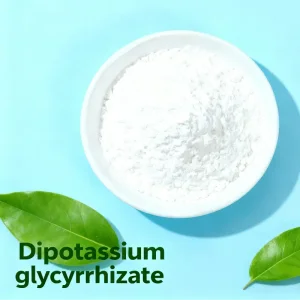
  • Enhanced with Dipotassium Glycyrrhizinate for anti-inflammatory benefits.
Industrial Cleaning

Heavy-Duty Degreasers & Solvents

Industrial manufacturing and automotive sectors require robust degreasers capable of breaking down tough mineral oils and grease.

  • Powered by LAS and AEO-9 for high emulsifying capacity.
  • Maintains structural stability in high alkaline or acidic environments.
  • Optimized low-foaming properties for automated spray washers.

Customized Manufacturing & Packaging Solutions

Suzhou Yuantairun Chemical provides tailored OEM/ODM support for commercial operations, helping clients transition from raw chemicals to finished market products. Our customized services include:

  • Personal Care Formulations: Custom surfactant blends for hotels, professional salons, and consumer retail brands, offering adjustable fragrance, viscosity, and packaging options.
  • Concentrated Laundry Detergents: Formulated for high wash efficiency, color protection, and fabric safety, customizable for different washing machine technologies (HE/front-load).
  • Commercial Hand Washes: Safe, foaming soap formulations designed for commercial centers, restaurants, and corporate facilities, prioritizing skin safety and environmental compatibility.

Regulatory Compliance, Localization Support & Quality Assurance

Navigating the global regulatory landscape is a core challenge for chemical importers. At Suzhou Yuantairun Chemical, we prioritize chemical safety, traceability, and global compliance. Our manufacturing plants operate under strict ISO 9001 and ISO 14001 guidelines, ensuring consistent batch quality and minimal environmental impact.

Compliance Standards & Certifications

Our raw materials are designed to comply with major international and regional regulatory frameworks:

  • REACH Compliance: Our main surfactant series, including SLES, AEO, and APG, hold REACH registration, enabling seamless import into the European Economic Area.
  • Japanese Quasi-Drug Ingredient Standards (JSQI): For exports to Japan, we supply raw materials that comply with PMDA regulations, ensuring they meet the safety requirements for local cosmetics and quasi-drugs.
  • RSPO and Green Palm Oil: We offer palm-derived surfactants sourced from certified sustainable supply chains, helping partners meet their corporate ESG targets.
  • Halal & Kosher Certification: Our plant-based products, including Lauryl Glucoside and Cocoyl Glucoside, are certified to meet specific dietary and cultural requirements.

Traceability and Quality Control

Each shipment of our nonionic surfactants undergoes rigorous laboratory testing prior to dispatch. We provide comprehensive analytical documentation with every delivery, including Certificate of Analysis (COA), Safety Data Sheets (SDS) compliant with GHS, and detailed heavy metal and byproduct tracking reports (covering free EO, 1,4-dioxane, and nitrosamines). This commitment ensures that your production lines operate smoothly, with no risk of unexpected trace contamination.

Technical Q&A (FAQ)

Expert answers to technical questions concerning surfactant selection, formulation synergy, and handling.

What makes Alkyl Polyglycosides (APG) superior to traditional nonionic surfactants like Nonylphenol Ethoxylates (NPE)?
APGs are synthesized from renewable plant sugars and fatty alcohols, making them 100% biodegradable and free from endocrine-disrupting risks. In contrast to NPEs, which are restricted or banned in many regions, APGs offer excellent ecological profiles, high tolerance to high alkaline formulations, and low skin irritation indices.
How does cloud point affect the performance of AEO-9 and other ethoxylates?
The cloud point is the temperature at which a nonionic surfactant solution separates into two phases, becoming turbid. Optimal cleaning performance usually occurs at or slightly below the surfactant's cloud point. Selecting a surfactant with a cloud point matched to your application's operating temperature ensures maximum wetting and degreasing efficiency.
Can nonionic surfactants be combined with anionic surfactants in personal care?
Yes, nonionic surfactants like Lauryl Glucoside are frequently paired with anionic surfactants (such as SLES or Sodium Lauroyl Sarcosinate). This combination reduces the irritation potential of the anionic components, stabilizes the foam structure, and allows for easier viscosity adjustment using standard thickeners.
What measures are taken to ensure low 1,4-Dioxane levels in ethoxylated surfactants?
We use advanced stripping technologies and vacuum degasification during the ethoxylation phase. This process allows us to control and reduce 1,4-Dioxane levels in our products, keeping them within the strict limits set by international cosmetics and household care regulations.
How should nonionic surfactants be stored to prevent phase separation?
Nonionic surfactants should be stored in a dry, well-ventilated area, ideally at temperatures between 15°C and 30°C. Exposure to extreme cold can cause crystallization or paste formation, particularly in high-active-matter concentrations. If solidification occurs, gently warm the container and mix thoroughly before use.

Technical Roadmap & Future Outlook

The chemical industry is entering a new era focused on decarbonization, carbon capture utilization (CCU), and bio-based circular synthesis. As a forward-looking exporter, Suzhou Yuantairun Chemical is aligning its R&D path with these emerging technologies:

1. Carbon-Negative Raw Materials: We are researching the integration of bio-succinic acid and fatty acids derived from carbon-capture fermentation processes. This will help reduce the overall cradle-to-gate carbon footprint of our surfactant lines.

2. High-Concentration, Low-Water Shipments: To minimize transport emissions and packaging waste, we are expanding our high-concentration product portfolio (such as SLES 70% and solid powder surfactants like Sodium Lauroyl Sarcosinate 95%). This allows formulators to import concentrates and dilute locally.

3. Advanced Biosurfactants: Our next-generation research focuses on biosurfactants produced via microbial fermentation, such as sophorolipids and rhamnolipids. These offer exceptional surface activity at lower concentrations and biodegrade completely in natural water systems.

Comprehensive Surfactant & Specialty Chemical Catalog

Select from our widely exported chemicals, manufactured to meet the demands of global industrial and personal care brands.

Blog & News

Stay updated with our latest chemical innovations, market trends, and corporate insights.
March 06, 2026
Runtec® SCI85: A mild anionic surfactant with high active ingredient content, excellent compatibility...
Learn More →
February 02, 2026
Runtec® SCA-30: Sodium Cocoyl Alaninate - An oil-resistant amino acid surfactant designed for premium shampoos...
Learn More →
January 31, 2026
Cetyl Ethylhexanoate (Seabird Feather Oil) - A skin moisturizer compatible with various oils...
Learn More →