
Engineered to maintain stability under tropical humidity and saline maritime conditions. Perfect for formulation blending in Colón and Balboa Free Trade Zones.
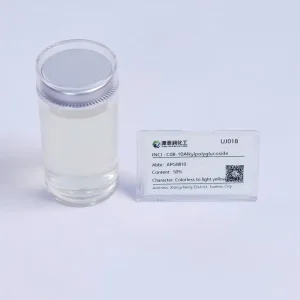
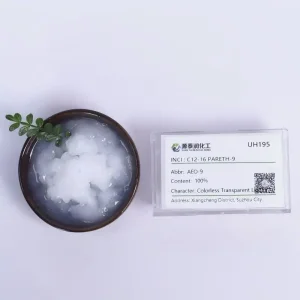
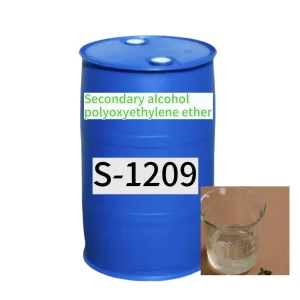
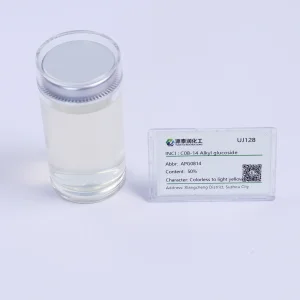
Nonionic surfactants represent the backbone of contemporary green formulation chemistry. Unlike anionic or cationic alternatives, their uncharged hydrophilic head groups impart excellent stability in hard water, high electrolyte environments, and varying pH ranges. For Panama, which operates as the premier logistics crossroads of the Americas, the import of high-performance surfactants acts as a crucial lever for local manufacturing, canal transport vessel cleaning operations, and agricultural yield enhancement.
Panama's role in the chemical distribution landscape is defined by its transit infrastructure. The Colon Free Zone (CFZ) and the logistics terminals at Balboa serve as crucial redistribution points for the Andean region, Central America, and the Caribbean. The demand for nonionic surfactants in Panama spans across four localized industrial pillars:
Globally, the nonionic surfactant market is experiencing a structural pivot from petroleum-derived ethoxylates to bio-based polyglycosides. Regulatory pressures in North America and the European Union have tightened restrictions on 1,4-dioxane impurities—a potential byproduct of ethoxylation processes. Consequently, global suppliers are refining manufacturing protocols to ensure ultra-low dioxane limits, while simultaneously scaling production of clean alternatives like Decyl Glucoside and Coco Glucoside (APGs). The Panama Canal Authority's strict biological and environmental standards for chemical discharges into canal waters mean that regional buyers must source surfactants that are rapidly biodegradable and compliant with international eco-labels (ECOCERT, COSMOS, and REACH).
As a leading developer in the daily chemical raw materials space, Suzhou Yuantairun Chemical Co., Ltd. (YTR) optimizes the raw material supply chain. Our manufacturing facilities utilize state-of-the-art vertical integration pathways—from raw oil cracking and fatty alcohol generation to automated ethoxylation and polyglycoside synthesis. This integration eliminates intermediate logistical margins, enabling us to deliver cost-competitive surfactant options without compromising on high chemical purity.
By leveraging advanced DCS automation controls, we maintain tight control over chemical parameters such as cloud points, hydroxyl values, and residual free alcohols. For Panamanian distributors operating in the Colón Free Zone, this translates to batch-to-batch consistency, allowing local formulators to manufacture finished goods without constantly recalibrating their processing machinery.
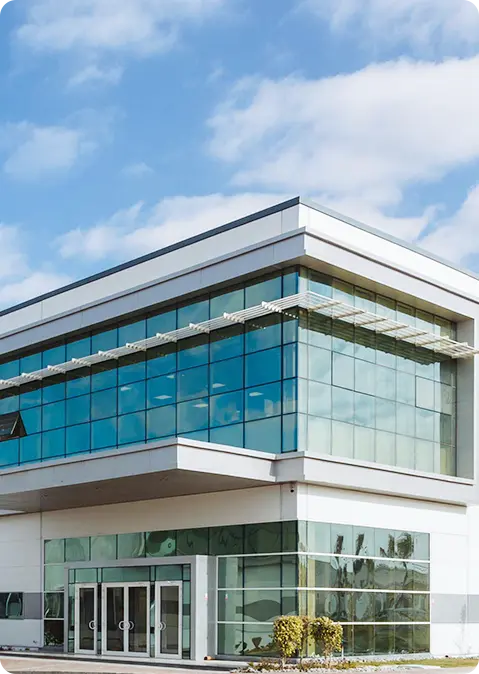

We guarantee that our products originate from sustainably managed resources and are transported through optimized logistics routes.

Comprehensive supply portfolio encompassing anionic, nonionic, and amphoteric surfactants to cover all product formulating requirements.

Offering specialized OEM and ODM formulations tailored to physical properties required for Central American tropical storage stability.

Direct export pricing structure from Chinese raw chemical integration zones, offering superior quality-to-cost metrics.

Strategic maritime partnerships ensuring continuous shipping schedules from Shanghai and Ningbo ports to Colon and Balboa ports.
Real-world deployment scenarios designed for regional businesses operating in Panama and neighboring regions.
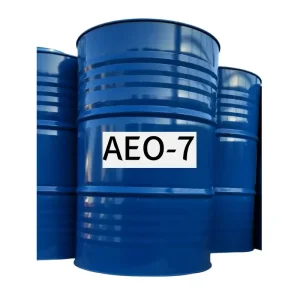
Utilizes secondary alcohol ethoxylates and APG0810 for formulation stability in highly saline seawater. Cleans vessel decks and engines without toxic residue accumulation in watershed channels.
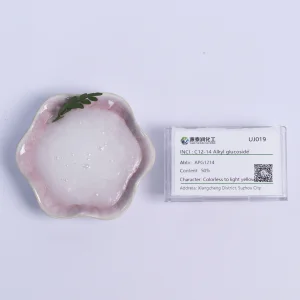
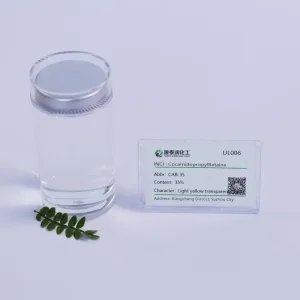
Combines Lauryl Glucoside (APG1214) with Cocamidopropyl Betaine for a clean, non-film rinse that performs well in high humidity, matching consumer demands in urban Panama City.
Increases the rain-fastness of agricultural chemicals on banana and sugarcane crops. Nonionic wetting agents prevent pesticide run-off during heavy afternoon rain storms.
Flexible blending, custom active concentration levels, and tailored packaging solutions matching South & Central American regulatory protocols.
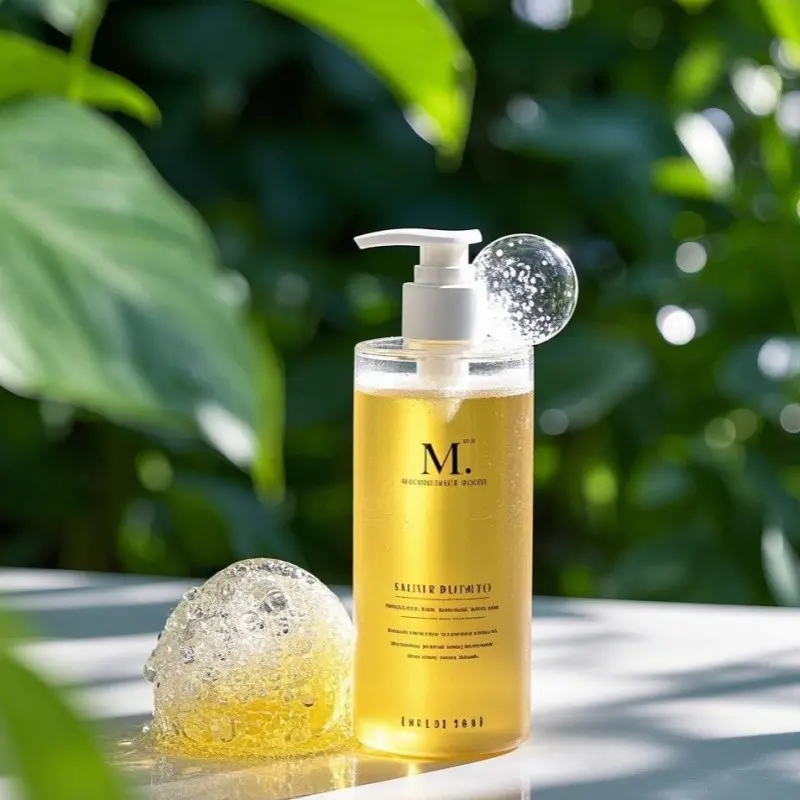
Custom formulation options tailored for hotel chains, retail markets, or professional salons. Flexible packing profiles ranging from bulk intermediate IBC containers to commercial retail units.
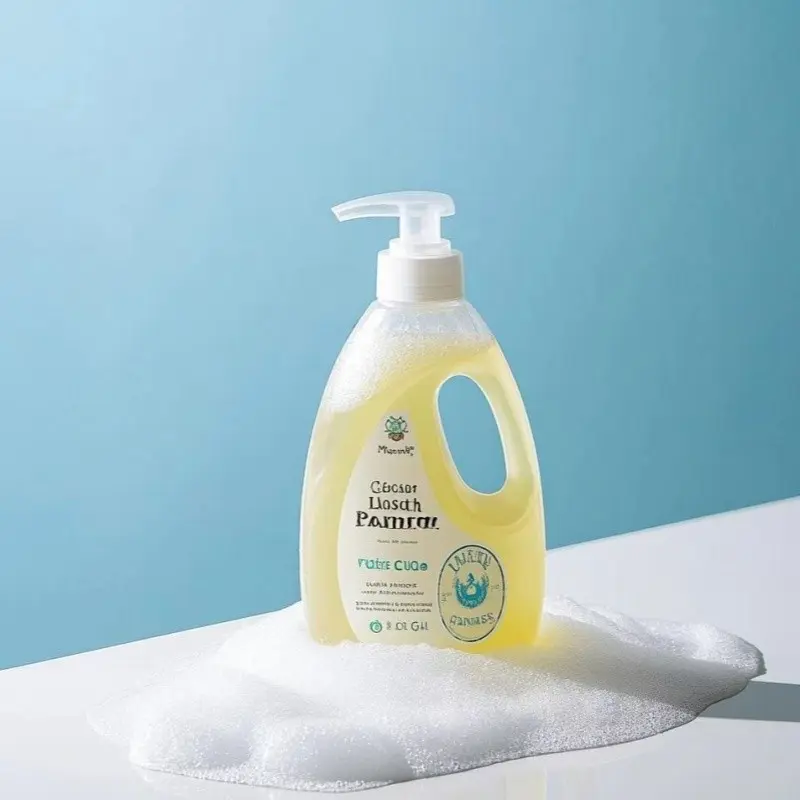
Specialized viscosity levels, tropical fragrance blends, and enzyme stabilization profiles matching the washing patterns and consumer habits of Central American households.
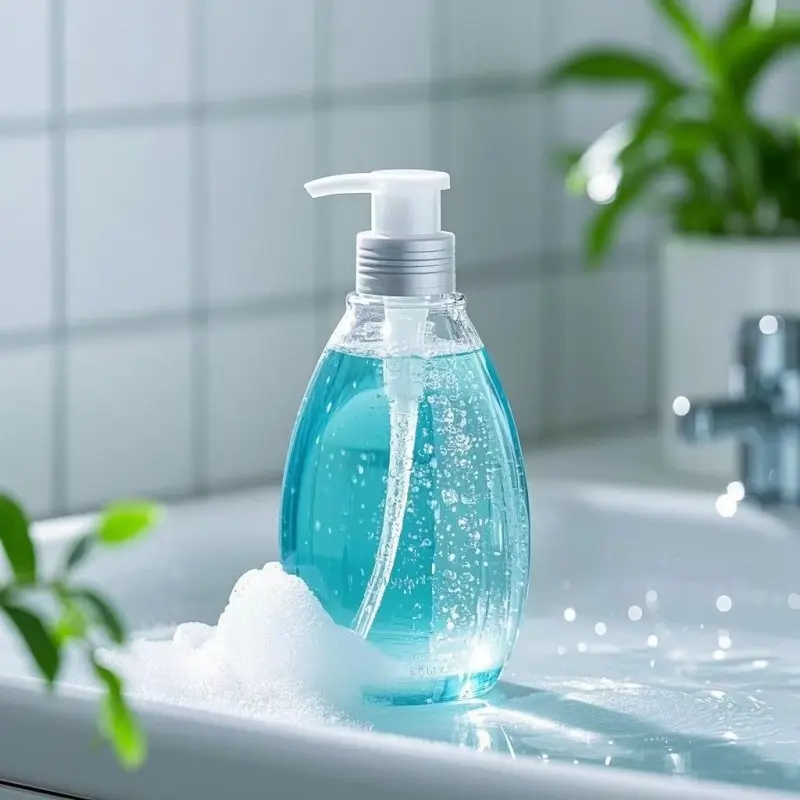
Optimized foaming profiles with rich density parameters suitable for shopping centers, institutional washrooms, restaurants, and retail settings throughout Panama.
Examine our deep stock inventory of nonionic, amphoteric, and thickener compounds ready for bulk ocean freight shipping.
Procuring raw chemical raw materials from Chinese ports (Shanghai/Ningbo) to Balboa or Cristobal port requires systematic supply chain planning. Buyers need to account for transit-specific parameters to avoid container delays and quality issues:
Chemicals crossing the equator can experience container temperatures of up to 50°C. For ethoxylated products with precise cloud points, we use thermally protective packing materials and recommend shipping styles that prevent phase separation during transport.
Each shipment includes comprehensive documentation, including detailed COA (Certificates of Analysis), safety datasheets (SDS) in English/Spanish, and commercial invoices noting CAS numbers to accelerate customs clearance through the Panamanian Customs Authority.
We pack our chemical shipments in heavy-duty HDPE drums or intermediate bulk containers (IBCs) with iron pallet frameworks to withstand dynamic marine motions during ocean shipping transit.
Technical details regarding chemical storage, logistics, and raw material applications.
Stay informed about formulation chemistry updates, surfactant market trends, and supply chain updates.
Discover how utilizing Sodium Cocoyl Isethionate enables formulators to develop high-performance syndet bars and gentle body cleansers.
How nonionic polyglycosides and amphoteric betaines combine to yield dense foam volumes while maintaining high biodegradability.
Practical strategies for industrial buyers to ensure surfactant performance stability throughout maritime transport routes.