Zwitterionic Surfactants: Chemistry, Amphoteric Behavior, and Global Market Context
Zwitterionic (amphoteric) surfactants possess both acidic and basic groups within their hydrophilic moiety. At specific physiological pH values, these molecules exist as internal salts, carrying both a positive charge (typically quaternary ammonium) and a negative charge (typically carboxylate, sulfonate, or phosphate). This unique charge dualism grants them exceptional chemical properties, including low skin and eye irritation, high compatibility with all other classes of surfactants, excellent tolerance to hard water, and remarkable wetting and foaming capabilities.
Globally, the surfactant industry is pivoting rapidly toward mildness, green chemistry, and sustainable sourcing. Anionic surfactants like SLES and SLS have traditionally dominated cleaning and personal care formulations. However, their tendency to disrupt the skin's lipid barrier has driven formulators to incorporate zwitterionic co-surfactants. In the global context, the market size for amphoteric surfactants is projected to grow significantly, fueled by the demand for sulfate-free, baby-friendly, and sensitive-skin cosmetics.
Technical Note: The behavior of zwitterionic surfactants is heavily pH-dependent. At low pH values, they behave as cationic surfactants, binding to negatively charged substrates (such as keratin in hair), providing conditioning and anti-static benefits. At high pH values, they act as anionics, offering cleansing and foaming profiles. At their isoelectric points, they exhibit optimal synergistic thickening properties when combined with primary anionic networks.
Malaysia’s Oleochemical Hub and the Localized Chemical Industry
Malaysia stands as one of the world's most critical epicenters for the oleochemical industry. Benefiting from extensive natural palm oil and palm kernel oil (PKO) resources, Malaysia provides the raw material foundation—fatty acids and fatty amines—essential for synthesizing high-grade amphoteric surfactants. This domestic raw material availability gives local Malaysian formulators and global exporters operating in Penang, Selangor, and Johor a major cost and supply chain advantage.
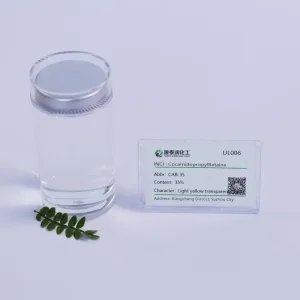
The Malaysian personal care, home care, and industrial cleaning sectors are undergoing a transformative upgrade. Modern consumers in Southeast Asia demand high-performance, eco-friendly, and ethically sourced formulations. Manufacturers in Malaysia are shifting their raw material portfolios to include derivatives like Cocamidopropyl Betaine (CAB-35), Lauryl Hydroxysultaine, and Sodium Lauroamphoacetate. This shift addresses the rising demand for premium Halal-certified personal care cosmetics, eco-labeled home care detergents, and industrial solutions suited for tropical climates.
The Halal & Ethical Compliance Landscape in Malaysia
For manufacturers serving Malaysia, compliance with JAKIM's Halal standards is not merely optional—it is a core market requirement. Zwitterionic surfactants sourced from plant-derived fatty acids (such as coconut or palm kernel oil) instead of animal fats must maintain strict traceability. Our production lines ensure that raw material sourcing, chemical processing, and distribution networks are kept free from cross-contamination, making them perfectly suited for Halal-certified cosmetic formulations destined for the ASEAN market.
| Surfactant Class | Common CAS No. | Primary Application in Malaysia | Key Synergy Benefit |
|---|---|---|---|
| Cocamidopropyl Betaine (CAB-35) | 61789-40-0 | Mild Shampoos & Hand Soaps | Viscosity builder, reduces anionic irritation |
| Lauryl Hydroxysultaine | 13197-76-7 | Premium Cleansers & Shower Gels | Stable foam in hard water, high solubility |
| Disodium Cocoamphodiacetate | 68650-39-5 | Tear-Free Baby Products | Exceptional ocular and dermal mildness |
| Sodium Lauroamphoacetate | 68608-66-2 | Facial Cleansers & Baby Wash | Compatible with amino acid surfactants |
Sustainable Palm Sourcing & RSPO Value Chains
Sustainability is a major focus for global brands and local consumers in Malaysia. Aligning with the Roundtable on Sustainable Palm Oil (RSPO) certification ensures that zwitterionic surfactants are synthesized from responsibly managed plantations. By choosing RSPO-certified palm kernel oil feedstock, brands operating in Malaysia can prevent deforestation, lower their environmental impact, and satisfy the requirements of global clean-beauty export markets.